A Japanese modern home brings together calm, comfort, and clean design. It mixes the beauty of traditional Japanese style with the simple look of modern interiors. The result is a home that feels peaceful, open, and easy to live in.
This style is popular because it does not feel heavy or crowded. Instead, it gives you a space where every item has a purpose. You get a home that looks elegant, but still feels warm and practical.
What Is a Japanese Modern Home?
Definition of Japanese Modern Interior Design
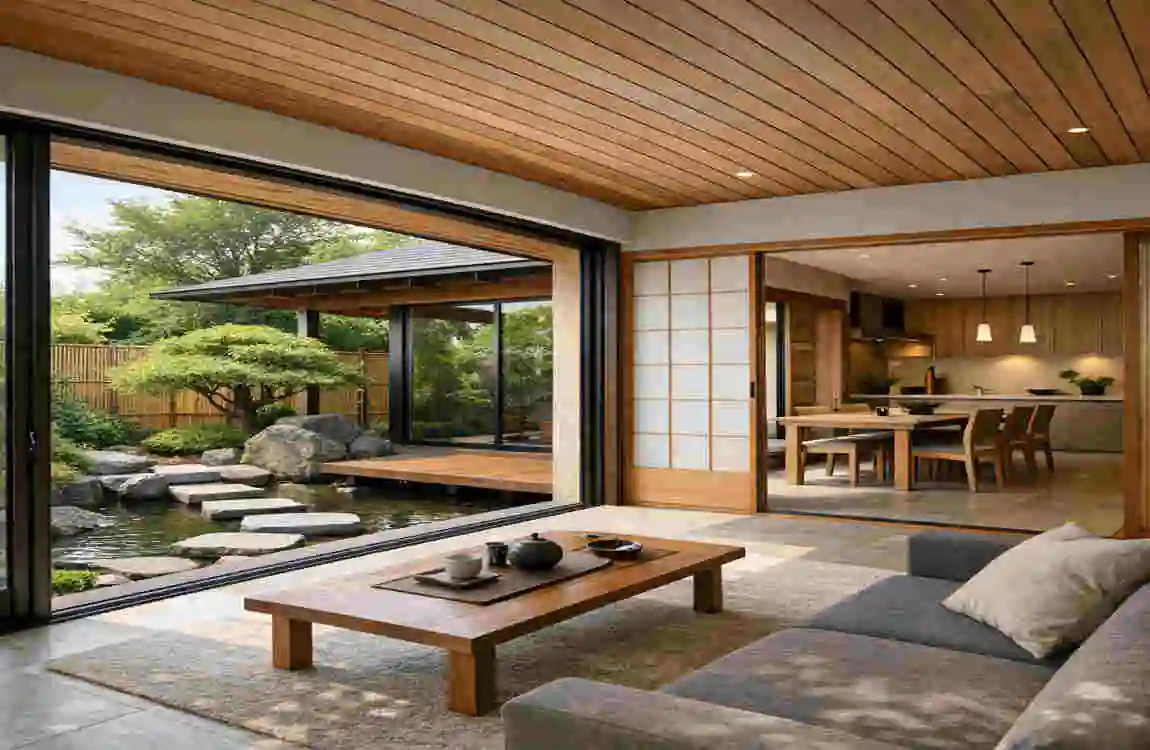
A Japanese modern home blends traditional Japanese design with modern living. It keeps the calm, simple feel of Japanese spaces while using today’s furniture, layout, and materials.
The goal is always the same: simplicity, balance, and comfort.
Key Characteristics
This style often includes:
- Minimal décor
- Natural light
- Neutral colors
- Wood and stone textures
- Open space
These features help create a soft, peaceful look that feels fresh and timeless.
Why Homeowners Love This Style
People love this design because it feels both calming and useful. It does not rely on trendy items that quickly go out of style. Instead, it focuses on long-lasting beauty and easy daily living.
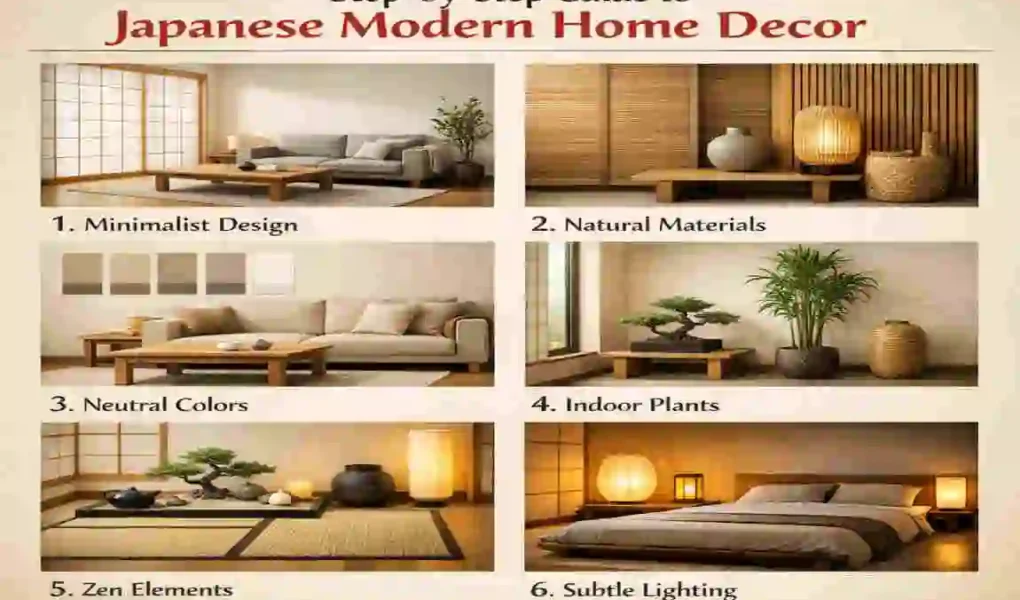
Start with Minimalism
Declutter Your Living Space
The first step in a minimalist Japanese modern home design is to remove anything you do not need. Too much furniture or too many decorative items can make a room feel busy.
Keep only the things that serve a purpose or bring real beauty to the space.
Follow the “Less is More” Philosophy
Japanese design is built on the idea that less can feel more elegant. A few well-chosen items often look better than many small pieces.
This also makes your home feel calmer and easier to enjoy.
Create Functional Open Space
Open space is important in this style. It helps people move more freely and makes even a small room feel larger.
A clean layout also makes the home feel balanced and organized.
Choose a Neutral Color Palette
Best Colors for Japanese Modern Interiors
The best colors for this style are soft and natural. Good choices include:
- White
- Beige
- Warm gray
- Soft brown
- Earthy green
These shades create a quiet background that allows the furniture and textures to stand out.
How Colors Influence Calmness
Muted colors help the mind relax. They do not fight for attention, so the room feels more peaceful.
This is one reason neutral home aesthetics work so well in a Japanese-inspired home.
Accent Colors to Add Depth
You do not need bright colors to create interest. Small touches of charcoal, black, or dark wood can add contrast and make the room feel richer.
Use Natural Materials Everywhere
Wood as the Foundation
Wood is one of the most important parts of natural wood interior ideas. It brings warmth, texture, and a natural feeling into the home.
Great options include:
- Oak
- Bamboo
- Walnut
- Cedar
A natural wood Japanese home feels grounded and inviting.
Stone and Natural Textures
Stone, clay, and concrete also fit well in this design style. They add a raw, simple beauty that supports the calm look.
These materials work well for floors, counters, walls, and small decorative details.
Soft Natural Fabrics
Use fabrics like linen, cotton, wool, and jute. These materials feel soft and comfortable without looking flashy.
They also help the room feel cozy while keeping the clean style of minimalist Japanese decor.
Why Texture Matters
A room with only flat surfaces can feel cold. Texture adds depth and makes the home feel more lived-in.
Even in a simple room, natural texture creates warmth and comfort.
Focus on Low-Profile Furniture
Traditional Japanese Influence
Low furniture is a classic part of Japanese design. It helps the room feel open and calm.
Think about floor cushions, low tables, and simple seating that sits closer to the ground.
Modern Furniture Choices
For a modern version, choose:
- Platform beds
- Simple sofas
- Floating cabinets
- Low coffee tables
These pieces keep the look clean and spacious.
Furniture Placement Tips
Do not fill every corner. Leave breathing room around each piece.
When furniture is spaced well, the home feels more balanced and less crowded.
Maximize Natural Light
Large Windows and Openings
Natural light is important in a Japanese modern home lighting ideas plan. It makes the space feel fresh and open.
If possible, use larger windows or keep window areas clear so sunlight can move through the room.
Soft Lighting Fixtures
At night, choose lighting that feels warm and gentle. Good options include paper lanterns, wall sconces, and warm LED lights.
These give the home a soft glow without feeling harsh.
Window Treatments
Use light curtains, sheer fabrics, or bamboo blinds. These let in daylight while still providing privacy.
Bring Nature Indoors
Indoor Plants That Fit the Theme
Plants are a simple way to make the home feel alive. Good choices include:
- Bonsai
- Bamboo
- Snake plant
- Fiddle leaf fig
These plants add freshness without making the room feel crowded.
Add Water and Stone Features
A few small natural details can also help. Decorative stones or a tiny indoor fountain can bring a quiet, Zen-like feeling into the space.
Create a Connection with Outdoor Spaces
If you have a patio, courtyard, or small garden, try to connect it to the inside of the home visually. This creates a smooth flow and makes the space feel larger.
Use Sliding Doors and Open Layouts
Traditional Shoji Inspiration
Sliding doors are a beautiful part of Japanese design. They save space and keep the home feeling light.
They also give privacy without using heavy walls.
Open Concept Living
Open layouts help rooms flow into one another. This makes the home feel more connected and useful.
It is especially helpful if you have a small home or apartment.
Space-Saving Benefits
Sliding doors and open layouts are smart choices for smaller homes. They reduce clutter and make the space more flexible.
Decorate with Purpose
Choose Minimal Decor Pieces
When choosing Japanese modern home decor ideas, pick only a few meaningful items.
Some nice choices are:
- Ceramic vases
- Handmade pottery
- Neutral artwork
- Woven baskets
These add style without making the room feel busy.
Add Japanese Cultural Touches
You can also bring in small details that reflect Japanese culture. Tatami-inspired textures, simple calligraphy prints, or natural woven items work well.
Avoid Over-Decoration
In this style, space is not wasted space. It gives the eyes a place to rest and helps the room feel calm.
Create a Zen Bedroom
Low Bed Frames
A Zen bedroom should feel quiet and restful. A low bed frame or platform bed helps create that feeling.
Soft Textiles
Use linen bedding, soft blankets, and neutral pillows. Keep patterns simple and colors light.
Calm Atmosphere
Avoid too many decorations in the bedroom. Soft lighting, clean surfaces, and a simple layout will help the room feel peaceful.
Build a Functional Kitchen & Bathroom
Japanese Modern Kitchen Ideas
In the kitchen, focus on clean lines and hidden storage. Flat cabinets, stone countertops, and simple shelves work very well.
This keeps the space neat and easy to use.
Bathroom Design
A Japanese-style bathroom should feel spa-like. Add wood accents, soft lighting, and a simple layout.
Try to keep accessories small and useful.
Keep Practicality First
A Japanese modern home should look beautiful but also be easy to live in. Good storage is important in the kitchen and bathroom because it helps keep surfaces clear.
Common Mistakes to Avoid
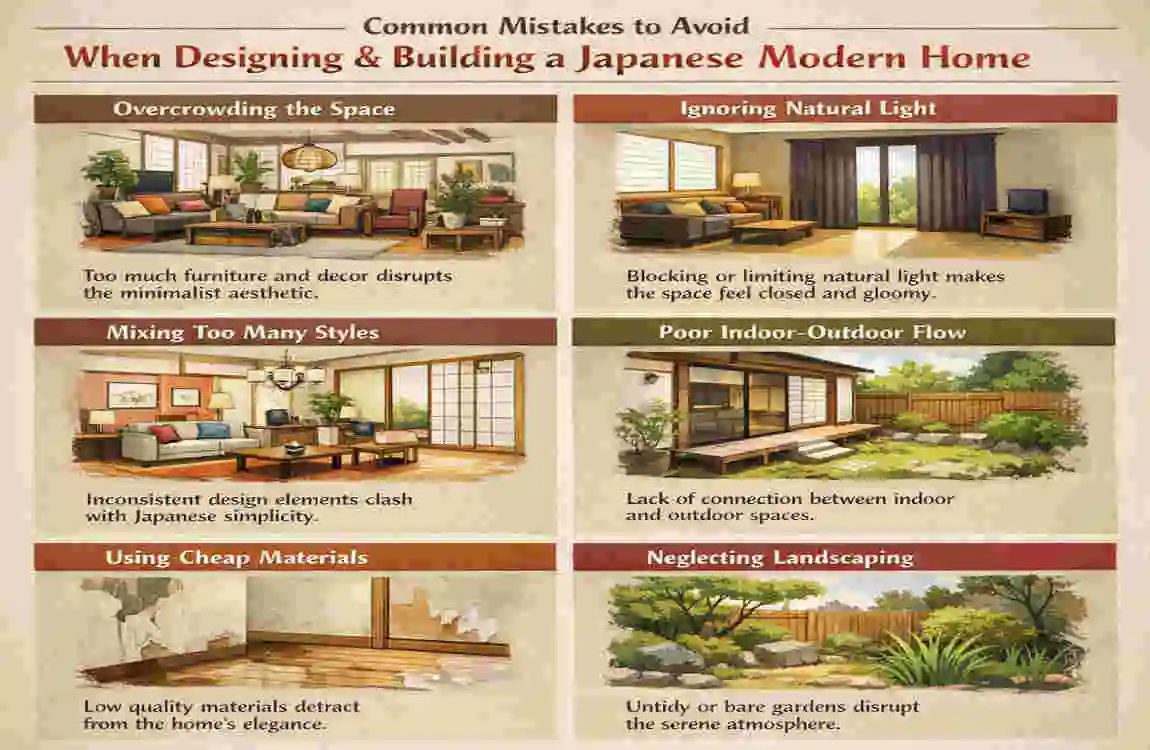
Do not let the design become too busy. Here are some common mistakes to watch for:
- Overdecorating
- Using loud, bright colors
- Choosing bulky furniture
- Ignoring natural materials
- Forgetting balance and symmetry
If you avoid these mistakes, your luxury home will keep its calm and elegant feeling.
Budget-Friendly Ways to Create the Look
You do not need a big budget to get this style. Start with small changes and build slowly.
Some simple ideas include:
- Declutter first before buying anything new.
- Swap bright items for neutral cushions, rugs, or curtains.
- Try DIY décor like simple shelves or handmade planters.
Even small updates can make a big difference.
FAQ
What is the difference between Japanese and modern interior design?
Japanese design emphasizes simplicity, natural materials, and a calm balance. Modern design emphasizes clean lines and current styles. A Japanese modern home combines both.
What colors work best in a Japanese modern home?
Neutral colors like white, beige, gray, soft brown, and earthy green work best.
Is Japanese modern home decor expensive?
Not always. You can create this look with simple furniture, natural materials, and a clutter-free layout.
Can small apartments use Japanese modern design?
Yes, absolutely. In fact, this style works very well in small spaces because it keeps the room open and organized.
How do I make my home look more Zen and minimal?
Use fewer items, choose soft colors, add natural materials, and keep the space clean and balanced.
| Action | Key Details | |
|---|---|---|
| Clear clutter & embrace minimalism | Keep only what you need; reset surfaces daily for calm | |
| Choose a neutral color base | Start with beige, cream, soft white, light grey; add black/charcoal for contrast | |
| Use natural materials | Wood (oak, maple, light walnut), stone, cotton, linen, wool for warmth | |
| Select low furniture | Low sofas, benches, platform beds; keeps ceilings feeling higher and rooms larger | |
| Maximize natural light | Large windows, light curtains, open layouts; avoid heavy blinds |