
Reducing energy use in your house is one of the easiest ways to lower utility bills while making your home more environmentally friendly. Small changes in daily habits and a few smart upgrades can significantly cut electricity and heating costs without sacrificing comfort.
Why Reducing Energy Use Matters
Using less energy offers several benefits that touch both your wallet and the planet. Below are the main reasons to make energy‑saving a habit in your home.
- Lower monthly electricity and gas bills – Every kilowatt‑hour you avoid translates directly into dollars saved.
- Reduced environmental impact – Less energy means fewer power‑plant emissions, which helps combat climate change.
- Longer lifespan for household appliances – When devices run cooler and less often, they wear out more slowly.
- Improved home comfort – Proper insulation, smart thermostats, and efficient lighting keep rooms at a pleasant temperature.
- Increased property value – Energy‑efficient upgrades are attractive to buyers and can boost resale price.
Easy Ways to Reduce Energy Use in Your House
Below is a step‑by‑step guide that walks you through the most effective, low‑cost actions you can start today. Each tip is broken into short, easy‑to‑read sections so you can quickly see what to do and why it matters.
Switch to LED Light Bulbs
What to do: Replace every incandescent or compact fluorescent bulb with an LED version.
Why it works:
- LEDs use up to 80 % less electricity than traditional bulbs.
- They last 10‑25 times longer, so you buy new bulbs far less often.
- Modern LEDs come in a range of color temperatures, from warm “soft white” to bright “daylight,” so you can keep the ambience you like.
How to choose the right LED:
- Look for the ENERGY STAR label – it guarantees efficiency.
- Check the lumens (brightness) rather than wattage; a 10‑watt LED can replace a 60‑watt incandescent.
- Choose dimmable LEDs if you have dimmer switches; not every LED works with all dimmers.
Unplug Devices When Not in Use
What to do: Pull the plug on chargers, TVs, gaming consoles, and kitchen appliances when they’re not actively being used.
Why it works: Many devices draw a small amount of power—called standby power or “phantom load”—even when turned off. That invisible consumption can add up to 5‑10 % of your total electricity bill.
Smart solutions:
- Use a smart power strip that cuts power automatically when a device goes idle.
- Group several low‑usage items (phone chargers, electric shavers) on a single strip for easy on/off control.
Easy habit: Make it a rule to unplug the coffee maker after brewing and to switch off the TV’s power strip before heading to bed.
Improve Home Insulation
What to do: Seal gaps around windows, doors, and any penetrations (pipes, wiring) to keep conditioned air where it belongs.
Why it works: Heat escapes in winter and hot air seeps out in summer through cracks and gaps. Air leaks can waste up to 30 % of heating and cooling energy.
DIY steps:
AreaCommon IssueSimple Fix
Windows Drafty frames Apply weather‑stripping or install low‑cost window film.
Doors Gaps at the bottom Install a door sweep.
Attic Missing or thin insulation Add fiberglass batts or blown‑in cellulose.
Basement Unsealed rim joist Use spray foam or rigid foam board
When to call a pro: If you suspect missing insulation in walls or need a comprehensive energy audit, a professional can use infrared cameras to spot hidden leaks.
Adjust Your Thermostat
What to do: Set your thermostat a few degrees lower in winter (68 °F/20 °C instead of 72 °F/22 °C) and a few degrees higher in summer (78 °F/26 °C instead of 74 °F/23 °C).
Why it works: For every degree you move the thermostat, you can save roughly 1- 3% on heating or cooling costs.
Smart options:
- Programmable thermostats let you schedule temperature changes for when you’re away or asleep.
- Wi‑Fi‑enabled thermostats (e.g., Nest, Ecobee) learn your routines and adjust automatically, plus you can control them from a smartphone.
Use Energy‑Efficient Appliances
What to do: When it’s time to replace an old refrigerator, washing machine, or dishwasher, choose models with high energy‑efficiency ratings (look for the ENERGY STAR label).
Why it works: Modern appliances consume much less electricity and water. For example, an ENERGY STAR refrigerator uses about 15 % less energy than a non‑rated model of the same size.
What to look for:
- Refrigerators: Top‑freezer designs are usually more efficient than side‑by‑side.
- Washing machines: Front‑loaders use less water and spin faster, reducing drying time.
- Dishwashers: Look for sensors that adjust wash cycles based on load size.
Smart buying tip: Calculate the annual operating cost on the EnergyGuide label; a higher upfront price is often justified if the yearly savings are substantial.
Wash Clothes Efficiently
Why laundry matters: Clothes washers and dryers are among the biggest household electricity users. Simple habits can shrink that load dramatically.
Key habits:
- Cold‑water washes – Modern detergents work well with cold water, saving heating energy.
- Full loads only – Running a half‑full machine wastes water and electricity. If you have a small load, consider a quick‑wash setting.
- Air‑dry when possible – Hang clothes on a rack or line dry outdoors on sunny days; it saves dryer energy and extends fabric life.
Additional tip: Clean the dryer’s lint filter after every use. A clogged filter reduces efficiency and can be a fire hazard.
Reduce Water Heating Costs
What to do: Lower the temperature on your water heater to 120 °F (49 °C) and use low‑flow fixtures.
Why it works: Heating water accounts for about 18 % of a typical home’s energy use. A 10‑degree drop can save up to 5 % on the water heating bill.
Simple fixes:
- Low‑flow showerheads reduce hot‑water flow without sacrificing pressure.
- Fix leaks promptly; a dripping faucet can waste over 2,000 gallons per year.
- Insulate the water heater and the first few feet of hot‑water pipes to keep water warm longer.
Smart upgrade: Tankless water heaters heat water on demand, eliminating standby losses from traditional tanks.
Take Advantage of Natural Light
What to do: Open curtains and blinds during daylight hours to let sunlight illuminate and warm rooms.
Why it works: Sunlight replaces the need for electric lighting and can reduce heating demand in winter.
Best practices:
- South‑facing windows receive the most light; keep them clear of heavy drapes.
- Use light‑colored interior paint to reflect natural light deeper into the room.
- In summer, close blinds during the hottest part of the day to keep heat out.
Extra tip: Install solar tubes (light‑wells) in interior spaces without windows for a daylight boost without major construction.
Quick Energy‑Saving Tips
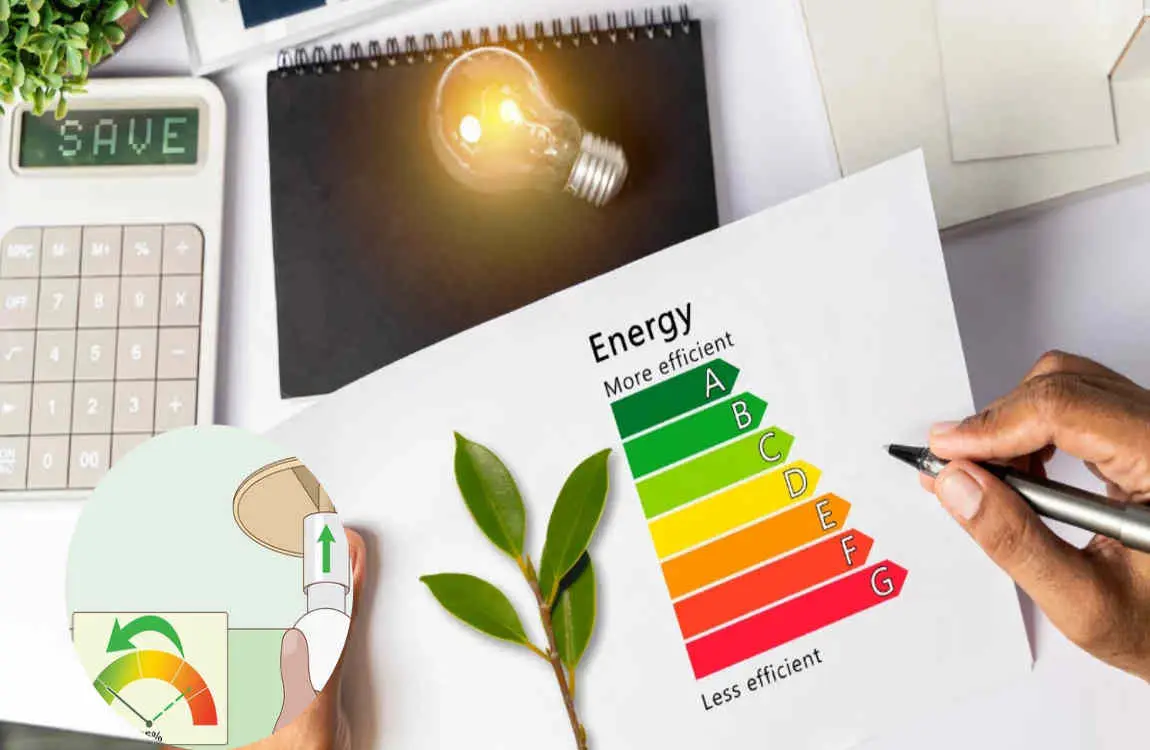
Tip Potential Benefit
Replace bulbs with LEDs Lower lighting costs
Seal windows and doors Reduce heating and cooling loss
Unplug unused electronics Eliminate standby power
Use ceiling fans Reduce air‑conditioning use
Clean HVAC filters regularly Improve system efficiency
Wash full laundry loads Save water and electricity
Common Mistakes to Avoid
- Leaving lights on in empty rooms – Simple habit of turning off when you leave.
- Ignoring air leaks – Small gaps can negate the benefits of insulation upgrades.
- Running half‑full dishwashers or washing machines – Fill them up to maximize each cycle’s efficiency.
- Setting the thermostat too high or too low – Extreme settings waste energy and stress your HVAC system.
- Forgetting to clean heating and cooling filters – Dirty filters force your system to work harder.
Understanding Your Home’s Energy Profile
Before you start making changes, it helps to know where most of your energy is being used. Here’s a quick way to map your usage.
- Gather past utility bills – Look at the last 12 months to identify seasonal spikes.
- Identify major loads – Typically heating/cooling (40‑50 %), water heating (15‑20 %), and appliances (15‑20 %).
- Use a plug‑in power monitor – Devices like the Kill‑A‑Watt can measure the exact draw of a single appliance.
Result: You’ll see which areas offer the biggest “low‑hanging fruit” for quick savings.
DIY vs. Professional Upgrades
Upgrade TypeDIY FeasibilityWhen to Hire a Pro
LED bulb replacement Easy —
Weather‑stripping doors Easy —
Sealing small window gaps Easy —
Adding insulation (attic) Possible If you lack protective gear
Installing a smart thermostat Easy If wiring is complex
HVAC system tune‑up Not recommended Always hire a certified technician
Whole‑house air sealing Complex Professional energy audit recommended
Bottom line: Start with the simple, low‑cost actions you can do yourself. When you hit a barrier—like needing to retrofit ductwork or safely handle refrigerants—bring in a licensed professional.
Building an Energy‑Saving Action Plan
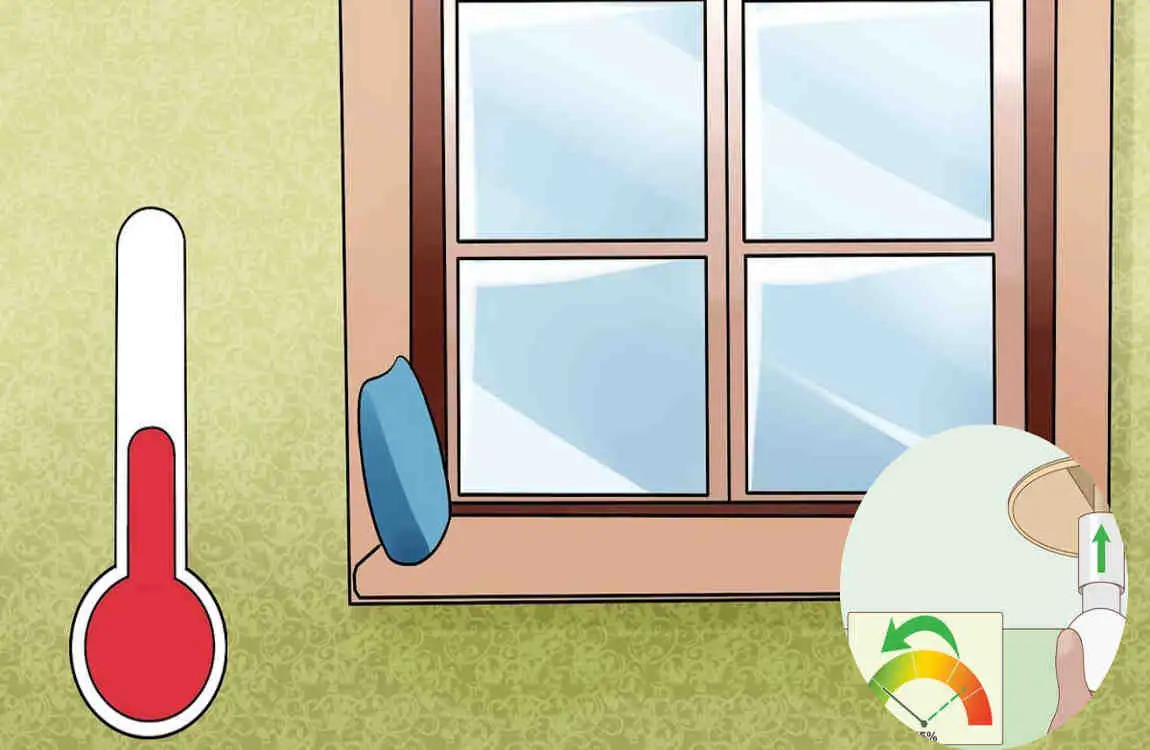
Creating a written plan helps keep you on track. Follow these three steps:
- Set measurable goals – e.g., “Reduce electricity use by 15 % within six months.”
- Prioritize actions – Rank the tips above by cost, effort, and expected savings.
- Schedule implementation – Assign a month or week to each task (e.g., “January: replace all bulbs; February: seal windows”).
Tracking progress: Keep a simple spreadsheet with columns for “Task,” “Date Completed,” “Estimated Savings,” and “Actual Savings.” Review it quarterly to celebrate wins and adjust as needed.
Frequently Asked Questions (FAQs)
How can I reduce electricity use at home?
Turn off lights when not needed, unplug unused electronics, upgrade to LED bulbs, and choose ENERGY STAR appliances. Adjust your thermostat and seal air leaks for even bigger gains.
What uses the most energy in a house?
Heating and cooling systems dominate, followed by water heaters, refrigerators, and clothes dryers. Targeting these areas yields the highest savings.
Does unplugging appliances save electricity?
Yes. Many devices draw a small but continuous amount of power—known as standby power—when they’re off. Unplugging or using smart power strips eliminates that waste.
Are LED light bulbs worth it?
Absolutely. LEDs consume up to 80 % less electricity than incandescent bulbs and last many times longer, paying for themselves in a few years.
What is the easiest way to save energy at home?
Start with the quickest actions: switch to LED lighting, unplug idle electronics, lower your thermostat by a few degrees, and seal obvious drafts around doors and windows.
| Energy-Saving Tip | How It Helps | Potential Savings |
|---|---|---|
| Switch to LED Bulbs | Uses less electricity and lasts longer | Up to 75% less lighting energy |
| Seal Doors & Windows | Prevents air leaks and improves insulation | Lowers heating and cooling costs |
| Use a Smart Thermostat | Automatically adjusts indoor temperature | Saves 8–15% on HVAC bills |
| Unplug Unused Electronics | Eliminates standby (phantom) power use | Reduces unnecessary electricity use |
| Upgrade to Energy-Efficient Appliances | Consumes less power than older models | Cuts long-term energy expenses |
| Wash Clothes in Cold Water | Reduces water-heating energy | Saves electricity on every load |
| Improve Home Insulation | Keeps indoor temperatures stable | Reduces heating and cooling demand |
| Use Ceiling Fans | Improves air circulation | Reduces reliance on air conditioning |
| Maintain HVAC System | Clean filters improve efficiency | Lowers energy consumption and extends system life |
| Maximize Natural Light | Reduces daytime lighting needs | Lowers electricity usage during the day |