A clean and comfortable home can quickly become stressful when unwanted pests appear. Ants, cockroaches, termites, rodents, mosquitoes, and bed bugs can enter homes through small openings and quickly become difficult to manage.
Effective residential pest control is not only about removing pests after an infestation starts. It also involves prevention, regular inspection, proper cleaning, and targeted treatment. With the right approach, homeowners can reduce pest activity and keep their living spaces healthier and more comfortable.
Why Residential Pest Control Matters
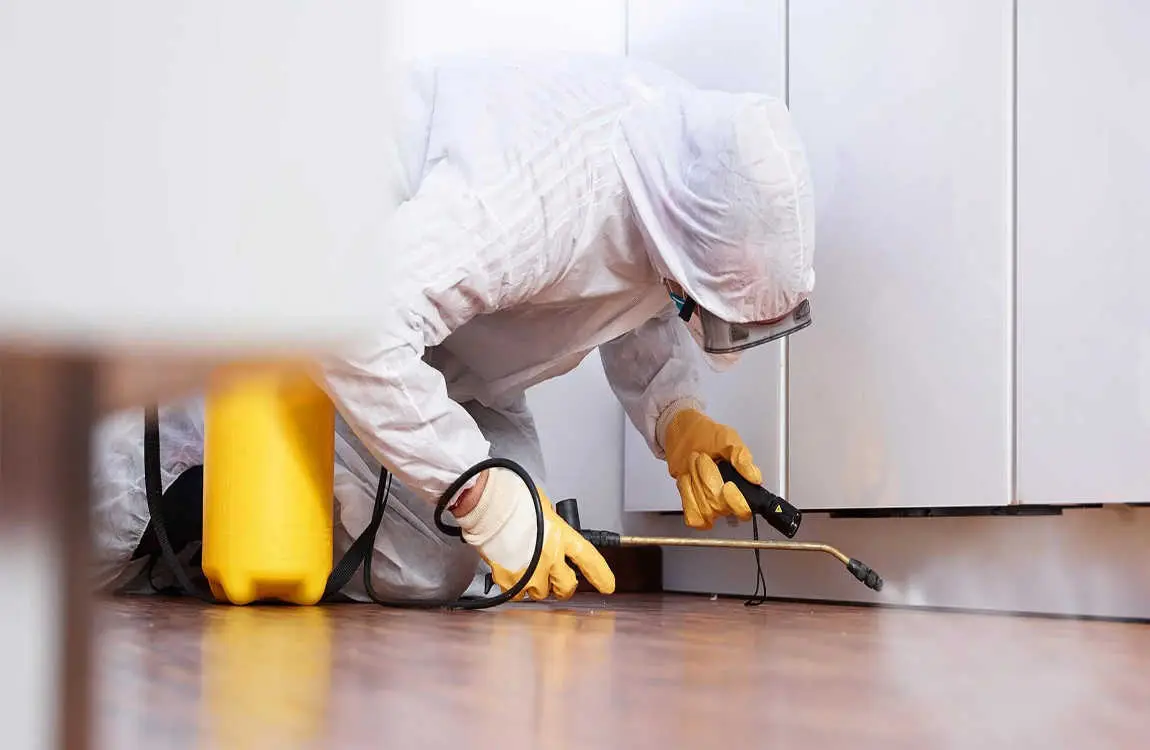
Pest control is an important part of regular clean home maintenance. Even a small pest problem can grow into a serious infestation if it is ignored.
For example, termites can damage wooden structures, while rodents may chew electrical wires, insulation, and stored belongings. Cockroaches and other insects can also move through kitchens, bathrooms, and storage areas in search of food and water.
Professional residential pest control can help identify where pests are coming from and determine the best way to deal with them. Early action can often prevent a minor problem from becoming a costly one.
Protecting Your Property
Some pests can cause more than temporary discomfort. Termites, carpenter ants, and rodents may damage parts of a home over time.
Regular inspections can help homeowners notice signs of damage before the problem becomes more serious.
Maintaining a Cleaner Home
Pests can contaminate food and surfaces with droppings, body parts, or other debris. Keeping pest populations under control supports better household hygiene.
Common Household Pests
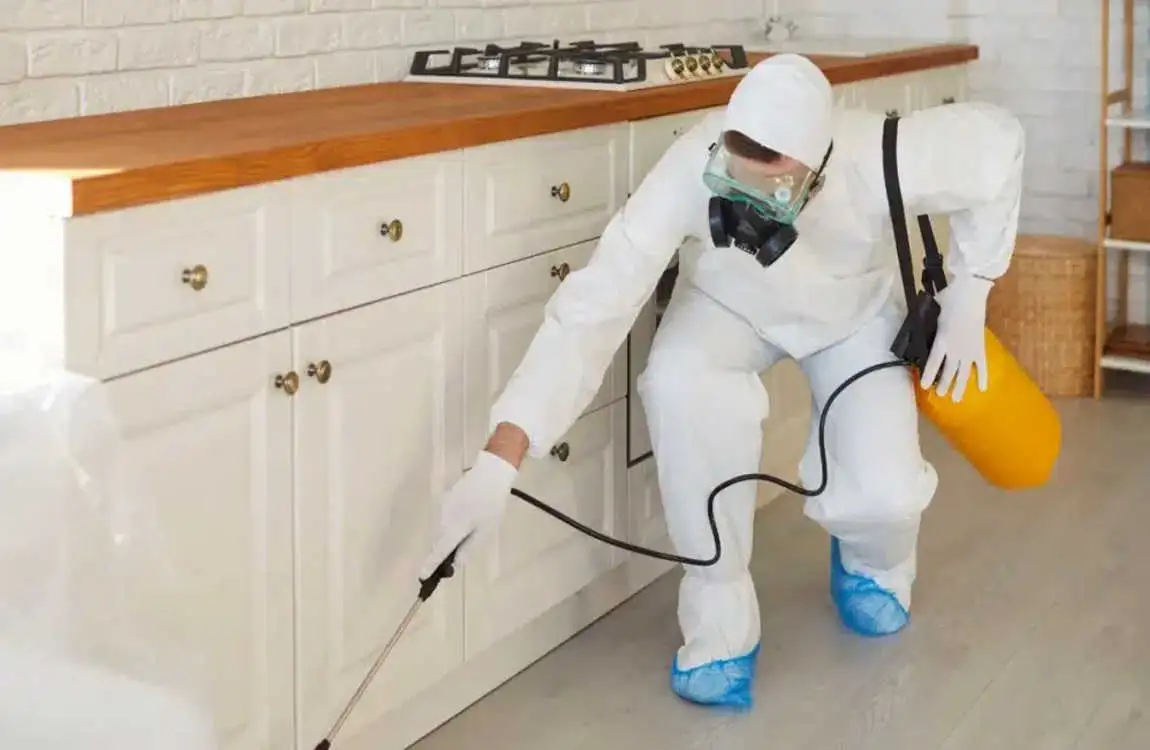
Different pests behave differently, so identifying the pest correctly is an important first step.
PestCommon AttractionPossible Problem
Cockroaches Food, moisture, warmth Contamination and nuisance
Ants Food and water Trails and infestation
Termites Wood and moisture Structural damage
Rodents Food, shelter, warmth Damage and contamination
Mosquitoes Standing water Bites and outdoor nuisance
Bed bugs Bedding, furniture, luggage Bites and difficult infestations
Cockroaches
Cockroaches often hide in dark, warm, and damp areas. Kitchens, bathrooms, cabinets, and areas near plumbing can provide ideal conditions.
Keeping surfaces clean, storing food properly, and fixing moisture problems can help reduce their attraction to your clean home.
Ants
Ants commonly enter houses while searching for food or water. You may notice trails around windows, doors, kitchens, or other areas where food is available.
Cleaning spills and sealing small entry points can help prevent ants from returning.
Termites
Termites are among the pests homeowners should take seriously because they can remain hidden while damaging wooden materials.
If you notice damaged wood, discarded wings, mud tubes, or other signs of termite activity, consider arranging a professional inspection.
Rodents
Mice and rats can enter through surprisingly small gaps. Once inside, they may hide behind walls, under appliances, in attics, or in storage areas.
Rodents can damage wiring, insulation, food containers, and other household materials.
Mosquitoes
Mosquitoes commonly increase around areas where water collects. Buckets, plant trays, blocked drains, and other containers can become breeding areas.
Removing standing water is one of the simplest ways to reduce mosquito activity around your property.
Bed Bugs
Bed bugs can spread through luggage, clothing, used furniture, mattresses, and bedding. They can be difficult to eliminate because they hide in small cracks and fabric seams.
When an infestation continues despite cleaning, professional treatment may be necessary.
Effective Ways to Prevent Pests
Good prevention is one of the most useful parts of effective residential pest control. You do not always need complicated solutions to make your clean home less attractive to pests.
Start with simple household habits and make them part of your regular cleaning routine.
Keep Food Properly Stored
Store food in sealed containers instead of leaving open packages on counters. Clean crumbs and spills quickly, especially in kitchens and dining areas.
Garbage should also be removed regularly because food waste can attract insects and rodents.
Remove Moisture
Many pests are attracted to moisture. Repair leaking faucets, pipes, and appliances as soon as possible.
Keep bathrooms, kitchens, basements, and other damp areas properly ventilated and dry.
Seal Entry Points
Inspect your home for small cracks and openings around:
- Doors and windows
- Pipes and utility lines
- Foundation walls
- Vents and other openings
Sealing these gaps can make it harder for pests to enter the property.
Keep Outdoor Areas Clean
Trim vegetation away from walls and keep outdoor storage areas organized. Remove piles of leaves, standing water, and unnecessary clutter around the property.
A clean exterior gives pests fewer places to hide near your clean home.
When Should You Call a Pest Control Professional?
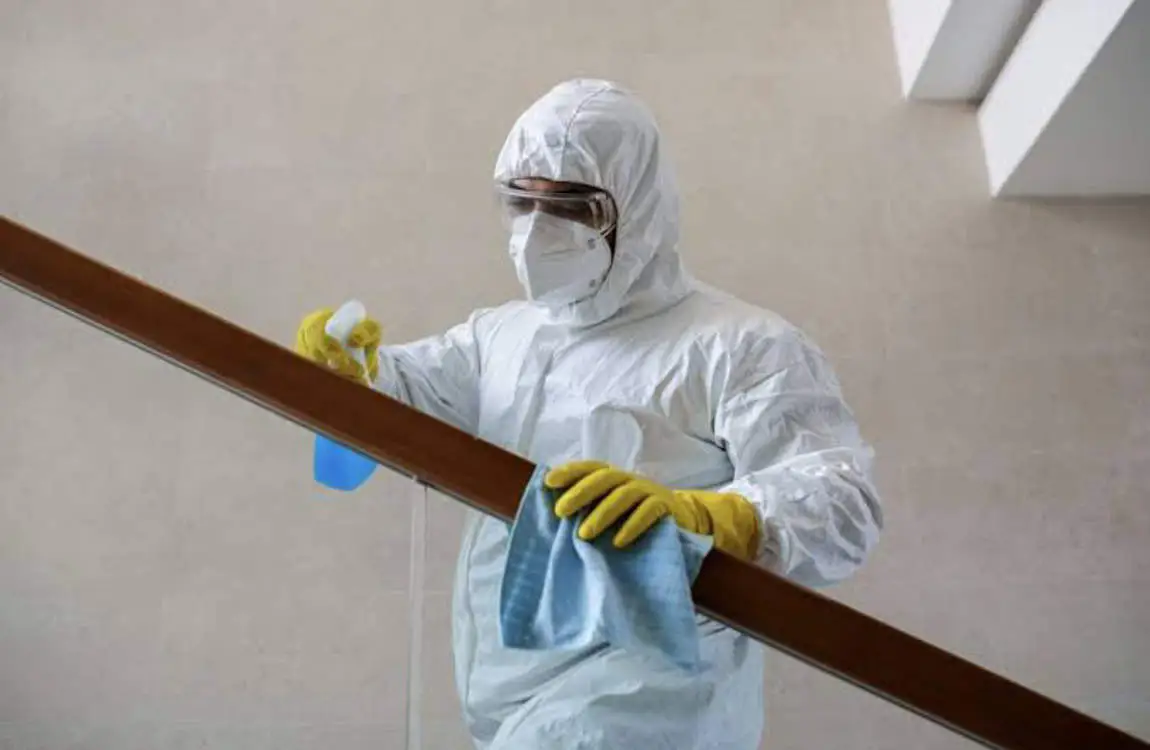
Some pest problems can be managed with basic cleaning and prevention. However, professional assistance is more useful when the problem persists or spreads.
Consider professional residential pest control if you notice repeated pest activity, nests, droppings, damaged materials, unusual odors, or signs of an infestation.
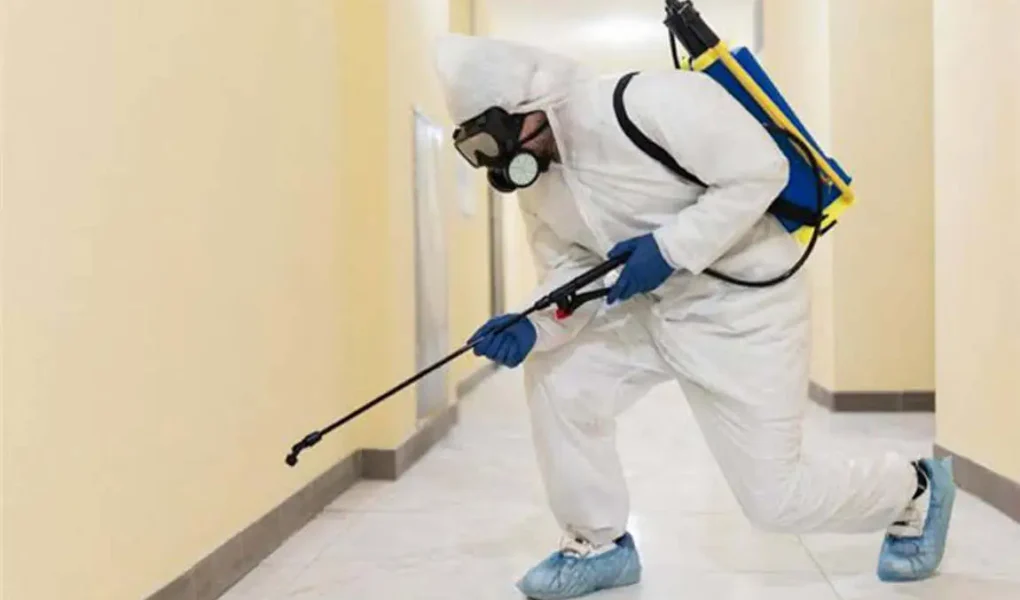
A professional can inspect the property, identify the pest, locate possible entry points, and recommend an appropriate treatment.
Persistent Pest Activity
Seeing the occasional insect does not always mean you have a major infestation. However, repeated sightings may indicate that pests are nesting or entering from another area.
Finding the source is important because simply removing visible pests may not solve the underlying problem.
Signs of Property Damage
Chewed wires, damaged wood, holes in stored materials, or other unexplained damage may indicate pest activity.
Early inspection can help homeowners address the problem before damage becomes more expensive.
Recurring Infestations
If pests keep returning after basic cleaning and home treatments, there may be an untreated entry point or hidden nesting area.
A professional inspection can help identify the cause of the recurring problem.
Choosing an Effective Pest Control Approach
The best pest control method depends on the type of pest, the size of the infestation, and where the pests are located.
A good approach should focus on addressing the source of the problem, not simply treating the visible pests.
Homeowners should also follow product instructions carefully and keep children and pets away from treated areas when required.
For serious infestations, professional treatment may provide a more practical and targeted solution.
Frequently Asked Questions
What is residential pest control?
Residential pest control involves identifying, preventing, and treating pests found inside or around a home. It can include inspections, preventive measures, and targeted treatments.
How can I prevent pests in my home?
Keep food sealed, remove garbage regularly, clean spills quickly, repair leaks, eliminate standing water, and seal cracks or openings around the home.
Is professional pest control worth it?
Yes, particularly for persistent or serious infestations. Professionals can identify the source of the problem and recommend treatment based on the specific pest.
How often should a home receive pest control?
The ideal schedule depends on the property’s location, pest risks, and previous infestation history. Some homes may benefit from routine inspections, while others may require treatment only when problems arise.
What is the best way to deal with termites?
Early inspection and professional treatment are important because termites can remain hidden while causing damage. Regular inspections can help identify termite activity before the damage becomes severe.
| Pest Control Method | Best For | Key Benefit |
|---|---|---|
| Regular Inspection | All common pests | Finds problems early |
| Seal Cracks & Gaps | Ants, roaches, rodents | Blocks entry points |
| Keep Food Sealed | Ants, roaches, rodents | Removes food sources |
| Fix Water Leaks | Cockroaches, termites | Reduces moisture |
| Professional Treatment | Severe infestations | Provides targeted control |
| Routine Maintenance | Long-term prevention | Helps keep pests away |