
Homeowners considering new flooring often choose tile for its durability, design flexibility, and long lifespan. However, before starting a project, it’s important to understand the potential costs involved. From materials and labor to preparation and installation techniques, several factors influence the overall price. For those planning tile installation in San Diego, knowing what contributes to tile flooring costs can help you set realistic expectations and budget accordingly.
Average Tile Installation Costs
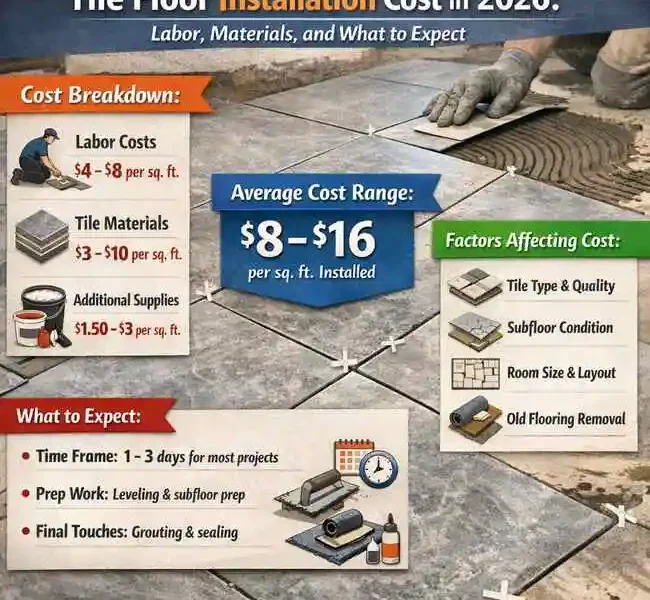
Tile floor installation costs can vary widely depending on the materials selected and the complexity of the project. On average, tile flooring projects in the United States typically range from about $10 to $25 per square foot installed when labor and materials are combined.Several elements affect where a project falls within that range, including:
- The type and quality of tile selected
- The size of the area being tiled
- Subfloor preparation requirements
- Installation pattern or layout
- Labor rates in the region
High-end materials or intricate layouts can increase costs, while basic installations with standard tiles are often more affordable.
Tile Material Costs
The type of tile chosen plays a significant role in the total project price. Tile materials vary in durability, appearance, and cost per square foot.Common tile options include:
- Ceramic tile: Often the most affordable option and widely used for residential flooring.
- Porcelain tile: Denser and more durable than ceramic, making it suitable for high-traffic areas.
- Natural stone tile: Includes materials such as marble, slate, or travertine and tends to be more expensive due to the cost of the stone and additional sealing requirements.
Material prices can range from around $1 to $20 or more per square foot, depending on the style and quality selected.
Labor and Installation Costs
Labor is often one of the largest portions of a tile flooring budget. Professional installation typically ranges from $5 to $15 per square foot, depending on the difficulty of the job.
Be aware that the following factors might increase costs:
- Complex patterns like herringbone or diagonal layouts
- Small tiles or mosaics that require more placement time
- Tight spaces or irregular room shapes
- Projects that involve removing old flooring
Experienced installers also account for the time needed to measure, cut tiles accurately, apply adhesives, and grout the finished floor.
Preparation and Additional Costs
Before tile can be installed, the surface underneath must be properly prepared. If the subfloor is uneven, damaged, or not suitable for tile, additional work may be required.
This typically includes things like:
- Leveling or repairing the subfloor
- Installing backer board or underlayment
- Removing existing flooring
- Moisture protection in bathrooms or kitchens
These steps help ensure the finished floor remains stable and long-lasting, but they can also add to the overall project cost.
Factors That Influence the Final Price
Several additional considerations may affect the total price of a tile flooring project. Larger rooms may reduce the cost per square foot because labor becomes more efficient. On the other hand, projects involving stairs, detailed borders, or specialty tiles may require additional time and skill.Location also plays a role, as labor rates and material availability vary by region. Transportation, contractor demand, and local building conditions can all influence pricing.
Final Thoughts
Tile flooring is one of the most durable and visually appealing options for homes. Understanding the factors that influence pricing can help homeowners plan their projects better. When preparing for tile installation in San Diego, considering the cost of materials, labor, and preparation work will provide a clear picture of what to expect.