
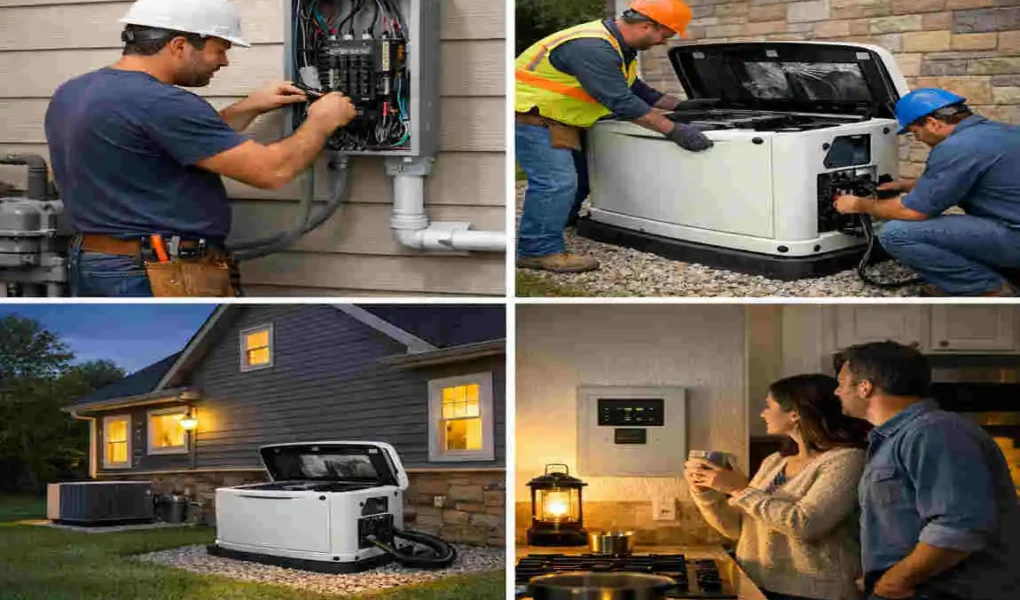
Power outages can happen at any time. A strong storm, a grid problem, or planned maintenance can leave your home in the dark. That is why installing a home generator is such a smart backup plan.
A generator helps keep your daily life running when electricity goes out. It can protect your food, support your work, and keep your family more comfortable and safe. If you want a simple way to prepare for outages, a backup generator is worth considering.
What Is a Home Backup Generator?
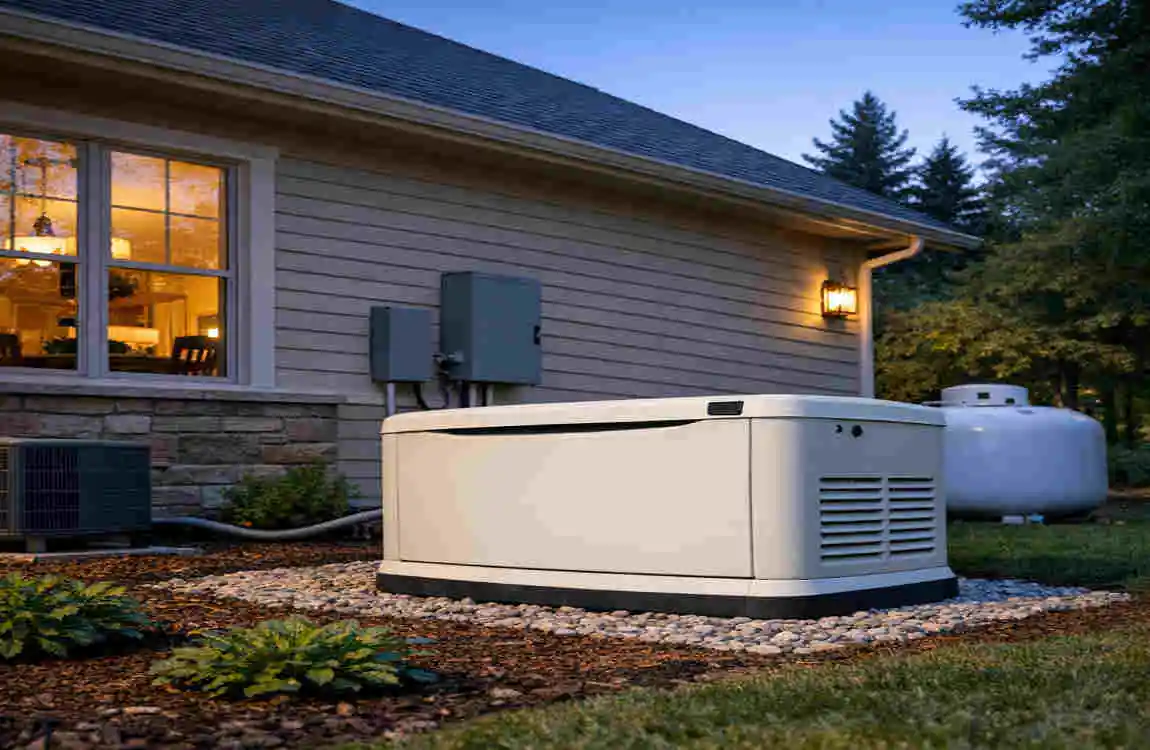
A home backup generator is a power source that helps your home during an outage. Some models start manually, while others turn on by themselves when the power fails.
You can use a generator to keep important systems working, such as:
- Refrigerator and freezer
- Lights and ceiling fans
- Heating and cooling systems
- Internet router and computers
- Medical equipment
- Security systems
The type and size of generator you choose will decide how much of your home it can power.
Types of Home Generators
Not every generator works the same way. Some are made for short outages, while others are built for full-home backup.
Generator Type Best For Fuel Source
Portable Generator Temporary backup Gasoline, propane
Standby Generator Whole-home backup Natural gas or propane
Inverter Generator Quiet, efficient power Gasoline
Portable Generators
Portable generators are a budget-friendly choice. They work well for short outages and can power a few key items.
They do need manual setup, so you must start them yourself and use them outdoors only. They are useful, but they are not the easiest option during long emergencies.
Standby Generators
Standby generators offer the most convenience. They are installed outside your home and connect to an automatic transfer switch.
When the power goes out, the generator starts on its own within seconds. This makes it a great choice if you want peace of mind and steady backup power.
Inverter Generators
Inverter generators are known for being quieter and more efficient. They produce cleaner power, which makes them a good fit for sensitive electronics like laptops, TVs, and gaming systems.
They are often smaller than standby models, but they can still be very helpful for emergency use.
Benefits of Home Generator Installation
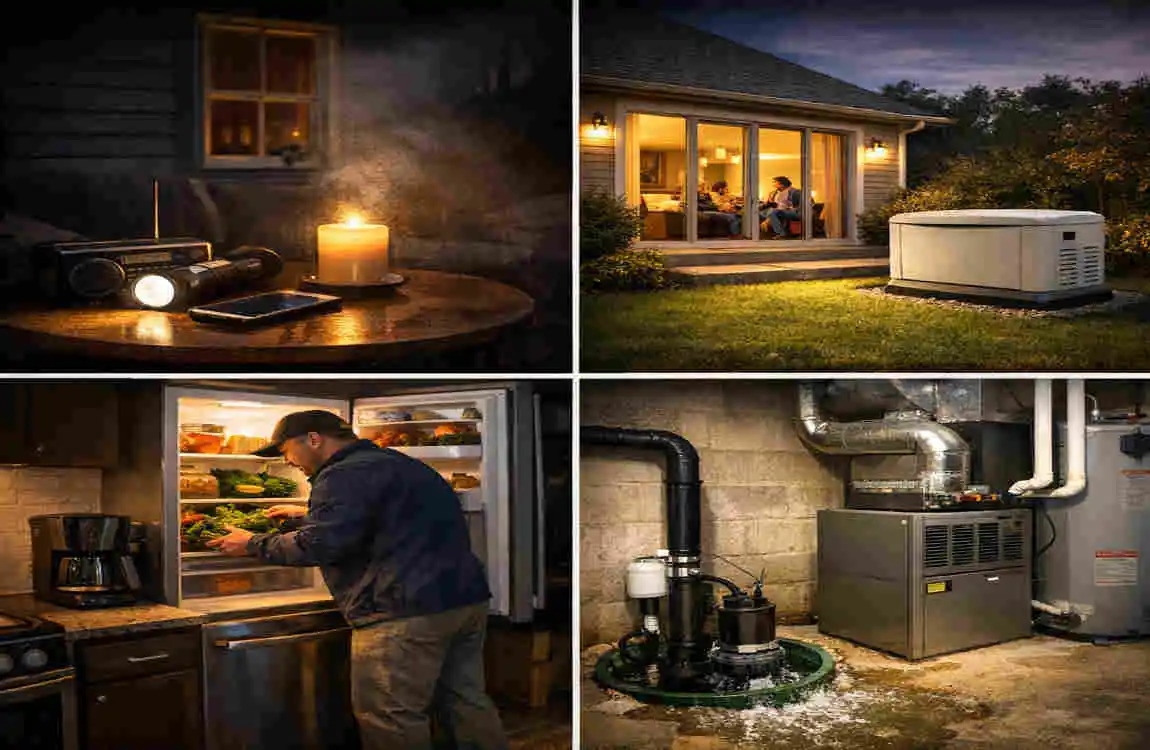
A backup generator offers more than just electricity. It gives you comfort, safety, and control during stressful outages.
Some key benefits include:
- Continuous power during blackouts
- Better home safety and comfort
- Food and appliance protection
- Support for remote work
- Higher home value
- More peace of mind during severe weather
If your area often loses power, these benefits can make a big difference in your daily life.
Home Generator Installation Process
A professional installation helps make sure the system works safely and correctly.
Assess Power Needs
An electrician will look at your home’s power use and figure out what size generator you need. This step matters because a generator that is too small may not run your key appliances.
Choose the Right Location
Generators must be placed outdoors. They should sit on a stable surface with enough space around them for airflow and safety.
Install the Transfer Switch
The transfer switch connects your generator to your home’s electrical panel. It also helps prevent dangerous backfeed into utility lines.
Connect the Fuel Source
Standby generators usually connect to natural gas or propane. Portable generators use fuel that you refill manually.
Test the System
After installation, the system is tested to make sure it starts, runs, and transfers power properly.
How to Choose the Right Backup Solution
Before you buy a generator, think about what you really need. A good choice depends on your home and your budget.
Consider these points:
- Home size
- Appliances you want to power
- Fuel availability
- Noise level
- Budget
- Run time
- Warranty and maintenance needs
If you only want backup for a few items, a portable generator may be enough. If you want full-home coverage, a standby unit is usually the better choice.
Estimated Installation Costs
Generator prices can vary a lot depending on size and type.
Generator Type Estimated Cost
Portable Generator $500–$2,000
Standby Generator $3,000–$10,000+
Professional Installation $1,500–$5,000
Note: Final cost depends on generator size, fuel type, permits, and local labor rates.
Generator Maintenance Tips
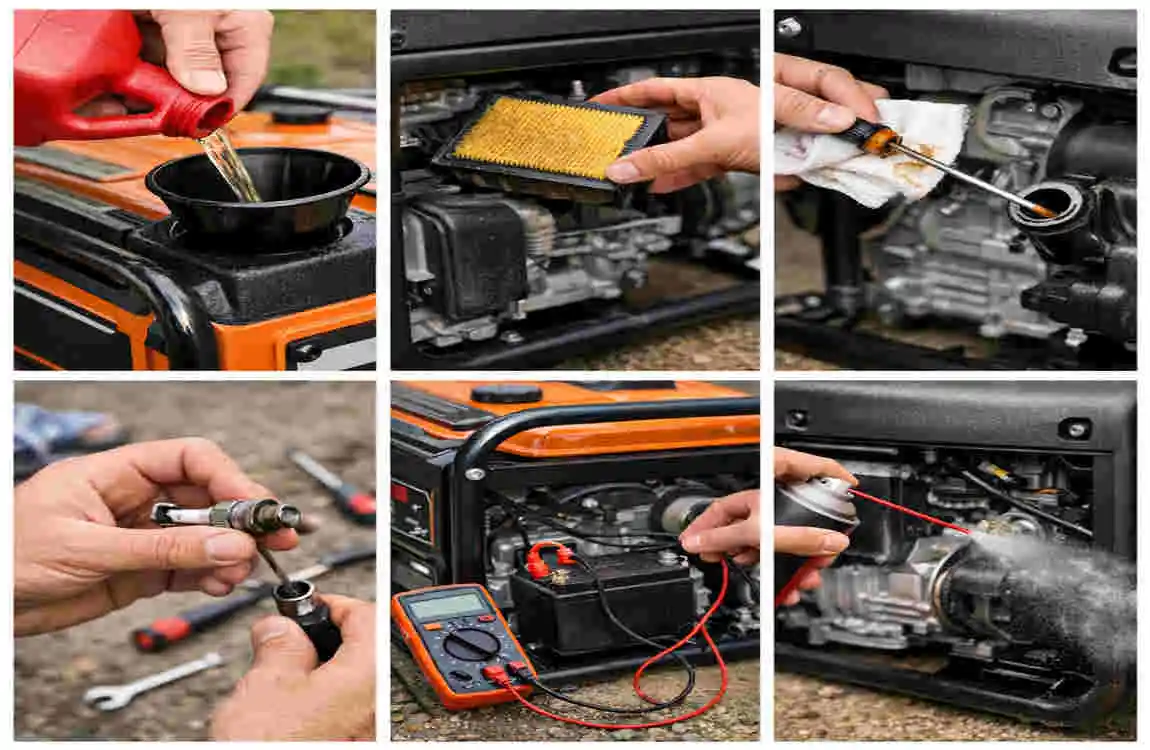
A generator should always be ready when you need it. Regular maintenance helps it stay reliable.
Keep these simple habits in mind:
- Test the generator once a month
- Change oil and filters on schedule
- Keep fuel fresh
- Check battery connections
- Clear debris around the unit
- Book yearly professional servicing
Small care steps now can help prevent big problems later.
Safety Tips You Should Always Follow
Generator safety is very important. A mistake can create danger, especially with fumes and electrical issues.
Keep these safety rules in mind:
- Never run portable generators indoors
- Keep them away from windows and vents
- Use carbon monoxide detectors
- Use heavy-duty outdoor cords when needed
- Do not overload the generator
These simple steps help protect your home and your family.
Is a Home Generator Worth It?
For many homeowners, the answer is yes. If your area faces frequent outages, a generator can make life much easier.
It helps keep your food fresh, your home safer, and your essential systems working. If you want the most convenience, a standby generator is the strongest option. If you want something more affordable, a portable generator may be enough.
Frequently Asked Questions
How much does home generator installation cost?
Professional installation usually costs between $1,500 and $5,000, not including the generator itself.
What size generator do I need?
That depends on what you want to power. Smaller homes may need 7–10 kW, while larger homes may need 20 kW or more.
Can I install a generator myself?
Portable generators are easier to set up, but licensed professionals should always install standby generators.
How long can a standby generator run?
If it uses natural gas, it can run for a long time as long as fuel is available. Propane systems depend on tank size.
Are standby generators automatic?
Yes. They detect outages and automatically restore power via a transfer switch.
| Topic | Details |
|---|---|
| Purpose | Provides backup electricity during power outages to keep essential appliances running. |
| Common Generator Types | Portable generators, standby generators, inverter generators, and whole-house generators. |
| Fuel Options | Natural gas, propane, diesel, gasoline, and dual-fuel models. |
| Best for Whole-Home Backup | Standby generators automatically restore power within seconds of an outage. |
| Portable Generator Use | Ideal for temporary backup during emergencies or outdoor activities. |
| Installation Requirements | Requires proper site selection, fuel connection, electrical wiring, and compliance with local building codes. |