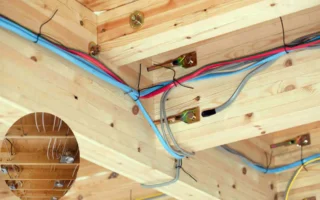
Let’s talk about something important: the electrical wiring in your home. It’s easy to forget, but keeping your wiring in good condition is crucial for your safety and that of your loved ones.
Understanding your insurance coverage before and after electrical damage is essential. It can save you from unexpected expenses and help you make informed decisions about your home’s electrical system.
Understanding Home Insurance and Electrical Wiring Coverage
What Does Typical Home Insurance Cover?
Let’s start with the basics. Most home insurance policies cover a wide range of risks and damages, but the specifics can vary from one policy to another. Generally, these policies are designed to protect you from sudden, accidental events that damage your property.
Types of Electrical Damage Usually Covered
When it comes to electrical wiring, insurance typically covers damages caused by certain events. For example, if a fire breaks out in your home and damages the wiring, your insurance is likely to cover the cost of repairs or even a complete rewiring if necessary. Similarly, if a storm causes a power surge that fries your wiring, that’s usually covered too.
Standard Exclusions to Watch Out For
However, there are some essential exclusions you need to be aware of. Most policies won’t cover damages caused by wear and tear or the gradual deterioration of your wiring. If your wiring is old and outdated, and it fails over time, that’s usually not covered. It’s considered a maintenance issue rather than a sudden event.
Real-Life Examples of Coverage
Let’s look at a couple of scenarios to make this more straightforward:
- Covered: A lightning strike hits your house, causing an electrical surge that damages your wiring. Your insurance would likely cover the cost of repairing or replacing the affected wiring.
- Not Covered: Your house is 50 years old, and the original wiring has been slowly deteriorating over the years. One day, it fails. In this case, your insurance probably won’t cover the cost of rewiring because it’s considered a maintenance issue due to age and wear.
As you can see, understanding the specifics of your policy is crucial. Always check your policy documents or talk to your insurance provider to know exactly what’s covered and what’s not.
What Does Insurance Cover Before Electrical Damage?
The Importance of Preemptive Inspections
Now, let’s talk about what insurance might cover before any damage occurs. One of the best things you can do for your home’s electrical system is to have it regularly inspected by a licensed professional. These inspections can help identify potential issues before they become significant problems.
Preventative Coverage and Optional Endorsements
Some insurance policies offer preventative coverage or optional endorsements that can help with the cost of these inspections. These endorsements cover the cost of a professional electrician coming to your home to inspect your wiring and ensure it is up to code.
How Insurance Companies Assess Risk
Insurance companies consider various factors when assessing the risk to your home’s electrical system. They think about the age of your wiring, the last time it was inspected or updated, and any prior claims related to electrical issues. If your wiring is old or shows signs of being faulty, your insurance company might consider your home a higher risk.
Tips for Reviewing Your Policy
When reviewing your insurance policy, pay close attention to the sections that discuss electrical systems. Look for any coverage limits or exclusions related to wiring. If you’re unsure about anything, don’t hesitate to reach out to your insurance provider for clarification. It’s better to ask questions now than to be surprised later if you need to file a claim.
What Does Insurance Cover After Electrical Damage?
Types of Electrical Damage Typically Covered
If your home experiences electrical damage, there are several types of damage that insurance typically covers. We mentioned fire and electrical surges earlier, but let’s go into more detail:
- Fire Damage: If a fire damages your wiring, your insurance should cover the cost of repairs or replacement.
- Electrical Surges: Power surges from storms or other causes can damage your wiring. This is usually covered by insurance.
- Water Damage: If water from a burst pipe or flood damages your electrical system, that’s typically covered as well.
The Insurance Claim Process
Filing a claim for electrical damage can seem daunting, but it’s a straightforward process if you know what to expect. Here’s a general overview:
- Contact Your Insurance Company: As soon as you notice the damage, call your insurance provider to report it.
- Document the Damage: Take photos and videos of the affected areas, and make a list of any damaged items.
- Meet with an Adjuster: An insurance adjuster will come to your home to assess the damage and determine the cost of repairs.
- Get Repair Estimates: You’ll need to get estimates from licensed electricians for the cost of repairs or rewiring.
- Submit Your Claim: Once you have all the necessary documentation, submit your claim to your insurance company.
Documentation and Evidence
When filing a claim, the more documentation you can provide, the better. Keep records of any professional inspections, repair receipts, and photos of the damage. This will help your insurance company process your claim more quickly and accurately.
What’s Covered: Full Rewiring vs. Specific Circuit Repairs
Depending on the extent of the damage, your insurance covers a complete home rewiring or the repair of specific circuits. If the damage is widespread, a complete rewiring might be necessary to ensure your home is safe. In other cases, repairing just the affected circuits might be sufficient.
Potential Out-of-Pocket Costs
Even if your insurance covers most of the costs, you might still have to pay a deductible or other out-of-pocket expenses. It’s important to understand these potential costs before starting the repair process. Talk to your insurance provider about what you’ll be responsible for paying.
When Insurance Will Not Cover Rewiring Costs
Wear and Tear: The Big Exclusion
As we mentioned earlier, one of the most significant exclusions in electrical wiring is wear and tear. If your wiring fails due to age and gradual deterioration, that’s usually not covered by insurance. This is considered a maintenance issue that homeowners are responsible for.
Maintenance vs. Accidental Damage
It’s essential to understand the difference between maintenance and accidental damage. If you neglect to maintain your electrical system and it fails, that’s not covered. However, if a sudden event, such as a fire or power surge, causes damage, that’s usually covered.
Homeowner Responsibilities
As a homeowner, it’s your responsibility to keep your electrical system in good working order. This means conducting regular inspections, making necessary repairs, and updating your wiring if it’s outdated. Neglecting these responsibilities can lead to denied insurance claims.
Policy Type and Local Regulations
The type of insurance policy you have and local regulations can also impact your coverage. Some policies offer more comprehensive coverage than others, so it’s essential to choose a policy that meets your needs. Additionally, local building codes and electrical safety regulations can affect what’s covered and what’s not.
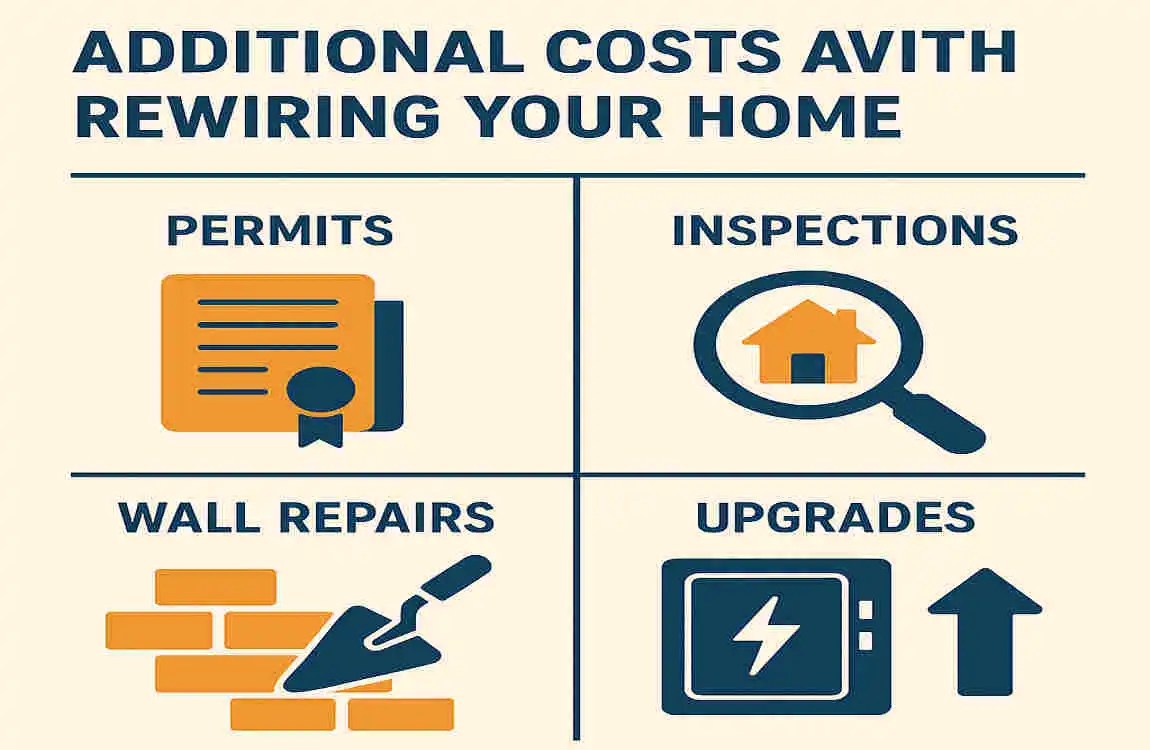
Additional Costs Associated with Rewiring Your Home
Beyond Wiring: Upgrades and Compliance
Rewiring your home isn’t just about replacing the wires. There are often additional costs associated with upgrading other components of your electrical system. This might include:
- Outlets and Switches: Upgrading to modern, safer outlets and switches.
- Circuit Breakers and Safety Switches: Replacing old circuit breakers with new ones that offer better protection.
- Compliance with Local Codes: Ensuring your electrical system meets local safety standards and codes.
Permits and Inspections
Depending on where you live, you might need to obtain permits and have your electrical work inspected by local authorities. These costs can add up, so it’s important to factor them into your budget when planning a rewiring project.
Hiring Licensed Electricians
It’s crucial to hire licensed, experienced electricians for any rewiring work. While this might be more expensive than hiring unlicensed workers, it’s worth it for the peace of mind and safety it provides. Licensed electricians can also provide you with compliance certificates, which you might need for insurance purposes.
Optional Insurance Coverages and Endorsements for Electrical Systems
Overview of Optional Coverages
Some insurance companies offer optional coverages or endorsements that can provide additional protection for your electrical system. These might include:
- Preventative Maintenance Coverage: This can help cover the cost of regular inspections and maintenance.
- Upgrades and Improvements: Some policies cover upgrading your electrical system to meet modern standards.
- Extended Coverage for Old Wiring: If your home has old wiring, you might be able to get extended coverage to help with the cost of repairs or replacement.
Benefits and Costs
Adding these optional coverages can provide valuable peace of mind, but they do come at an additional cost. The benefits include better protection for your home and lower out-of-pocket costs if you need repairs or upgrades. However, the added cost of these endorsements might not be worth it for everyone, so it’s essential to weigh the pros and cons.
Shopping for the Right Policy
When shopping for an insurance policy, look for one that offers the coverage you need for your electrical system. Compare different policies and ask about any optional coverages or endorsements that might be available. Don’t be afraid to shop around and negotiate with insurance providers to get the best coverage at the best price.
Tips to Protect Your Home Electrical System and Insurance Interests
Regular Electrical Inspections
One of the best ways to protect your home’s electrical system is to have it regularly inspected by a licensed professional. These inspections can identify potential issues before they become major problems, saving you money and keeping your home safe.
Proactive Upgrades
If your wiring is old or outdated, consider upgrading it proactively. This can reduce the risk of electrical fires and other hazards and help avoid claim denials if your wiring fails due to age.
Documenting Upgrades and Repairs
Keep detailed records of any upgrades or repairs you make to your electrical system. This documentation can be invaluable if you need to file an insurance claim in the future. It shows that you’ve been proactive about maintaining your home’s safety.
Staying Informed About Your Policy
Insurance policies can change over time, so it’s essential to stay informed about your coverage. Review your policy regularly and ask your insurance provider about any changes or updates. If you’re unsure about anything, don’t hesitate to ask questions.