A door does far more than let you walk in and out of a room. It protects your family, keeps the weather at bay, and gives your home its first impression. When a door begins to wear out, it can raise energy bills, lower security, and hurt curb appeal. So, when should doors be replaced? The answer isn’t a single date; it’s a mix of visible signs, the door’s age, and how well it still performs for you. In the pages that follow, we’ll walk you through every clue, decision point, and option you need to keep your home safe, comfortable, and looking its best.
When Should Doors Be Replaced?
Common Signs It’s Time for a New Door
You don’t need to be a contractor to notice when a door is asking for help. Keep an eye out for these everyday warning signs:
- Visible cracks or warping – A warped frame or cracked panel can’t seal properly, letting drafts and intruders slip through.
- Rot or water damage – If you see soft, brown spots on wood, water has already started to eat away at the structure.
- Rust or corrosion (metal doors) – Rust weakens steel and makes the door look shabby.
- Broken frames – A split or shattered frame is a serious security risk.
- Loose hinges – When hinges creak, or the door hangs unevenly, it’s a sign the hardware is failing.
- Doors that won’t close properly – Gaps, slamming, or a door that sticks are symptoms of deeper problems.
When any of these issues appear, start asking yourself, “When should doors be replaced?” The answer often leans toward replacement, especially if the problem is more than cosmetic.
Average Lifespan of Different Door Types
Not all doors age the same way. Here’s a quick reference to help you gauge how long you might expect your current door to last.
Door Type Average Lifespan
Wood Door 20–30 Years
Steel Door 30+ Years
Fiberglass Door 30–50 Years
Interior Door 30+ Years
Sliding Patio Door 20–30 Years
If your door is approaching the upper end of its typical lifespan and you’re seeing the signs above, it’s a strong hint that a replacement is the smarter move.
Top Reasons to Replace Old Doors
Improve Home Security
- Stronger materials – Modern doors use reinforced cores and impact‑resistant panels that are far tougher than older wood models.
- Better locking systems – Multi‑point locks, deadbolts, and smart‑lock compatibility give you more control over who can enter.
- Smart lock compatibility – A new door can integrate with your home’s Wi‑Fi, letting you lock and unlock from a phone, tablet, or voice‑assistant.
Increase Energy Efficiency
- Better insulation – New doors come with high‑R‑value cores that keep heat inside during winter and out during summer.
- Lower heating and cooling costs – When a door stops letting drafts in, your thermostat doesn’t have to work as hard.
- Weather‑resistant seals – Updated weatherstripping eliminates the sneaky leaks that raise utility bills.
Enhance Home Appearance
- Modern styles – From sleek contemporary frames to rustic reclaimed wood, a new door gives your home a fresh visual style.
- Better curb appeal – A striking front door boosts first‑impression value and can influence a buyer’s perception.
- Increased property value – Real estate surveys consistently show that a quality front door adds 3‑5% to a home’s resale price.
Reduce Outside Noise
- Improved sound insulation – Thicker cores and tighter seals block street traffic, lawn mowers, and neighbor chatter.
- More comfortable indoor environment – Less noise means a calmer home, especially for those who work from home or have sleeping children.
Warning Signs You Should Never Ignore
Drafts Around the Door
If you feel a cold breeze even when the door is shut, the seal isn’t doing its job. Drafts can increase heating costs and make rooms uncomfortable.
Water Leaks
Water pooling on the floor or damp spots near the door frame signal that water is entering the home. Over time, this can cause rot, mold, and structural damage.
Pest Damage
Termites, carpenter ants, and even rodents love to gnaw at soft wood or pry open compromised frames. A few chewed edges can become an invitation for more serious infestations.
Mold Growth
Mold on or around a door indicates excess moisture—often the result of a failing seal or water intrusion. Mold not only damages the door but also poses health risks.
Difficulty Opening or Closing
A door that sticks, swings unevenly, or refuses to latch is more than a nuisance; it’s a safety hazard that can trap occupants or leave the home unprotected.
Repair or Replace? How to Decide
When Repairs Are Enough
Sometimes a simple fix is all you need. Consider repairing if:
- Minor scratches – A sanding and repaint can make the door look new again.
- Loose hardware – Tightening screws, adjusting hinges, or swapping out a knob can restore function.
- Paint damage – Touch‑up painting refreshes appearance without a full replacement.
If the problem is purely cosmetic and the door’s structure and insulation are still solid, a repair saves you money and effort.
When Replacement Is the Better Choice
Replace the door when you encounter any of these red flags:
- Structural damage – Cracks, severe warping, or broken frames compromise safety.
- Severe warping – Warped doors won’t close tightly, creating drafts and security gaps.
- Frequent repairs – If you’ve been fixing the same door for years, the cumulative cost may exceed a new door’s price.
- Security concerns – Out‑dated locks or a flimsy material puts your home at risk.
When the door’s core function—security, insulation, and durability—is compromised, replacement is the most sensible path.
Best Time of Year to Replace Doors
While you can replace a door any day, certain seasons make the job easier and more cost‑effective.
Spring
- Mild weather – Comfortable temperatures let contractors work without extreme heat or cold.
- Prep for summer – Replacing before the hottest months means you’ll enjoy cooler indoor temps right away.
Summer
- Long daylight hours – More daylight reduces the need for artificial lighting on the job site.
- Quick drying – Paint and sealants cure faster in warm, dry conditions.
Fall
- Cooler temps – Perfect for installing insulated doors before winter sets in.
- Lower contractor demand – Many contractors have lighter schedules, which can mean better pricing.
Winter (Emergency Replacements)
- Urgent security or water issues – If a door is compromised during a freeze, repair may be impossible, making a quick replacement essential.
- Potential for deals – Some suppliers offer off‑season discounts to keep business moving.
Choosing the Right Replacement Door
Your door should match both your home’s style and your functional needs. Below is a quick guide to the most common door families.
Wood Doors
- Pros – Classic aesthetic, can be stained or painted to any finish, excellent sound insulation.
- Cons – Requires regular maintenance, vulnerable to rot in humid climates.
Steel Doors
- Pros – Strong, impact‑resistant, affordable, great for security.
- Cons – Can dent, may rust if the protective coating is damaged.
Fiberglass Doors
- Pros – Extremely durable, mimics wood grain without the upkeep, excellent insulation.
- Cons – Higher upfront cost, limited color options compared to paintable wood.
Glass Doors
- Pros – Provides natural light, modern look, can be energy‑efficient with double‑glazed panels.
- Cons – Higher risk of breakage, may need extra security measures.
Composite Doors
- Pros – Combines the look of wood with the low‑maintenance benefits of synthetic materials, good insulation.
- Cons – Can be pricier than steel or basic wood options.
Choosing the right material involves balancing your budget, climate, and aesthetic preferences.
Cost of Door Replacement
Factors Affecting Cost
Factor How It Impacts Price
Material Premium woods and fiberglass cost more than steel or basic wood.
Door size Larger doors (e.g., double‑entry or sliding patio) need more material and labor.
Labor Professional installation ensures proper fit and warranty protection.
Hardware High‑security locks, smart‑lock kits, and decorative hardware add to the total.
Custom designs Custom panels, glass inserts, or decorative milling raise costs.
Estimated Costs
Door Type Estimated Cost
Interior Door $150–$700
Steel Entry Door $400–$2,000
Fiberglass Door $500–$3,500
Solid Wood Door $800–$5,000
Sliding Patio Door $800–$4,000
These ranges give you a ballpark idea, but exact pricing will depend on local labor rates, the brand you choose, and any extra features you add.
Benefits of Replacing Old Doors
- Better security – Modern doors are engineered to resist forced entry.
- Improved insulation – Higher R‑values keep your home comfortable year‑round.
- Increased home value – A fresh, high‑quality door is an attractive selling point.
- Lower maintenance – New materials need less frequent repairs or repainting.
- Better appearance – Updated styles refresh the look of any room or façade.
- Enhanced comfort – Reduced drafts and noise make daily life more pleasant.
Door Maintenance Tips to Extend Lifespan
Even the best doors need a bit of love. Follow these simple steps to keep them performing for decades:
- Clean regularly – Wipe down frames and panels with a mild cleanser to remove dirt and mildew.
- Lubricate hinges – A few drops of silicone spray keep the door swinging smoothly.
- Inspect weatherstripping – Replace worn seals to maintain energy efficiency.
- Repaint or refinish wood doors – A fresh coat protects against rot and UV damage.
- Check locks annually – Test the keyway and deadbolt; replace batteries in electronic locks.
- Seal small cracks early – Use caulk or wood filler before cracks spread and cause structural issues.
By staying proactive, you’ll get the most mileage out of any door you install.
Common Door Replacement Mistakes
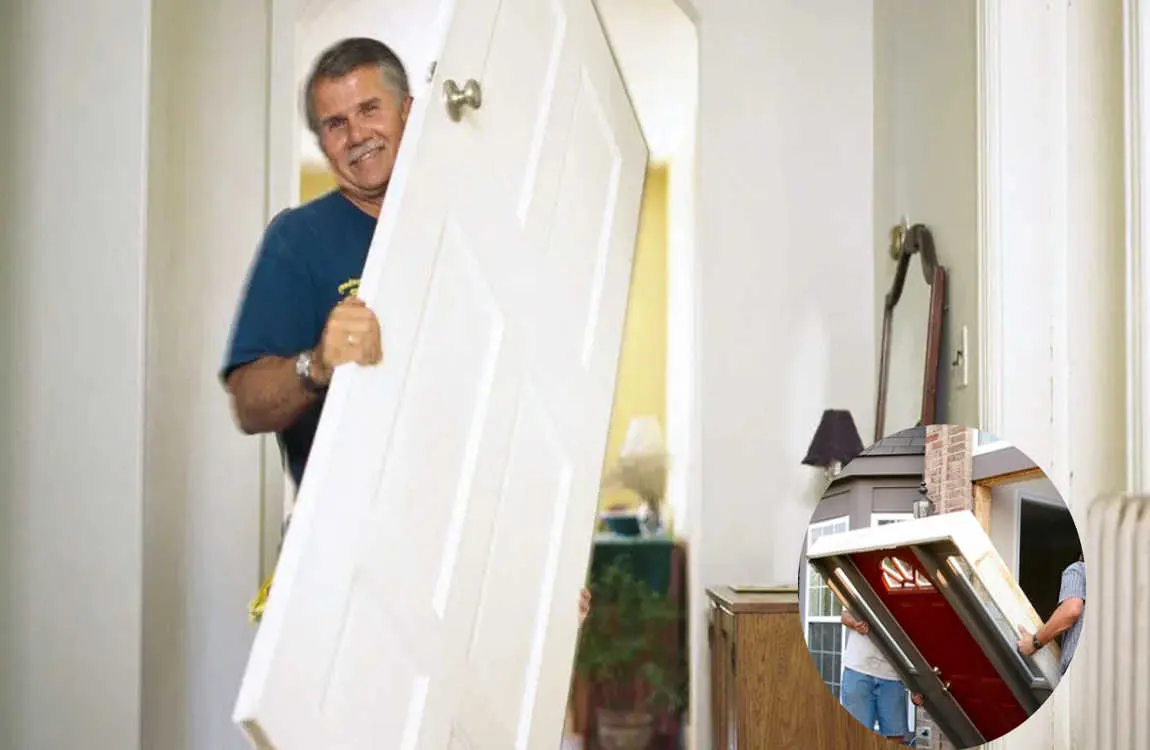
Avoid these pitfalls to ensure a smooth, lasting installation:
- Choosing the wrong size – A door that’s too small or too large leaves gaps and defeats security.
- Ignoring frame damage – Replacing only the slab while the frame is rotted leads to recurring problems.
- Buying low‑quality materials – Cheap doors may look good initially but fail quickly under weather stress.
- Poor installation – Misaligned hinges or improper sealing can cause drafts, noise, and premature wear.
- Forgetting insulation – Skipping the installation of an insulated core or weatherstripping wastes energy‑saving potential.
Crossing these off your checklist will help you enjoy a door that truly lasts.
Frequently Asked Questions (FAQ)
When should doors be replaced?
Doors should be replaced when they show signs of warping, rot, structural damage, poor insulation, or no longer provide adequate security.
How long do front doors usually last?
Most front doors last between 20 and 50 years, depending on material, maintenance, and climate.
Is it better to repair or replace an old door?
Minor cosmetic issues can often be repaired, but severe damage, poor energy efficiency, or security concerns usually make replacement the better option.
Does replacing a front door increase home value?
Yes. A new front door improves curb appeal, energy efficiency, and security, which can increase a home’s resale value.
What is the most durable door material?
Fiberglass and steel doors are among the most durable options, offering excellent resistance to weather, dents, and wear.
How much does it cost to replace a door?
Door replacement costs typically range from $150 to $5,000, depending on the door type, material, customization, and installation requirements.
| Topic | Information |
|---|---|
| Purpose | Helps homeowners identify the right time to replace old or damaged doors. |
| Average Lifespan | Exterior doors typically last 20–30 years, while interior doors can last 30 years or more with proper care. |
| Signs You Need a New Door | Cracks, warping, drafts, water damage, rot, difficult operation, broken locks, or outdated appearance. |
| Best Time to Replace | Spring and fall offer mild weather, making installation easier and more energy-efficient. |
| Benefits of Replacement | Improved security, better insulation, lower energy bills, enhanced curb appeal, and increased home value. |
| Common Door Materials | Wood, fiberglass, steel, aluminum, and composite. |
| Replacement Cost | Interior doors: $150–$800; Exterior doors: $500–$5,000+, depending on material and installation. |
| Can You Repair Instead? | Minor scratches, loose hinges, or worn weatherstripping can often be repaired. Severe structural damage usually requires replacement. |
| Energy Efficiency | Modern insulated doors help reduce heat loss and improve indoor comfort. |
| Maintenance Tips | Clean regularly, repaint or refinish when needed, lubricate hinges, inspect seals, and repair minor damage promptly. |