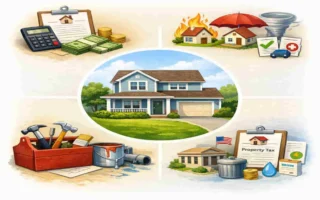
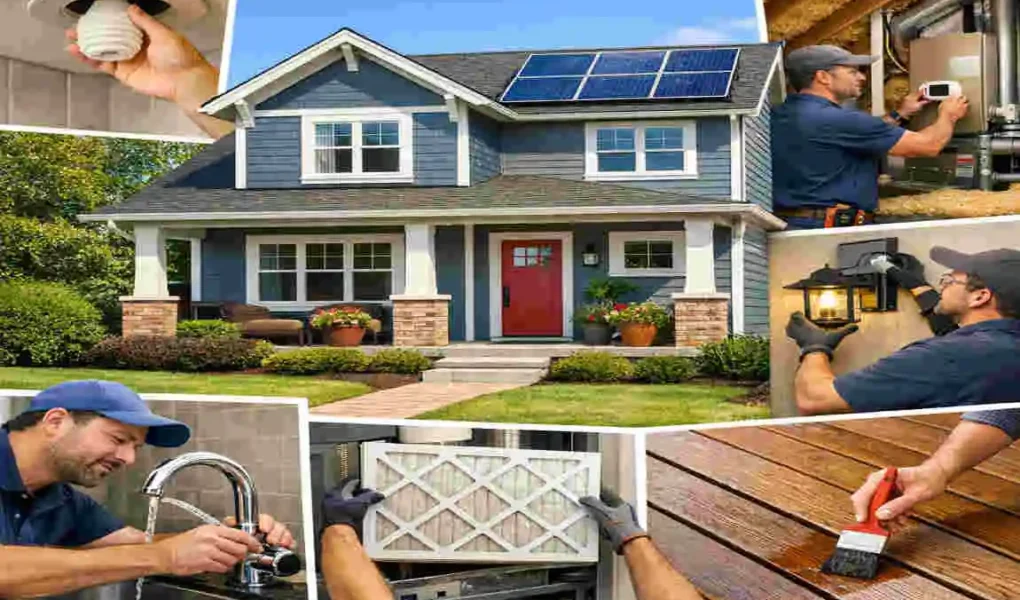
A home is more than a place to sleep. It is where daily life happens, where your family feels safe, and where small problems can quietly grow if nobody handles them on time. That is why The Well-Cared-For Home is such an important idea.
A well-maintained home does not just look good. It stays stronger, works better, and usually costs less to fix over time. When you keep up with regular care and choose smart upgrades, you protect your comfort and your property value at the same time.
What Makes a Well-Cared-For Home?
Regular Maintenance and Preventive Care
A well-cared-for home starts with regular attention. That means checking systems before they fail and fixing small issues before they become expensive ones.
For example, a tiny roof leak may not look serious at first. But if you ignore it, water can spread into walls, insulation, and ceilings. The same is true for plumbing, heating, cooling, and electrical systems.
Preventive care also means building simple routines. You do not need to inspect every part of the house every day. Instead, use monthly, seasonal, and yearly checks so nothing important gets missed.
Cleanliness and Organization
Clean homes are easier to maintain. When rooms stay organized, you can spot damage faster and keep surfaces in better condition.
Clutter often hides problems. A box in the corner might cover a damp spot on the wall. A crowded garage may hide a leak near the floor. A clear, tidy space helps you notice things early.
Cleanliness also protects your home materials. Dust, grease, moisture, and clutter can wear down floors, furniture, fixtures, and appliances over time. When you stay on top of cleaning, your home stays fresher and lasts longer.
Safe and Comfortable Living Spaces
The well-cared-for home should also feel safe and comfortable. Good lighting, proper ventilation, and secure entry points all matter.
When air moves well through the home, it helps reduce moisture and stale smells. When lighting is bright and useful, rooms feel more inviting. When doors, locks, and smoke alarms work properly, your family feels more secure.
Comfort is not just about style. It is about making the home easier to live in every day.
Essential Home Maintenance Tasks Every Homeowner Should Follow
Inspect Your Roof and Gutters
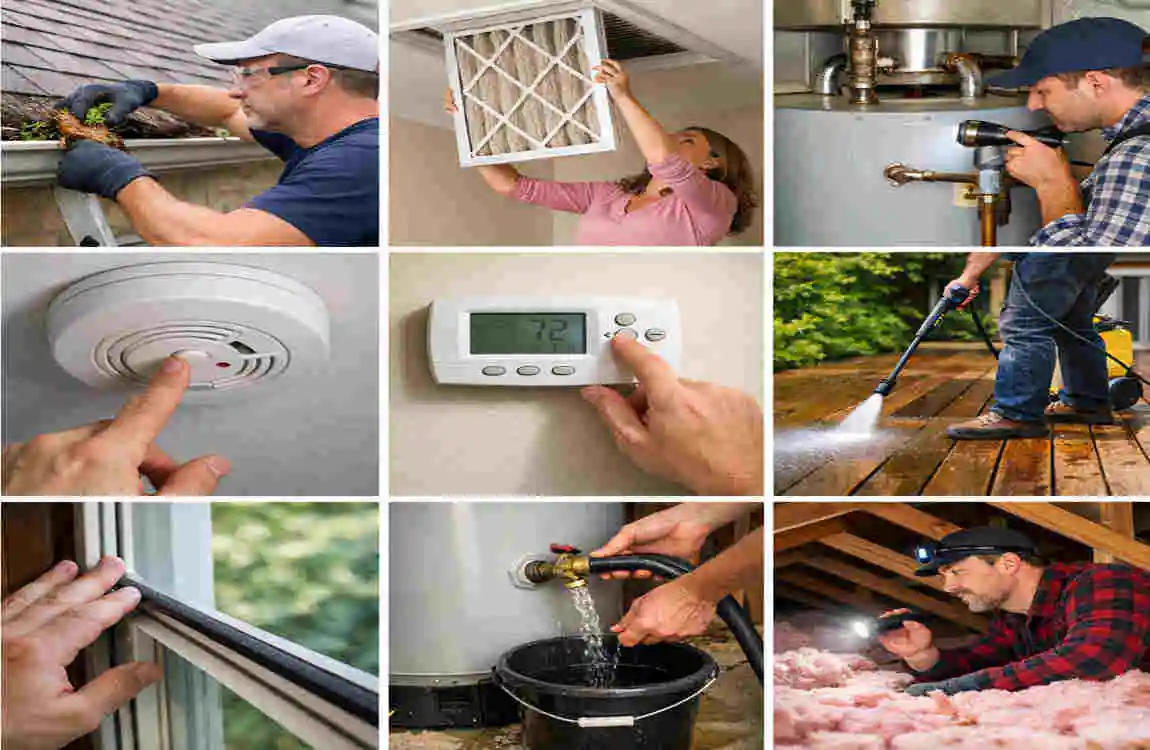
Your roof is one of the most important parts of the modern house. It protects everything below it, so it needs regular care.
Check your roof for missing shingles, cracks, soft spots, or signs of water stains inside the house. Even small damage can let moisture in.
Gutters matter too. When gutters clog with leaves and debris, water can overflow and damage walls, siding, and the foundation. Cleaning them regularly helps water flow away from the home the way it should.
Maintain Plumbing Systems
Plumbing problems often start small. A drip under the sink, a slow drain, or a small leak behind a wall can turn into a much bigger issue if ignored.
Walk through your home and look for wet spots, rust, loose pipes, or water stains. Pay attention to bathrooms, kitchens, laundry rooms, and basements.
Drains should also stay clear. If water moves slowly or strange smells come from the sink, it may be time to clean or inspect the line before a clog gets worse.
Service Heating and Cooling Systems
Your HVAC system does a lot of work, so it needs regular attention. When it runs efficiently, your home feels better, and your energy bills stay lower.
One of the simplest tasks is replacing air filters on schedule. Dirty filters make the system work harder and can lower air quality.
It also helps to schedule professional inspections. A technician can catch issues before they become major repairs. This is especially useful before the hottest and coldest parts of the year.
Check Electrical Systems
Electrical safety should never be treated lightly. Old wiring, damaged outlets, and overloaded circuits can create serious risks.
Look for flickering lights, warm outlets, or switches that stop working properly. These may be signs that something needs attention.
If your good home has older fixtures or panels, it may be time to update them. Safer, newer parts can improve performance and reduce fire risk.
Smart Home Upgrades That Add Value
Upgrade Energy-Efficient Features
Energy-saving upgrades can make your home more comfortable and more affordable to run. They also appeal to buyers by promising lower utility bills.
A few smart improvements include:
- LED lighting
- Better insulation
- Energy-saving appliances
LED bulbs last longer and use less electricity. Better insulation keeps indoor temperatures more stable. Efficient appliances reduce waste and support a more modern home.
These changes may seem small, but they often make a real difference over time.
Modernize Your Kitchen and Bathroom
Kitchens and bathrooms are two of the most watched areas in any home. If they look old or worn, people notice quickly.
You do not always need a full remodel. New cabinet hardware, fresh fixtures, improved storage, and better lighting can update the space without a huge cost.
In bathrooms, simple upgrades like new faucets, clean tile, and modern mirrors can make the room feel fresher right away. In kitchens, better storage and clean surfaces often matter more than flashy design.
Improve Outdoor Areas
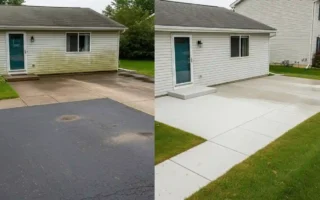
The outside of your home matters just as much as the inside. A neat yard, clean walkway, and well-kept patio all improve curb appeal.
Landscaping does not have to be expensive. Trimming plants, removing weeds, and keeping outdoor spaces tidy can already make a big difference.
If you have a patio or walkway, keep it in good shape. Cracks, loose stones, and dirty surfaces can make the property feel less cared for. A few repairs can improve both appearance and safety.
How to Create a Home Maintenance Schedule
Monthly Maintenance Checklist
A monthly routine helps you stay in control without feeling overwhelmed. You do not need to spend all day on it. A short checklist is enough.
Each month, you can:
- Clean filters
- Inspect plumbing fixtures
- Check appliances
You can also test smoke alarms, look for leaks, and make sure doors and windows still close properly. These small habits help you catch problems early.
Seasonal Home Care
Seasonal tasks keep your luxury home ready for changing weather. Each season brings different needs, so it helps to plan.
Spring
Spring is a good time to look for damage from winter. Check the roof, siding, gutters, and outdoor areas. Clean up debris and repair anything that was affected by cold or storms.
Summer
Summer is the right season to focus on cooling systems and outdoor plumbing. Make sure air conditioning is working well and that outdoor hoses, spigots, and drains are in good condition.
Fall
Fall is the time to prepare for colder weather. Clean gutters, inspect heating systems, and seal drafts before winter arrives. A little effort now can save a lot later.
Winter
Winter care is mostly about protection. Keep pipes insulated, watch for drafts, and make sure your heating system is working properly. This helps prevent cold-weather damage.
Annual Home Inspections
Once a year, it is smart to schedule a more detailed inspection of major home systems. This can help uncover hidden issues you may not notice during regular cleaning.
A professional inspection often covers the roof, HVAC, plumbing, and electrical systems. It may also reveal wear in areas like the foundation, attic, or insulation.
This kind of review gives you a clear picture of what needs attention before small issues become big repairs.
Budget-Friendly Ways to Maintain The Well-Cared-For Home
Prioritize Important Repairs
When money is tight, focus on the repairs that matter most. Safety issues should come first, followed by damage that could get worse over time.
A small crack in paint can wait. A leaking pipe or damaged outlet cannot.
This kind of priority thinking helps you spend money where it matters most and keeps the home protected.
DIY Maintenance Tips
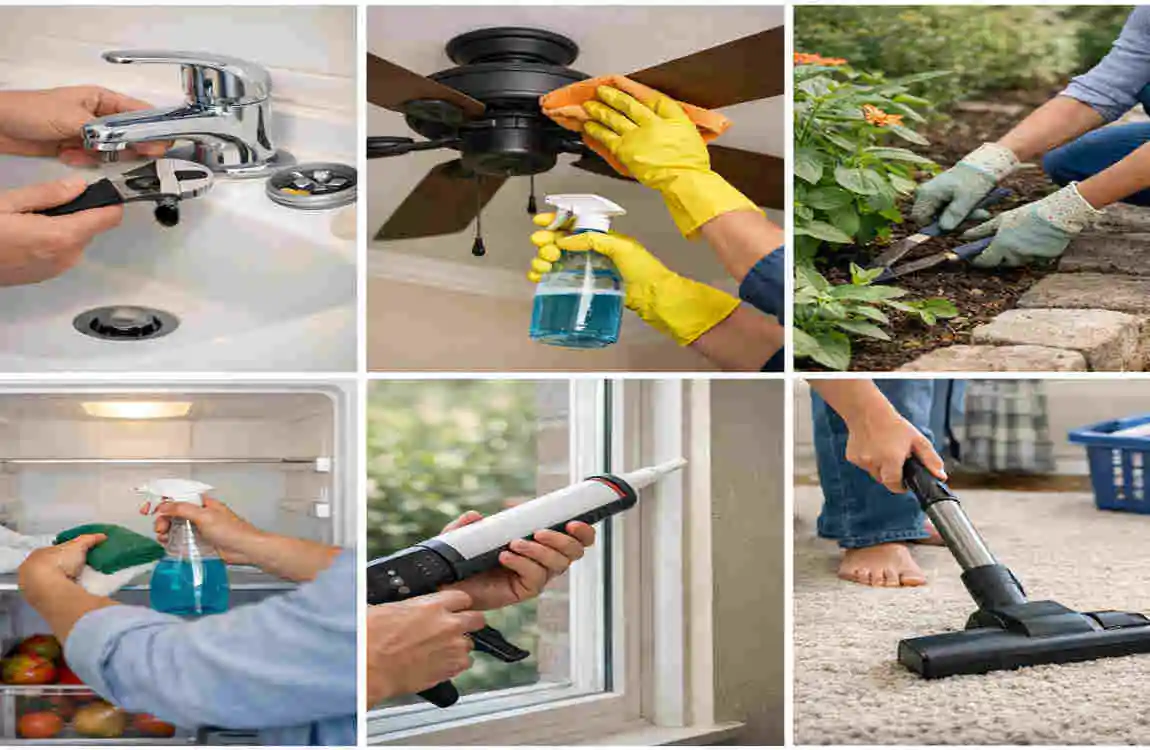
You can handle many home tasks yourself without special training. Simple jobs are a great way to save money while keeping the home in good shape.
Some useful DIY tasks include:
- Basic cleaning routines
- Touch-up painting
- Replacing air filters
- Tightening loose handles
- Fixing small cosmetic issues
These jobs may seem minor, but they help keep the whole house looking and working better.
Plan Upgrade Budgets
Upgrades are easier to manage when you plan for them in advance. Instead of waiting until something breaks, set aside money for future improvements.
This lets you choose better materials and better timing. You will also feel less pressure when it is time to make changes.
A home improvement fund can turn a stressful repair into a planned project.
Common Home Maintenance Mistakes to Avoid
Ignoring Small Problems
Small issues often grow into expensive ones. A tiny leak, loose shingle, or slow drain may not feel urgent, but waiting too long usually makes the repair harder and costlier.
This is one of the biggest mistakes homeowners make. They assume the problem can wait, and by the time they act, the damage has spread.
Skipping Regular Inspections
If you never check your home systems, you may not know something is wrong until it is obvious. By then, the repair may be much more difficult.
Regular inspections give you control. They help you stay ahead of trouble instead of reacting to it.
Choosing Cheap Repairs Over Quality Solutions
Low-cost fixes may save money at first, but they can create more problems later. A poor repair may break again quickly or damage nearby materials.
Quality work tends to last longer and better protect the home. That usually gives you better value in the long run.
Technology and Smart Solutions for Modern Home Care
Smart Home Monitoring Systems
Technology can make home care easier. Smart devices can watch for problems even when you are not home.
Helpful examples include:
- Leak detection sensors
- Smart thermostats
- Security cameras
Leak sensors can alert you when water appears in places it should not. Smart thermostats help manage heating and cooling more efficiently. Security cameras add another layer of protection.
Energy Monitoring Tools
Energy monitors can help you understand how much power your modern home uses and where energy is wasted. This makes it easier to make smart changes.
If a certain appliance uses too much electricity, you can spot it sooner. That means fewer surprises on your utility bill.
Automated Maintenance Reminders
It is easy to forget routine tasks when life gets busy. That is where apps and digital calendars help.
You can set reminders for filter changes, seasonal inspections, and cleaning tasks. This keeps your home care routine steady and simple.
How Proper Maintenance Protects Home Value
Improving Property Appeal
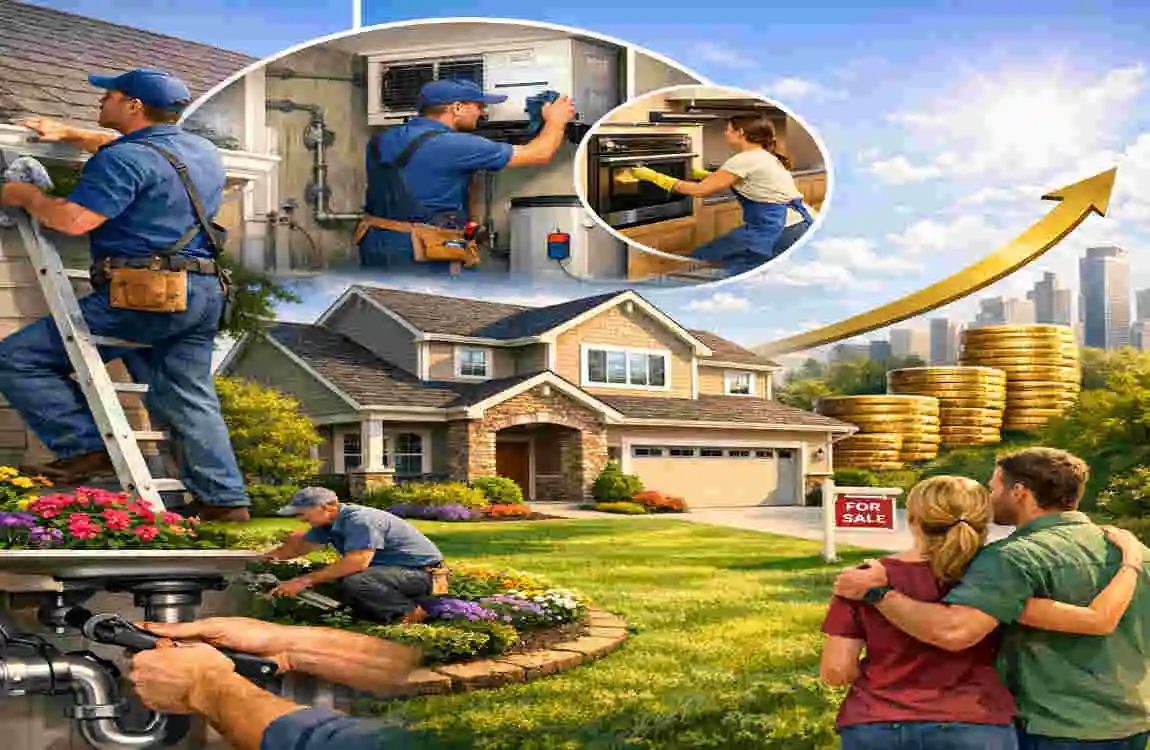
A well-kept home looks more attractive to buyers. Clean floors, working systems, and updated spaces create a strong first impression.
People are more likely to trust a home that looks cared for. Even simple maintenance can make the property feel more valuable.
Preventing Depreciation
Homes lose value faster when they are neglected. Damaged systems, worn surfaces, and visible problems all make the property less appealing.
Regular care slows that process. It helps preserve the home’s structure, appearance, and function.
Increasing Long-Term Investment Benefits
A cared-for home often costs less to own over time. You avoid major repairs, reduce surprise expenses, and improve resale potential.
That means home maintenance is not just about upkeep. It is also about protecting your investment.
Best Habits for Long-Term Home Care
Stay Consistent
The best home decor care habit is consistency. A few minutes each month can save you hours of stress later.
Fix Problems Early
If something looks wrong, do not ignore it. Acting early usually keeps the repair smaller and cheaper.
Keep Records
It helps to write down what you inspect, repair, or replace. This gives you a clearer picture of your home’s condition over time.
Think Ahead
Do not only ask what needs fixing now. Also ask what may need attention next season or next year. This mindset helps you stay prepared.
Frequently Asked Questions
What is a well-cared-for home?
A well-cared-for home is a property that receives regular maintenance, timely repairs, proper cleaning, and smart upgrades to maintain comfort, safety, and value.
How often should I perform home maintenance?
Basic checks should happen monthly, seasonal tasks should be done every few months, and major inspections should happen at least once a year.
What upgrades increase home value the most?
Kitchen improvements, bathroom updates, energy-efficient systems, landscaping, and smart home features often deliver strong value.
How can I maintain my home on a small budget?
Focus on preventive care, handle simple DIY tasks, make a repair priority list, and avoid delaying important fixes.
Why is regular home maintenance important?
Regular maintenance prevents expensive repairs, improves safety, increases efficiency, and helps preserve the home’s long-term value.
| Area | Smart Maintenance Tips | Benefits |
|---|---|---|
| Roof & Gutters | Clean gutters regularly, inspect for leaks, and repair damaged shingles quickly. | Prevents water damage and extends roof life. |
| Plumbing System | Check pipes for leaks, maintain drains, and fix small issues early. | Reduces costly repairs and protects your home structure. |
| Electrical System | Inspect wiring, update old outlets, and use energy-efficient lighting. | Improves safety and lowers energy costs. |
| HVAC System | Replace air filters, schedule routine servicing, and keep vents clean. | Enhances comfort and improves air quality. |
| Kitchen Upgrades | Refresh cabinets, upgrade appliances, and maintain countertops. | Adds value and improves daily functionality. |