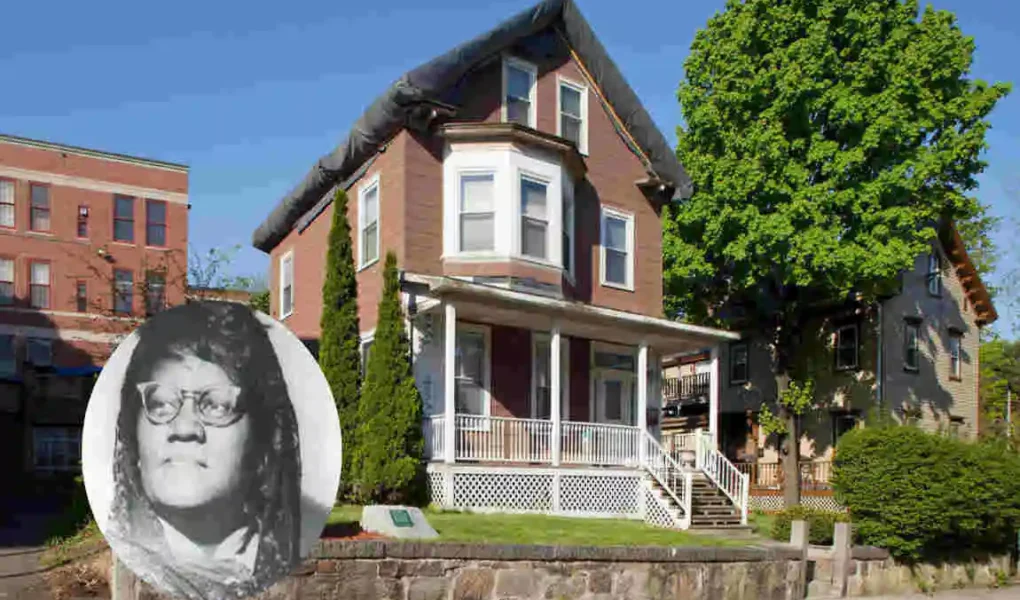
The Malcolm X Ella Little-Collins House in Boston is one of the most important surviving residences connected to Malcolm X’s formative years. Located at 72 Dale Street in Roxbury, Boston, Massachusetts, this home is far more than an old building. It reflects a powerful family story, a history of Black Boston, and the early life of a young man who would later become one of the most influential voices in American civil rights.
| Category | Malcolm X | Ella Little-Collins |
|---|---|---|
| Full/Birth Name | Malcolm Little; later el-Hajj Malik el-Shabazz | Ella Mae Little; later Ella Little-Collins |
| Born | May 19, 1925 | February 11, 1914 |
| Birthplace | Omaha, Nebraska, U.S. | Butler, Georgia, U.S. |
| Died | February 21, 1965 | August 3, 1996 |
| Age at Death | 39 | 82 |
| Cause of Death | Assassinated in New York City | Natural causes/health complications reported in obituaries |
| Relationship | Younger half-brother of Ella Little-Collins | Older half-sister and guardian of Malcolm X |
| Parents | Earl Little and Louise Little | Earl Little and Daisy Mason |
| Spouse | Betty Shabazz | Married; public sources commonly identify her as Ella Little-Collins |
| Children | Six daughters | One son, Rodnell Collins |
| Religion | Muslim; associated with the Nation of Islam and later Sunni Islam | Joined the Nation of Islam, later became a Sunni Muslim |
| Main Occupations | Minister, activist, public speaker, author, human-rights leader | Civil-rights activist, businesswoman, educator, community organizer |
| Major Organizations | Nation of Islam; Muslim Mosque, Inc.; Organization of Afro-American Unity | Nation of Islam; Organization of Afro-American Unity; educational and community initiatives |
| Estimated Net Worth | Not reliably documented | Not reliably documented |
| Known Financial Background | Earned income through religious leadership, speaking, writing, and activism; no verified modern net-worth estimate | Built financial independence through business and property investments; no verified net-worth estimate |
| Last Known Residence | New York City area before his assassination in 1965 | Boston, Massachusetts, where she died in 1996 |
| Historic Home Connection | Lived with Ella at 72 Dale Street, Roxbury, Boston, during his formative teenage years | Purchased and lived at the historic Malcolm X–Ella Little-Collins House |
| Burial/Final Resting Place | Ferncliff Cemetery, Hartsdale, New York | Buried in Boston; exact cemetery details should be verified before publication |
| Legacy | Influential Black nationalist, Muslim minister, civil-rights and human-rights leader | Activist, businesswoman, educator, guardian and major influence on Malcolm X |
| Current Status | Deceased | Deceased |
The Early History of the House Before Malcolm X
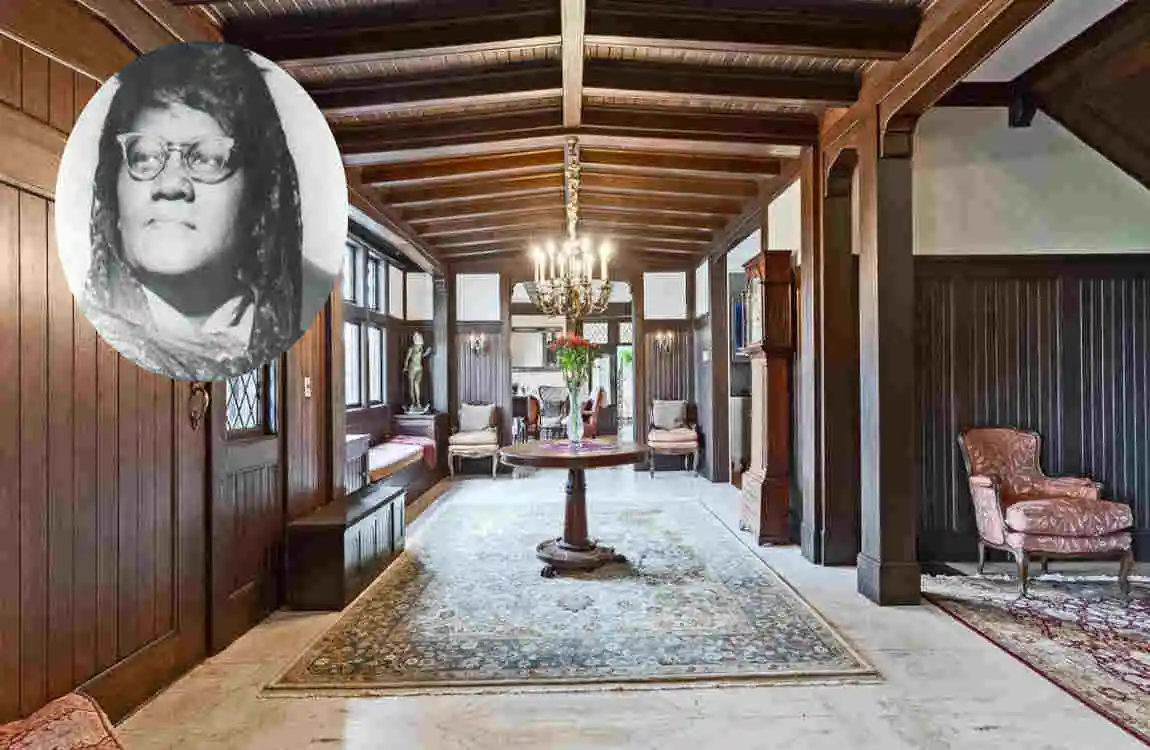
From a Former Estate to a Roxbury Residence
Before it was linked to Malcolm X, the land was part of the broader history of Roxbury’s development. It was once connected to the Abijah Seaver estate, and the surrounding area changed as Boston expanded in the nineteenth century.
The histroic house is generally associated with the late 1800s, when residential streets were growing to serve new communities. Early residents included English and Irish immigrants, and the neighborhood was shaped by industrial growth from mills, breweries, and factories.
This makes the home historically rich. Its story is not only about Malcolm X, but also about the many people and times that came before him.
Archaeological Significance
Archaeological work at the site has included:
- Ground-penetrating radar
- Shovel test pits
- Open excavations
- Ceramics and household artifacts
These findings suggest the property may hold traces of earlier activity beneath the visible house. That adds another layer to the story and helps historians understand how the land was used long before the home became famous.
Who Was Ella Little-Collins?
The Woman Behind the Historic Home
Ella Little-Collins was Malcolm X’s older sister, but her identity should never be reduced to that relationship alone. She was a civil rights activist, community leader, and strong Black woman who built her own place in history.
When Malcolm Little came to Boston as a teenager, Ella gave him more than shelter. She gave him a family setting, a new environment, and exposure to Black life in a major city. Her home became a place where Malcolm could begin to see the world differently.
Ella helped shape his thinking about independence, Black identity, education, and racial politics. Her influence mattered in his early life and continued to echo through his later journey.
Ella Little-Collins as a Historical Figure in Her Own Right
Ella’s legacy includes her activism, her family leadership, and her role in community life. She was part of the wider history of Black women who supported change through both public action and private strength.
Because of that, the dream home at 72 Dale Street belongs to both Malcolm X and Ella Little-Collins. It is not just a Malcolm X house. It is also a house of Ella’s legacy.
Malcolm Little’s Arrival in Boston and His Years at the House
Malcolm X’s Formative Years at 72 Dale Street
Malcolm Little was born in 1925. His early life was marked by family hardship, racial violence, and constant change. Boston gave him a different setting, one shaped by urban life and Black community culture.
| Category | Details |
|---|---|
| Official Name | Malcolm X–Ella Little-Collins House |
| Other Name | Ella Little-Collins House / Malcolm X House |
| Address | 72 Dale Street, Roxbury, Boston, Massachusetts, USA |
| ZIP Code | 02119 |
| Property Type | Historic private residential house |
| Construction Date | Generally associated with the late 19th century; official sources identify the house as built in 1874, while some historical documentation describes an earlier construction date. |
| Architectural Style | Late 19th-century residential architecture; the property retains elements associated with Queen Anne styling. |
| Architect/Builder | Historical records associate the house with William Rumnil; National Register materials identify the property within late-19th-century architectural history. |
| Construction Material | Wood-frame construction |
| Foundation | Roxbury puddingstone foundation |
| Roof Design | Gabled roof |
| Building Height | Approximately 2½ stories |
| Historic Exterior Features | Historic porch, wood-frame façade, gabled roof, historic windows and exterior elements |
| Interior Features | Historic period features remain, including areas connected to Malcolm X’s teenage living space |
| Malcolm X’s Living Area | Malcolm Little lived on the third floor, which included a bedroom, kitchenette, and den |
| Property Size | Approximately 7,068 square feet of land, according to preservation documentation |
| Historic Setting | Roxbury neighborhood, near the historic Nubian Square area and Malcolm X Park |
| Rear Property Feature | An Art Deco-era brick garage is located at the rear of the property |
| Original Historical Context | The property was part of land associated with the former country estate of Abijah Seaver |
| Development of Dale Street | Dale Street was laid out in the 19th century as the former estate was divided for development |
| Purchase Date | Ella Little-Johnson purchased the house in 1941 |
| Reported Purchase Price | $4,100 in 1941, according to preservation documentation |
| Purchaser | Ella Little-Johnson, later Ella Little-Collins |
| Malcolm X Connection | Malcolm Little moved into the home with his sister in 1941 and spent important formative teenage years there |
| Period Malcolm Lived There | Approximately 1941–1944 as his primary residence, with later visits to the family home |
| Family Connection | The house became an extended Little-Collins family residence |
| Ella Little-Collins Legacy | Civil-rights activist, community leader, and major influence on Malcolm X |
| Historical Significance | Connected to Malcolm X’s formative years, Ella Little-Collins’s activism, Black history, social history, and Roxbury’s development |
| Boston Landmark Status | Designated a Boston Landmark in 1998 |
| National Register Status | Listed on the National Register of Historic Places in 2021 |
| National Register ID | 100005455 |
| Areas of Significance | Black ethnic heritage, social history, and archaeology |
| Archaeological Investigation | A 2016 survey used ground-penetrating radar, shovel test pits, and larger excavations |
| Artifacts Recovered | Archaeologists recovered 18,207 artifacts during the survey |
| Current/Recent Condition | Preservation sources report long-term vacancy and deferred maintenance, with stabilization and restoration efforts needed |
| Current Ownership | The property has remained within the Collins family; preservation sources identify Malcolm X’s nephew Rodnell Collins as the owner |
| Estimated Current Market Value | Not publicly documented / no verified current appraisal found |
| Historic Value | Its cultural and historical importance is significant, but this should not be confused with a verified real-estate market valuation |
| Future Preservation Goals | Restoration, rehabilitation, preservation, and possible educational/community reuse |
| Public Access | Access may be limited because the property is a private historic residence and preservation project |
Living with Ella in Roxbury introduced him to a world that was very different from his earlier experiences. The neighborhood showed him Black neighborhoods, local institutions, racial inequality, and new ideas about pride and self-respect.
At 72 Dale Street, Malcolm was still becoming the person the world would later know as Malcolm X. The house helped support a teenage life that was still being formed.
How Boston Changed His View of the World
Boston exposed Malcolm to:
- Black urban culture
- Community institutions
- Religious and political ideas
- Social inequality
- A stronger sense of Black identity
This period matters because it came before his public fame. It was a time of learning, conflict, and growth. The house helped place him in a setting where his worldview could begin to change.
How Roxbury Influenced Malcolm X’s Development
The Neighborhood That Helped Shape Malcolm X
Roxbury was not just where Malcolm lived. It was part of the environment that helped shape his values and outlook. The neighborhood’s Black communities, local networks, and shared experiences gave him a new frame for understanding race and power.
Historians often focus on Malcolm X’s later speeches and public role. But the Malcolm X Ella Little-Collins House helps us look earlier, at the years before he became a national figure. Those years mattered deeply.
Roxbury gave him a place where identity, community, and political awareness could grow.
From Malcolm Little to Malcolm X
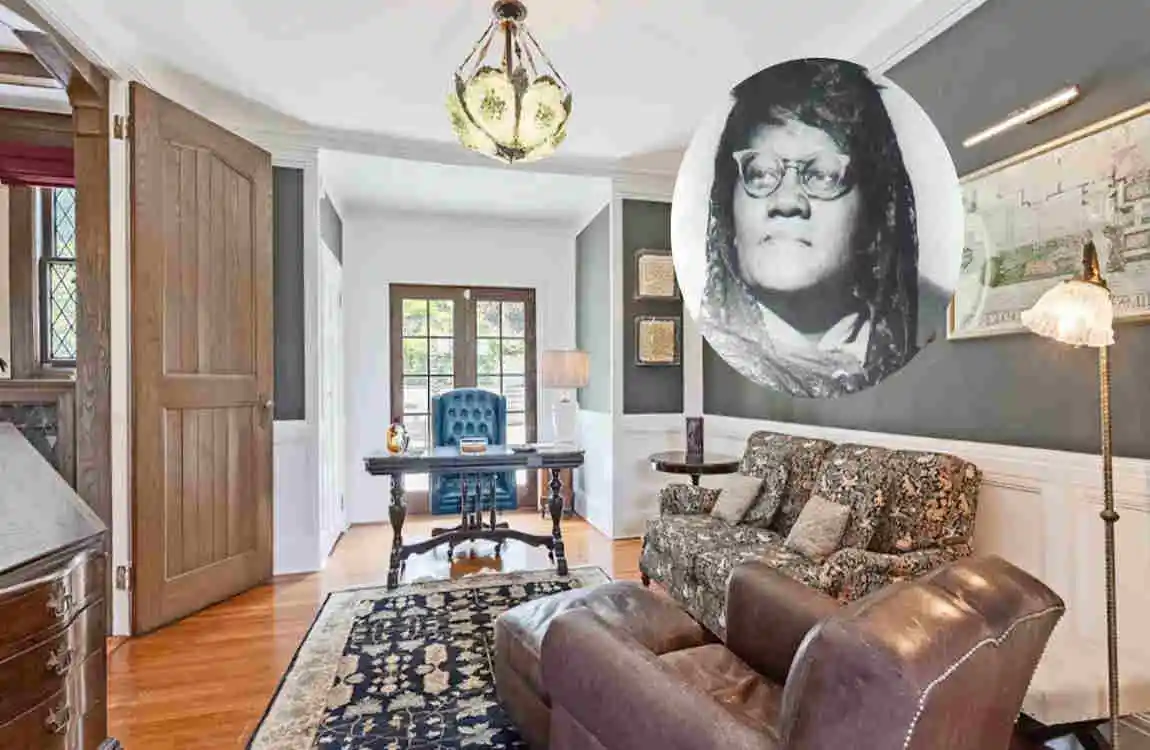
The Home’s Connection to Malcolm X’s Transformation
Malcolm Little’s later life included prison, conversion to Islam, and the adoption of the name Malcolm X in 1952. He would go on to become a major speaker, thinker, and activist.
The Boston stunning house did not create that transformation by itself. But it was one important part of the larger story. It connected him to family, to Ella’s influence, and to a Black community that helped shape his early thinking.
His journey included:
- Family struggles
- Racial oppression
- Migration
- Prison
- Religion
- Political awakening
The house sits inside that larger human story.
What the Malcolm X Ella Little-Collins House Looks Like
Architectural Details
The home reflects late nineteenth-century residential design common in growing Boston neighborhoods. It is a multi-story frame house tied to the kind of development that came with streetcar suburbs.
Like many historic homes, it changed over time. Families lived in it, the property experienced periods of vacancy, and parts of it deteriorated. Still, its physical presence helps preserve a real connection to the past.
What Archaeologists Discovered
What Was Found at the Malcolm X Ella Little-Collins House?
Archaeologists studying the site found evidence that helps explain the property’s deeper history. Work included radar surveys, test pits, and careful excavation. They uncovered household items such as ceramics and kitchenware, along with signs of earlier occupation.
This matters because archaeology shows that history is not only above ground. It also lies beneath the surface, waiting to be understood.
From Boston Landmark to National Register Property
Historic Designations and Preservation
The house received Boston Landmark status in 1998, which recognized its cultural and architectural importance. Later, its addition to the National Register of Historic Places gave it broader recognition as a site tied to Black ethnic heritage, social history, and Malcolm X’s life.
Preservation is important because it protects:
- The house itself
- Ella Little-Collins’s legacy
- Malcolm X’s memory
- Roxbury’s Black history
- A larger civil rights story
The house also faces real challenges, including upkeep, structural care, and the difficulty of preserving a privately owned historic place.
What Happened to the Property After Ella’s Death?
The House After Ella Little-Collins
Ella Little-Collins died in 1996, but the property’s story did not end there. The home remained tied to the Collins family and continued to draw attention from preservation advocates.
Like many important historic sites, the house has faced periods of decline. That makes preservation a long and shared effort involving family members, historians, and community supporters.
The house’s legacy lives on because people continue to care about what happened there.
What Could the Malcolm X Ella Little-Collins House Become?
Preservation and Future Use
The future of the house could include:
- Historic interpretation
- Public education
- Special programs
- Community events
- Black history learning spaces
The best future would balance public access, authenticity, family ownership, and preservation needs. Whatever shape it takes, the home should honor both Malcolm X and Ella Little-Collins.
Why Ella Little-Collins’s Legacy Deserves More Attention
Beyond the Story of Malcolm X
This home often gets described through Malcolm X’s name, but that only tells part of the story. Ella Little-Collins deserves recognition for helping shape family life, supporting community growth, and influencing Malcolm’s early development.
Her story reminds us that history is often built through people whose names are not always told first. The house gives us a chance to correct that and ask a better question: Who helped make Malcolm X possible?
Malcolm X Ella Little-Collins House vs. Other Malcolm X Historic Sites
How This House Differs From Malcolm X’s Other Historic Homes
Historic Site Connection to Malcolm X Historical Importance
Malcolm X–Ella Little-Collins House, Boston Teenage and formative years Family, identity, Roxbury, early development
Omaha childhood home site Early childhood Family history home and racial persecution
Lansing childhood home Youth and family life Early development and migration
Boston/Roxbury residence Adolescence and young adulthood Important transition in worldview
The Boston house is especially meaningful because it connects Malcolm’s childhood past to the beginnings of the man he would become.
FAQs About the Malcolm X Ella Little-Collins House
Where is the Malcolm X Ella Little-Collins House?
It is located at 72 Dale Street in Roxbury, Boston, Massachusetts.
Who was Ella Little-Collins?
She was Malcolm X’s older sister, a civil rights activist, and a major influence during his formative years.
Did Malcolm X live in the house?
Yes. Malcolm Little lived in Boston during his teenage years.
When was the house built?
It is associated with a late nineteenth-century residence.
Is the house historically protected?
Yes. It received Boston Landmark status and was later listed on the National Register of Historic Places.
Why is the house important?
It connects Malcolm X’s early development with Ella Little-Collins’s own legacy and the broader history of Black Boston.
Is the house open to the public?
Public access can change over time, so current visitation details should be checked through reliable local preservation updates.
Where Does Malcolm X and Ella Collins Currently Live?
Malcolm X and Ella Collins no longer live, as they are historical figures from the mid-20th century.
Malcolm X and Ella Collins House Photos