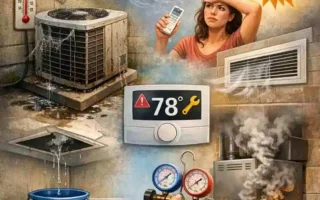
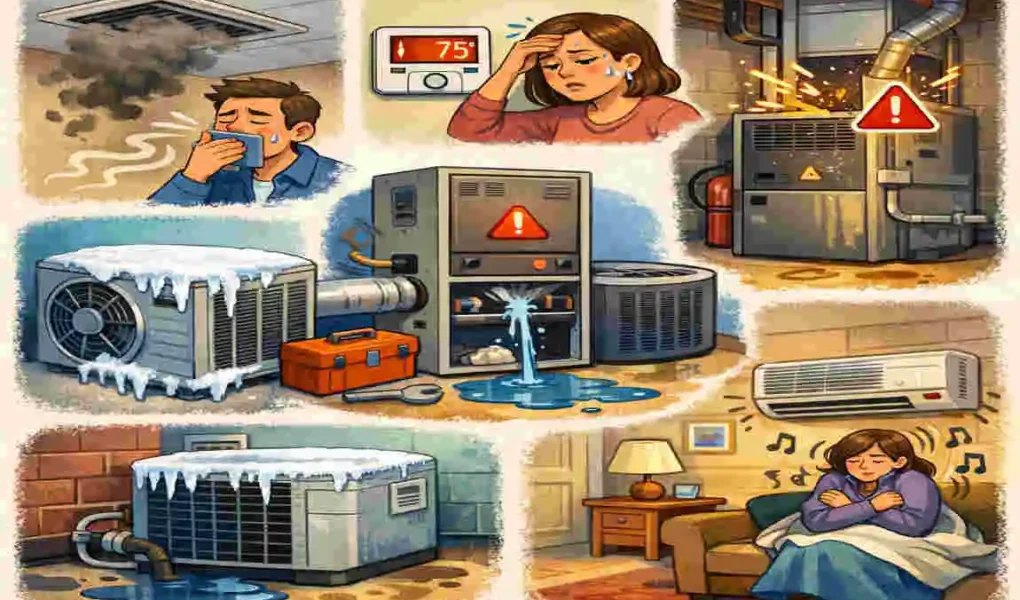
Your HVAC system keeps your home comfortable in every season. It cools your space during hot weather, warms it during cold months, and helps support better indoor air quality.
But when something goes wrong, the warning signs often show up early. If you notice them and act quickly, you can avoid more serious damage, higher bills, and uncomfortable days at home.
Why HVAC Warning Signs Matter
Many homeowners wait until the system stops working completely. That usually leads to more stress and a more expensive repair.
A better approach is to notice the small signs before they turn into major problems. That way, you can call for help early and protect both your comfort and your budget.
What can happen if you ignore the signs?
A small issue can spread quickly. For example, a dirty filter can reduce airflow, making the smart system work harder. Over time, that can strain other parts and create a bigger repair.
The main goal is simple: catch problems early.
Strange Noises Coming From the HVAC System
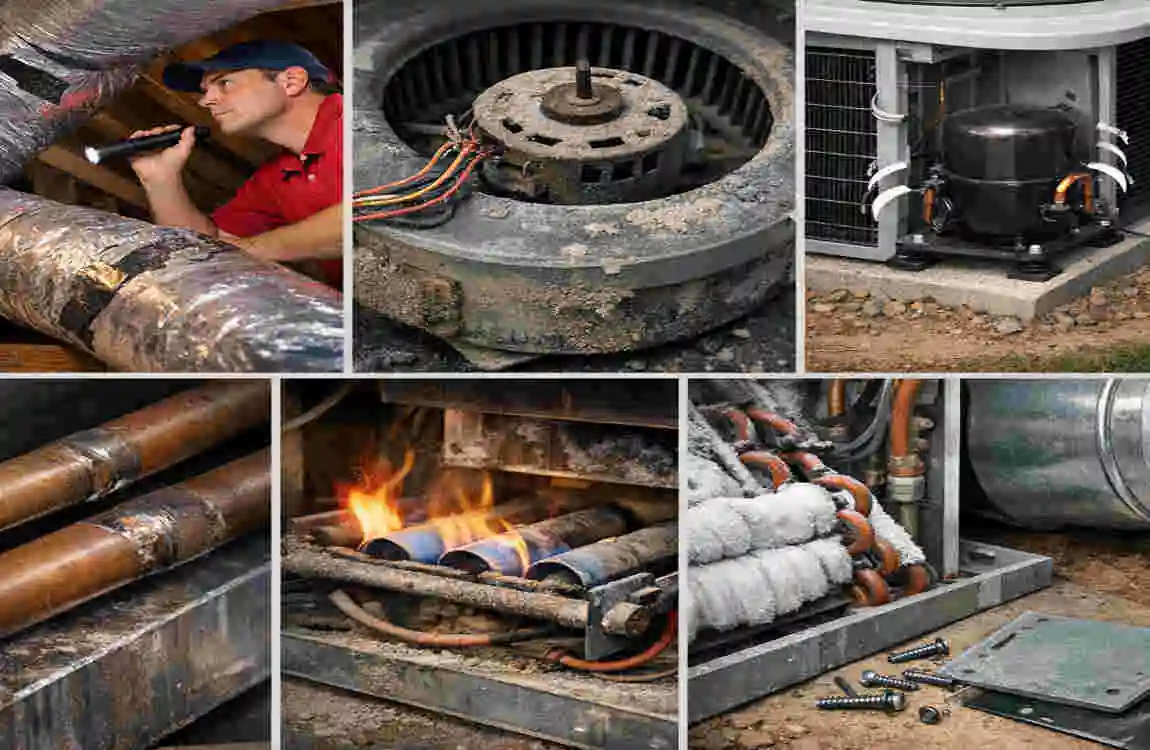
Your HVAC system will usually make a soft humming sound during normal use. That is expected.
But if you start hearing loud, sharp, or unusual sounds, your system may need urgent attention.
Common sounds to watch for
- Banging or knocking: May mean loose or broken internal parts
- Squealing: Often points to a worn belt or motor issue
- Grinding: Can suggest bearing or moving-part damage
- Hissing: May signal a refrigerant leak or air pressure problem
Why this matters
These noises usually do not fix themselves. In fact, they often get worse with time. If you hear something strange more than once, it is best to have it checked.
A quick repair now can help you avoid a much bigger breakdown later.
Weak or Inconsistent Airflow
If the air coming from your vents feels weak, your HVAC system may not be working the way it should.
Signs of airflow trouble
You may notice:
- Some rooms feel stuffy
- The system runs longer than usual
- The air feels weaker than normal
- The temperature changes from room to room
What could be causing it?
Weak airflow can happen for several reasons, such as:
- Dirty air filters
- Blocked ducts
- Blower problems
- Fan motor issues
What you can do
Start by checking and replacing the air filter if needed. A clogged filter is one of the easiest problems to fix.
If the airflow still feels weak after that, you likely need a professional repair. Poor airflow can put extra stress on the whole system.
Rising Energy Bills Without Increased Usage
If your energy bill suddenly increases but your daily use hasn’t changed, your HVAC system may be the reason.
Why this happens
When the system struggles to heat or cool your home, it must work harder. That means it uses more energy to do the same job.
Possible causes include:
- Aging equipment
- Dirty coils
- Refrigerant problems
- Poor system efficiency
Why you should pay attention
Higher bills are often one of the first signs that something is wrong. If you catch the issue early, you may be able to fix it before it damages other parts.
A technician can inspect the system and help improve its performance.
Your Home Is Not Reaching the Desired Temperature
If your HVAC system keeps running but your home still feels too hot or too cold, that is a clear sign something is wrong.
Common temperature problems
Problem Possible Cause
Not cooling properly Low refrigerant or compressor issue
Not heating properly Faulty thermostat or heating component
Uneven temperatures Ductwork or airflow problems
What this means for you
Your system should be able to reach and hold the temperature you set. If it cannot, there may be a deeper issue inside the unit.
This is not just uncomfortable. It also means the system is wasting energy while failing to do its job.
Unpleasant Smells From Your HVAC System
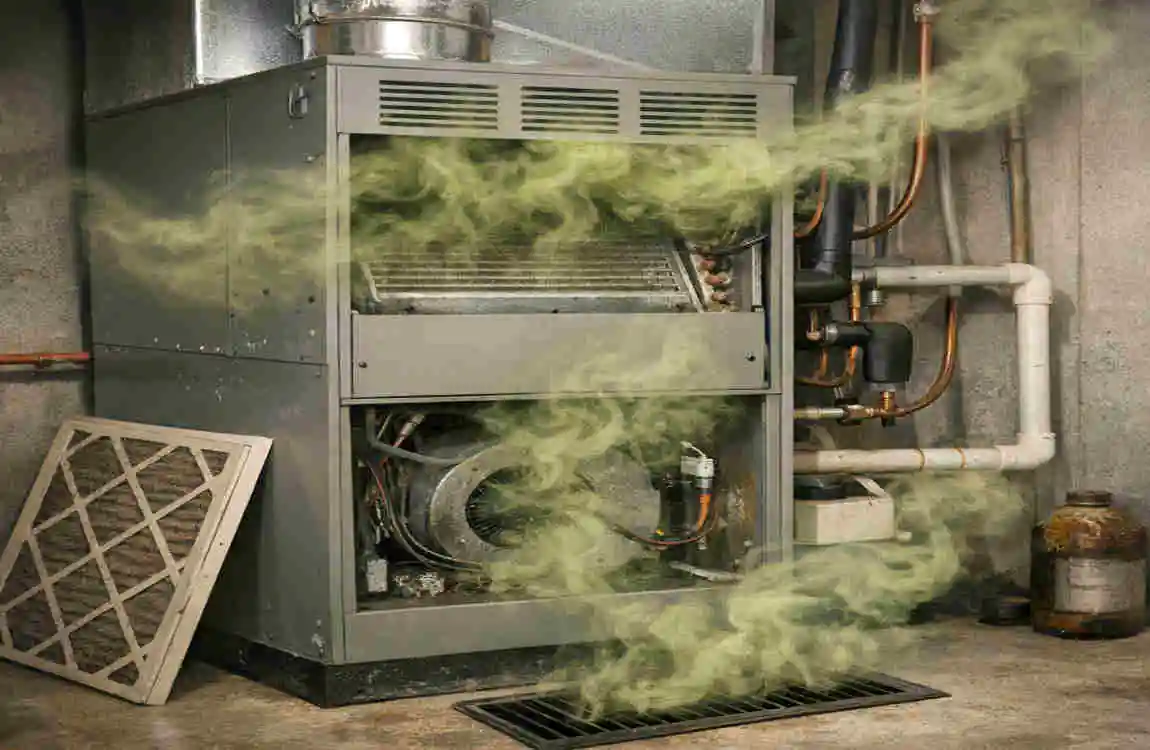
Bad smells coming from your vents should never be ignored. Different odors can point to different problems.
Smells that may signal trouble
- Burning smell: May indicate electrical issues
- Musty smell: Often caused by mold or moisture buildup
- Rotten smell: Could be a serious problem that needs immediate attention
Why odors matter
Smells can be more than annoying. They may point to safety issues or poor indoor air quality.
If you notice a strong or unusual smell, turn off the system if needed and get it checked right away.
Frequent Repairs Are Needed
If you keep calling for repairs, your HVAC system may be trying to tell you something important.
What repeated repairs often mean
Frequent breakdowns can point to:
- Aging equipment
- Poor maintenance history
- Major internal damage
When repair stops making sense
At some point, constant repairs can cost more than the system is worth. If the unit is older and breaks down often, replacement may be the smarter long-term choice.
This is especially true if the same problem keeps coming back.
Water Leaks Around the HVAC Unit
Some moisture can happen as part of normal system operation. But visible water pooling around the unit is not something to ignore.
Possible causes of leaks
- Clogged drain line
- Frozen evaporator coils
- Drain pan damage
Why leaks are a serious issue
Water around the HVAC system can lead to:
- Water damage
- Mold growth
- Damage to nearby materials
If you notice any leaks, it is best to act quickly. The longer you wait, the more damage it can cause.
How to Prevent Emergency HVAC Repairs
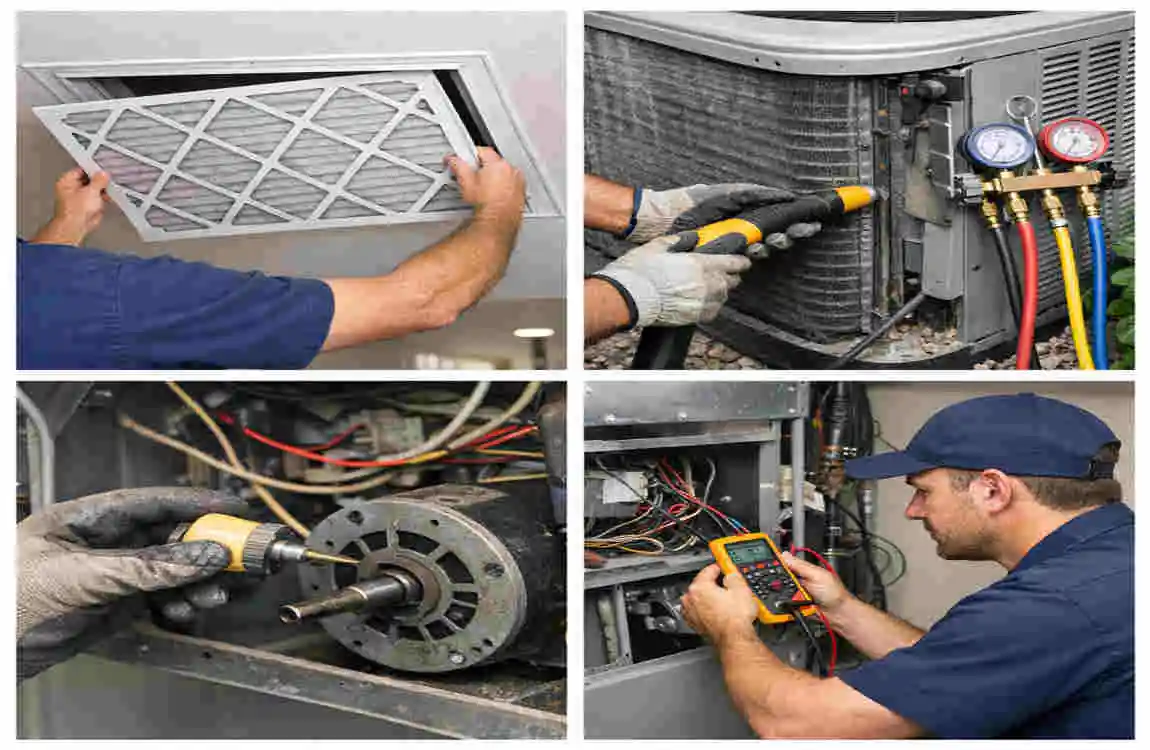
You cannot prevent every problem, but regular care can lower your risk.
Simple maintenance habits that help
- Replace air filters every few months
- Schedule a professional inspection once a year
- Keep the outdoor unit clean
- Make sure vents and registers are not blocked
- Pay attention to strange sounds, smells, or performance changes
Why routine care matters
A well-maintained HVAC system usually runs better, lasts longer, and costs less to operate. Small checks now can help you avoid urgent repairs later.
When Should You Call an HVAC Professional?
Some issues can wait a day or two. Others need fast attention.
Call right away if you notice:
- Complete system failure
- Burning or electrical smells
- Refrigerant leaks
- Sudden strange noises
- Water leaks near the unit
- Very high energy bills
Why quick action helps
The sooner you call for help, the more likely you are to prevent bigger damage. You also protect your comfort and safety.
Frequently Asked Questions
How do I know if my HVAC system needs repair?
Look for unusual noises, weak airflow, rising energy bills, strange smells, water leaks, and trouble keeping the right temperature.
How often should an HVAC system be inspected?
Most experts recommend a full inspection once a year.
Is it better to repair or replace an old HVAC system?
If repairs happen often and the system is more than 10 to 15 years old, replacement may be the better choice.
Can a dirty air filter damage my HVAC system?
Yes. A clogged filter can block airflow, make the system work harder, and lead to expensive repairs.
What is the biggest sign of HVAC failure?
Complete loss of heating or cooling, strong electrical smells, strange noises, or repeated breakdowns are major warning signs.
| Warning Sign | What It May Indicate | Why Urgent Repair Is Needed |
|---|---|---|
| Weak Airflow from Vents | Clogged filters, duct problems, or blower motor issues | Reduces comfort and can damage the HVAC system |
| Strange Noises | Loose parts, worn belts, or motor problems | Small issues can become expensive repairs |
| Unusual Smells | Burning wires, mold, or dirty components | May affect indoor air quality and safety |
| HVAC Blowing Warm Air | Refrigerant issues, compressor failure, or thermostat problems | System may stop working completely |
| Frequent On and Off Cycling | Faulty thermostat, poor airflow, or system overload | Increases energy costs and causes wear |
| Rising Energy Bills | Inefficient operation or failing components | Indicates the system is working harder than normal |