If you are learning how to fix a garage door roller off track, the first thing to know is this: do not ignore it. A roller that slips out of the track can make the door crooked, noisy, stuck, or unsafe to use.
This problem often starts small. You may hear grinding sounds, see the door move unevenly, or notice one side hanging lower than the other. In some cases, the roller is even visible outside the track.
What Does It Mean When a Garage Door Roller Goes Off Track?
How Garage Door Rollers Work
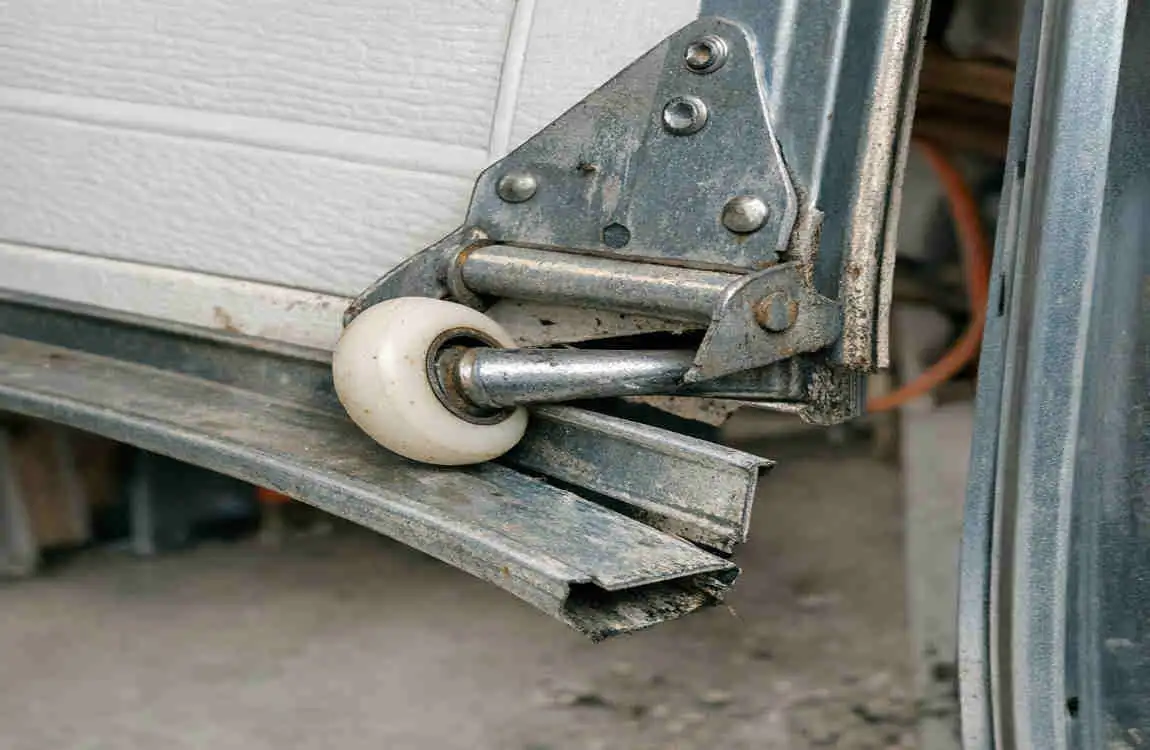
Garage door rollers help the door slide up and down smoothly inside the metal tracks. They carry the weight of the door and keep it moving in a steady line.
When everything is in good shape, the rollers stay inside the track, and the door opens with little effort. When one roller slips out, the door can jam, tilt, or stop moving altogether.
Signs Your Garage Door Roller Is Off Track
Watch for these common signs:
- Crooked door movement
- Loud grinding or scraping noises
- Door getting stuck halfway
- Uneven lifting on one side
- A roller clearly outside the track
If you notice these signs, stop using the door until you inspect it.
Common Causes of Garage Door Rollers Going Off Track
Impact From a Vehicle
One of the most common causes is a car bumping the garage door. Even a light hit can shift the track or knock a roller loose.
Broken or Bent Tracks
Tracks can bend over time or after an impact. A bent track makes it hard for the roller to stay in place.
Worn-Out Rollers
Old rollers wear down, crack, or stop turning smoothly. Once that happens, they can slip out more easily.
Loose Hardware
Bolts, brackets, and screws can loosen with vibration. When that happens, the track can become misaligned.
Broken Lift Cables
If a cable breaks, the door may shift to one side. That creates uneven pressure and can push the roller off track.
Poor Garage Door Maintenance
Dust, rust, and lack of lubrication all add stress to the system. Over time, that wear can lead to track problems.
Can You Fix a Garage Door Roller Off Track Yourself?
When DIY Is Safe
You can usually try a DIY repair if:
- The door is only slightly off track
- The track is not badly bent
- The springs and cables are intact
- The door is not jammed under strong tension
When DIY Is Dangerous
Do not try to force the door if you see:
- Broken springs
- Snapped cables
- Severe track damage
- A heavy door that suddenly dropped
These parts are under tension and can cause serious injury.
Situations That Require Professional Repair
Call a professional if the door is badly misaligned, the track is crushed, or the door feels too heavy to control. You should also get help if you are unsure about the spring system.
Tools You’ll Need
Here is a simple tool list before you begin.
ToolPurpose
Adjustable wrench Loosen bolts
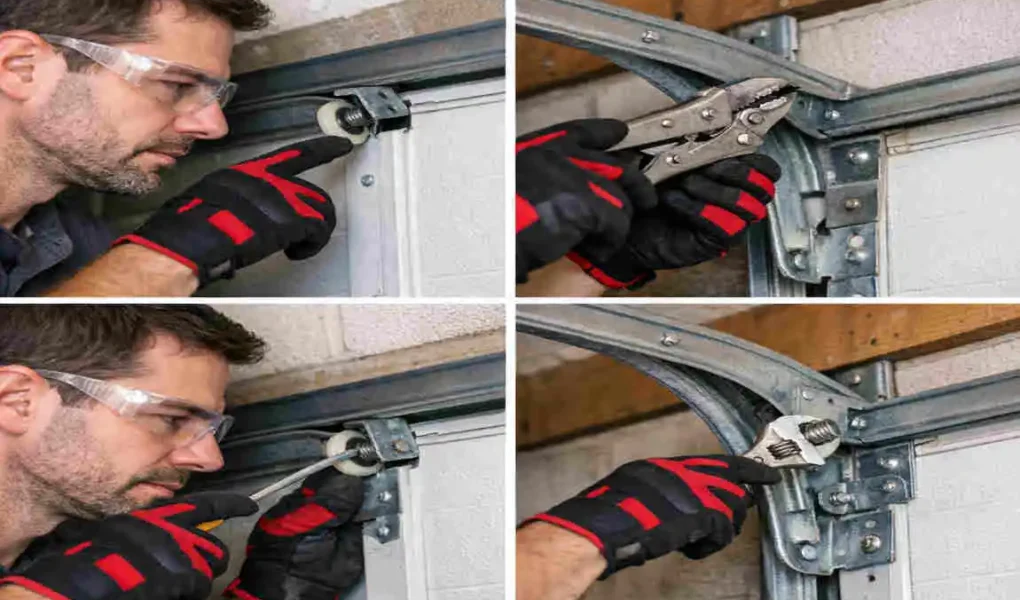
Locking pliers Hold track securely
Rubber mallet Straighten track gently
Screwdriver Remove brackets
Safety gloves Protect hands
Safety glasses Eye protection
Flashlight Better visibility
Garage door lubricant Smooth operation
How to Fix Garage Door Roller Off Track: Step-by-Step
Disconnect the Garage Door Opener
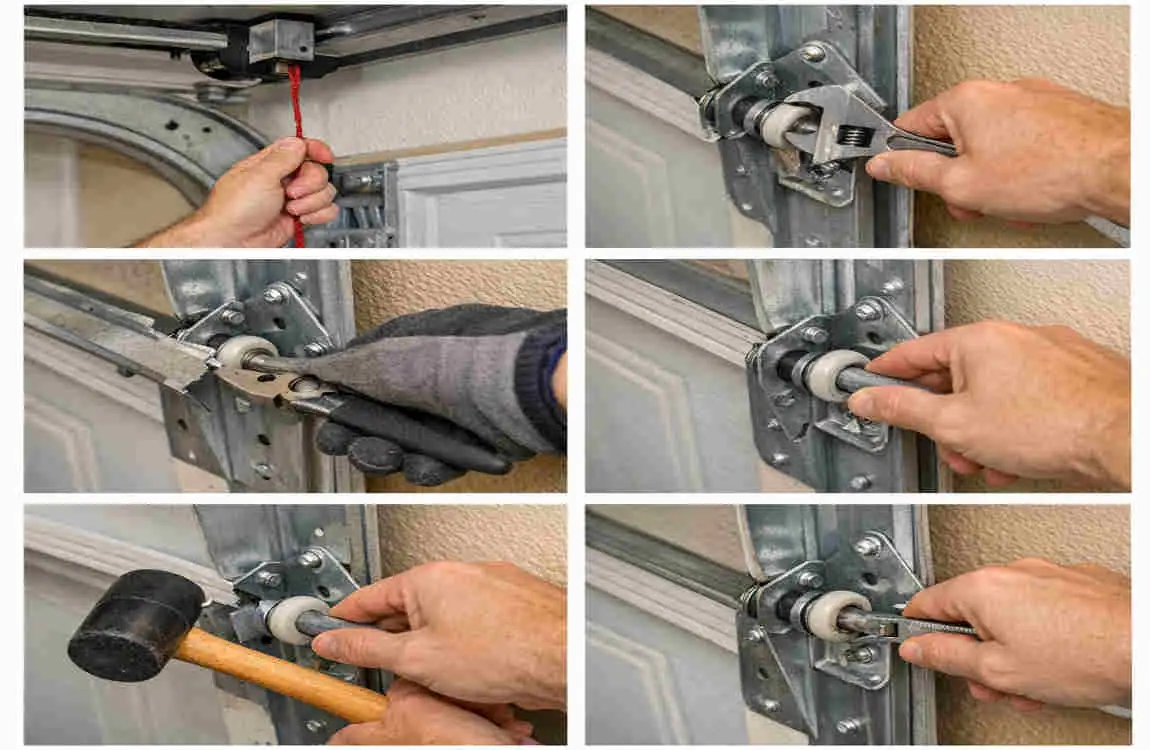
First, unplug the opener or disconnect it from the power source. You do not want the motor to start while you are working.
This is one of the most important safety steps.
Secure the Door
Keep the door from moving on its own. If it is partly open, use locking pliers or clamps to hold it steady.
Make sure the door is not able to drop suddenly.
Inspect the Entire Track
Look closely at the track from top to bottom. Check for:
- Bends
- Cracks
- Loose bolts
- Dirt or debris
- Gaps in alignment
If the track is badly damaged, stop here and call a professional.
Loosen the Track Slightly
If the track is only slightly out of place, loosen the mounting bolts a little. Do not remove them completely.
This gives you enough movement to guide the roller back into position.
Guide the Roller Back Into the Track
Carefully move the roller back inside the track opening. You may need to gently pry the track open just enough for the roller to fit.
Use slow, controlled pressure. Do not force it.
Tighten All Hardware
Once the roller is back in place, tighten the bolts and brackets. Make sure the track sits straight and firm against the wall.
A loose track can cause the same problem again.
Lubricate Rollers and Track
Apply garage door lubricant to the moving parts. This helps the rollers move smoothly and reduces friction.
Do not use heavy grease. A light lubricant works better.
Test the Door Carefully
Reconnect the opener only after you are sure everything looks secure. Then test the door slowly.
Watch for smooth movement, even lifting, and no scraping sounds.
Safety Tips Before Starting Any Repair
Never Touch Torsion Springs
Torsion springs are under strong tension. They can snap with force and cause injury. Leave them alone unless you are trained to work on them.
Wear Protective Equipment
Use gloves and safety glasses. These small items can protect you from sharp edges and falling parts.
Disconnect Electrical Power
Always cut power to the opener before you begin. That prevents accidental movement.
Keep Children and Pets Away
This area should stay clear while you work. A moving door can be dangerous.
Work With Another Person
If possible, have someone help you. Another person can hold tools, steady the door, or call for help if needed.
Mistakes to Avoid
Forcing the Door Closed
If the door is stuck, do not push it hard. Forcing it can bend the track or damage the rollers.
Using the Automatic Opener
Never use the opener while the door is off track. The motor can worsen the damage.
Ignoring Bent Tracks
If the track is bent, the roller may come off again. Fix the track before testing the door.
Forgetting Loose Bolts
Loose bolts are a common hidden problem. Always check the full track system.
Skipping Lubrication
Dry rollers create more friction. That can lead to noisy, rough movement and early wear.
How to Prevent Garage Door Rollers From Coming Off Track
Inspect Rollers Every Few Months
Look at the rollers and tracks every 3–6 months. Early checks help you catch problems before they grow.
Tighten Loose Hardware
Over time, vibration can loosen bolts and brackets. A quick check can keep the door stable.
Clean the Tracks
Wipe away dirt, dust, and buildup. A clean track helps the rollers move properly.
Lubricate Moving Parts
Use a safe garage door lubricant on the rollers and hinges. This reduces wear and noise.
Schedule Annual Garage Door Maintenance
A yearly inspection can help find small issues early. This is a smart way to protect the whole system.
When Should You Replace Garage Door Rollers?
Average Roller Lifespan
Rollers do not last forever. Their lifespan depends on how often you use the door and what material they are made from.
Signs Replacement Is Needed
You may need new rollers if you notice:
- Cracks or chips
- Loud squeaking
- Wobbling
- Frequent off-track problems
- Difficulty rolling smoothly
Best Roller Materials
- Steel: Strong and long-lasting, but can be noisy
- Nylon: Quieter and smoother, often a popular choice
- Plastic: Low cost, but usually wears out faster
If you want a quieter door, nylon is often a good option.
DIY Repair vs Professional Garage Door Repair
DIY Repair Professional Repair
Lower cost Expert diagnosis
Suitable for minor issues Handles major damage safely
Basic tools required Specialized equipment
Takes more time Faster repair
Safety depends on experience Reduced injury risk
If the problem is small and simple, DIY may work. If the door is heavy, damaged, or unsafe, call a pro.
How Much Does It Cost to Fix an Off-Track Garage Door?

DIY Repair Costs
If you already have the tools, the cost may be low. You may only need lubricant, a few replacement parts, or new rollers.
Professional Repair Costs
Professional repair usually costs more because you pay for labor, expertise, and possibly replacement parts.
Factors That Affect Repair Price
- Roller type
- Track damage
- Labor
- Door size
- Replacement parts
The more damage there is, the more the repair may cost.
Maintenance Checklist
Use this short checklist to keep your garage door in good shape:
- Inspect tracks monthly
- Clean debris
- Lubricate rollers
- Tighten bolts
- Test door balance
- Check cables
- Listen for unusual noises
- Schedule yearly inspection
A few minutes of care can prevent bigger repairs later.
Frequently Asked Questions
How do I know if my garage door roller is off track?
Look for uneven movement, grinding noises, a crooked door, or rollers visibly outside the track.
Can I fix a garage door roller off track by myself?
Yes, if the damage is minor and does not involve broken springs or cables.
Is it safe to force the garage door closed?
No. Forcing the door can damage the rollers, tracks, and opener.
Why do garage door rollers come off track?
Common causes include accidental impacts, worn rollers, bent tracks, loose hardware, and broken cables.
How much does it cost to fix an off-track garage door?
Costs vary depending on the damage, but DIY repairs are usually inexpensive. In contrast, professional repairs cost more due to labor and replacement parts.
How often should garage door rollers be inspected?
Inspect them every 3–6 months and perform annual preventive maintenance for the entire garage door system.
| Step | What to Do | Safety Tip |
|---|---|---|
| Disconnect the Opener | Unplug the automatic garage door opener and pull the emergency release cord. | Prevents the door from moving unexpectedly. |
| Secure the Door | Clamp locking pliers or C-clamps below the bottom rollers. | Keeps the door from falling while you work. |
| Inspect the Track | Check for bent tracks, loose brackets, or damaged rollers. | Replace broken parts before reuse. |
| Open the Track Slightly | Use pliers to gently widen the track only where the roller came out. | Avoid excessive force that could damage the track. |
| Reinsert the Roller | Carefully guide the roller back into the track. | Keep fingers away from pinch points. |