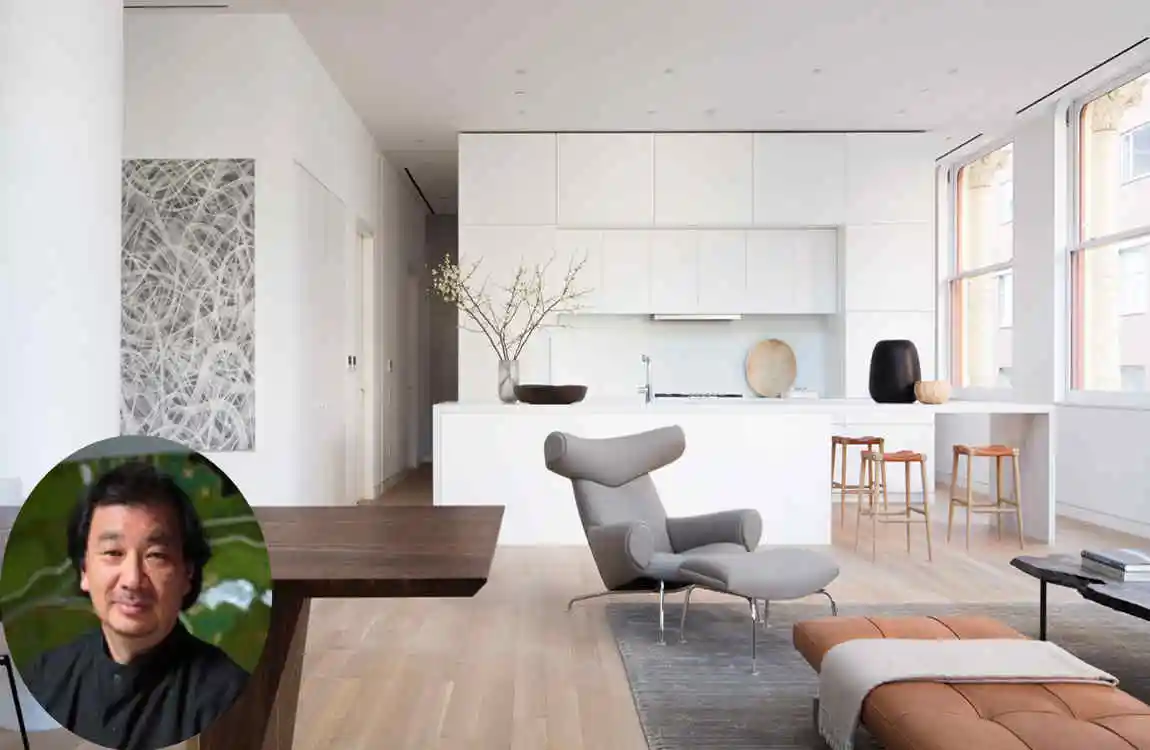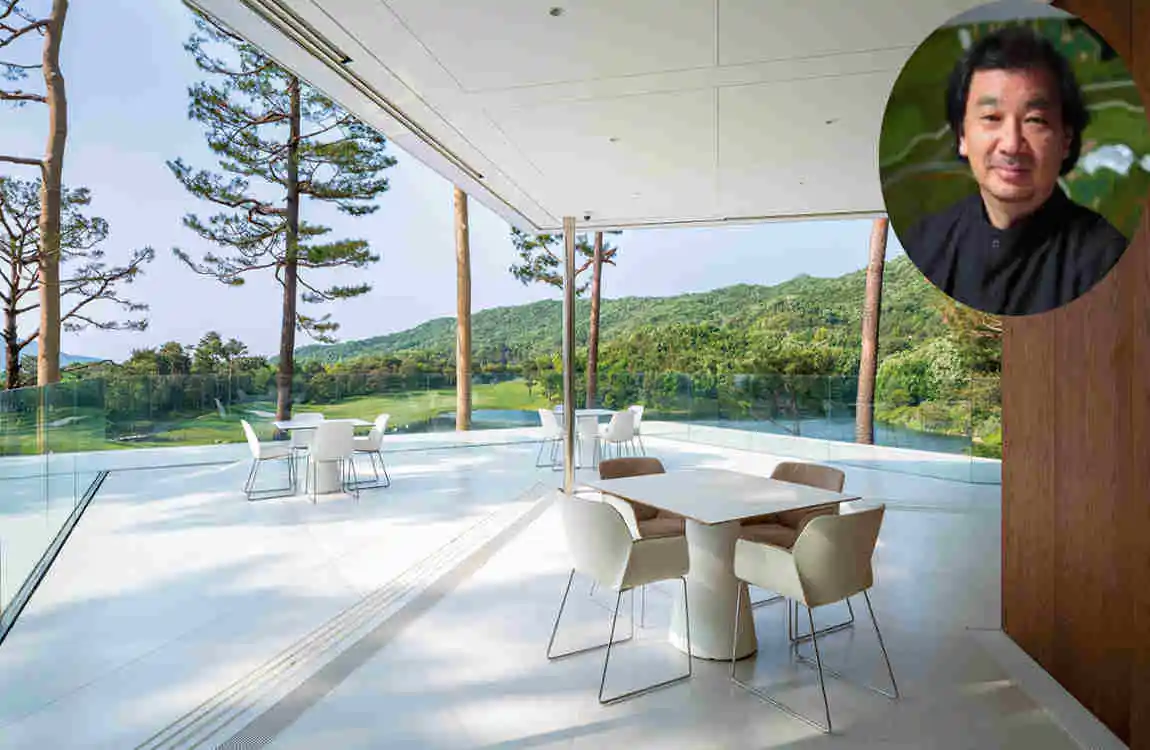
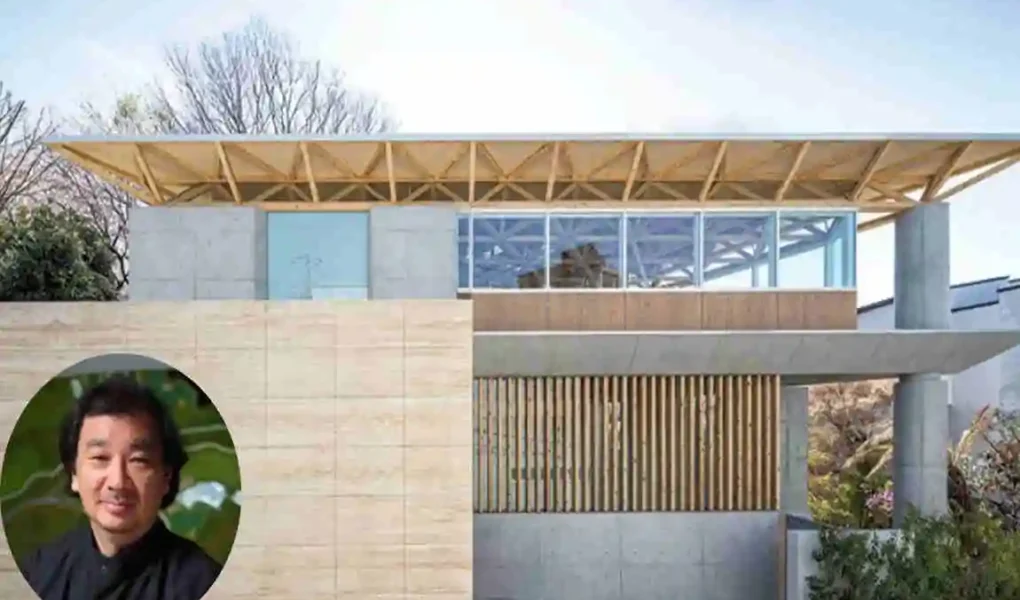
Shigeru Ban is a Japanese architect known worldwide for his inventive use of lightweight, sustainable materials. From paper‑tube pavilions to disaster‑relief shelters, his work constantly pushes the limits of what a building can be.
| Personal Information | Details |
|---|---|
| Full Name | Shigeru Ban |
| Japanese Name | 坂 茂 |
| Profession | Japanese architect |
| Born | August 5, 1957 |
| Age | 69 years old in 2026 |
| Birthplace | Tokyo, Japan |
| Nationality | Japanese |
| Education | Southern California Institute of Architecture (SCI-Arc); The Cooper Union |
| Architecture Degree | Bachelor of Architecture, The Cooper Union, 1984 |
| Architecture Firm | Shigeru Ban Architects |
| Firm Founded | 1985, in Tokyo |
| Current Office Locations | Tokyo, Paris, and New York |
| Known For | Innovative architecture using paper tubes, wood, bamboo, and other unconventional materials |
| Humanitarian Work | Founder of Voluntary Architects’ Network (VAN), established in 1995 |
| Major Recognition | Pritzker Architecture Prize (2014) |
| Other Major Awards | Princess of Asturias Award for Concord (2022); Praemium Imperiale for Architecture (2024); 2026 AIA Gold Medal |
| Current Professional Activity | Continues architectural work, teaching, lectures, and humanitarian/disaster-relief activities |
| Current Academic Role | Professor at Kyoto University of the Arts; other recent institutional sources also identify him as a visiting/special professor |
| Current Residence | Not reliably disclosed publicly. His firm has offices in Tokyo, Paris, and New York, but an office location should not be treated as his home. |
| Current Home Address | Not publicly confirmed; should not be published |
| Estimated Net Worth | No reliable, publicly verified figure available |
| Marital/Family Information | Some biographical sources report personal/family details, but these are not necessary for establishing his current home and should be used only when reliably sourced |
| Notable Residential Works | Curtain Wall House, Naked House, Wall-Less House, Furniture House, and other experimental residential designs |
Shigeru Ban House: What Is Publicly Known?
Where Does Shigeru Ban Currently Live?
- Ban’s professional base is in Tokyo, Japan, where his studio, Shigeru Ban Architects, maintains its main office.
- He also spends extended periods in Paris and other project locations, but he has not publicly disclosed an exact residential address.
His Approach to Home and Architecture
Ban treats a home like any other project: simple, functional, and tied to nature. He looks for ways to let light in, keep structures light, and use materials that can be responsibly sourced or even recycled. This mindset shapes how he lives as much as how he home designs.
Architecture and Design Influences in Shigeru Ban’s Homes
Sustainable and Unusual Materials
Material Typical Use Why Ban Likes It
Paper tubes Structural ribs for pavilions & shelters Light, cheap, biodegradable
Timber Frames, cladding, interior details Renewable, warm aesthetic
Recycled steel Connectors & hidden supports Strong, recyclable, minimal waste
Light, Space, and Natural Elements
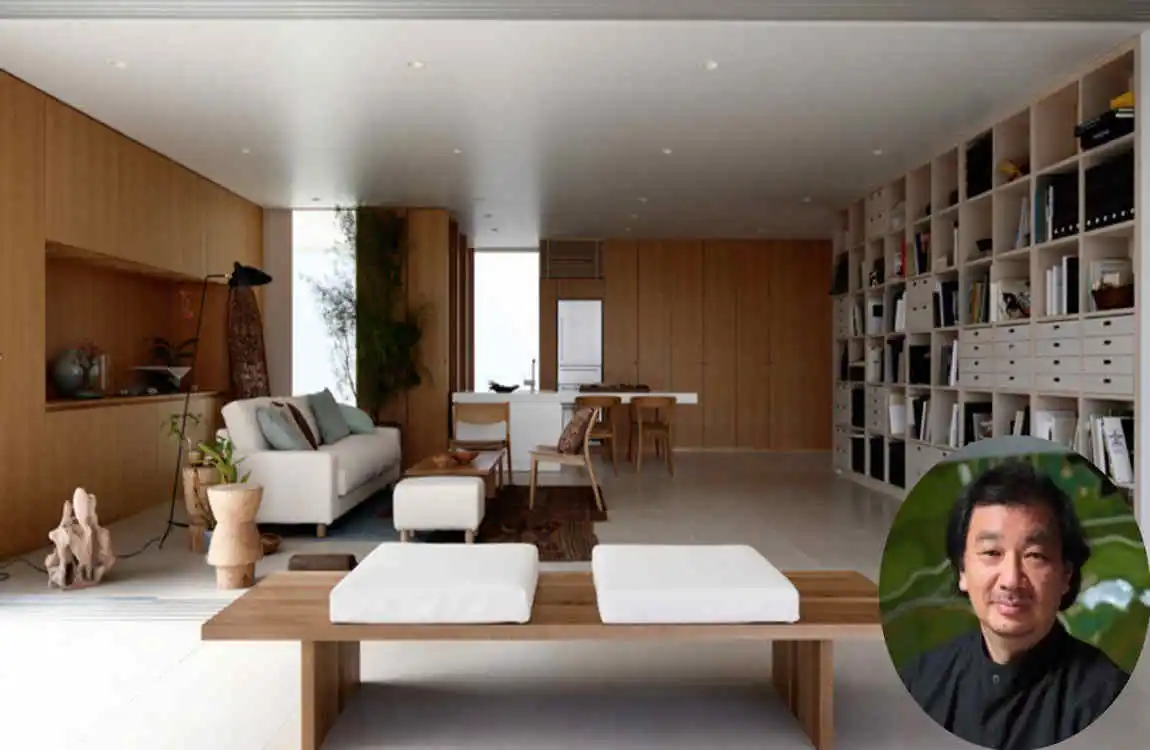
Ban favours open layouts that let daylight travel deep into a house. Large windows, skylights, and minimal interior walls create continuity with the outdoors. The result feels airy, even in a modest‑size dwelling.
Minimalist Yet Functional Spaces
Every surface serves a purpose. Instead of heavy décor, Ban uses built‑in furniture, sliding partitions, and adaptable storage to keep rooms tidy while still feeling welcoming.
Shigeru Ban’s Lifestyle and Daily Work
Life as an International Architect
Travel is a routine part of Ban’s day. He moves between site visits, design studios, and lectures, which keeps his perspective fresh and his schedule flexible.
Humanitarian Architecture
From the Paper Church in Kobe to temporary shelters after the 2010 Haiti earthquake, Ban’s humanitarian projects show how rapid, low‑cost construction can improve lives. This compassion feeds back into his personal living choices, encouraging simplicity and resourcefulness.
Creativity, Materials, and Innovation
Ban’s studio maintains a small “material lab” where they test cardboard, bamboo, and even mycelium. This constant experimentation means his own home often serves as a real‑world showcase for new ideas.
Shigeru Ban’s Real Estate and Notable Residential Projects
Notable Residential Designs
- Paper House (1992, Tokyo) – A compact residence built mostly from paper tubes, demonstrating that even a full‑time home can be lightweight.
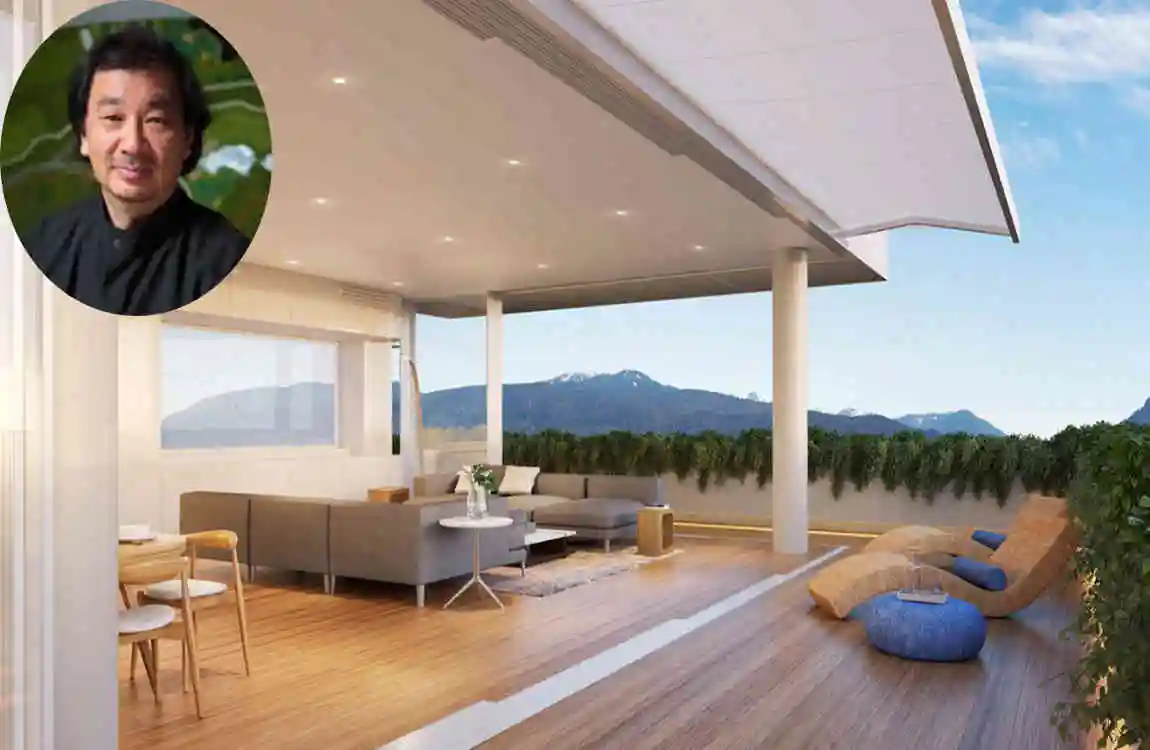
- Miyazaki Residence (2008, Japan) – Uses timber frames and large glass panels to blend indoor and outdoor spaces.
Architecture, Sustainability, and Value
Properties designed by Ban tend to hold cultural value beyond market price. Eco-friendly materials and thoughtful site integration often make these homes long‑lasting assets for owners who value sustainable living.
What Makes a Shigeru Ban Design Distinctive?
- Structural experimentation – unconventional support systems.
- Material efficiency – using the least amount of material for the most strength.
- Flexibility – spaces that can be re‑configured as needs change.
What We Can Learn From Shigeru Ban’s Home and Design Philosophy
Sustainable Ideas for Modern Homes
- Choose renewable or recycled materials (e.g., reclaimed timber, bamboo).
- Design for daylight to cut energy use.
- Keep layouts open space to allow flexible furniture arrangements.
Combining Beauty With Practicality
A home can look striking without gadgets or excess ornamentation. Simple forms, natural textures, and thoughtful detailing create a space that feels both beautiful and livable.
Designing With Purpose
Ban’s projects remind us that architecture should answer environmental and human needs. Whether it’s a shelter after a disaster or a personal residence, the goal is always to serve people responsibly.
Frequently Asked Questions About Shigeru Ban House
Where does Shigeru Ban currently live?
He is based in Tokyo and travels frequently abroad; he does not publicly share a private address.
What is Shigeru Ban best known for?
Innovative use of lightweight, recyclable materials, especially paper tubes, and his humanitarian disaster‑relief architecture.
Does Shigeru Ban own a famous house?
Public records show a few paper‑based and timber residences he designed, but details about personal ownership remain private.
What materials does Shigeru Ban use in his architecture?
Paper tubes, timber, recycled steel, bamboo, and other low‑impact, renewable resources.
Is Shigeru Ban’s architecture environmentally friendly?
Yes. His designs focus on material efficiency, reuse, light structures, and often serve emergency needs, all of which lower environmental impact.
| House / Project | Year | Location | Specifications / Size | Architecture & Design | Estimated / Known Worth | Address | History / Key Information |
|---|---|---|---|---|---|---|---|
| Curtain Wall House | 1995 | Tokyo, Japan | Private residence; multi-level urban house | Large curtain-like exterior enclosure, open interior spaces, strong indoor-outdoor relationship | Not publicly disclosed | Tokyo, Japan; exact address not published | One of Ban’s important early residential experiments, exploring flexible boundaries between interior and exterior spaces. |
| Paper House | 1995 | Japan | Experimental residential structure | Uses paper tubes as an important structural element | Not publicly disclosed | Exact address not published | Demonstrates Ban’s pioneering experimentation with paper as a practical architectural material. |
Where Does Shigeru Ban Currently Live?
Shigeru Ban is publicly associated with Tokyo, Japan, but his exact current residential status is not clearly documented in recent sources.
Shigeru Ban House Photos