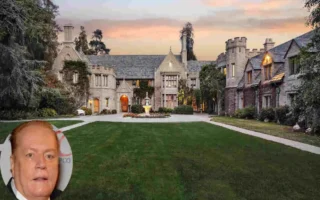
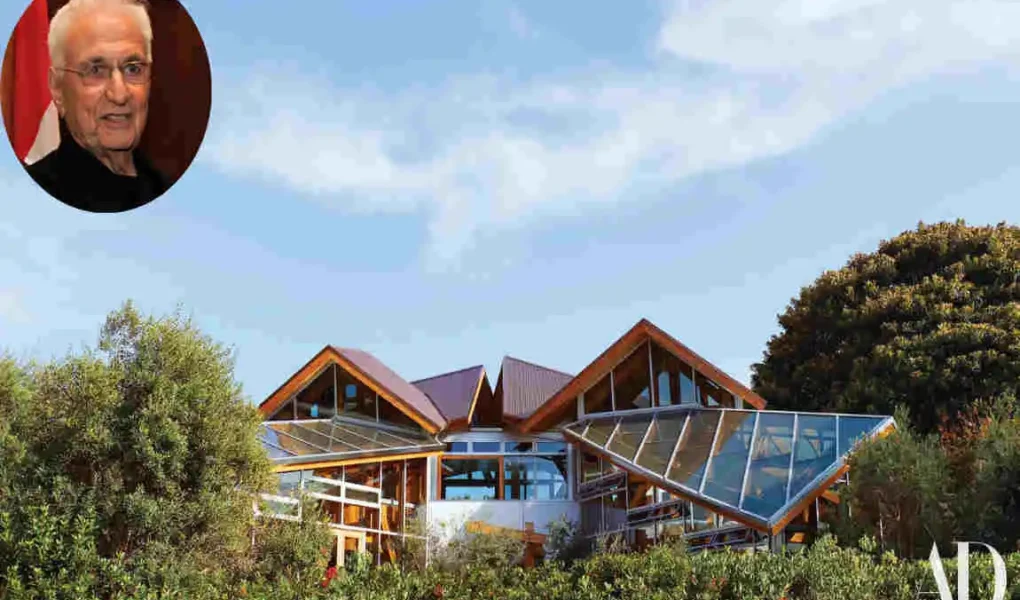
Frank Gehry is a name that pops up whenever modern architecture is mentioned. People are drawn to his home because it is far more than a lavish dwelling—it is a living experiment. The house flaunts an unconventional exterior, mixing chain‑link fencing, plywood and corrugated metal with the quiet charm of a modest early‑20th‑century home. This clash between the ordinary suburban shell and Gehry’s bold additions mirrors his belief that architecture should constantly challenge the status quo. His career, filled with iconic public projects and a thriving practice, has turned his personal residence into a symbol of creative freedom.
| Category | Details |
|---|---|
| Full Name | Frank Owen Gehry |
| Birth Name | Ephraim Owen Goldberg |
| Born | February 28, 1929 |
| Birthplace | Toronto, Ontario, Canada |
| Profession | Architect and designer |
| Nationality | Canadian-American |
| Education | University of Southern California; studied city planning at Harvard Graduate School of Design |
| First Wife | Anita Snyder (married 1952; divorced 1966) |
| Current/Second Wife | Berta Aguilera (married 1975) |
| Children | Four children; one daughter, Leslie Gehry Brenner, died in 2008 |
| Estimated Net Worth | Public estimates vary; generally reported in the tens of millions of dollars |
| Major Wealth Sources | Architectural commissions, international projects, design work, furniture, and his architectural practice |
| Famous Works | Guggenheim Museum Bilbao, Walt Disney Concert Hall, Fondation Louis Vuitton, and other landmark buildings |
| Former Primary Residence | Santa Monica, California |
| Current Status | Frank Gehry died on December 5, 2025, at age 96 |
| Where Did He Live? | He lived in Santa Monica, California, where he died at home in 2025 |
Frank Gehry House: Quick Facts at a Glance
Feature Details
Property Gehry Residence
Famous Location Santa Monica, California
Original Home Early 20th‑century Dutch Colonial‑style house
Major Transformation Began in the late 1970s
Architectural Approach Experimental, linked to deconstructivism
Notable Materials Chain‑link fence, plywood, glass, corrugated metal, wood
Architect Frank Gehry
Significance Personal architectural laboratory
Privacy Private residence—respect occupants
Inside Frank Gehry’s Famous Santa Monica House
The Original House
The property started as a typical early‑20th‑century home. Gehry chose to keep key elements rather than demolish the entire structure, using it as a foundation for his radical makeover.
A House Built Around Another House
The old house remains visible in several spots, while new, angular forms wrap around it. This intentional contrast creates a dialogue between the familiar and the avant‑garde, making the home feel both cozy and experimental.
The Exterior: Plywood, Glass, Metal, and Chain Link
Gehry’s façade mixes chain‑link fencing, corrugated metal sheets, raw plywood panels, and expansive glass panes. The exposed structural bits and sharp angles give the house a sculptural quality that stands out on the suburban street.
Interior Spaces and Indoor‑Outdoor Connections
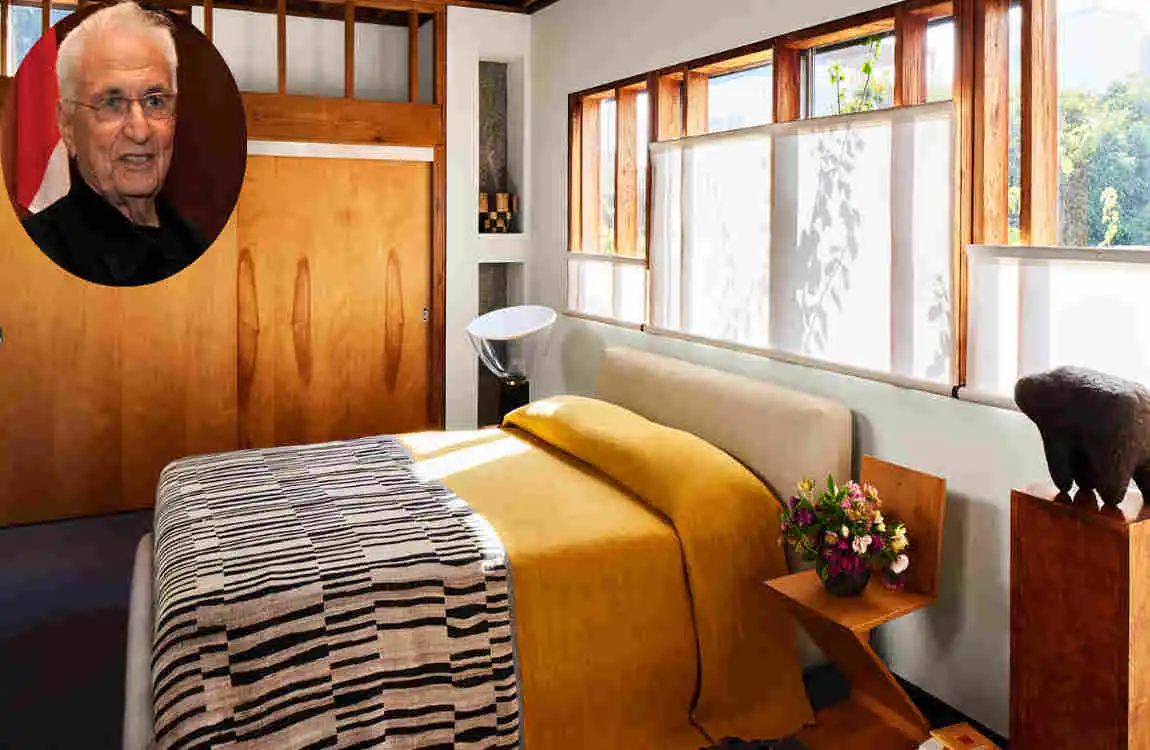
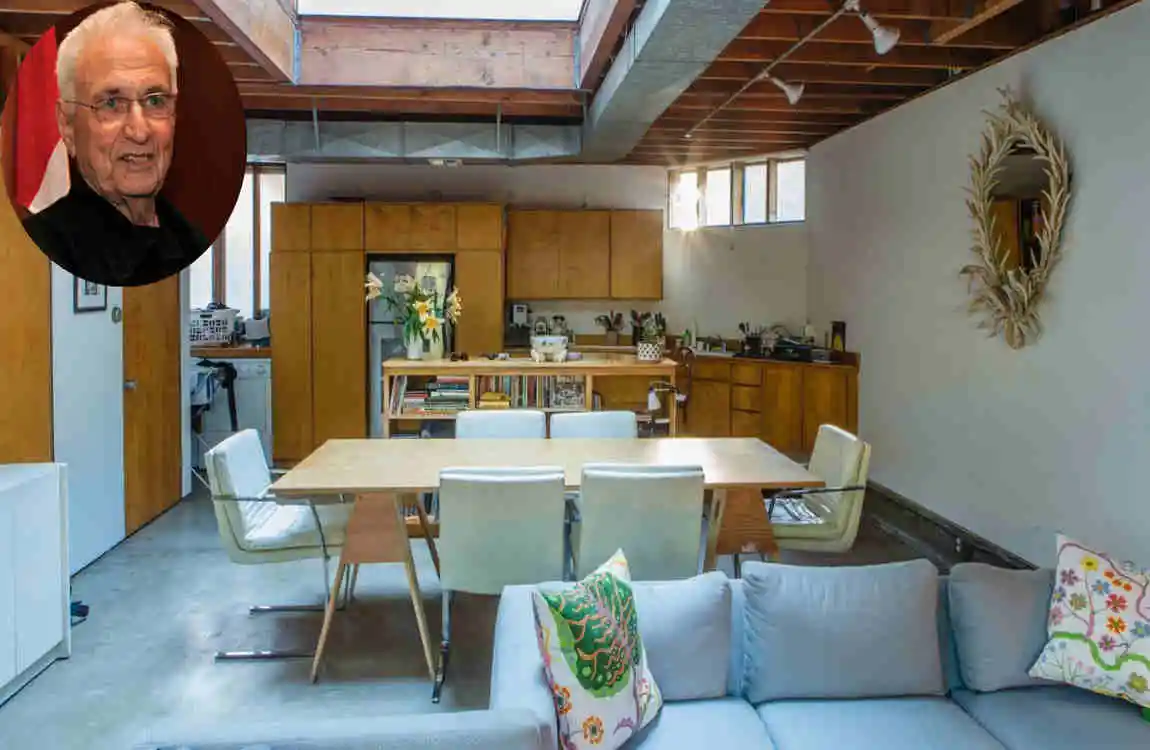
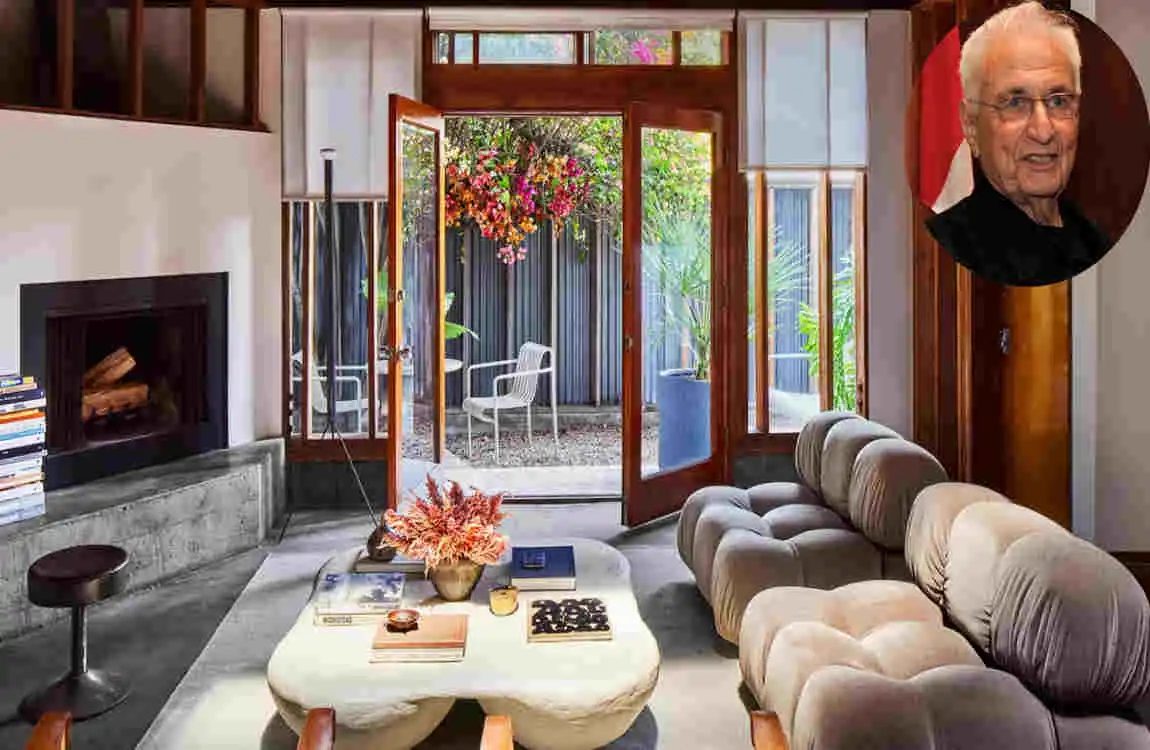
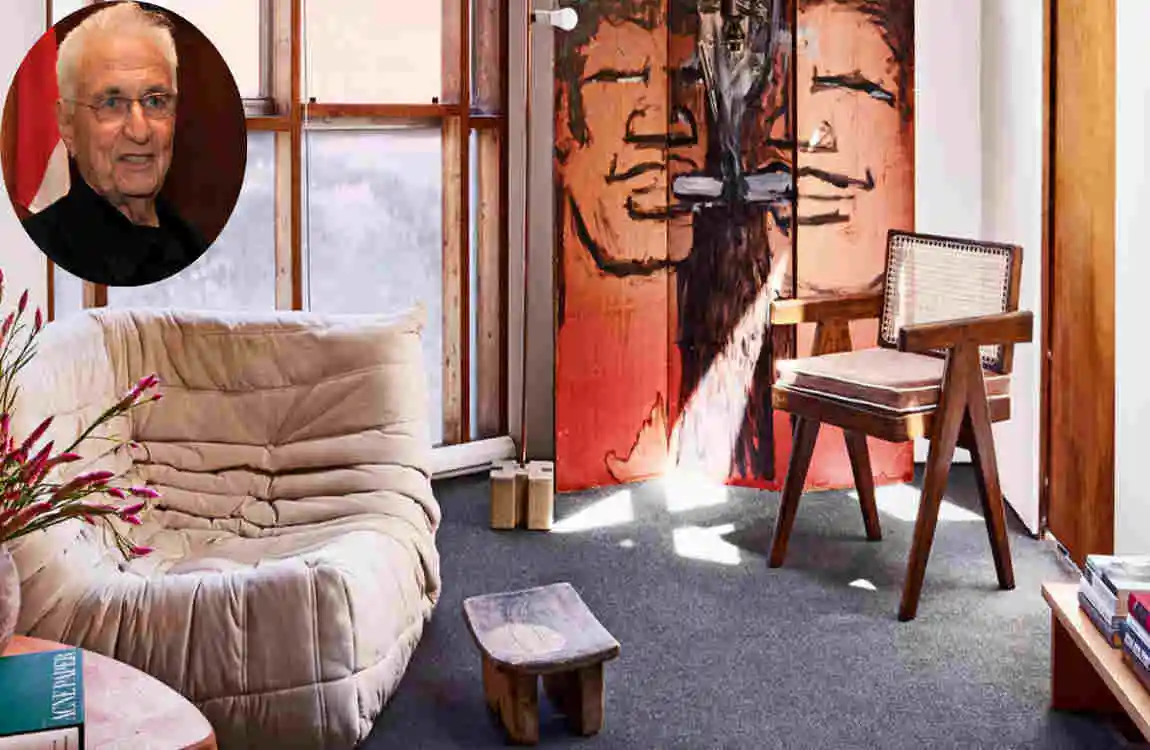
Inside, natural light pours through glass walls, blurring the line between interior rooms and the outside patio. Unexpected angles and open sightlines keep the space feeling fresh and constantly evolving.
The Architecture and Design Philosophy Behind the Frank Gehry House
Why Gehry Challenged Traditional Residential Design
He tossed out the idea that a home must be perfectly symmetrical or polished. Instead, he embraced a more chaotic, unfinished aesthetic that invites curiosity.
The Beauty of Ordinary Materials
Gehry took materials you’d find at a construction site—plywood, chain‑link, corrugated metal—and turned them into a bold architectural language.
Deconstructivist Connections
While Gehry himself avoids strict labels, many critics link this house to deconstructivist ideas because of its fragmented forms and its departure from traditional expectations.
“Old vs. New” as the Home’s Central Concept
The residence balances the old Dutch‑Colonial shell with striking modern additions, pitting familiarity against disruption and function against artistic experimentation.
Frank Gehry House Specifications and Architectural Features
Category Information
Property Type Private residential property
Location Santa Monica, California
Architectural Period Late 1970s onward
Original Structure Traditional early‑20th‑century residence
Major Design Strategy New elements built around the original home
Exterior Materials Corrugated metal, chain‑link, plywood, glass, wood
Style Experimental modern architecture with deconstructivist ties
Design Character Fragmented, unconventional, sculptural
Main Concept Dialogue between old and new
Historical Importance Influential example of experimental residential architecture
How Much Is Frank Gehry Worth? Exploring His Net Worth
Estimated Net Worth
| Category | Details |
|---|---|
| House Name | Gehry Residence / Frank Gehry House |
| Architect | Frank Gehry |
| Location | Santa Monica, California, United States |
| Address | 1002 22nd Street, Santa Monica, CA 90403 (publicly listed historic-property address; private residence—do not disturb residents) |
| Original Property | Early-20th-century Dutch Colonial Revival residence |
| Major Renovation | Began in the late 1970s |
| Main Completion | 1978 |
| Later Additions | Further modifications were made, including additions in 1992 |
| Architectural Style | Experimental modern architecture, commonly associated with Deconstructivism |
| Key Design Concept | Building a new architectural structure around the existing home |
| Major Materials | Plywood, wood framing, glass, corrugated metal, and chain-link fencing |
| Exterior Design | Angular forms, exposed materials, glass volumes, industrial textures, and fragmented surfaces |
| Interior Character | Open, unconventional spaces with strong indoor–outdoor connections |
| Signature Feature | The original house remains visible within and alongside the later architectural additions |
| Approximate Size/Worth | No reliably verified current market valuation is publicly available; the property’s architectural significance makes a standard comparable-home valuation difficult |
| Historical Importance | Considered a highly influential early residential work in Gehry’s career |
| Private Residence Status | Private property; not a public tourist attraction |
| Historical Legacy | A landmark example of experimental residential architecture and Gehry’s personal design philosophy |
Public reports place Frank Gehry’s net worth in the tens of millions of dollars. However, exact figures remain private and can vary across sources.
How His Architecture Built His Wealth
Large museum commissions, cultural projects, and high‑profile private residences have generated substantial income. Consulting work, collaborations, and the lasting market value of his brand further boost his earnings.
His Most Valuable Asset: His Architectural Legacy
Beyond money, Gehry’s true wealth lies in his global reputation, iconic buildings, and the demand for his visionary approach. His name continues to shape contemporary architecture worldwide.
Frank Gehry’s Extraordinary Lifestyle: Luxury With an Artistic Perspective
Luxury Through Creativity
Gehry’s lifestyle is less about flashing wealth and more about custom design, worldwide travel for projects, and immersion in cultural circles.
His Home as a Reflection of His Personality
The Santa Monica house showcases his love for experimentation, his aversion to predictability, and his curiosity about materials.
The Difference Between Celebrity Luxury and Architectural Luxury
Typical celebrity mansions boast size, marble, and lavish amenities. Gehry’s home, by contrast, offers luxury through daring ideas, unconventional materials, and a distinct architectural identity.
The Historical Importance of the Frank Gehry House
A Turning Point in Gehry’s Career
The house marked an early moment where Gehry fully embraced experimental design on a personal scale.
From Personal Home to Architectural Landmark
Because the architect designed it himself, the residence quickly became a reference point for discussions about modern residential architecture.
Influence on Contemporary Architecture
It sparked conversations about reusing existing structures, mixing cheap and premium materials, and treating the home as a laboratory for ideas.
Frank Gehry’s Other Famous Architectural Achievements
- Guggenheim Museum Bilbao – Curved titanium forms that revitalized a city.
- Walt Disney Concert Hall – Sweeping stainless‑steel lines that define Los Angeles.
- Fondation Louis Vuitton – Glass sails that blend art and architecture.
- Various residential and mixed‑use projects – Demonstrating his reach beyond museums and concert halls.
Frank Gehry House vs. Traditional Luxury Celebrity Homes
Feature Frank Gehry House Traditional Luxury Celebrity Mansion
Main Focus Architectural experimentation Comfort and prestige
Materials Industrial, unconventional Premium luxury finishes
Design Fragmented, experimental Polished, symmetrical
Value Cultural and architectural significance Market and lifestyle value
Luxury Creativity and uniqueness Size, amenities, exclusivity
The Gehry House shows that true luxury can be about living inside an original architectural idea, not just owning the biggest or most expensive home.
What Makes Frank Gehry’s House So Valuable to Architecture Fans?
For enthusiasts, the house matters because it is Gehry’s own residence, offering a glimpse into his creative process. It proves that ordinary materials can be transformed into iconic architecture and illustrates how a personal space can spark a major shift in design thinking.
Frequently Asked Questions About Frank Gehry House
Where is Frank Gehry’s famous house?
The residence sits in Santa Monica, California. As a private home, visitors should respect the occupants’ privacy.
What makes the Frank Gehry House famous?
Its bold design, use of unconventional materials, and role in Gehry’s early experimental work set it apart.
What materials were used in the house?
Key materials include plywood, glass, corrugated metal, chain‑link fencing, and wood.
Is the Frank Gehry House a deconstructivist building?
Many critics link it to deconstructivist ideas because of its fragmented forms, though Gehry himself avoids strict labeling.
How much is Frank Gehry worth?
Estimates vary; most sources suggest a net worth in the tens of millions, but exact figures are private.
Did Frank Gehry design his own home?
Yes, he personally transformed the existing house into his experimental laboratory.
Can the public tour the Frank Gehry House?
No—it’s a private residence and not open for public tours.
Where Does Frank Gehry Currently Live?
Frank Gehry currently lives in Santa Monica, California.
Frank Gehry House Photos