
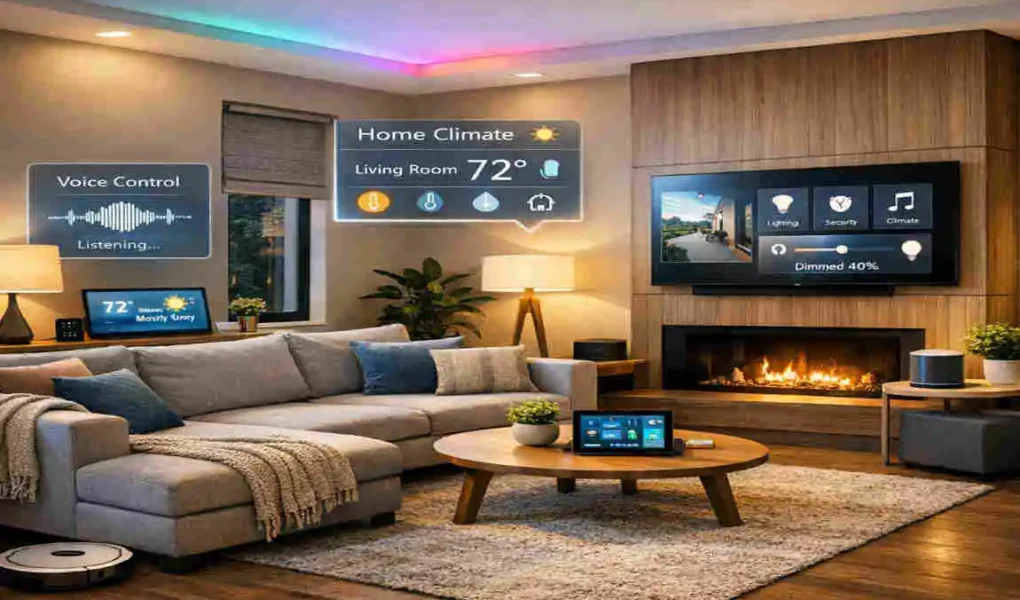
Your living room is one of the most used spaces in your home. It is where you relax, talk with family, watch TV, and welcome guests. Because of that, it should feel comfortable, practical, and inviting.
The good news is that smart living room design does not have to be expensive. With the right layout, furniture, storage, and décor, you can make even a small room feel stylish and useful.
Why Smart Living Room Design Matters
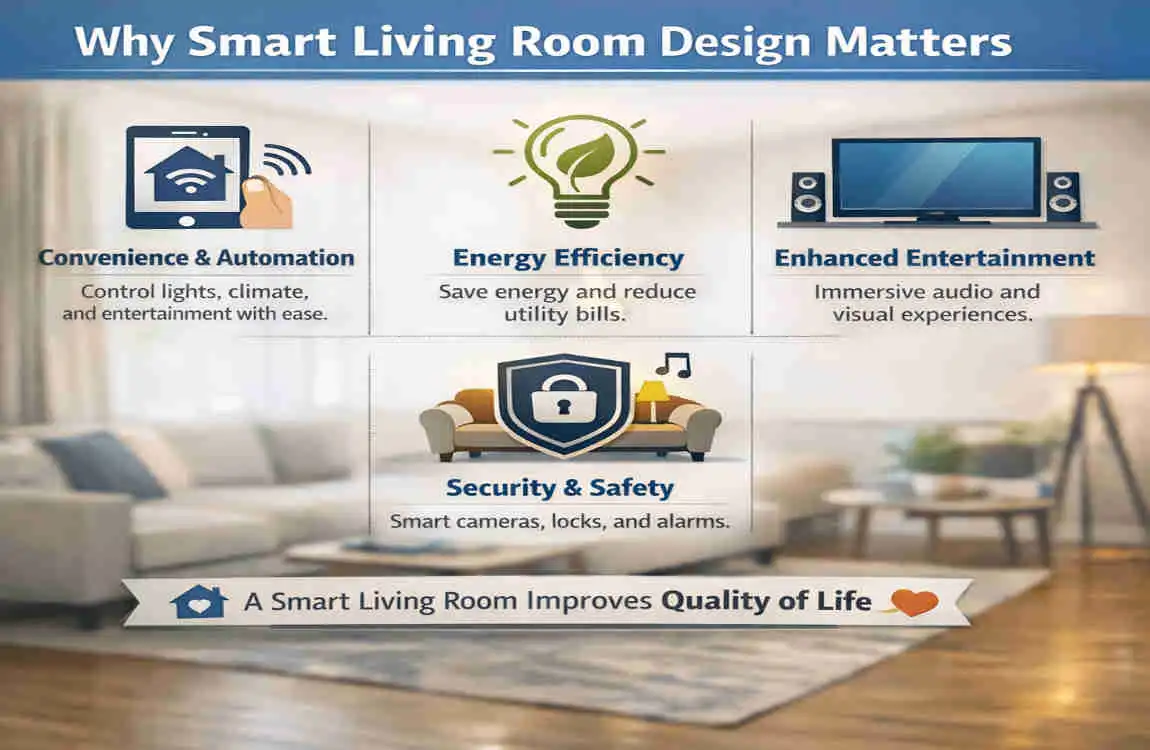
A smart living room design is not just about looks. It helps your home work better for everyday life.
Makes the Room Feel Larger
A well-planned layout can make a small room feel more open. When furniture is placed carefully, the space looks cleaner and easier to move through.
Improves Comfort
When your living room is arranged well, people naturally feel more relaxed. There is enough room to sit, walk, and enjoy the space without stress.
Adds Storage and Reduces Clutter
Smart design helps you keep things organised. That means fewer items lying around and more breathing room in the space.
Boosts Your Home’s Appeal
A tidy and attractive living room can make your whole home feel more polished. It also creates a better impression for guests or future buyers.
Best Smart Living Room Design Ideas
Choose Multi-Functional Furniture
If you want a smart living room, start with furniture that does more than one job. This is especially helpful in smaller homes.
A storage ottoman can work as seating and a place to keep blankets or books. A sofa bed is useful when you need extra sleeping space. Nesting coffee tables save space because you can move them around as needed.
You can also choose a TV unit with built-in shelves, giving you a place for both entertainment and storage. These pieces help you use your room more efficiently.
Maximise Natural Light
Natural light makes a room feel bigger, brighter, and more cheerful. If your living room has windows, make the most of them.
Use light-colored curtains instead of heavy, dark ones. Keep the area near the windows open so sunlight can come in easily. Mirrors also help by reflecting light and making the room feel more open.
Light wall colours, such as soft white, cream, or pale grey, can also make a big difference.
Create a Comfortable Seating Layout
Your seating arrangement should support both comfort and movement. You want people to talk easily without the room feeling blocked.
Place the sofa and chairs in a way that encourages conversation. Keep walking paths open, and avoid putting large furniture in front of windows or doors.
If your room is small, choose fewer pieces but arrange them well. If your room is larger, you can create more than one seating zone.
Add Smart Storage Solutions
Clutter can make a living room feel smaller and less relaxing. That is why storage is such an important part of smart design.
Use floating shelves to keep things off the floor. Try built-in cabinets for a cleaner, more finished look. Decorative baskets are great for storing remote controls, toys, or throws.
A hidden storage bench is another smart choice because it gives you seating and storage in one piece.
Use Neutral Colours with Accent Pieces
Neutral colours create a calm and timeless base. Shades like white, beige, grey, and soft cream make the room feel open and easy to style.
Then add personality with accent pieces. A few colourful cushions, a patterned rug, wall art, or a bold chair can bring life to the room without making it feel busy.
This approach works well because you can easily change the accent pieces later without repainting the whole room.
Incorporate Indoor Plants
Indoor plants add freshness and make a living room feel more alive. They also help soften sharp corners and empty spaces.
Some easy plants to care for include:
- Snake Plant
- Pothos
- Peace Lily
- ZZ Plant
If you are new to plant care, start with low-maintenance options. Even one or two plants can improve the look of the room.
Living Room Design Tips by Room Size
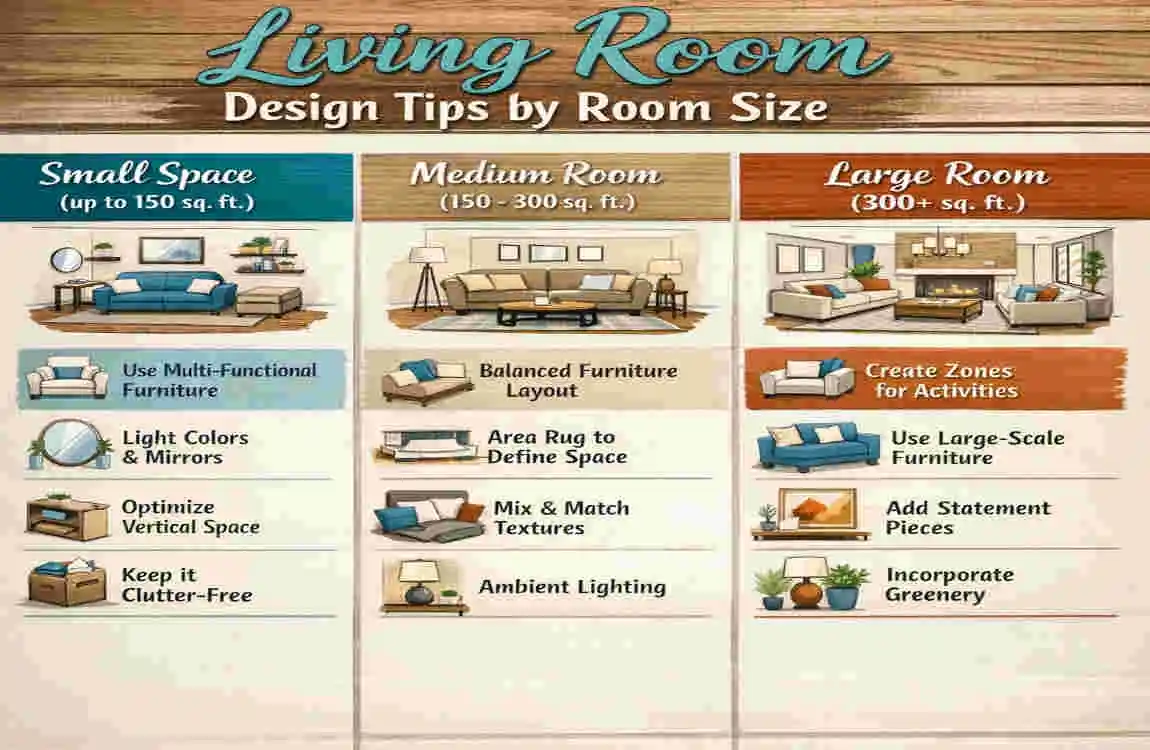
Different room sizes need different design choices. A smart layout should fit the space you already have.
Room Size Smart Design Idea
Small Living Room Use compact furniture and wall-mounted storage.
Medium Living Room Create separate seating and entertainment zones.
Large Living Room Divide the space with rugs, lighting, or furniture arrangements.
Small Living Room
If your living room is small, keep things simple. Choose furniture with clean lines and avoid oversized pieces.
Wall-mounted shelves, light colours, and mirrors can make the room feel much bigger. Try to keep the floor clear so the space feels open.
Medium Living Room
A medium room gives you more flexibility. You can create a main seating area and still leave space for reading, working, or entertainment.
Use rugs or lighting to separate these areas naturally.
Large Living Room
A large living room can feel empty if it is not designed carefully. Break the room into sections using furniture, rugs, or different lighting styles.
This helps the space feel warm and balanced instead of too open or plain.
Common Living Room Design Mistakes
Even a nice room can feel less comfortable if the layout is wrong. Try to avoid these common mistakes.
- Overcrowding the room with furniture
- Ignoring proper lighting
- Choosing oversized décor
- Blocking natural light
- Using too many colours or patterns
Why These Mistakes Matter
Too much furniture makes the room feel cramped. Poor lighting can make it feel dull. Too many patterns or colours can also make the space look messy rather than stylish.
The best approach is usually simple and balanced.
Budget-Friendly Living Room Upgrades
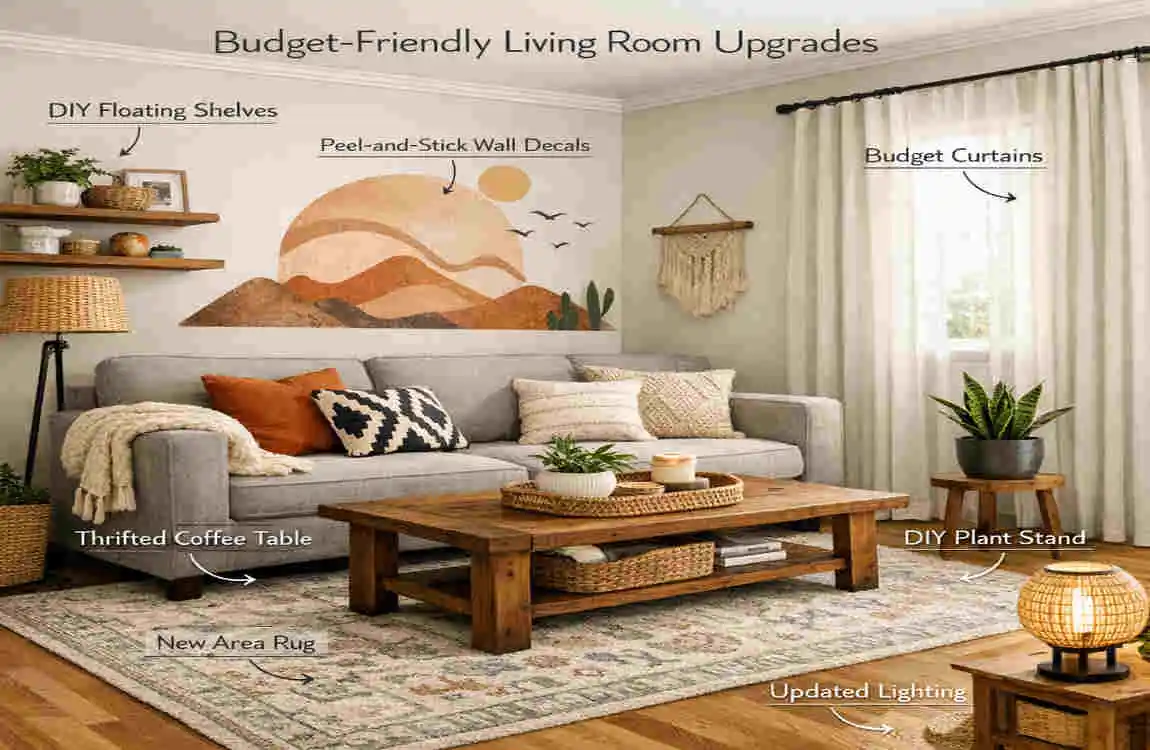
You do not need a full renovation to improve your living room. Small changes can still make a big difference.
Repaint the Walls
A fresh coat of paint can completely change how the room feels. Light colours usually work best for a brighter look.
Update Throw Pillows
New cushions are a quick and affordable way to refresh the space. You can change their colour or texture to match the season or your style.
Add a New Area Rug
A rug can help define the seating area and make the room feel more finished.
Install Floating Shelves
Floating shelves add storage without taking up floor space. They are both useful and stylish.
Rearrange Furniture
Sometimes the best upgrade costs nothing. Moving furniture into a better layout can make the room feel larger and more comfortable.
Decorate with Plants and Artwork
A few plants and wall pieces can add warmth and personality without a big expense.
Simple Tips to Make Your Living Room Feel Smarter
Here are a few easy rules to keep in mind:
- Choose pieces that serve more than one purpose.
- Keep the layout open and easy to move through.
- Use light and neutral colours as your base.
- Add storage wherever possible.
- Decorate with a few strong pieces instead of too many small ones.
These simple habits can help your living room look better and work better every day.
Frequently Asked Questions
What is the best colour for a living room?
Neutral colours like white, beige, grey, and soft cream are popular because they make the room feel larger and pair well with many styles.
How can I make a small living room look bigger?
Use light colours, mirrors, compact furniture, and minimal décor. Keeping the room uncluttered also helps a lot.
What furniture is essential in a living room?
Most living rooms need a sofa, a coffee table, a TV unit, a storage piece, a seating chair, and good lighting.
How do I decorate my living room on a budget?
Repaint the walls, add affordable cushions, use plants, rearrange furniture, and choose low-cost wall art.
How often should I update my living room design?
Small updates every 2–3 years and bigger changes every 7–10 years can help keep the room fresh.
| Topic | Details |
|---|---|
| Purpose | Create a comfortable, functional, and stylish living room for everyday use. |
| Best Design Style | Modern, contemporary, minimalist, Scandinavian, farmhouse, or traditional. |
| Ideal Color Palette | Neutral shades like white, beige, gray, with accent colors such as navy, green, or mustard. |
| Furniture Essentials | Comfortable sofa, coffee table, accent chairs, TV unit, and storage cabinets. |
| Lighting Tips | Combine natural light with ceiling lights, floor lamps, and table lamps for layered lighting. |
| Space-Saving Ideas | Use multifunctional furniture, floating shelves, nesting tables, and hidden storage. |
| Flooring Options | Hardwood, luxury vinyl flooring (LVF), laminate, tile, or carpet depending on lifestyle. |