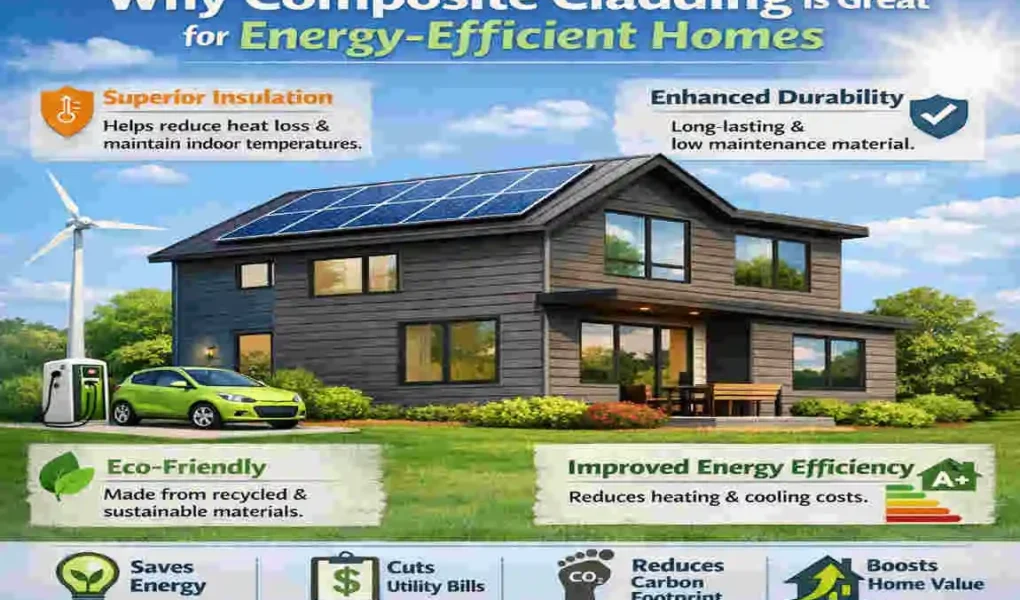
Modern homeowners want homes that look good, stay comfortable, and cost less to run. Composite cladding helps with all three. It adds a protective outer layer to the home, improves insulation, and supports a more energy-efficient living space.
It is made from a mix of wood fibers, recycled materials, and strong polymers. This gives it the warm look of wood but with better durability and less upkeep. If you are thinking about improving your home’s exterior, composite cladding is worth a close look.
What Is Composite Cladding?
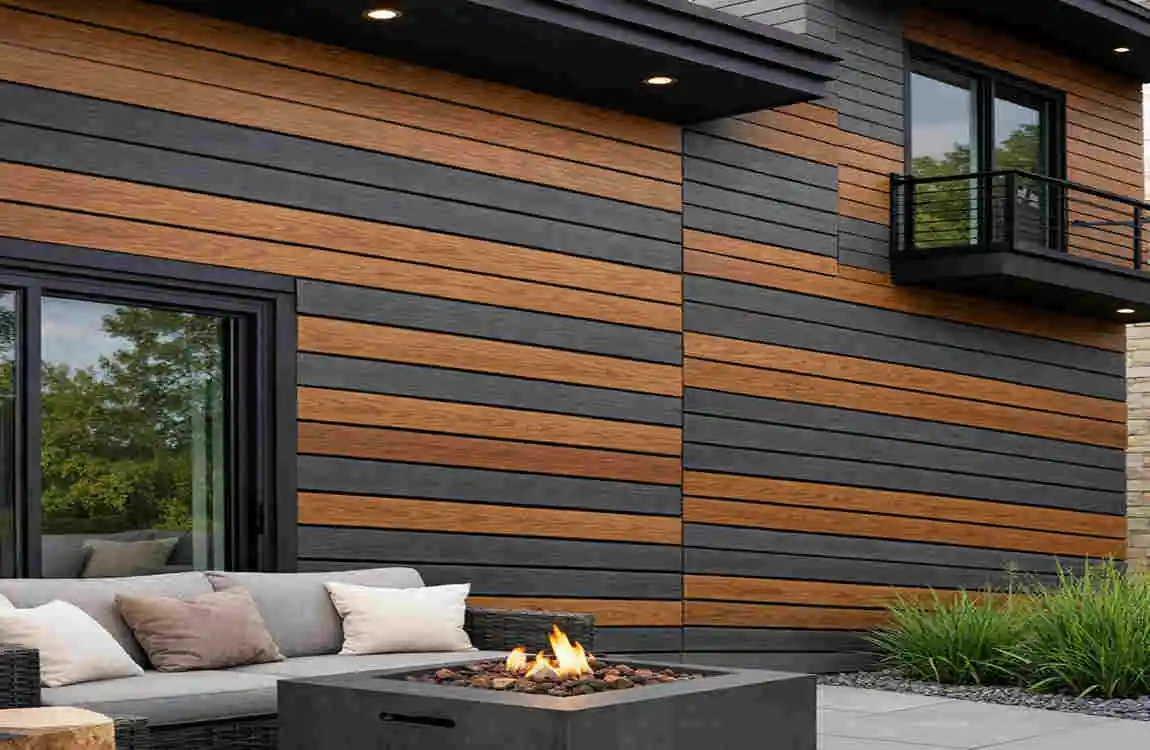
Composite cladding is an exterior wall covering used to protect a house from the elements, temperature fluctuations, and moisture. It works like a shield for your luxury home.
Unlike traditional wood siding, it is designed to resist common problems such as:
- Moisture damage
- Cracking
- Fading
- Warping
- Temperature-related wear
It also comes in many colors, finishes, and textures. That means it can suit modern homes, classic homes, and eco-friendly designs just as well.
How Composite Cladding Helps Energy Efficiency
Better Thermal Insulation
One of the biggest benefits of composite cladding is better insulation. It adds an extra layer to the outside of your home, which helps slow down heat transfer.
In simple terms, that means:
- Warm air stays inside during winter
- Heat stays outside during summer
- Your home feels more stable and comfortable
This can make heating and cooling systems work less hard, which is good for both comfort and energy use.
Lower Energy Bills
When a luxury home holds its indoor temperature better, it usually needs less heating in cold months and less cooling in hot months. That can lead to lower utility bills over time.
For homeowners, this is a practical benefit. You are not just improving the look of your house—you are also helping it run more efficiently.
Better Weather Protection
Energy-efficient homes need robust protection against external conditions. Composite cladding helps by forming a barrier against:
- Rain
- Wind
- Moisture
- Drafts
This matters because damaged or poorly protected walls can let heat escape and cold air enter. Composite cladding helps reduce that risk, which supports a more comfortable indoor environment.
Key Benefits of Composite Cladding
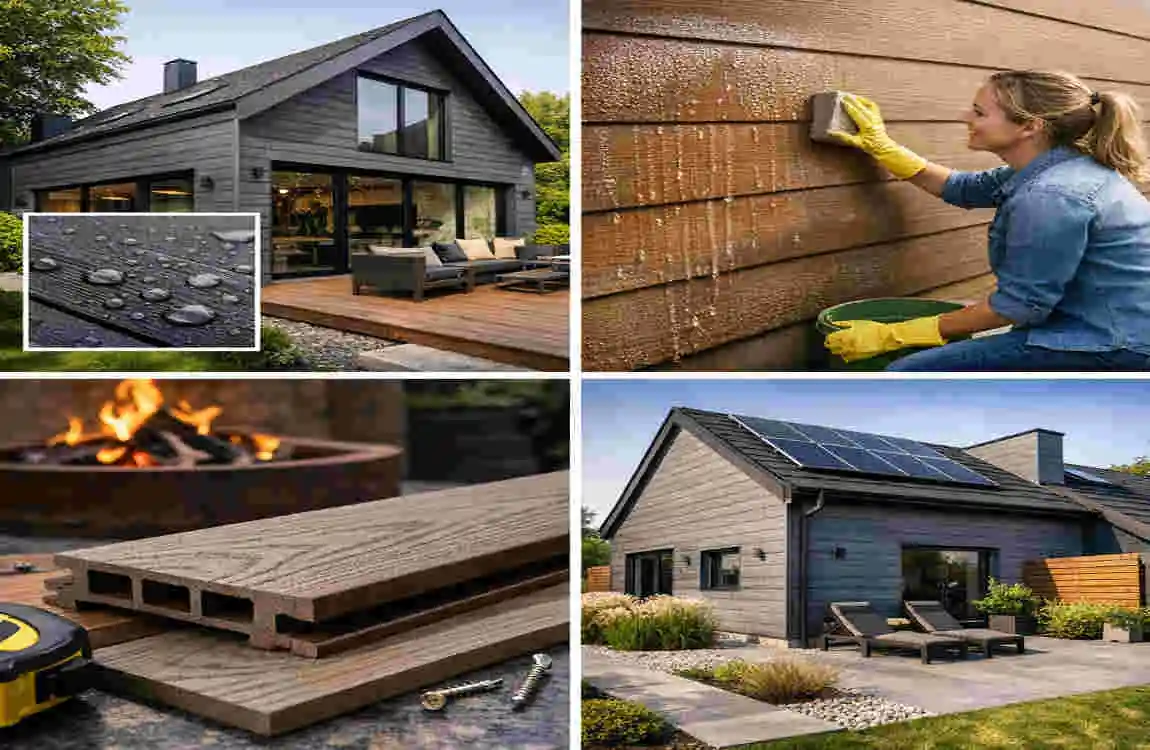
FeatureBenefit
Thermal protection Helps keep indoor temperatures more stable
Weather resistance Protects walls from rain, wind, and moisture
Low maintenance Needs less upkeep than wood siding
Long lifespan Offers durable exterior protection
Modern appearance Comes in many colors and styles
Eco-friendly options Often made with recycled materials
Composite Cladding vs Traditional Wood Siding
Wood siding has a classic, natural look, and many people love it. But it usually needs more care. It may need regular painting, sealing, and repairs to stay in good shape.
Composite cladding offers a similar appearance with less maintenance and better resistance to common damage. It is less likely to rot, attract insects, or absorb moisture.
Why Many Homeowners Choose Composite
If you want the look of wood without the regular upkeep, composite cladding can be a smart choice. It gives you style and peace of mind.
Is Composite Cladding a Good Investment?
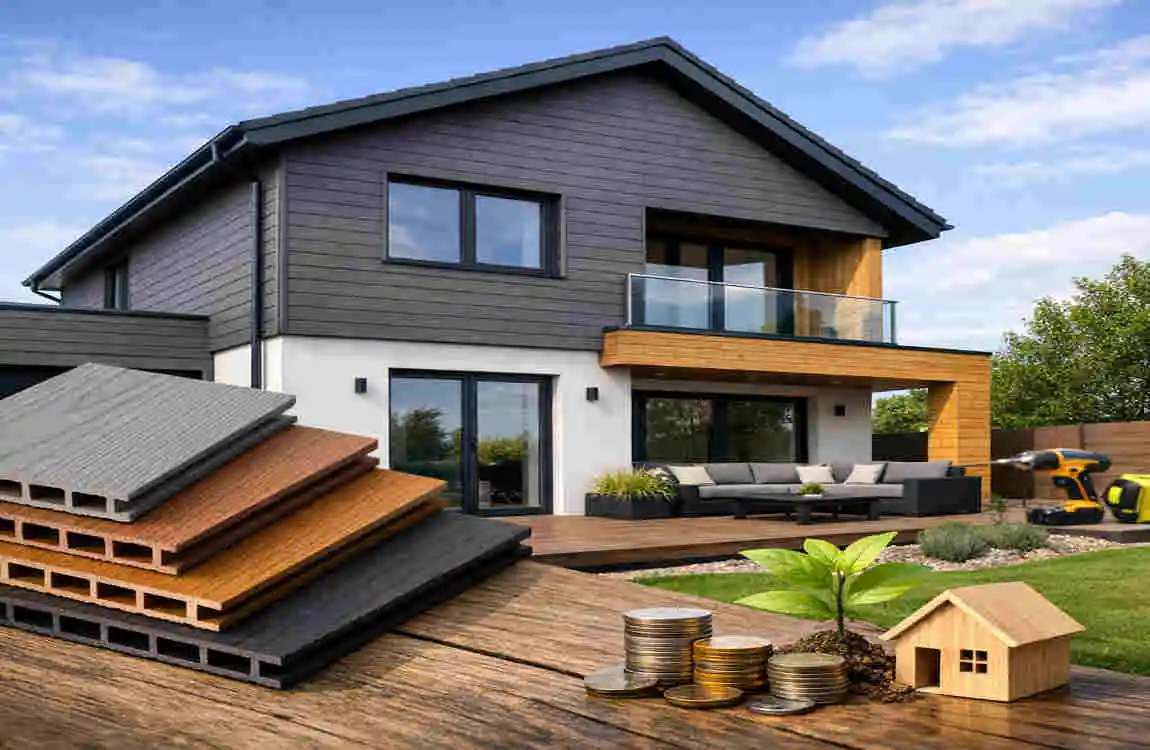
Yes, for many homeowners, it is a strong long-term investment. The upfront cost may be higher than some basic siding options, but the savings can add up over time.
You may benefit from:
- Lower maintenance costs
- Better energy performance
- Fewer repair needs
- Long-lasting exterior protection
If you are building or upgrading an energy-efficient luxury home, composite cladding can be a valuable part of the overall design.
Frequently Asked Questions
Does composite cladding improve insulation?
Yes. It adds an extra layer to the exterior of the home, which helps reduce heat loss and improves wall insulation.
Is composite cladding better than wood siding?
In many cases, yes. It usually needs less maintenance and resists moisture, insects, and weather damage better than wood.
Can composite cladding reduce energy bills?
Yes. By helping keep indoor temperatures more stable, it can reduce the need for heating and cooling.
How long does composite cladding last?
High-quality composite cladding can last for many years, often several decades, if it is properly installed and cared for.
Is composite cladding environmentally friendly?
Many products use recycled materials and last a long time, which can make them a more sustainable option.
| Feature | How Composite Cladding Helps Energy Efficiency |
|---|---|
| Better Insulation | Helps reduce heat loss in winter and keeps homes cooler in summer. |
| Improves Thermal Performance | Creates an extra protective layer that supports stable indoor temperatures. |
| Reduces Energy Bills | Less heating and cooling is needed, lowering monthly energy costs. |
| Weather Protection | Shields walls from rain, wind, and temperature changes, improving home durability. |
| Low Maintenance | Requires less upkeep compared to traditional materials, saving long-term costs. |
| Eco-Friendly Choice | Many composite materials use recycled content and support sustainable building practices. |
| Prevents Heat Transfer | Limits outside temperature changes from affecting indoor comfort. |
| Modern Design Options | Available in various colors and textures while improving home performance. |
| Long Lifespan | Durable construction means fewer replacements and less material waste. |