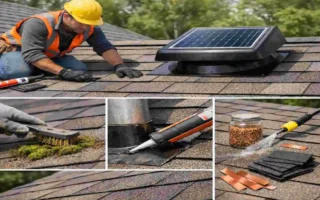

When homeowners prepare to sell, cosmetic upgrades and staging usually receive the most attention. However, buyers and inspectors focus heavily on structural elements, and the roof is one of the most critical components examined before a sale moves forward.
Roof problems discovered during inspection often lead to repair negotiations, price reductions, or delays. Understanding what inspectors evaluate helps sellers prepare early and avoid unexpected obstacles during the selling process.
Overall Roof Condition and Estimated Age
One of the first things inspectors assess is the roof’s general condition and approximate age. Roofing materials naturally deteriorate over time due to exposure to sunlight, wind, rain, and seasonal temperature changes.
Inspectors look for warning signs such as:
- Missing or damaged shingles
- Curling or cracked roofing materials
- Areas that appear uneven or sagging
- Visible wear suggesting the roof is near the end of its lifespan
If the roof appears old or poorly maintained, buyers may expect replacement costs soon and adjust their offers accordingly. Even if replacement is not immediately required, visible aging can raise concerns about future expenses.
Flashing and Leak-Prone Areas
Flashing plays an essential role in preventing water from entering vulnerable roof areas. It is installed around chimneys, vents, skylights, and where roof sections meet walls.
During inspections, professionals carefully check flashing for:
- Rust or corrosion
- Loose or missing sections
- Improper installation
- Gaps allowing moisture intrusion
Damaged flashing is one of the most common causes of roof leaks. Even small problems in these areas can lead to interior water damage if not repaired, making them a frequent inspection concern.
Drainage and Gutter Function
Proper drainage protects both the roof and the home’s foundation. Inspectors examine gutters and downspouts to ensure rainwater flows away from the structure efficiently.
Common drainage issues include:
- Blocked or overflowing gutters
- Sagging gutter sections
- Downspouts directing water too close to the home
- Water pooling or staining on roof surfaces
Poor drainage allows water to collect, which accelerates roof wear and can lead to leaks or foundation problems. Buyers often request repairs when drainage issues appear in inspection reports.
Signs of Interior Moisture or Roof Leaks
Inspectors also check interior areas, especially attics, for signs that roofing problems have already caused damage inside the home.
They look for:
- Water stains on ceilings or attic surfaces
- Mold or mildew growth
- Damp insulation
- Visible daylight through roofing gaps
Even minor leak evidence can alarm buyers, as moisture problems often indicate larger hidden repairs. Addressing these concerns before listing can prevent difficult negotiations later.
Repairs Sellers Commonly Make Before Listing
To avoid inspection surprises, many homeowners choose to address roofing concerns before putting their property on the market. Fixing small problems early often prevents delays or buyer demands for repair credits.
Common pre-listing improvements include:
- Replacing missing or damaged shingles
- Repairing flashing around vents or chimneys
- Cleaning or fixing gutters and downspouts
- Addressing minor leak areas
- Improving roof drainage
Many sellers contact a top rated roofing company in Lincoln NE to resolve inspection-related concerns before listing their homes, helping reduce issues that might otherwise appear in inspection reports.
Taking these steps early helps ensure smoother transactions and stronger buyer confidence.
Early Preparation Helps Prevent Inspection Delays
Roof problems can slow or even derail home sales when inspection reports reveal unexpected repairs. Buyers often hesitate when major roofing concerns arise, fearing future costs.
Preparing the roof before listing reduces the risk of negotiation setbacks and makes the property appear better maintained overall. Since the roof protects every part of the home, ensuring it is in good condition remains one of the smartest steps sellers can take to support a successful sale.