
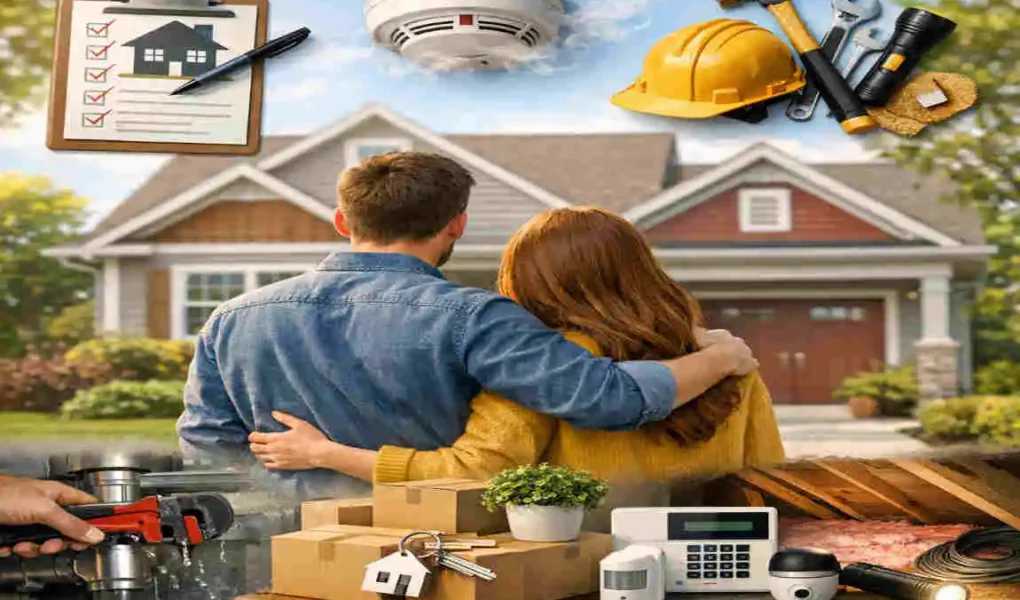
Buying your first home is a big moment. It feels exciting, proud, and a little overwhelming all at once. You finally have a place to call your own, but now you also have new responsibilities.
A safe and well-kept home protects your money, your comfort, and your peace of mind. The good news is that home care does not have to feel complicated. If you learn the basics early, you can avoid many common problems and keep your house in strong shape for years.
Understand Your Home’s Systems
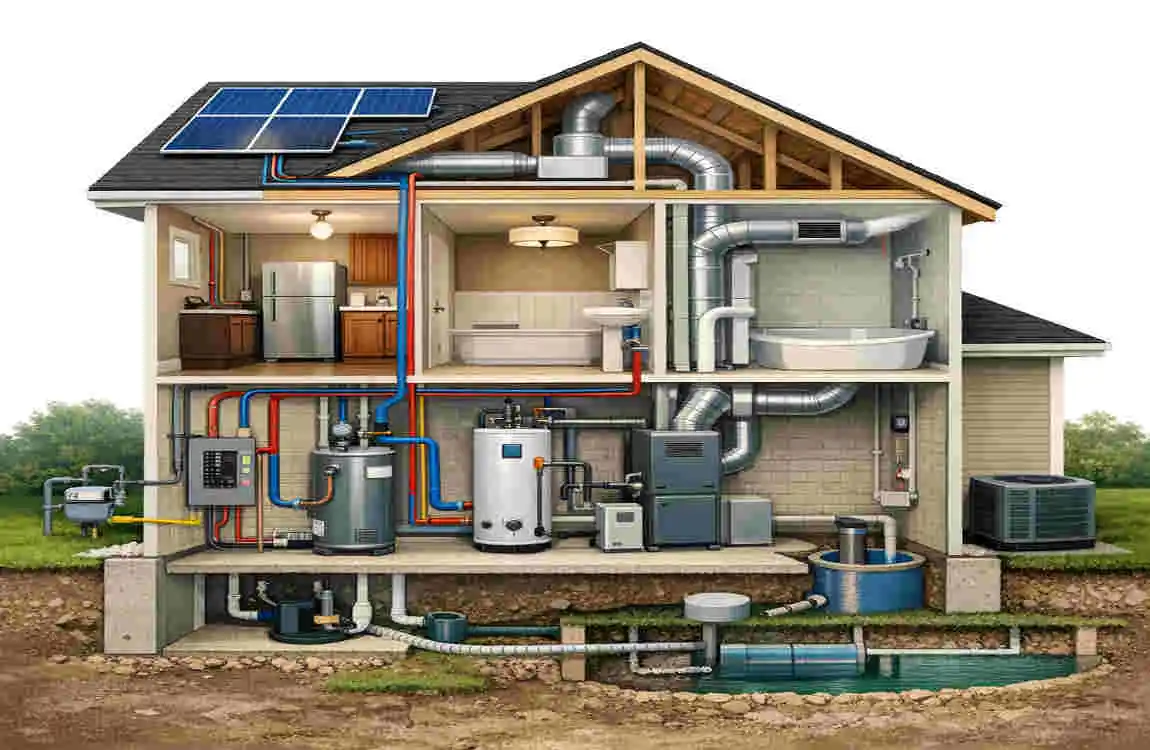
Before you relax and settle in, take time to learn how your home works. This is one of the smartest things you can do as a new homeowner.
Know the Main Controls
You should know where these important systems are located:
- Main water shut-off valve
- Electrical panel
- Gas supply line if your home has one
- Heating and cooling systems
- Water heater controls
Why This Matters
If a pipe bursts or a power issue happens, you will not want to search for these items in a rush. Knowing where everything is can help you act fast during an emergency.
Schedule a Professional Home Inspection
Even if your home looks perfect on the surface, hidden problems may still be there. A professional inspection can reveal issues you might never notice on your own.
What an Inspection Can Find
A trained inspector may spot:
- Roof damage
- Plumbing leaks
- Electrical concerns
- Foundation issues
- Mold or moisture problems
Why You Should Act Early
Small problems are usually much cheaper to fix than major ones. If you handle issues early, you can save a lot of money and stress later.
Create a Regular Home Maintenance Plan
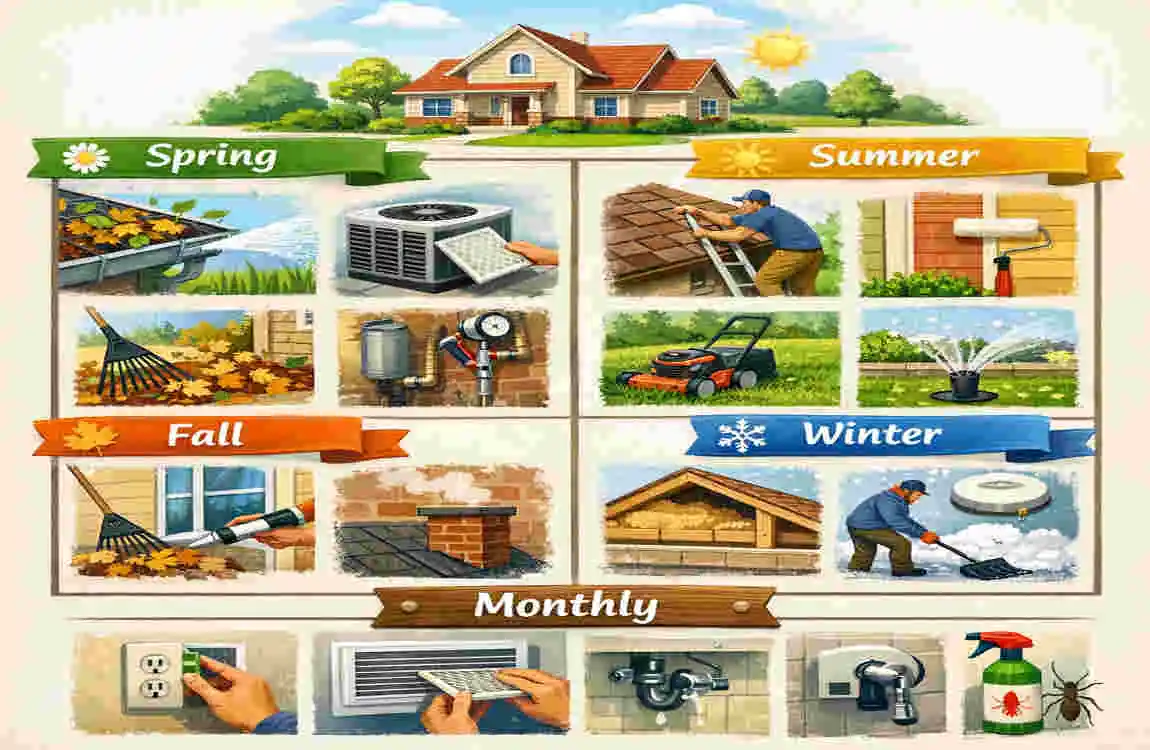
A safe home needs regular care. It is much easier to stay ahead of problems than to deal with repairs after something breaks.
Simple Seasonal Checklist
Area Maintenance Task
Roof Check for missing shingles and leaks
Gutters Clean leaves and debris regularly
HVAC Replace filters and schedule servicing
Plumbing Check pipes for leaks
Exterior Inspect paint, siding, and cracks
Safety Test alarms and security systems
Keep It Simple
You do not need a complicated plan. Just break tasks into seasons or months and handle them one step at a time. A little care often prevents big repair bills later.
Improve Home Safety
Your home should feel secure as well as comfortable. A few simple safety upgrades can make a big difference.
Safety Items to Add
- Smoke detectors on every floor
- Carbon monoxide detectors
- Outdoor lighting
- Secure door locks
- A home security system
Test These Devices Often
Safety devices only help if they work. Check them regularly, replace batteries when needed, and make sure every family member knows what to do in an emergency.
Protect Your Home from Water Damage
Water damage is one of the most common and expensive problems homeowners face. Even a small leak can turn into a larger issue if you ignore it.
What to Watch For
- Dripping faucets
- Damp walls or ceilings
- Water pooling near the foundation
- Musty smells in basements or closets
Smart Prevention Steps
Fix leaks quickly, clean gutters and downspouts, and check basement areas for moisture. You should also make sure water flows away from your foundation, not toward it.
Why This Matters
Water can damage walls, floors, and even the structure of your house. It can also lead to mold, which creates more problems and extra costs.
Learn Basic DIY Home Skills
You do not need to become a full-time repair expert, but learning a few simple skills can help a lot. Basic home knowledge lets you handle small issues without calling someone every time.
Useful Skills to Learn
- Changing air filters
- Unclogging drains
- Patching small wall holes
- Resetting circuit breakers
- Sealing small gaps and cracks
Start Small
Pick one skill at a time and learn it well. These small jobs may seem minor, but they can save time and money over the long run.
Budget for Unexpected Repairs
Even a well-kept home will need repairs now and then. That is part of homeownership, so it helps to be ready.
Common Surprise Costs
- Appliance breakdowns
- Plumbing repairs
- Roof maintenance
- HVAC replacement
Build a Repair Fund
Try to save a little money regularly for home expenses. You do not need a huge amount right away. What matters most is having a backup plan when something unexpected happens.
Keep Important Documents Organized
Good records make homeownership much easier. If something goes wrong, you will want to find the right papers fast.
Store These Documents Safely
- Purchase agreement
- Insurance papers
- Inspection reports
- Repair records
- Warranty information
Why Organization Helps
These documents can help with repairs, insurance claims, and resale later on. Keep them in one safe place so you do not waste time searching for them.
Make Energy-Efficient Improvements
Energy-saving upgrades can lower your bills and make your home more comfortable. They do not always need to be expensive either.
Easy Upgrades to Consider
- LED lighting
- Smart thermostats
- Better insulation
- Energy-efficient appliances
- Sealing windows and doors
Why Small Changes Matter
Little upgrades can lead to long-term savings. They may also help your home stay cooler in summer and warmer in winter.
Build a Relationship with Trusted Professionals

Some home problems need expert help. It is smart to have a few reliable professionals in your contact list before an emergency happens.
Keep Contact Information For
- Plumbers
- Electricians
- HVAC technicians
- Roofers
- General contractors
Why This Helps
When a problem comes up, you will not have to search in a panic. You will already know who to call, and that can save time and reduce stress.
Frequently Asked Questions
What should first-time homeowners do immediately after buying a house?
Change the locks, inspect safety devices, locate important systems, review insurance coverage, and make a maintenance schedule.
How often should a homeowner inspect their house?
Do a basic inspection at least once a year. Seasonal checks for roofs, gutters, plumbing, and HVAC systems are also a good idea.
What are the most important home safety devices?
Smoke detectors, carbon monoxide detectors, secure locks, outdoor lighting, and fire extinguishers are very important.
How can new homeowners reduce maintenance costs?
Regular inspections, quick repairs, energy-efficient upgrades, and proper cleaning can help prevent expensive problems.
What is the biggest mistake first-time homeowners make?
Many new homeowners skip regular maintenance. Small problems like leaks or cracks can become costly repairs if left alone.
| Home Safety Area | Essential Tips for First-Time Homeowners |
|---|---|
| Home Inspection | Get a professional inspection before buying to identify hidden issues with structure, plumbing, electrical systems, and roofing. |
| Electrical Safety | Check wiring, avoid overloading outlets, install safety switches, and repair damaged cords immediately. |
| Plumbing Maintenance | Learn the location of water shut-off valves, check for leaks, and maintain pipes to prevent water damage. |
| Roof Care | Inspect the roof regularly, clean gutters, and fix damaged shingles early to avoid costly repairs. |
| HVAC System | Replace air filters regularly and schedule routine maintenance to keep heating and cooling systems efficient. |