A healthy lawn depends on a sprinkler system that works the way it should. When sprinklers fail, the damage often shows up fast. You may notice brown patches, soggy spots, higher water bills, or grass that looks tired.
The good news is that many sprinkler problems are easy to spot early. If you pay attention now, you can protect your lawn, save water, and avoid bigger repair costs later. Let’s look at the 6 sprinkler issues damaging your home lawn right now and what you can do about them.
Clogged Sprinkler Heads
What Happens
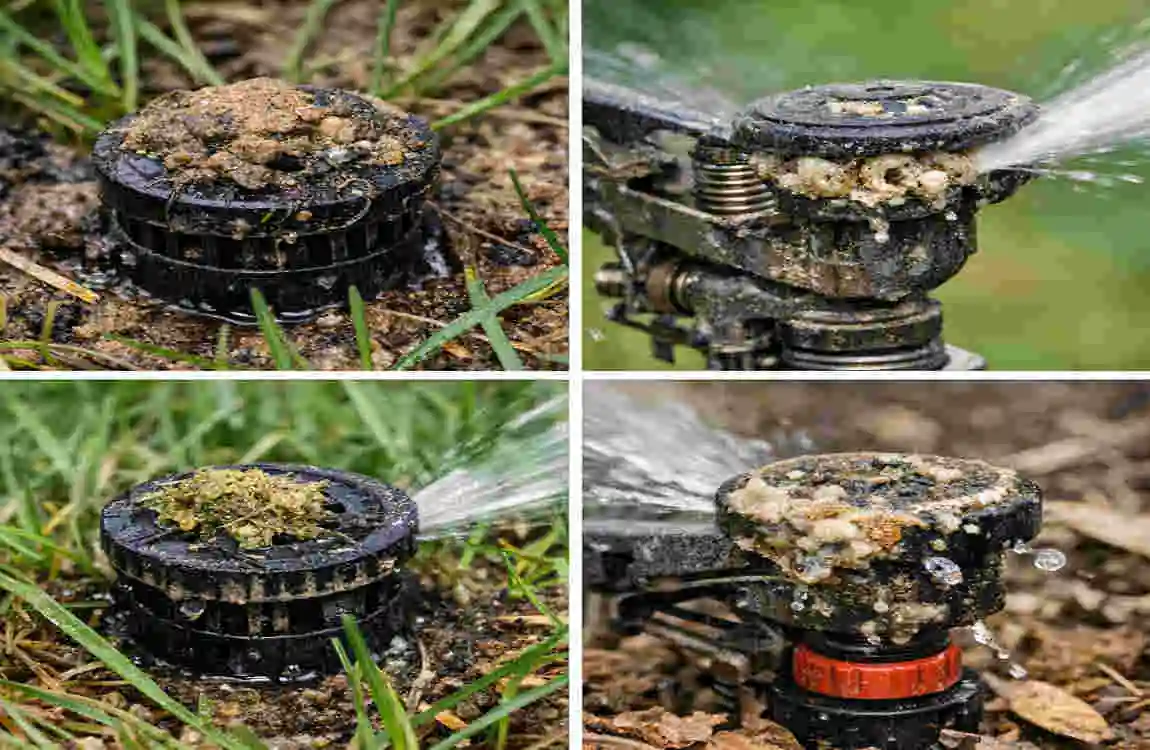
Sprinkler heads can get blocked by dirt, sand, grass clippings, and small debris. When that happens, water cannot flow out properly.
Instead of spreading evenly across the lawn, the water may come out weakly or in the wrong direction. That leaves some areas dry and others under-watered.
Signs to Watch For
- Dry patches in the yard
- Weak or uneven spray
- Water spraying sideways or off target
How to Fix It
Clean the sprinkler heads regularly. If a nozzle is badly damaged or still clogged after cleaning, replace it.
A quick check every month can make a big difference.
Broken or Leaking Sprinkler Heads
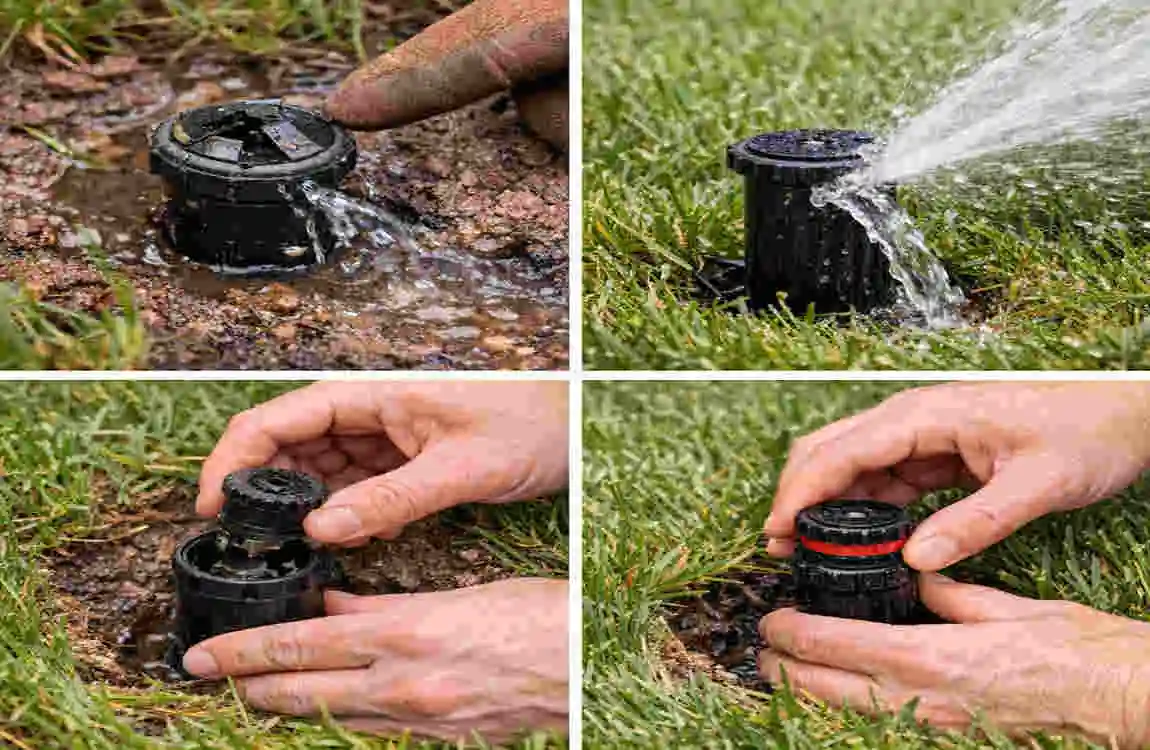
Why This Is a Problem
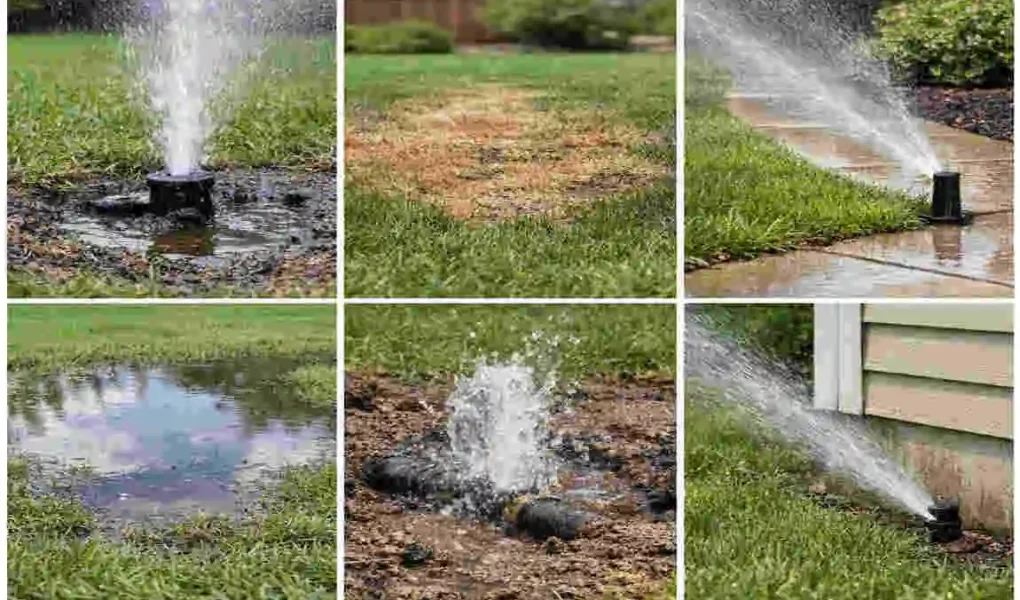
A cracked or broken sprinkler head wastes water fast. Instead of watering your lawn, the system leaks water onto sidewalks, driveways, or muddy ground.
This does not just waste water. It also reduces how well your lawn gets watered.
Signs to Watch For
- Water pooling around sprinkler heads
- Muddy spots in the lawn
- Higher water bills than usual
How to Fix It
Replace broken heads as soon as you notice the damage. Waiting too long usually means more water waste and more lawn damage.
If one head is broken, check nearby ones too. Sometimes the problem affects more than one area.
Incorrect Sprinkler Timing
Why Timing Matters
Watering your lawn at the wrong time can cause more harm than good. If you water during the hottest part of the day, much of it can evaporate before the grass gets it.
Watering too late at night can also create problems by keeping the lawn damp for too long.
Best Practice
- Water early in the morning
- Avoid watering in the midday heat
- Avoid watering late at night
Morning watering helps grass absorb water more effectively and reduces the risk of disease.
Why This Helps
Good timing supports deeper roots. It also reduces fungus growth and helps your lawn stay healthier for longer.
Uneven Water Coverage
What This Means
Sometimes some parts of the lawn get too much water while other areas get too little. This often happens when sprinkler heads are not aligned properly.
A small shift can change how water spreads across the yard.
Common Causes
- Shifted sprinkler heads
- Wrong nozzle type
- Objects blocking the spray, like shrubs or decorations
How to Fix It
Adjust the heads so the water lands evenly across the lawn. If needed, adjust the nozzle to match the area better.
This is one of the easiest ways to improve your watering results without major repairs.
Low Water Pressure
Why It Hurts Your Lawn
If your sprinkler pressure is too low, the water will not travel far enough. That means some parts of the lawn may never get enough moisture.
Low pressure often leads to uneven watering and weak grass growth.
Possible Causes
- Pipe leaks
- Valve problems
- Too many sprinklers running at once
How to Fix It
Check the system for leaks or damaged parts. If the problem comes from too many sprinklers running together, split the watering into separate zones.
That gives each part of the yard the water pressure it needs.
Overwatering Your Lawn
Why Too Much Water Is a Problem
It may seem like more water would always help grass, but that is not true. Too much water can be just as damaging as too little.
Overwatering can cause roots to grow shallow, weakening the lawn over time.
Effects of Overwatering
- Root rot
- Lawn fungus
- Weed growth
- Higher water bills
How to Fix It
Water only when the soil begins to dry. Also, adjust your schedule based on the weather.
If it rained recently, your lawn may not need as much water as usual.
Common Sprinkler Problems and Simple Fixes
Sprinkler IssueMain ProblemSimple Fix
Clogged sprinkler heads Water flow is blocked Clean heads and replace damaged nozzles.
Broken or leaking heads Water is wasted Replace broken heads quickly
Incorrect timing Water evaporates or stays too long Water early in the morning
Uneven water coverage Some areas get too much or too little water Adjust heads and nozzles
Low water pressure Sprinklers do not reach far enough Check leaks and divide zones
Overwatering Roots weaken, and fungus grows Water only when needed
Tips to Keep Your Sprinkler System Working Efficiently
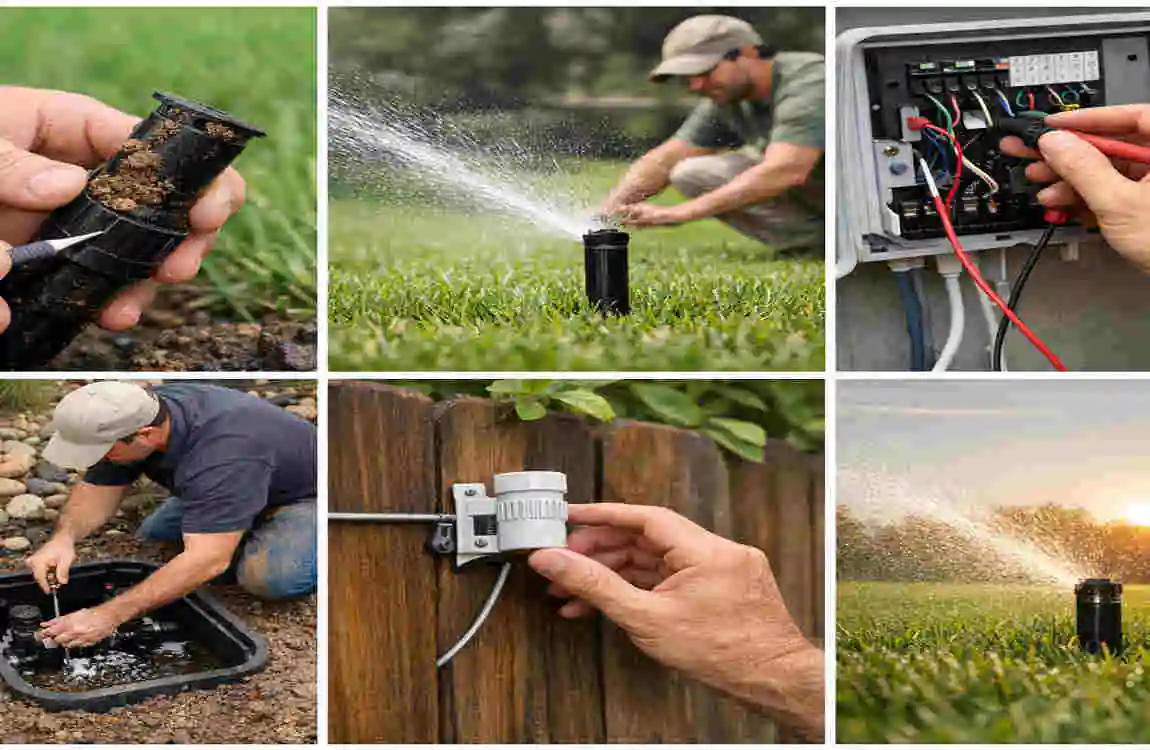
A little regular care can help your system last longer and work better. You do not need to be an expert to stay ahead of most problems.
Simple Maintenance Tips
- Inspect sprinkler heads every month
- Clean nozzles regularly
- Test water pressure each season
- Adjust watering schedules for the weather
- Repair leaks as soon as they appear
- Schedule annual sprinkler maintenance
If you stay consistent, your lawn will usually show the difference.
Frequently Asked Questions
How often should I inspect my sprinkler system?
Inspect it at least once a month and do a full check at the start of each watering season.
Why are there brown patches on my lawn?
Clogged heads, low pressure, misaligned sprinklers, or uneven watering often cause brown patches.
What is the best time to water my lawn?
The best time is early in the morning, usually between 5 a.m. and 9 a.m.
Can overwatering damage grass?
Yes. Overwatering can cause shallow roots, fungus, root rot, weeds, and water waste.
When should I replace sprinkler heads?
Replace them if they are cracked, leaking, clogged beyond cleaning, or no longer water evenly.
| Sprinkler Issue | How It Damages Your Lawn | Simple Solution |
|---|---|---|
| Clogged Sprinkler Heads | Creates dry patches because water cannot flow evenly. | Clean or replace clogged sprinkler heads regularly. |
| Broken or Leaking Sprinklers | Wastes water and causes muddy spots or overwatered grass. | Repair leaks or replace damaged sprinkler parts. |
| Poor Sprinkler Coverage | Some lawn areas receive too much water while others stay dry. | Adjust sprinkler heads for even water distribution. |
| Incorrect Watering Schedule | Overwatering promotes fungus, while underwatering weakens grass. | Water early in the morning and adjust for the season. |
| Low Water Pressure | Prevents sprinklers from reaching the entire lawn evenly. | Check for leaks, valve issues, or clogged pipes. |
| Misaligned Sprinkler Heads | Waters sidewalks or driveways instead of the grass. | Reposition sprinkler heads to target the lawn accurately. |