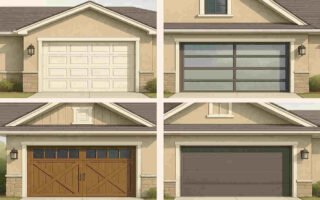
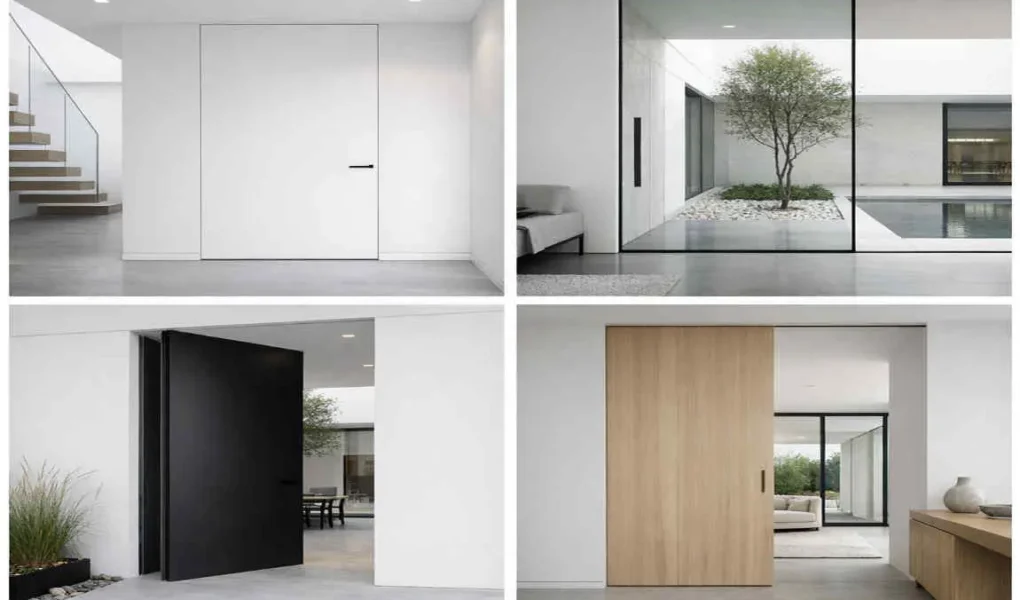
Frameless house doors are a simple way to give your home a clean, modern, and high-end look. They remove the bulky trims and obvious frames you see on traditional doors, so the wall and door blend more smoothly.
If you like minimalist design, these doors can make a big difference. They help rooms feel more open, less crowded, and more polished. That is why many homeowners now choose frameless house doors for new homes and renovations.
What Are Frameless House Doors?
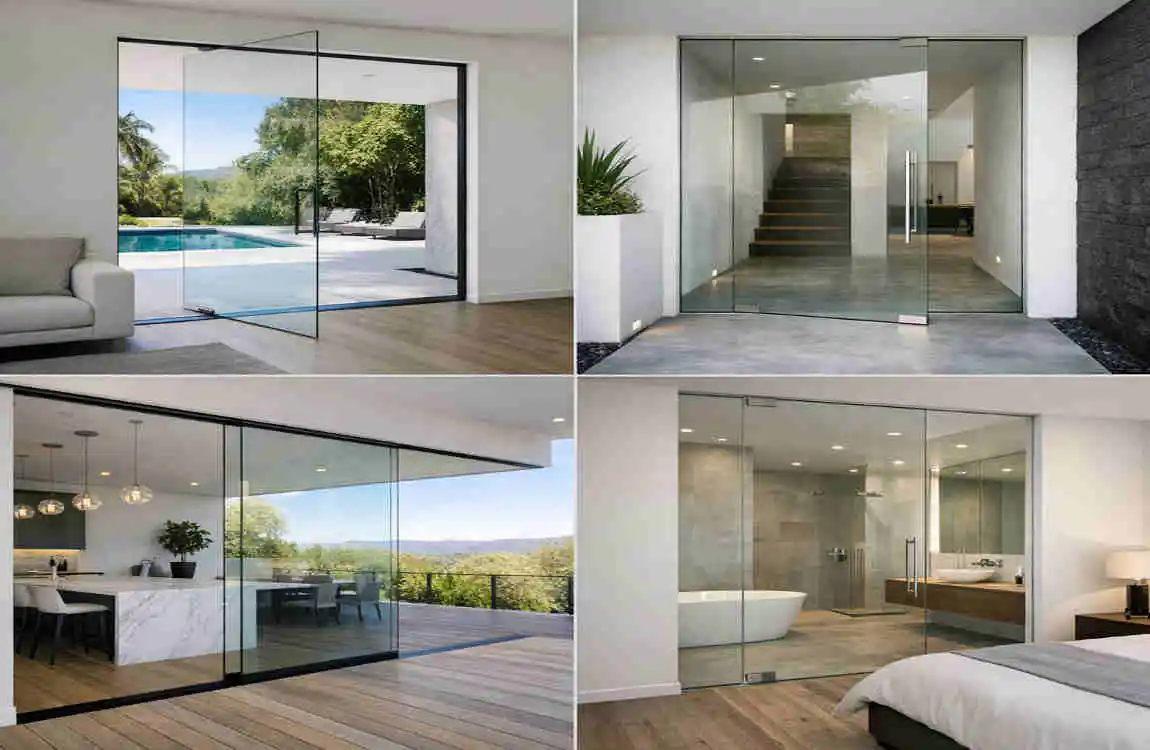
Frameless house doors are designed to sit flush with the wall or nearly so. They use hidden frames, concealed hinges, or special door systems that keep the hardware out of sight.
This gives the room a smoother appearance. Instead of a door standing out as a separate feature, it becomes part of the wall design.
Why They Look So Clean
The biggest reason people like these doors is the visual effect. There are no thick trims, no heavy borders, and no distracting lines.
That makes the whole room feel simpler, more elegant, and calmer.
Where They Fit Best
Frameless house doors work well in homes that use:
- Modern design
- Minimalist interiors
- Contemporary layouts
- Luxury-style finishes
They are a great choice if you want your home to feel open and stylish without looking busy.
Benefits of Frameless House Doors
Modern Appearance
Frameless doors create a sleek and polished look. They fit beautifully in homes that focus on clean lines and simple shapes.
If you want your space to feel current and elegant, this style delivers that feeling right away.
Space-Saving Design
Because they do not use bulky trims or large frames, frameless house doors can make a room seem larger.
This is especially helpful in small homes, narrow hallways, and compact rooms.
Seamless Integration
You can paint the door the same color as the wall, which helps it blend in almost completely.
This creates a smooth look that feels calm and intentional.
Better Property Appeal
High-end design details often make a home more attractive to buyers. Frameless house doors can help your home feel more custom and more valuable.
Easy to Customize
You can choose different:
- Materials
- Finishes
- Colors
- Door sizes
- Hardware styles
That means you can match them to your home instead of forcing your home to match the door.
Popular Materials for Frameless House Doors
Material Features Best For
Wood Warm, natural, classic feel Bedrooms, living rooms
MDF Affordable and easy to paint Modern interiors
Glass Bright and elegant Offices, bathrooms
Aluminum Strong and durable Contemporary homes
Wood
Wood brings warmth into a room. It works well if you want a modern home that still feels inviting and soft.
MDF
MDF is a budget-friendly choice. It is smooth, easy to paint, and works well when you want a very clean finish.
Glass
Glass frameless house doors are a smart option when you want more light to move through the space. They can also make a room feel brighter and more open.
Aluminum
Aluminum is strong and long-lasting. It suits homes that want a sharper, more modern edge.
Where to Install Frameless House Doors
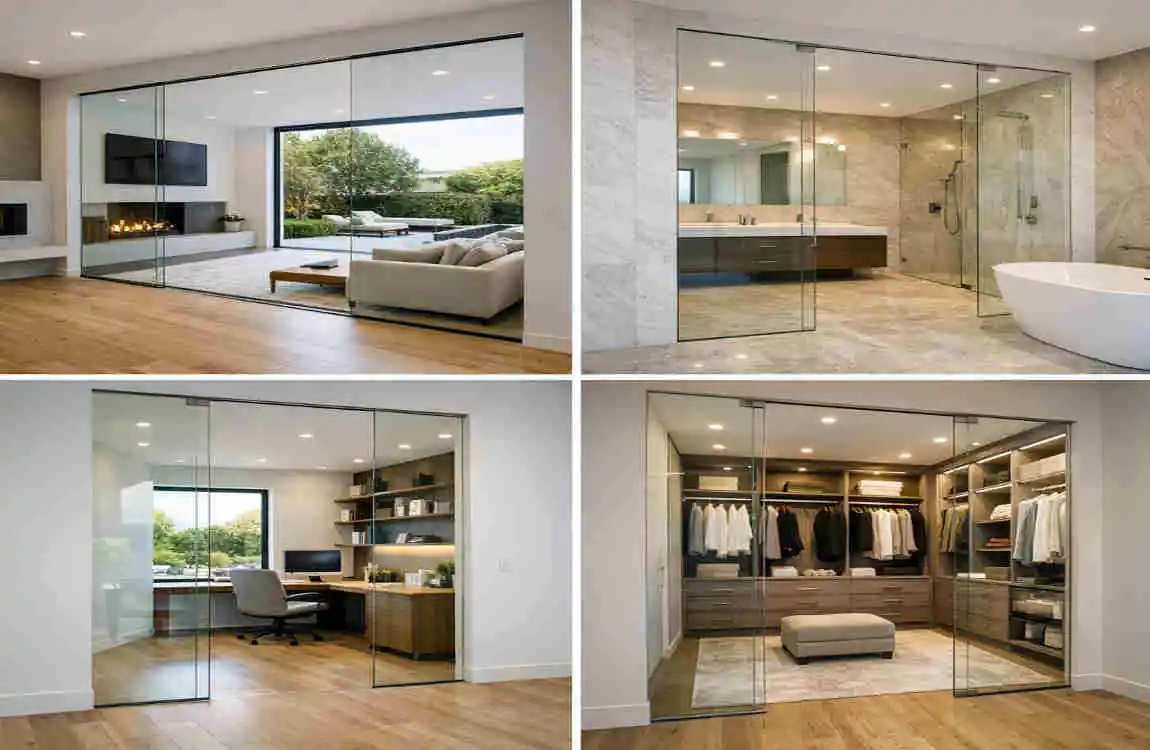
Bedrooms
In bedrooms, frameless doors help create a calm and simple feel. They keep the room looking neat and uncluttered.
Bathrooms
They can work in bathrooms too, especially when you use moisture-resistant materials and proper sealing.
Home Offices
A frameless door can help a home office feel focused and stylish at the same time.
Walk-In Closets
These doors are perfect for closets because they keep storage areas from disrupting the room’s design.
Hallways and Living Areas
In open spaces, frameless house doors help maintain a smooth flow from one area to another.
Are Frameless Doors Worth It?
Yes, for many homeowners, they are worth the investment.
They often cost more than regular doors because they need hidden frames and careful installation. But the result is a premium look that lasts.
Why Homeowners Choose Them
- Clean visual style
- Modern architectural feel
- Good long-term value
- Strong customization options
- Excellent fit for minimalist homes
If style matters to you, frameless house doors can be a smart upgrade.
Maintenance Tips
Frameless house doors are not hard to care for. A little routine attention keeps them looking and working well.
Simple Care Tips
- Wipe them with a soft microfiber cloth
- Tighten hidden hinges when needed
- Lubricate hardware once a year
- Avoid harsh cleaners
- Check alignment from time to time
These small steps help protect the finish and keep the door moving smoothly.
How to Choose the Right Frameless Door
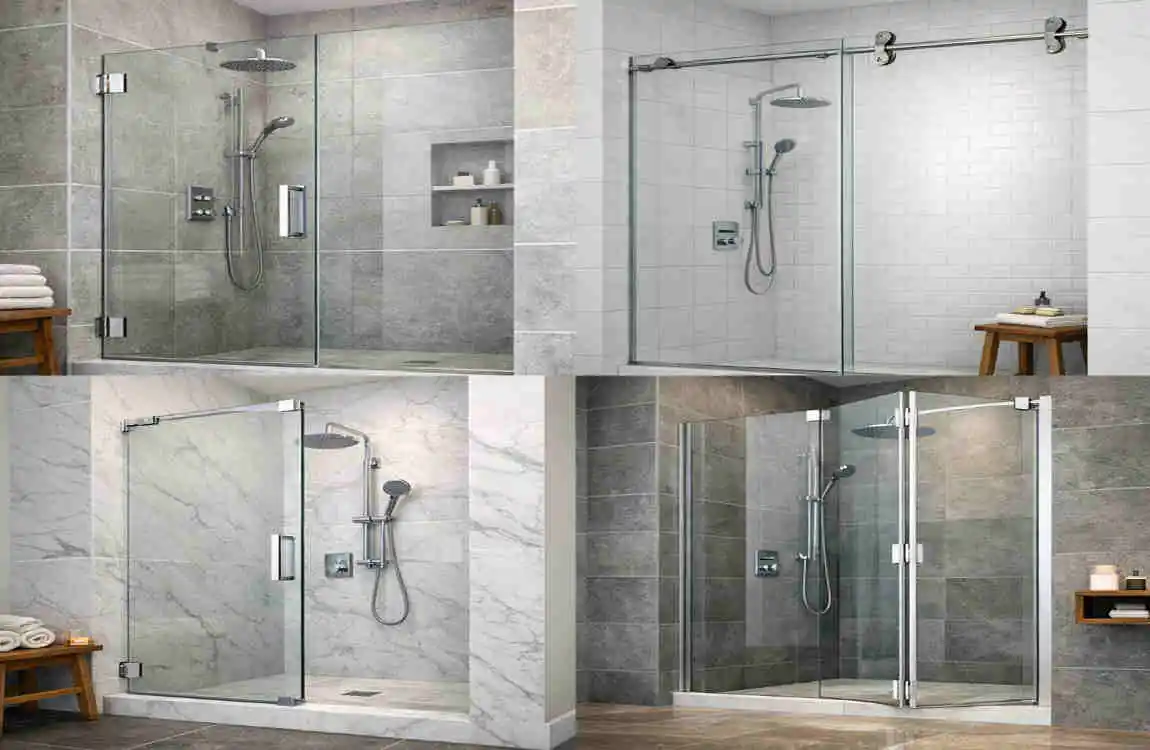
Before you buy, think about your space and your needs.
Key Things to Check
- Wall thickness
- Door material
- Finish and color
- Hardware quality
- Installation needs
- Your budget
Why Installation Matters
Frameless house doors need careful fitting. If they are not installed correctly, they may not sit flush or open smoothly.
Frequently Asked Questions
Are frameless doors durable?
Yes. High-quality frameless house doors made from wood, aluminum, or engineered materials can last a long time.
Can frameless doors be used for bathrooms?
Yes. With moisture-resistant materials and proper sealing, they can work well in bathrooms.
Are frameless doors more expensive than regular doors?
Usually, yes. The hidden frame system and special hardware can increase the cost.
Can I paint a frameless door?
Yes. Many frameless house doors can be painted to match the wall for a seamless look.
Do frameless doors require special installation?
Yes. They need precise alignment, so professional installation is recommended.
Are frameless doors suitable for small homes?
Absolutely. Their clean design can make small rooms feel larger and more open.
| Feature | Details |
|---|---|
| Door Type | Frameless house door with concealed frame and clean edges. |
| Best For | Modern, minimalist, and contemporary homes. |
| Common Materials | Solid wood, aluminum, tempered glass, MDF, and laminate finishes. |
| Design Style | Flush surface, hidden hinges, and seamless appearance. |
| Popular Colors | White, black, gray, natural wood, and matte finishes. |
| Main Benefits | Sleek look, space-enhancing design, easy to match with modern interiors. |
| Ideal Locations | Living rooms, bedrooms, home offices, bathrooms, and entryways. |
| Hardware | Concealed hinges, magnetic locks, hidden handles, or push-to-open systems. |
| Maintenance | Wipe with a soft cloth, clean hardware regularly, and inspect hinges periodically. |