
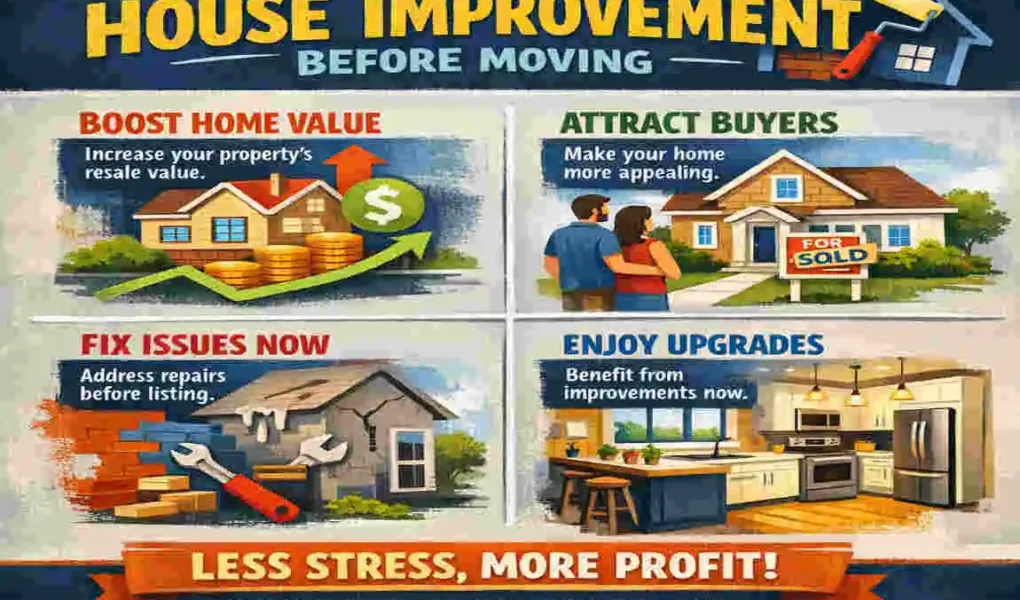
Many people think moving is the only way to get a better home. But that is not always true. With rising property prices, higher moving costs, and the stress of starting over, home improvement is often the better path.
| Factor | House Improvement | Moving Home |
|---|---|---|
| Cost | More affordable and controlled | Expensive (fees, taxes, services) |
| Stress Level | Lower, familiar environment | Higher, involves relocation pressure |
| Time Required | Weeks to months (phased work possible) | Often longer due to planning and transfer |
| Customization | Full control over design and upgrades | Limited to available properties |
| Comfort | Stay in a familiar neighborhood | Adjust to new surroundings |
| Property Value | Increases home resale value | No improvement to old property |
| Convenience | No need to change schools/jobs | Requires full relocation adjustment |
Staying where you are also gives you something valuable: comfort. You already know the area, the neighbors, and the routine. That familiarity matters, especially for families. Instead of giving up your current home too quickly, consider improving it first.
Understanding the True Cost of Moving
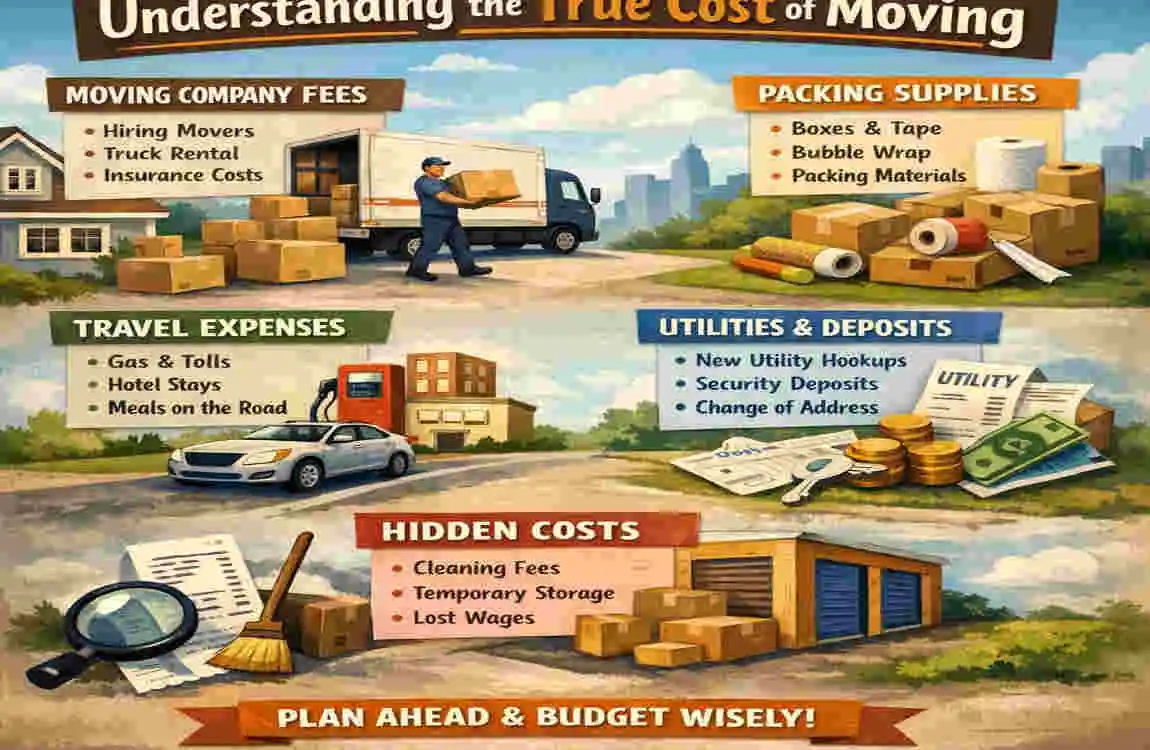
Moving costs more than many people expect. The price is not only about buying a new house. Many other expenses appear along the way.
Financial Costs of Moving
When you move, you may need to pay for:
- Real estate agent fees
- Legal paperwork and fees
- Moving company charges
- Packing supplies and transport
These costs can add up fast and make the whole process more expensive than planned.
Hidden Costs of Relocation
There are also hidden costs that people often forget. You may need to pay utility deposits, make repairs in the new home, or take time off work. On top of that, moving can be emotionally tiring.
Comparison Table: Moving vs Renovating
Factor Moving Home House Improvement
Cost High Moderate
Stress Level High Low–Moderate
Time Required Weeks–Months Days–Weeks
Customization Limited Full Control
This simple comparison shows why renovation often feels easier and more manageable.
Why House Improvement is a Smarter Choice
House improvement gives you more control over your living space. Instead of starting over somewhere new, you can shape the home you already have into something better.
Financial Efficiency
In many cases, renovation costs less than buying a new property. That means you can save money while still improving your quality of life.
Emotional Comfort
A familiar neighborhood can bring peace of mind. Your children may already know the local schools, parks, and friends. That stability is hard to replace.
Customization Freedom
When you improve your own home, you choose how it looks and feels. You can update the kitchen, refresh the bathroom, or redesign the living room to match your style.
Property Value Increase
Smart upgrades can also raise your home’s value. That means house improvement is not just about comfort. It can also be a good financial move later on.
Key Areas of Home Improvement That Add Value
Some upgrades give better results than others. If you want to improve your home wisely, focus on areas that bring both comfort and value.
Kitchen Upgrades
The kitchen is one of the most important parts of any house. Simple changes like cabinet refacing, better lighting, or modern appliances can make a big difference.
Bathroom Renovation
A clean, fresh bathroom always adds value. Water-saving fixtures, better lighting, and a nicer shower can make the space feel more modern.
Living Room Enhancements
New flooring, smart lighting, and small tech upgrades can turn your living room into a more enjoyable space for the whole family.
Exterior Improvements
The outside of your home matters too. Fresh paint, roof repairs, and landscaping can improve both appearance and value.
Energy Efficiency Upgrades
Better insulation, energy-efficient windows, and solar panels can help lower bills while making your home more comfortable.
When Moving Still Makes Sense
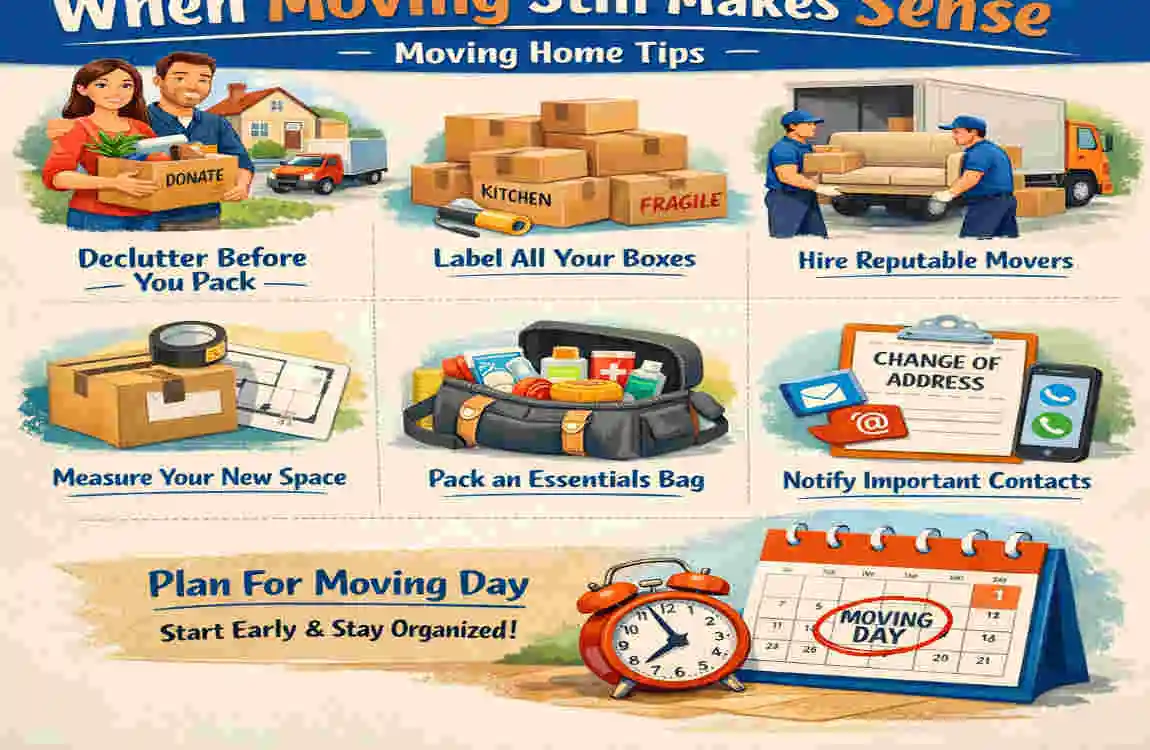
House improvement is not always the answer. Sometimes moving is the better option.
Growing Family Needs
If your home is too small and cannot be improved enough through remodeling, moving may be the right step.
Structural Issues
Some homes have serious problems that are too expensive or unsafe to fix. In that case, moving may be the safer choice.
Lifestyle Change
If you need to move for work, school, or a new way of life, relocation may make more sense than renovation.
Financial Limitations
Sometimes the cost of upgrading a home is just too high. If renovation becomes more expensive than moving, then moving may be the better option.
Smart Moving Home Tips Before Deciding
Before you choose, take a step back and look at the full picture. These moving home tips can help you think clearly.
Evaluate Your Current Home Objectively
Look at your home honestly. Ask yourself whether the space is being used well, whether the structure is in good shape, and whether the home still fits your future needs.
Compare Renovation vs Buying Costs
Get quotes from contractors and compare them with the cost of moving. Talk to real estate professionals if needed. This will give you a more realistic view.
Consider Long-Term Value
Think beyond today. Will the home still suit your life in five years? Will the changes help if you decide to sell later? These questions matter.
Plan Renovations in Phases
You do not need to do everything at once. Small, step-by-step improvements can make the process easier on your budget and schedule.
Avoid Emotional Decision-Making
Stress can make people want to move too quickly. Stay calm and use practical information to guide your choice. Good moving-home tips are always based on facts, not on frustration.
Step-by-Step Decision-Making Guide
If you feel stuck, use a simple process to decide what to do next.
- Look at the condition of your current home
- Write down possible improvements
- Estimate renovation costs
- Compare those costs with moving expenses
- Think about your family’s needs and home comfort
- Choose the option that gives the best long-term benefit
This approach keeps the decision clear and manageable.
Common Mistakes Homeowners Make
Many people rush into the wrong choice because they do not plan well.
Underestimating Renovation Costs
Small projects often turn into bigger ones. Always leave room in your budget for surprises.
Overvaluing New Properties
A new house is not always perfect. It may also need repairs, updates, or improvements after you move in.
Ignoring Emotional Attachment
Sometimes people move because they feel tired or frustrated. But once the stress passes, they realize they miss their old home.
Poor Planning
Without a clear budget and timeline, both moving and renovating can become overwhelming.
Expert Insights on Home Improvement vs Moving
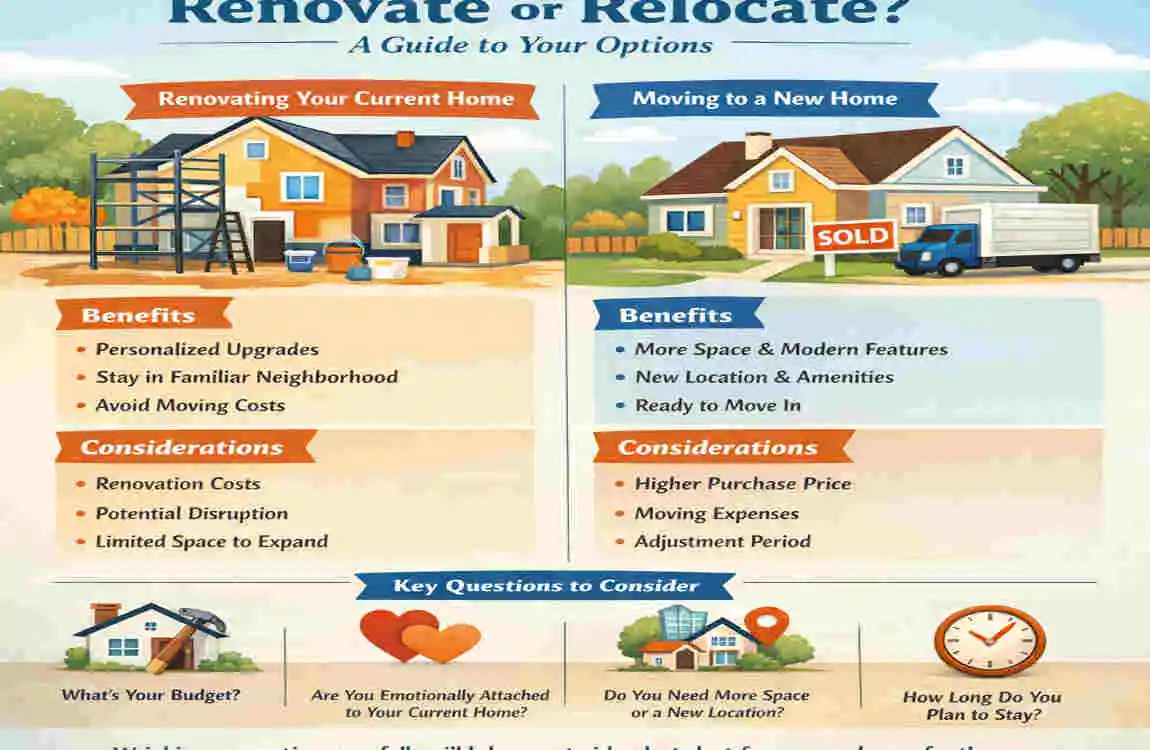
Many experts agree that home improvement is often the better first step. It usually gives a stronger return on investment and helps homeowners feel more settled.
Professionals often suggest using moving home tips to compare the real cost of both options before making a final choice. In many cases, improving your current home offers greater comfort, better value, and less disruption.
FAQ Section
Is renovating cheaper than moving?
In most cases, yes. Renovation often costs less than buying a new home and paying all the extra moving expenses.
What are the best improvements before selling a home?
Kitchen updates, bathroom upgrades, and better curb appeal usually make the biggest difference.
How do I decide between moving and improving?
Compare your costs, your family’s needs, and the long-term value of each choice. That will help you decide more clearly.