
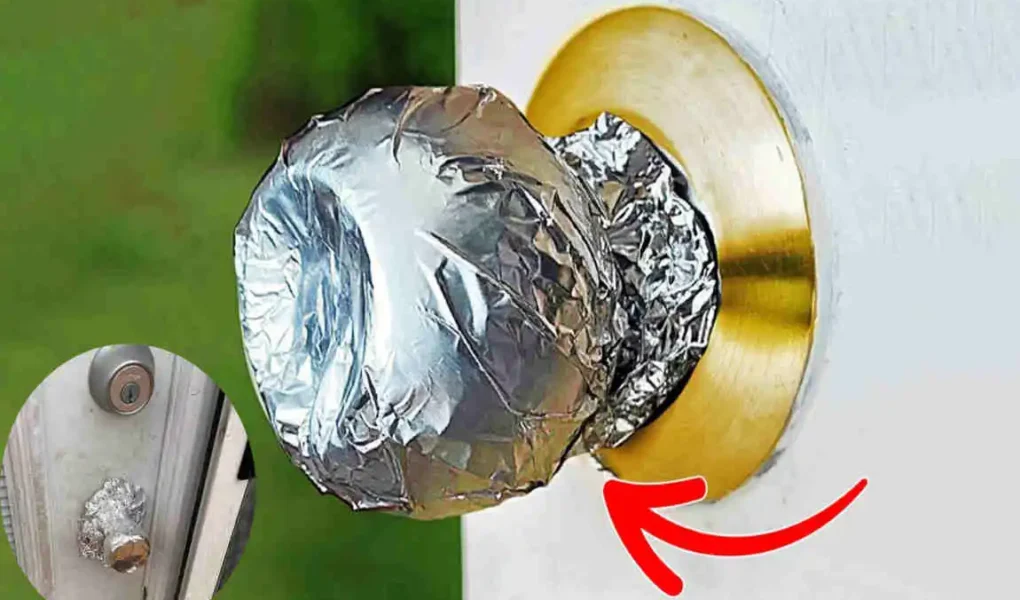
Have you ever noticed someone wrapping aluminium foil around a doorknob and wondered, “Why put foil on a doorknob?” This simple household trick may look unusual, but many homeowners use foil during painting projects, home repairs, cleaning, and renovations.
Aluminium foil is a cheap and easily available material that can provide temporary protection for door hardware. Instead of removing the entire doorknob before a project, homeowners can cover it with foil to prevent paint marks, dust, scratches, and fingerprints.
However, there are also many myths about using foil on door handles, especially online claims about security benefits. While foil can be useful for protecting surfaces, it is not a replacement for proper locks or home safety systems.
Why Put Foil on Door Knob? Understanding the Purpose
Protecting Door Knobs During Painting Projects
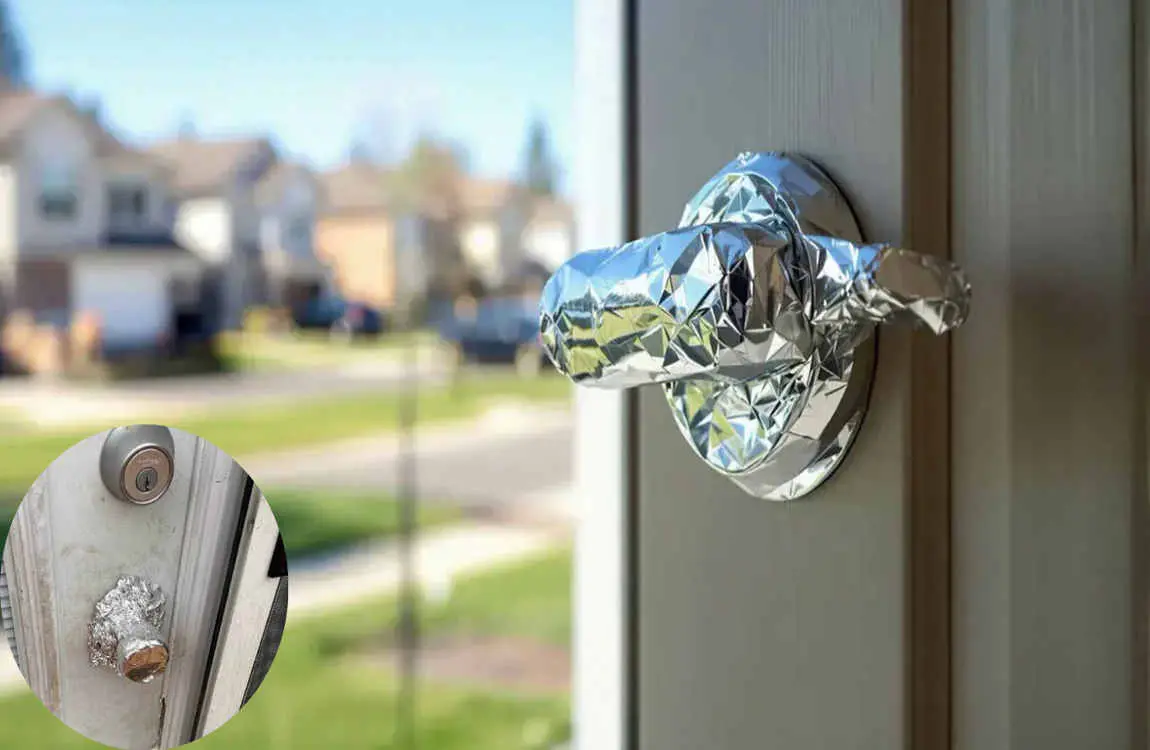
One of the most common reasons people search “why put foil on door knob” is because they want an easy way to protect hardware during painting.
When painting walls, doors, or trim, paint splashes can easily reach nearby surfaces. Door knobs are especially difficult to clean because dried paint can stick to metal finishes and create an unwanted appearance.
Instead of removing the doorknob completely, you can wrap it with aluminium foil. The foil creates a temporary barrier that catches paint drops and keeps the handle clean.
This method is especially useful for DIY homeowners who want a faster and easier painting process.
Benefits include:
- Preventing paint stains
- Saving cleaning time
- Avoiding unnecessary hardware removal
- Protecting expensive door handles
Preventing Damage During Home Renovations
Home renovation projects often create dust, dirt, and accidental scratches. Small details like door handles can easily be overlooked during construction work.
Wrapping a doorknob with foil helps protect it from:
- Paint splashes
- Construction dust
- Scratches from tools
- Cleaning chemicals
- Accidental damage
Although foil is not a permanent protective cover, it works well for short-term projects.
A small amount of protection can help you avoid replacing damaged hardware later.
Creating a Temporary Safety Reminder
Sometimes homeowners use covered door knobs as a simple reminder that work is happening in a specific area.
For example, during remodelling or repairs, a wrapped door handle can signal:
- Fresh paint nearby
- Wet surfaces
- Ongoing maintenance work
- Restricted use areas
This is not a professional safety system, but it can help family members notice that extra care is needed.
How to Put Foil on a Door Knob Properly
Using foil on a doorknob is simple, but following the correct steps can improve the results.
Materials You Need
Before starting, collect these basic items:
- Aluminum foil
- Scissors
- Cleaning cloth
- Tape (optional)
These items are affordable and usually available in most homes.
Step-by-Step Guide to Wrapping a Door Knob
Clean the Door Knob Surface
Before applying foil, wipe the door knob with a clean cloth.
Removing dust and grease helps the foil stay in place better.
Cut a Suitable Piece of Foil
Cut enough foil to cover the entire handle area.
Avoid using a piece that is too small because gaps may leave parts of the knob exposed.
Wrap the Foil Around the Handle
Carefully place the foil around the doorknob and press it gently into shape.
Make sure the foil covers the areas you want to protect.
Secure Loose Edges
If the foil keeps moving, use a small piece of tape to hold it in place.
Avoid covering locks or areas that need regular access.
Remove Carefully After Use
Once your project is complete, remove the foil gently.
Do not leave torn pieces behind because they can make the door look messy.
Tips for Better Results
For better protection:
- Use thicker foil for stronger coverage.
- Replace foil if it becomes damaged.
- Avoid wrapping the lock area completely.
- Use foil only for temporary protection.
Common Reasons People Search “Why Put Foil on Door Knob”
Keeping Door Handles Clean
Door handles are touched many times every day, which means they collect fingerprints, dirt, and germs.
Using foil temporarily can help keep the handle cleaner during:
- Home repairs
- Moving days
- Deep cleaning projects
- Renovations
It reduces direct contact with the surface and makes cleanup easier.
Protecting Hands From Hot Door Handles
Some people use foil as a temporary barrier when dealing with hot surfaces.
However, aluminium foil should not be considered proper insulation. It does not provide reliable protection from heat.
For outdoor doors exposed to sunlight, better solutions include:
- Heat-resistant covers
- Proper door materials
- Shade protection
Avoiding Fingerprints and Smudges
Metal door knobs, especially shiny finishes, often show fingerprints quickly.
Covering them with foil during busy projects can help maintain a cleaner appearance.
This is useful when:
- Painting a room
- Hosting an event
- Moving furniture
- Completing home improvements
Does Foil on a Door Knob Improve Home Security?
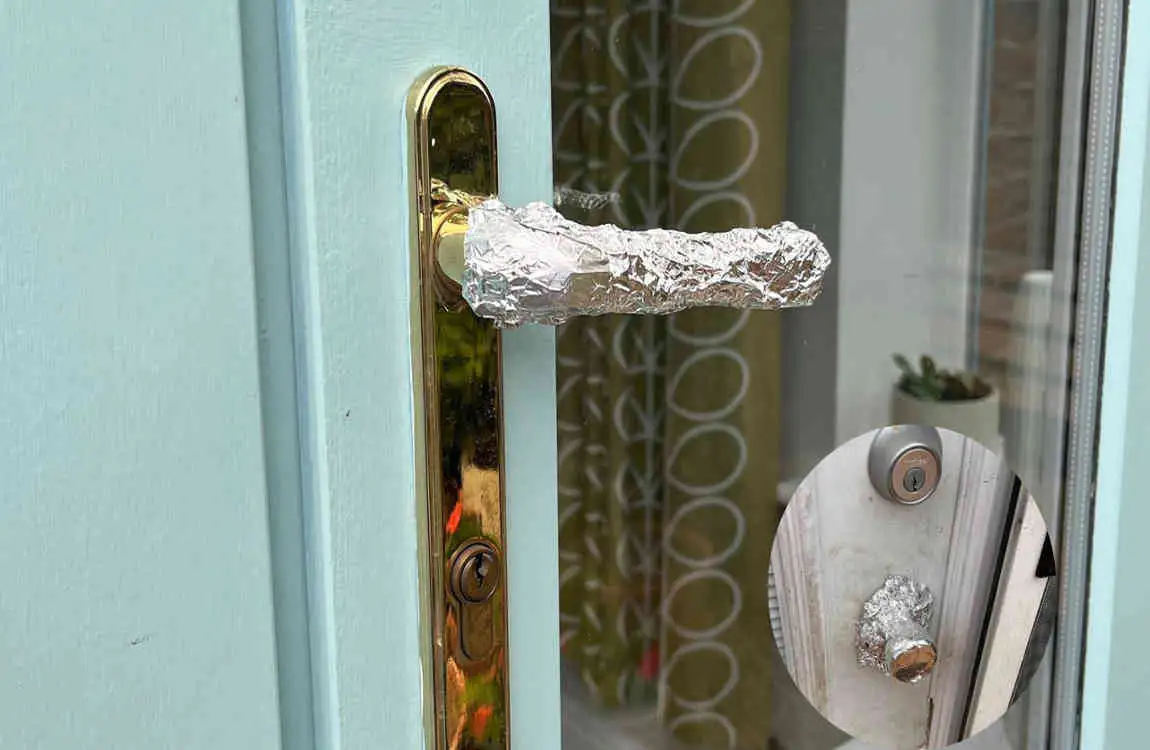
Myths About Aluminium Foil and Door Knob Safety
Many online discussions create confusion about the purpose of foil on door knobs.
Some people believe foil can prevent unwanted entry or protect homes from burglars.
However, aluminium foil does not:
- Stop break-ins
- Strengthen a door
- Replace security locks
- Prevent forced entry
Foil is simply a protective covering for the door handle.
Real Ways to Improve Door Safety
If your goal is better home security, focus on proven methods.
Useful improvements include:
- Installing strong door locks
- Using deadbolts
- Adding door sensors
- Improving outdoor lighting
- Maintaining door frames
- Installing security cameras
These solutions provide actual protection compared to temporary tricks.
Advantages and Disadvantages of Using Foil on Door Knobs
AdvantagesDisadvantages
Affordable household item Temporary solution only
Easy to apply Can tear easily
Protects surfaces Does not improve security
Helps during painting May look unattractive
Reduces cleaning work Requires replacement
Other Useful Household Uses of Aluminium Foil
Protecting Surfaces During DIY Projects
Aluminium foil is useful for protecting different areas around the home.
You can use it for:
- Covering hardware
- Protecting furniture edges
- Reducing cleanup time
- Covering small items during painting
Its flexible shape makes it easy to wrap around unusual surfaces.
Temporary Covers for Small Home Tasks
During quick repairs, foil can act as a temporary cover.
Examples include:
- Protecting fixtures
- Covering handles
- Shielding small surfaces from dust
It is convenient because it can be removed quickly after the task is finished.
Cleaning and Maintenance Uses
Aluminium foil has several household uses beyond door knobs.
Some people use it for:
- Protecting surfaces
- Covering items during storage
- Supporting small cleaning tasks
Always use it carefully and choose the correct material for each job.
Safety Tips When Using Foil Around Door Knobs
Avoid Covering Emergency Exits
Never allow foil or any covering to interfere with important exits.
Doors should always remain easy to open during emergencies.
Do Not Use Foil as a Security Solution
If you are concerned about home safety, do not depend on foil.
Use reliable security methods such as quality locks, alarms, and proper maintenance.
Remove Foil After Completing the Task
Leaving foil on a doorknob for too long is unnecessary.
Removing it after your project helps:
- Keep your home looking neat
- Prevent torn foil pieces
- Maintain the appearance of your hardware
Is Putting Foil on a Door Knob Worth It?
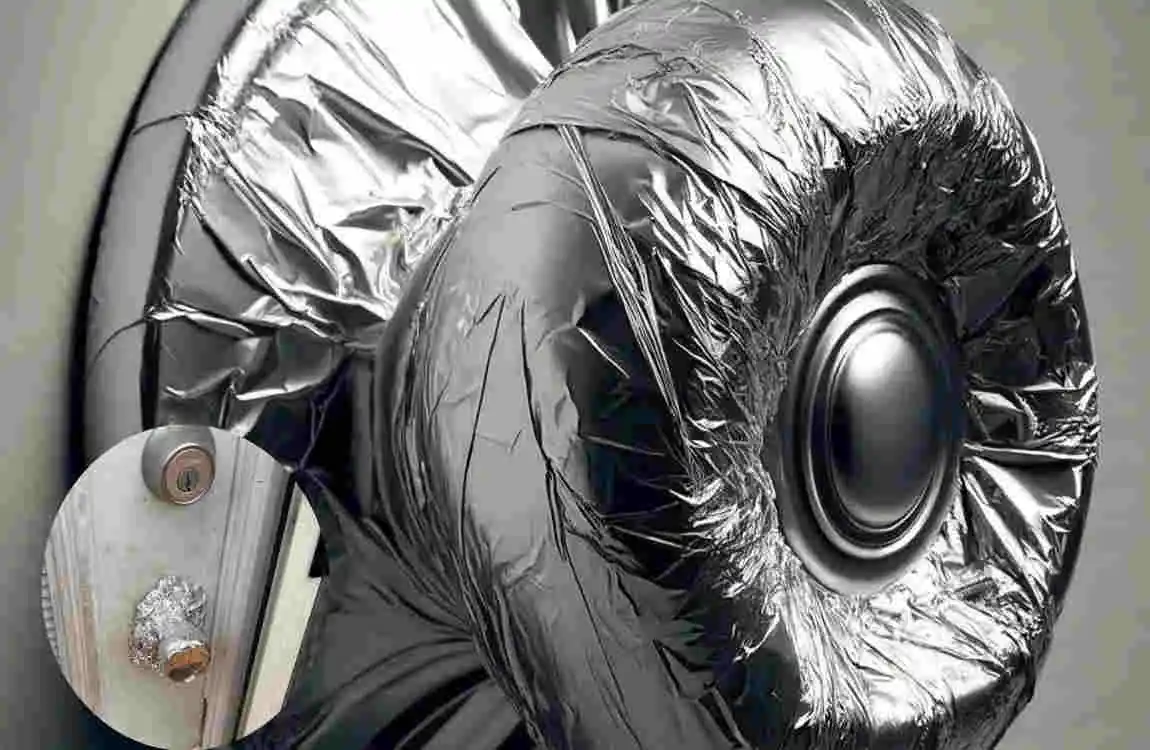
When Foil Is Helpful
Using foil on a doorknob can be useful for:
- Painting projects
- Home renovations
- Temporary protection
- Cleaning tasks
It is a simple and inexpensive solution for short-term needs.
When You Should Use Better Alternatives
Foil is not suitable for:
- Long-term protection
- Security improvements
- Outdoor weather protection
For these situations, use materials designed specifically for the job.
Frequently Asked Questions (FAQ)
Q: Why put foil on a doorknob?
People put foil on door knobs mainly to protect them during painting, renovation, and cleaning projects. It acts as a temporary cover that prevents stains and damage.
Q: Does aluminium foil on a doorknob stop burglars?
No. Aluminium foil does not improve door security or prevent forced entry. Strong locks, cameras, and security systems provide better protection.
Q: How long can you leave foil on a doorknob?
Foil should usually be used temporarily and removed after finishing your project.
Q: Can foil damage a door knob?
Generally, foil does not damage door knobs when used correctly. However, keeping it wrapped for long periods is unnecessary.
Q: What is the best way to protect a door knob while painting?
Wrapping the knob with aluminium foil, painter’s tape, or a protective cover can help prevent paint stains.
Q: Does foil keep fingerprints off door handles?
Yes, temporarily covering a handle with foil can reduce fingerprints and smudges, but it is not a permanent solution.
| Step | What to Do | Why It Helps |
|---|---|---|
| Cut a piece of foil | Take a small sheet of aluminum foil large enough to cover the door knob. | Provides a temporary protective barrier. |
| Wrap the door knob | Gently wrap the foil around the knob and press it into shape. | Helps avoid direct contact with frequently touched surfaces. |
| Remove before use | Take off the foil when you need to open the door normally. | Prevents slipping and keeps the knob easy to operate. |
| Replace regularly | Use a fresh piece of foil if it becomes dirty, torn, or wet. | Maintains cleanliness and effectiveness. |
| Dispose properly | Throw away used foil after use. | Helps keep the area clean and hygienic. |