
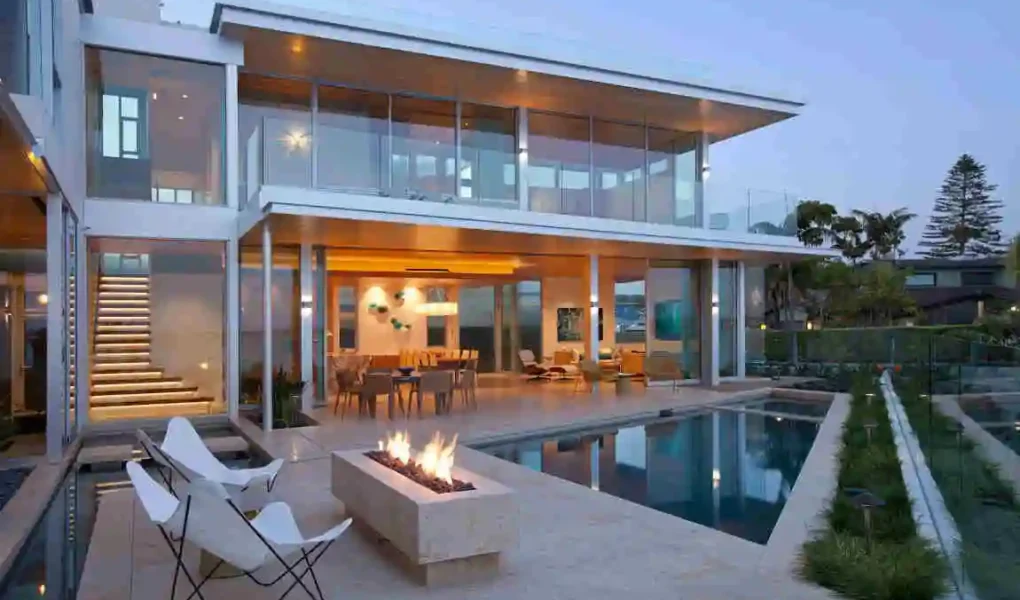
Imagine standing on an elevated deck, feeling the salty breeze on your face as you gaze out over a calm bay. The gentle lapping of water against stilts, the warm glow of sunset reflecting off the water — this is the essence of a bay house. But what exactly is a bay house, and why has this charming coastal house style captured the hearts of waterfront dreamers?
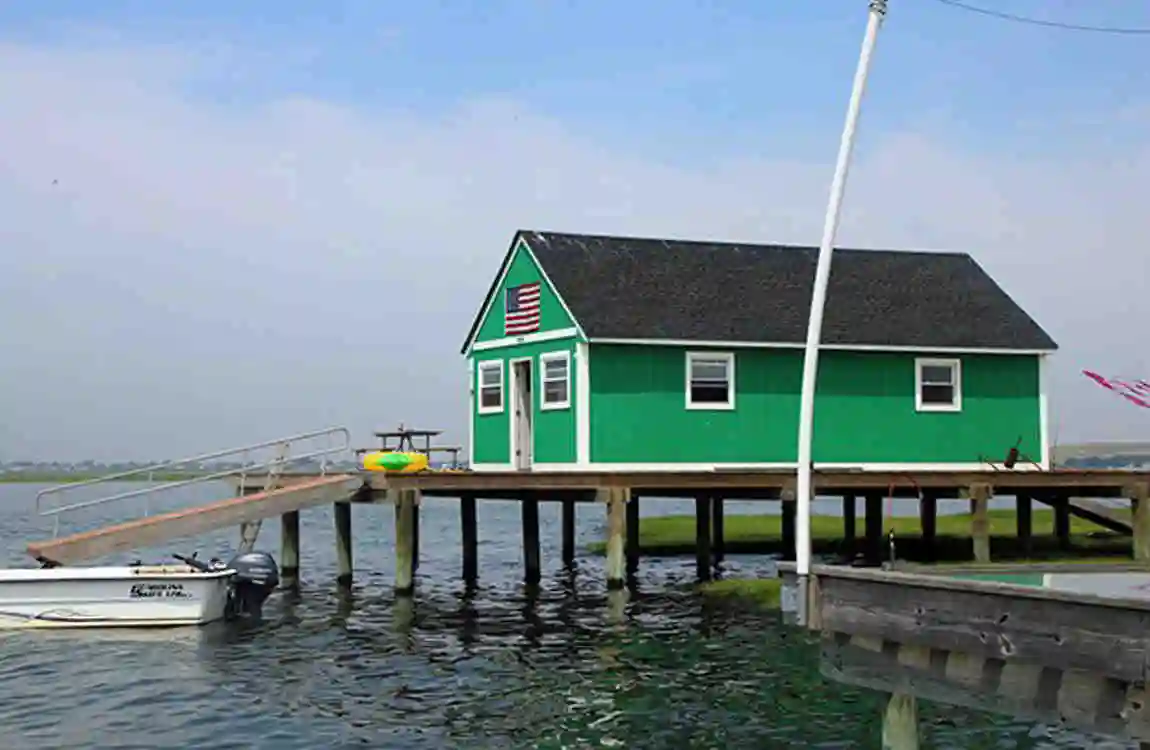
A bay house is a resilient coastal home built on pilings or stilts, designed specifically for bayfront living where flooding and tides are a concern. Inspired by the traditional Tidewater style, these homes boast open, airy layouts and use weather-resistant materials to endure harsh coastal conditions. The design seamlessly blends indoor and outdoor spaces, making bay houses perfect for enjoying serene bayside views while staying protected from the elements.
Bay House History
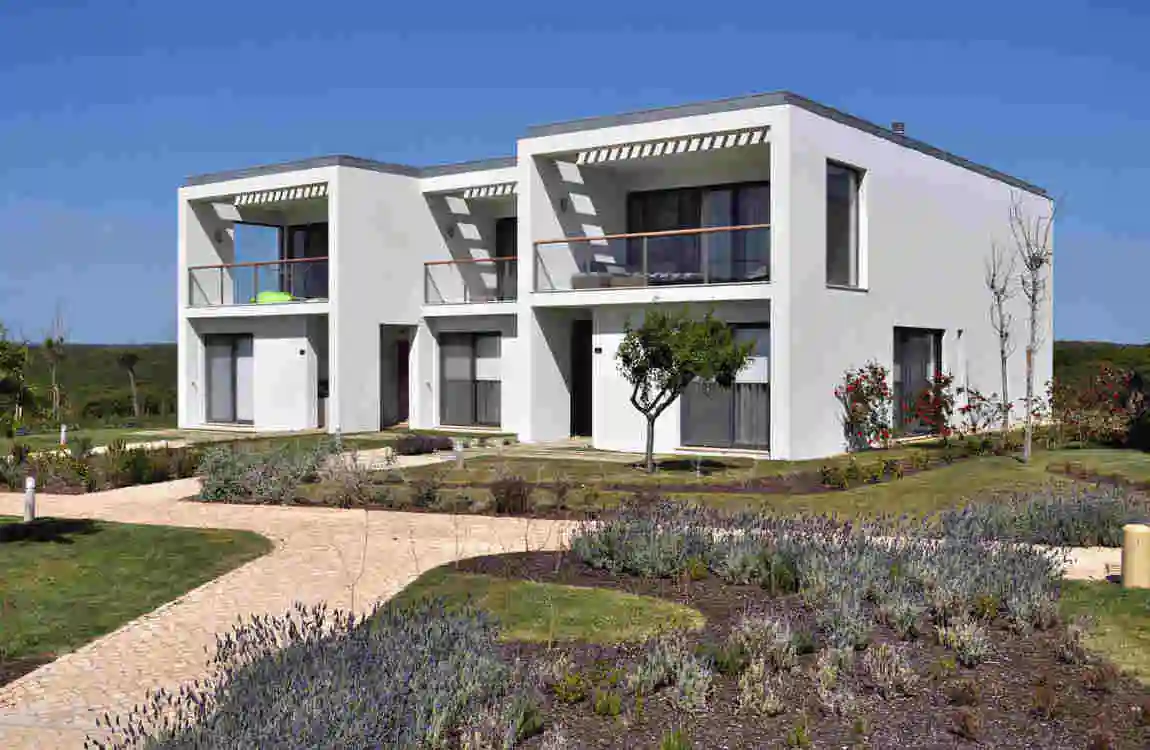
Origins in Coastal Architecture
The story of the bay house begins centuries ago on the U.S. East Coast. Before 1800, settlers built simple homes known as Tidewater houses to cope with hot, humid, and flood-prone environments. These early houses featured stilts to elevate living spaces above wet ground and used locally sourced timber and stone. Their design was practical yet charming, often resembling the fishing huts that inspired them.
As coastal communities grew, so did the design of bay houses. In the 19th century, pilot houses in North Carolina bays emerged, refining the elevated home concept to suit navigation and fishing needs. These houses kept crews safe from floods and offered expansive views of the water. Over time, the style spread and evolved, adapting to new materials and regional climates.
Regional Variations
Bay houses aren’t one-size-fits-all. Their design nuances reflect the regions they inhabit:
- East Coast: The Lowcountry style dominates here, featuring wide porches perfect for catching ocean breezes and socializing outdoors. These homes emphasize traditional aesthetics with practical flood defense.
- West Coast: Bay houses on the Pacific Coast, such as those around San Francisco Bay, are often elevated not only for tides but also for seismic safety. They blend the bay house style with Craftsman influences, showing off exposed beams and natural materials.
- Global Examples: Australian beach bungalows share the stilted elevation concept, adapted to local weather and coastal conditions, proving the bay house design’s global versatility.
EraKey DevelopmentsExample Regions
Pre-1800s Stilts, horizontal boards, Tidewater, Carolinas
1900s Open plans, multi-pane windows , Chesapeake Bay
2000s+ Sustainable materials, accordion doors , California bays
This timeline highlights how bay houses have continually adapted, marrying tradition with innovation.
Key Features of Bay House Design
Exterior Elements
At its core, the bay house style is defined by practicality and beauty. The hallmark is elevation—most bay houses sit on pilings raised 10 to 15 feet above ground to avoid floodwaters. This height protects against tides and storm surges, which are common in bayfront areas.
Wide eaves and wraparound porches serve dual purposes: they provide shade to cool the home naturally and create inviting outdoor spaces to soak in panoramic water views. These porches often become the heart of summer living, perfect for morning coffee or sunset dinners.
Material choices reflect coastal challenges. Cedar siding resists rot and salt damage, while metal roofs handle strong winds and salt spray better than traditional shingles. Large, sealed windows—often multi-pane and hurricane-rated—maximize natural light and protect interiors from harsh weather.
Structural Highlights
- Foundations: Pilings or piers are essential. They elevate the home and allow water to flow beneath without causing damage.
- Rooflines: Gabled or hip roofs with generous overhangs shield walls from rain while adding architectural interest.
- Decks: Multi-level decks expand outdoor living space. Many bay houses feature summer kitchens or lounge areas, embracing the indoor-outdoor lifestyle.
FeaturePurposeBay House vs Standard Coastal
Pilings/Stilts Flood elevation Essential vs optional
Wide Eaves Wind/rain protection Pronounced vs moderate
Multi-Pane Windows Views + sealing Larger vs smaller
This comparison shows how bay houses prioritize flood defense and openness more than typical coastal homes, making them uniquely suited for bayside environments.
Bay House Interior Ideas
Open & Airy Layouts
Step inside a bay house, and you’ll find a space that breathes. Open floor plans dominate, with great rooms featuring soaring 10- to 12-foot ceilings. These high ceilings create an airy atmosphere that complements the natural light streaming through expansive windows.
Walls often showcase shiplap or whitewashed planks, adding texture and a subtle coastal charm. Folding glass doors seamlessly connect the indoors to wraparound decks, inviting the outside in and blurring boundaries.
The color palette tends to favor light, monochromatic shades—whites, ivories, and soft creams—that reflect sunlight and enhance the sense of spaciousness.
Color & Decor Palette
- Breezy blues and greens mimic the water and foliage outside, bringing nature indoors.
- Sandy neutrals ground the space with warmth and balance.
- Nautical touches such as subtle stripes or seashell accents add character without overwhelming the calm vibe.
Ceilings may feature coffered or exposed beams, adding architectural interest and texture.
A pro tip: use light woods and natural stones for floors and surfaces, as these materials resist humidity and salt better than many alternatives.
Pros and Cons of Bay House Style
Advantages
- Resilience: Bay houses stand strong against floods and hurricanes thanks to their elevated design and durable materials.
- Views & Lifestyle: The design maximizes panoramic bay vistas and encourages outdoor living, making every day feel like a vacation.
- Value: Waterfront bay houses often command Premium prices in real estate markets, offering great investment potential.
Drawbacks
- Higher Build Costs: Elevating a home adds 20-30% to construction costs compared to standard coastal houses.
- Maintenance: Salt air accelerates wear on metals and wood, demanding ongoing upkeep.
- Limited Storage: Space beneath the house is often reserved for parking or flood mitigation, reducing storage options.
ProsCons
Flood-resistant : Higher upfront costs
Expansive views/outdoor living, Ongoing exterior upkeep
Choosing a bay house means weighing these factors carefully, but for many, the lifestyle benefits far outweigh the challenges.
Cost to Build a Bay House
Building a bay house typically costs between $250 and $450 per square foot, higher than the $200 average for traditional coastal homes, due to the elevation and specialized materials required.
Key factors influencing cost include:
- Location: Waterfront lots carry premiums, especially in sought-after bays.
- Size: Homes between 2,000 and 4,000 square feet are common, balancing space and budget.
- Materials: Weather-resistant finishes and impact-resistant windows add to expenses but protect your investment.
ComponentAvg Cost (2000 sq ft)Notes
Foundation $50K – $80K Pilings are a major expense
Exterior/Interior $300K – $500K Includes weatherproofing
Total $500K – $1M Varies by region and features
Planning carefully ensures your bay house build stays on track and delivers the coastal dream you envision.
How to Build or Buy Your Bay House
Building Steps
- Site Assessment: Understand flood zones and soil conditions to determine the right elevation.
- Architectural Design: Work with professionals familiar with local codes, including FEMA requirements for coastal builds.
- Sustainable Features: Consider solar panels and native landscaping to boost efficiency and blend with the environment.
Partnering with experienced builders guarantees a custom bay house that’s both beautiful and built to last.
Buying Tips
If buying instead of building, search coastal home plan sites for bay house designs. During inspections, verify the home’s elevation and structural integrity to ensure true flood resilience.
Frequently Asked Questions
What is a bay house exactly?
A bay house is an elevated coastal home built on stilts or pilings to protect against flooding in bayfront areas. It features open layouts and weather-resistant materials suited for tidal regions.
Bay house vs beach house?
Bay houses face calm, enclosed bays and emphasize flood elevation. Beach houses typically front open-ocean beaches and deal with stronger waves, but may not always be elevated.
Best locations for bay houses?
Popular bay house locations include Chesapeake Bay, Tampa Bay, and San Francisco Bay, where tidal waters and coastal living intersect.
Are bay houses hurricane-proof?
While no home is completely hurricane-proof, bay houses are designed with features like metal roofs, sturdy pilings, and impact windows to withstand severe storms when properly built.
Thank you for exploring what a bay house is with me! If you’re inspired to create your own coastal retreat, consider partnering with experts who specialize in custom bay house builds. Your dream bayfront home awaits — elevated, resilient, and perfectly designed for seaside living.