
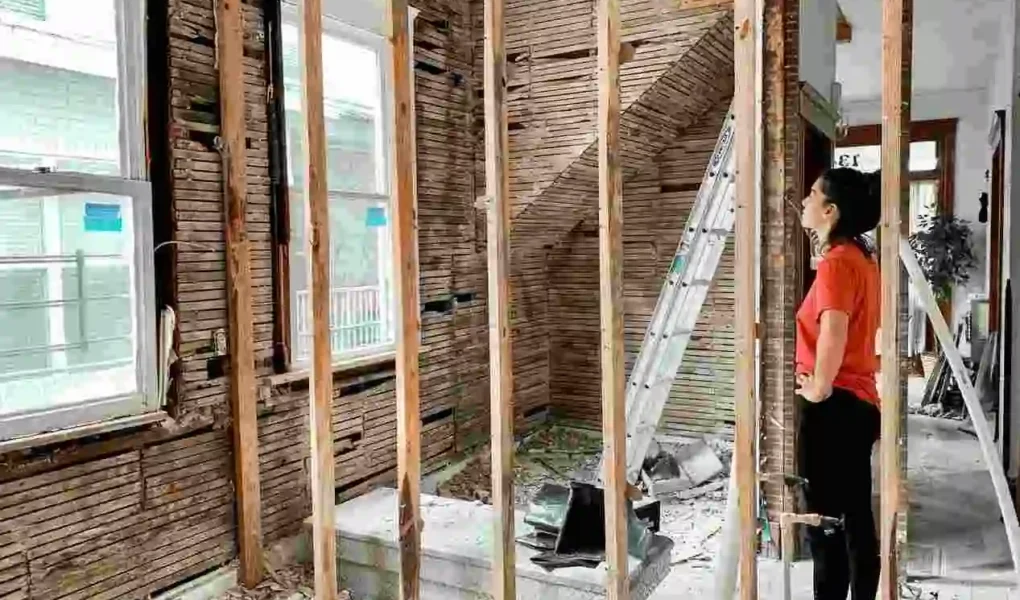
Renovating a home while still living in it is one of those things that sounds manageable… until it actually starts. There’s excitement about fresh walls, better light, and new spaces. However, there’s also the odd sensation that your own house has become a workplace, with dust on every surface, and tools where shoes once were. Maintaining daily operations while the premises are being upgraded is the real issue.
Making breakfast, responding to emails, getting a good night’s sleep, and moving about without tripping over wires or paint buckets are all important. Renovation doesn’t have to seem like complete chaos if the proper planning, boundaries, and pace are in place. Without being overpowering, it can cause disruptions.
The strategies below aren’t just technical tips. They’re practical habits that help keep a home safe, functional, and emotionally livable while work is going on around it.
1. Plan Work in Phases, Not All at Once
Trying to renovate everything at the same time is like trying to cook five meals in one pan, which is something that always burns. While development is being made, a gradual approach allows the home to breathe.
Start with the parts that protect the building itself: the roof, exterior walls, windows, and drainage. They keep moisture and the weather out. Next, go to the areas like kitchens and bathrooms that influence everyday activities. People depend on these areas on a daily basis. Paint, trimmings, and décor are examples of cosmetic improvements that should be made when the hard labour is over.
Everything changes when contractors and the residents of the house are given a clear deadline. When people know what’s happening and when, the anxiety drops. Fewer surprises. Fewer tense mornings.
For guidance on safe sequencing and site management, the UK Health and Safety Executive offers practical construction safety principles.
2. Set Clear Safety Zones
A renovation site isn’t a normal home environment. There are sharp edges, open wiring, loose materials, and tools that don’t belong anywhere near daily life.
That’s why creating clear boundaries matters. Use temporary walls, plastic barriers, or even taped-off sections to separate work areas from living spaces. Put visible signs near entry points. Keep hallways and exits completely clear. Make sure chemicals and tools are locked away at the end of every day.
Children and pets should never have access to active work zones. A daily clean-up routine with the contractors isn’t just about tidiness; it’s about peace of mind.
3. Maintain Indoor Air Quality
One of the most overlooked parts of renovation is the air. Dust doesn’t just sit on surfaces. It floats. It lingers. It gets into lungs, bedding, clothes, and electronics.
Renovation dust, insulation fibres, and chemical vapours can cause headaches, coughing, and fatigue over time. That’s why protecting the air inside the home is just as important as protecting floors or furniture. Helpful steps include:
- Using HEPA air purifiers in the main living areas
- Sealing work zones with zippered plastic barriers
- Ventilating with fans or extractor systems
- Choosing low-VOC paints, adhesives, and finishes
4. Protect Utilities and Daily Routines
Life still has to function during renovation. That means protecting the basics: water, electricity, food, and rest. There should always be:
- At least one working bathroom
- A simple food prep area with a kettle, fridge, and microwave
- Reliable power for lighting and charging
Any shutdowns should be short, planned, and clearly communicated. When people know exactly when the water will go off and come back on, it’s much easier to cope.
5. Control Exterior Disruption
A lot of renovation work happens outside, such as roofing, brickwork, window replacement, and repointing. When handled well, that keeps the mess and movement outdoors instead of dragging it through the house.
In these situations, setting up domestic scaffolding allows contractors to work efficiently without invading indoor living spaces. It keeps foot traffic out of the house, reduces dust inside, and adds a layer of safety and structure to the project. Covered walkways and protected entry points also make a big difference in keeping daily movement safe and stress-free.
6. Secure Belongings and Finished Areas
As rooms get finished, they should immediately be treated like “clean zones.” New spaces often get damaged simply because nobody marked them as off-limits. Use:
- Floor coverings and corner guards
- Dust sheets for stored items
- Plastic wrap on furniture
Clearly define “no tools” areas so finished rooms stay finished.
7. Maintain Clear Communication with Contractors
Most renovation stress doesn’t come from the work itself; it comes from not knowing what’s going on. One person should handle:
- Daily schedules
- Access updates
- Safety checks
Contractors should explain what’s coming next, what will be noisy, messy, or disruptive, and what’s changing. Clarity builds trust. Silence builds tension.
8. Use Modern Materials and Methods
Renovation today is cleaner and faster than it used to be.
- Prefabricated components reduce on-site cutting.
- Low-dust drywall improves air quality.
- Modular cabinets shorten kitchen downtime.
Using modern systems means less mess, fewer delays, and a smoother experience overall.
Final Thoughts
It’s difficult to live at home while renovations are underway. It puts habits, tolerance, and occasionally even moods to the test. It doesn’t have to feel like survival mode, though. A home may remain habitable while it is improved if safety, structure, and communication are prioritised. Renovations should feel like progress rather than an everyday burden.
The process may remain efficient, under control, and truly fulfilling with careful preparation and a people-first approach.