Unnoticed and unattended plumbing issues can slowly escalate into costly disasters, disrupting the comfort and efficiency of any home. For instance, a small leak can waste approximately 10,000 gallons of water yearly, hitting both the environment and the homeowner’s wallet hard.
Recognizing the importance of regular plumbing maintenance not only prevents such wastage but also enhances the overall home efficiency. In this article, we’ll explore how systematic plumbing care can make a significant difference in your domestic life.
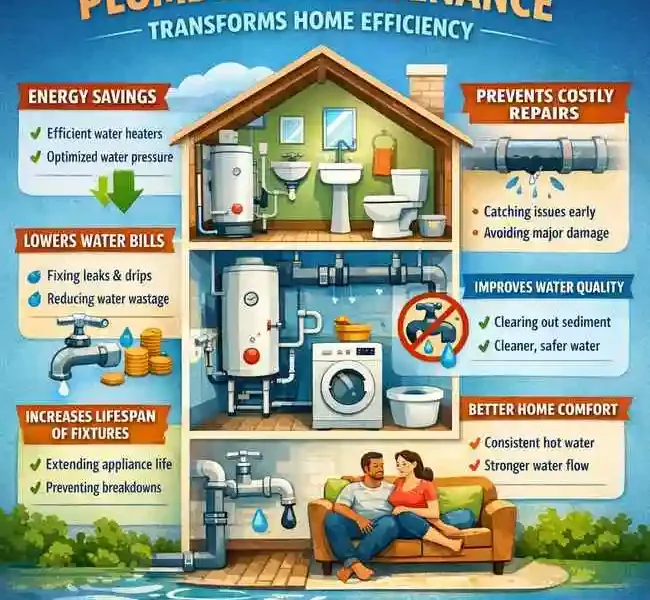
Regular Plumbing Maintenance and Home Efficiency: A Crucial Connection
Maintaining plumbing systems is not merely about avoiding inconveniences; it is tied closely to the efficiency and health of your home. A well-kept plumbing system ensures clean water supply and proper waste disposal, which are essential for a hygienic and comfortable living environment. Engaging a professional plumber can further enhance this process.
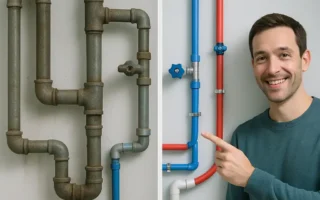
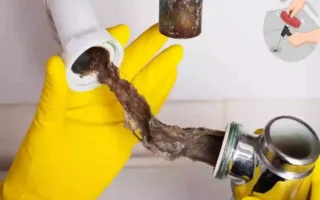
A common yet often ignored issue is sediment build-up in pipes, which can foster bacterial growth and degrade water quality. By incorporating scheduled cleanings into your maintenance plan, you can prevent such accumulation and ensure a healthy water supply. Moreover, addressing minor repairs promptly can thwart larger, more complex problems down the line.
Implementing a routine maintenance schedule, which typically includes annual inspections and immediate action on any irregularities, will help maintain system integrity and home efficiency. Homeowners should also consider seasonal assessments, given that climate changes can greatly affect plumbing structures and performance.
Enhancing Water Pressure and Flow Through Preventive Plumbing Care
One of the most noticeable benefits of diligent plumbing maintenance is improved water pressure. Overlooking maintenance can lead to clogs and blockages, which negatively impact water flow and result in frustratingly low pressure.
Data indicates that households with effective preventive plumbing measures experience fewer incidents of blockages, thus enjoying a consistent and robust water flow. This is especially critical for activities such as showering and appliance use, where water pressure plays an integral role in functionality and user satisfaction. Regular check-ups can identify and rectify flow limitations before they become obtrusive.
To maximize water pressure and flow, homeowners should regularly clear drain clogs, replace worn components, and consider pipe solutions that minimize internal corrosion and scaling. Adding water softeners to combat hard water effects or installing high-efficiency fixtures could also contribute significantly to maintaining optimal flow rates.
Cutting Utility Costs with Strategic Plumbing Inspections
Strategically planned plumbing inspections can dramatically reduce utility bills. Leaks, however small, can account for a significant portion of a household’s water usage, and thus, its expenses.
Research reveals that fixing household water leaks can save homeowners about 10 percent on their water bills. Professional inspections help detect even the most elusive leaks within your plumbing system, leading to immediate water conservation and cost savings. In addition, optimizing water heater settings and fixing dripping taps are simple yet effective steps towards managing utility costs.
Engage with a professional plumber to conduct comprehensive inspections that can spot potential issues early on, and take proactive measures to repair or replace inefficient fixtures. Encouragement towards water-efficient products is also a cost-effective measure over time, as they help lower water consumption without compromising on performance.
Extending the Lifespan of Plumbing Systems for Optimal Home Performance
Another significant benefit of regular plumbing maintenance is the extension of your system’s lifespan. Well-maintained pipes and fixtures tend to last longer, freeing homeowners from the need for premature replacements.
By regularly descaling pipes and water heaters, replacing old pipes before they burst, and sustaining the septic system, homeowners can avoid the disruptions and heavy financial burdens associated with major plumbing overhauls. For example, a properly serviced water heater can last well over a decade, while a neglected one might fail in half that time.
Ensuring that you’re aware of the typical lifespan and maintenance requirements for different plumbing components is vital. Scheduling periodic professional inspections and following recommended maintenance procedures go a long way in safeguarding functionality and avoiding the sudden need for costly system replacements. Regular maintenance can also serve as a form of preventive insurance against plumbing emergencies that can otherwise lead to significant home damage.
Overall, the impact of regular plumbing maintenance on a home’s efficiency goes beyond preventing emergencies. It contributes to a cost-effective, sustainable, and healthy living space while enhancing the overall functionality and longevity of the plumbing system. With consistent care, homeowners can enjoy the security of a reliable and efficient home environment.