

A house air diffuser may look like a simple part of your HVAC system, but it does an important job. It helps distribute heated or cooled air throughout the room rather than blowing it in a single strong stream.
That matters more than many people realise. When air moves evenly, your home feels more comfortable, your system works better, and you avoid those annoying hot or cold spots.
What Is a House Air Diffuser?
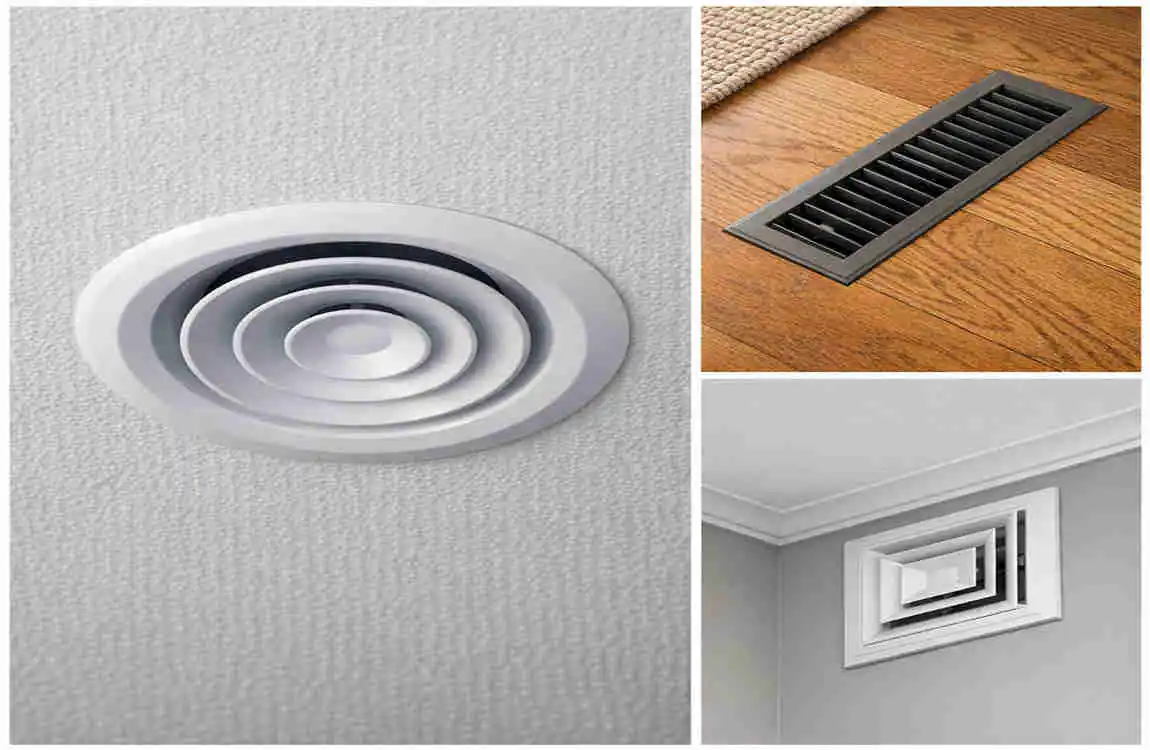
A luxury house air diffuser is the cover at the end of an HVAC duct that helps spread air in different directions. Instead of pushing air straight down or straight out, it breaks the airflow up and distributes it more gently.
This helps the room feel balanced. It also makes the airflow less harsh, so you do not get that uncomfortable blast of air when the system turns on.
Diffuser vs. Vent
Many people use the words diffuser and vent interchangeably, but they are not the same.
A standard vent mainly allows air to enter or leave a space. A diffuser is designed to control how the air spreads once it reaches the room.
That small difference improves comfort and can help your HVAC system perform more efficiently.
Common Types of House Air Diffusers
Different rooms need different airflow patterns. That is why there are several diffuser styles to choose from.
Air Diffuser TypeBest ForMain Advantage
Ceiling Diffuser Living rooms, offices Even airflow throughout the room
Linear Diffuser Modern homes Sleek appearance and uniform air distribution
Square Diffuser Bedrooms and family rooms Balanced four-way airflow
Round Diffuser Small rooms Simple installation and smooth airflow
Adjustable Diffuser Any room Allows airflow direction control
Ceiling Diffuser
A ceiling diffuser is one of the most common choices in homes. It evenly distributes air from the ceiling, helping the room stay comfortable.
This type works well in larger spaces, such as living rooms or shared family areas. It gives steady airflow without making one spot feel too cold or too warm.
Linear Diffuser
A linear diffuser has a long, slim shape. It is often chosen for modern homes because it looks clean and stylish.
It also gives a smooth airflow pattern. If you want something that blends into the ceiling design while still working well, this can be a strong option.
Square Diffuser
A square diffuser spreads air in several directions at once. This makes it a practical choice for bedrooms, family rooms, and other common spaces.
It helps create balanced airflow without overpowering the room’s look. Many homeowners like it because it is simple and effective.
Round Diffuser
A round diffuser is often used in smaller rooms. It is easy to install and gives a smooth air pattern.
If your space is compact and you want a basic, reliable choice, this type can work well.
Adjustable Diffuser
An adjustable diffuser lets you change the direction of airflow. That gives you more control over the room’s comfort.
This is useful if one area gets too much air or if you want to fine-tune the airflow based on season or room use.
Benefits of House Air Diffusers
Air diffusers do more than move air around. They help improve how your entire HVAC system works.
Improved Air Distribution
Diffusers spread air more evenly across the room. That helps reduce hot and cold spots, which can make a big difference in comfort.
Instead of air collecting in one area, it moves evenly throughout the space.
Better Indoor Comfort
When airflow is balanced, the room feels more pleasant. You are less likely to sit in a cold draft or a warm pocket of air.
That makes daily life more comfortable, especially in rooms where people spend a lot of time.
Increased Energy Efficiency
Good airflow helps your HVAC system do its job more smoothly. When air is distributed properly, the system does not have to work as hard to keep the room at the right temperature.
Over time, that can support better energy use and more consistent indoor comfort.
Reduced Drafts
A diffuser softens the air coming from the duct. Instead of a strong burst, the air spreads gently.
This helps create a more natural feel in the room and avoids discomfort from direct airflow.
Attractive Appearance
Modern diffusers are often designed to look neat and simple. Some even blend into the ceiling or wall so they do not stand out.
That means you can improve airflow without hurting the look of your interior.
How to Choose the Right House Air Diffuser
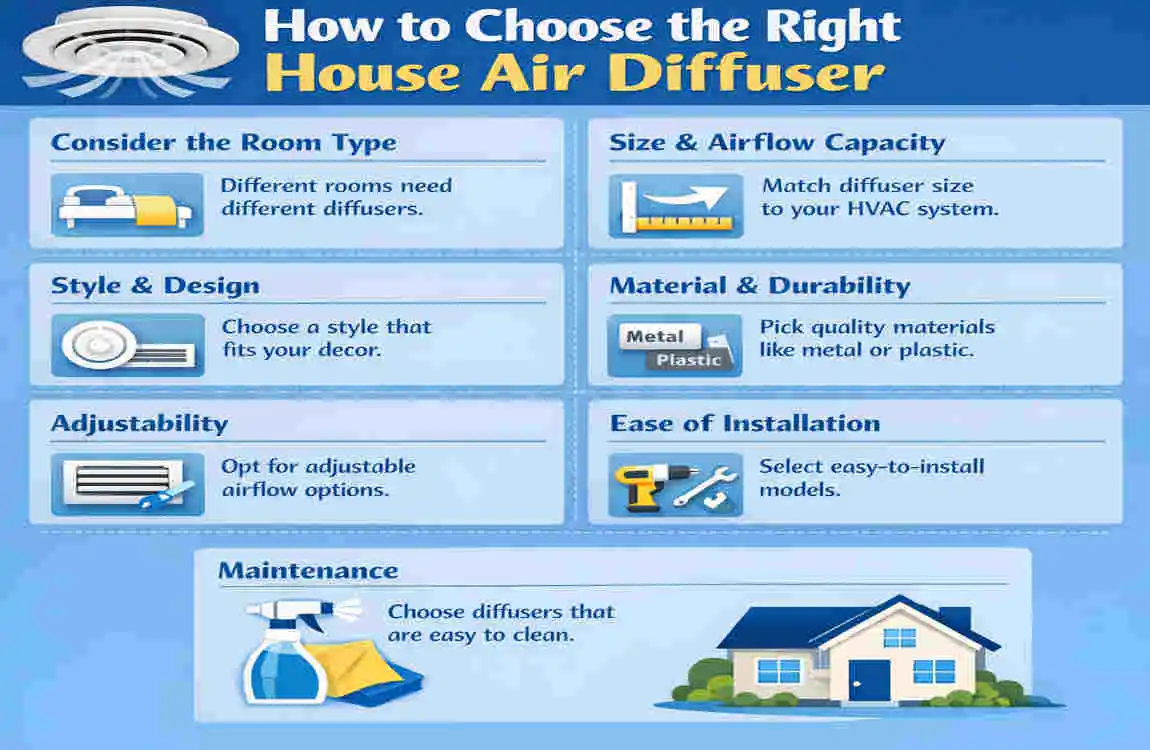
Choosing the right diffuser is not difficult, but it does require a little thought. The best choice depends on how and where you use the room.
Consider Room Size
Bigger rooms usually need a diffuser that can spread air across a wider area. Smaller rooms may only need a simple round or square design.
If the diffuser is too small or too weak for the room, airflow may feel uneven.
Think About Ceiling Height
Ceiling height matters because air behaves differently in tall and low rooms. A high ceiling may require a diffuser to push air farther down and spread it evenly.
A lower ceiling may need a softer airflow pattern so the room does not feel too direct.
Check HVAC Airflow Needs
Your HVAC system already has a certain airflow level. The diffuser should meet that need rather than fight against it.
If the diffuser does not fit the system properly, it may reduce comfort or airflow performance.
Pick the Right Material
Most diffusers are made from steel, aluminium, or plastic.
- Steel: Strong and durable
- Aluminum: Lightweight and long-lasting
- Plastic: Affordable and easy to install
The right material depends on your budget, room use, and style preference.
Match Your Interior Style
A diffuser may be a small detail, but it still affects the look of the room. If you want a clean, modern space, a linear diffuser may be a better choice.
If you want something simple and practical, a square or round diffuser may be a better fit.
Maintenance Tips
A clean diffuser helps keep airflow strong and supports better indoor air quality.
Simple Care Tips
- Dust the diffuser every few weeks.
- Remove and wash the cover if needed.
- Check for blocked airflow.
- Inspect for rust or damage.
- Schedule HVAC maintenance once a year.
Why Cleaning Matters
Dust and dirt can build up on the diffuser over time. When that happens, airflow may slow down or become uneven.
Regular cleaning keeps the system working properly and helps your room stay more comfortable.
Signs You Should Replace Your Air Diffuser
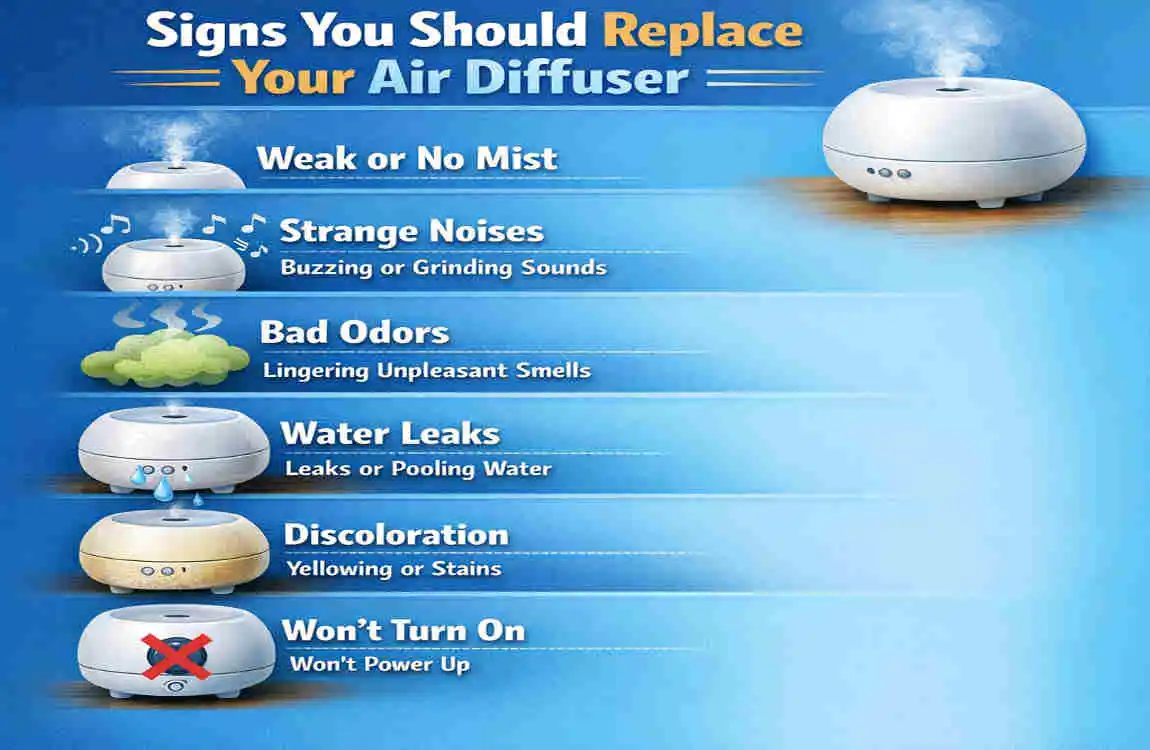
Even a small part like a diffuser can wear out over time. If it gets damaged, replacing it can improve comfort and airflow.
Watch For These Signs
- Uneven room temperatures
- Weak airflow
- Rust or cracks
- Excessive noise
- Visible damage or warping
If you notice one or more of these problems, your diffuser may no longer be working as it should.
Why Replacement Helps
A damaged diffuser can make your HVAC system less effective. Replacing it is usually a simple and affordable way to improve performance again.
Quick Summary of Diffuser Benefits
Here is a simple look at why modern house air diffusers matter:
- They spread air evenly
- They reduce drafts
- They improve comfort
- They support energy efficiency
- They can match your home’s style
Frequently Asked Questions
What does a house air diffuser do?
A house air diffuser spreads heated or cooled air evenly throughout a room, which improves comfort and airflow.
Is an air diffuser different from a vent?
Yes. A diffuser spreads air in multiple directions, while a standard vent mainly allows air to move in or out.
How often should I clean my air diffuser?
Cleaning every 1 to 3 months is usually a good idea, depending on dust and HVAC use.
Can I replace an air diffuser myself?
Yes. Most residential air diffusers are easy to remove and replace with basic household tools.
| Topic | Information |
|---|---|
| What Is a House Air Diffuser? | A house air diffuser is an HVAC component that distributes heated or cooled air evenly throughout a room. |
| Main Purpose | Improves indoor comfort by directing airflow, reducing drafts, and maintaining consistent temperatures. |
| Common Types | Ceiling diffusers, wall diffusers, floor diffusers, linear slot diffusers, swirl diffusers, and adjustable diffusers. |
| Common Materials | Aluminum, steel, plastic (ABS), and wood for decorative applications. |
| Where They’re Installed | Ceilings, walls, or floors in homes, apartments, offices, and commercial buildings. |
| Key Benefits | Even air distribution, improved HVAC efficiency, enhanced comfort, quieter airflow, and better indoor air circulation. |
| How They Work | Connected to HVAC ducts, they spread conditioned air in a controlled pattern throughout the room. |
| Maintenance Tips | Clean dust regularly, inspect for damage, and ensure vents remain unobstructed by furniture or curtains. |
| Signs of Replacement | Cracks, rust, broken louvers, poor airflow, excessive noise, or outdated design. |
| Average Lifespan | Typically 15–25 years with proper maintenance and normal HVAC operation. |