
Are you excited to transform your unfinished basement into a cozy living space, a home gym, or perhaps a rental unit? If you’re wondering, “Do I need a building permit to finish my basement?” the short answer is yes, in most cases. Building permits are crucial for ensuring safety, compliance with local codes, and maintaining your home’s value.
Basement renovations have surged in popularity, especially with the rise of remote work and the need for extra functional spaces. However, navigating the permit process can feel overwhelming.
When Do You Need a Permit? Key Triggers
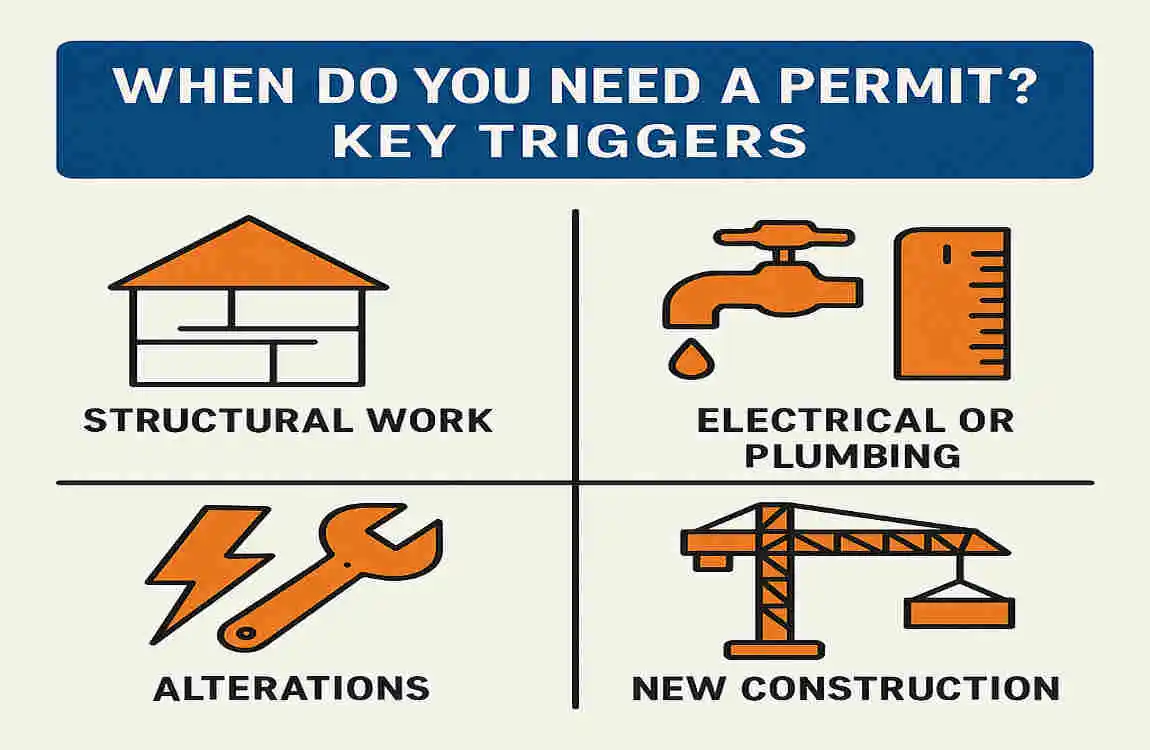
Before you start swinging a hammer or hiring contractors, it’s essential to know when a building permit is required for basement renovations. Generally, permits are required for any work that affects your home’s structure, safety, or utility systems. Let’s break it down:
Structural Modifications
If your renovation involves adding or removing walls, especially load-bearing walls, you’ll need a permit. Structural integrity is critical to preventing major issues such as foundation shifts or collapses. For example:
- Adding framing for new walls.
- Removing or altering existing walls.
Electrical and HVAC Changes
Planning to install new outlets, wiring, or light fixtures? You may be upgrading your HVAC system to improve ventilation in the basement. These changes require electrical and HVAC permits to ensure compliance with fire and energy safety codes. Improper installations could lead to electrical fires or poor air quality.
Plumbing Additions
Adding a bathroom, kitchenette, or laundry area to your basement? Plumbing permits are mandatory. These ensure proper installation to prevent leaks, sewage issues, or contamination. For instance:
- Installing a sink or toilet.
- Adding drainage or water lines.
Egress and Safety Features
Converting your basement into a bedroom or living space? You’ll likely need to install egress windows or doors, which are required by code for emergency exits. These safety features are essential for protecting occupants in the event of a fire or other emergencies.
Exceptions for Cosmetic-Only Work
If your project is purely cosmetic—like painting walls, installing new flooring, or hanging curtains—you may not need a permit. However, full basement finishing projects typically go beyond surface upgrades and require permits for structural, electrical, or plumbing work.
Quick Reference Table: Do You Need a Permit?
Work Type Permit Required? Why?
Adding/Removing Walls Yes, Structural safety
Electrical Work Yes, Fire prevention
Plumbing Additions Yes, Health and safety codes
Insulation Sometimes Compliance with Energy Standards
Painting/Flooring No Cosmetic-only
Checking Local Requirements: Your First Step
Building codes and permit requirements vary depending on where you live. What’s allowed in one city may be restricted in another. So, how do you figure out your local basement permit requirements? Here are the steps:
Contact Your Local Building Department
Start by reaching out to your city’s building department or visiting their website. Search for terms like:
- “Basement finishing permit requirements [Your city/State].”
- “Do I need a building permit to finish my basement?”
Understand Zoning Laws
Zoning laws dictate how a property can be used. For example, your basement may need additional permits if it’s being converted into a rental unit. Other factors, such as flood zones or historic districts, may impose further restrictions.
Review the International Building Code (IBC)
The IBC serves as the baseline for most local building regulations. Your city’s codes will likely adapt these standards, so it’s helpful to familiarize yourself with IBC guidelines for basement renovations.
Consult a Professional
If the rules feel overwhelming, consider consulting a contractor or architect familiar with local codes. They can guide you through the process and ensure compliance.
Step-by-Step Permit Application Process
Now that you know you need a permit, what’s next? Let’s break down the permit application process step by step.
Research and plan
Start by drafting a clear plan for your basement renovation. Include:
- Blueprints or sketches of the design.
- A detailed list of materials.
- Measurements (e.g., ceiling height must meet the 7-foot minimum in most areas).
Make sure your plans align with local building codes.
Gather Required Documents
Most permit applications require supporting documents, such as:
- Site plans or floor layouts.
- Engineer-certified drawings for structural changes.
- Contractor license details (if you’re hiring professionals).
Submit Your Application
Submit your application online or in person at your local building department. Be prepared to pay a fee, which can range from $50 to over $1,000, depending on the scope of your project.
Await Approval
Permit approvals typically take 2-6 weeks. During this time, the building department may request revisions to your plans.
Schedule Inspections
Once your permit is approved, inspections will be required at different stages of the renovation, including:
- Framing.
- Electrical/plumbing rough-ins.
- Insulation.
- Final inspection.
Obtain Final Approval
After passing all inspections, you’ll receive a Certificate of Occupancy, which allows you to use your finished basement legally.
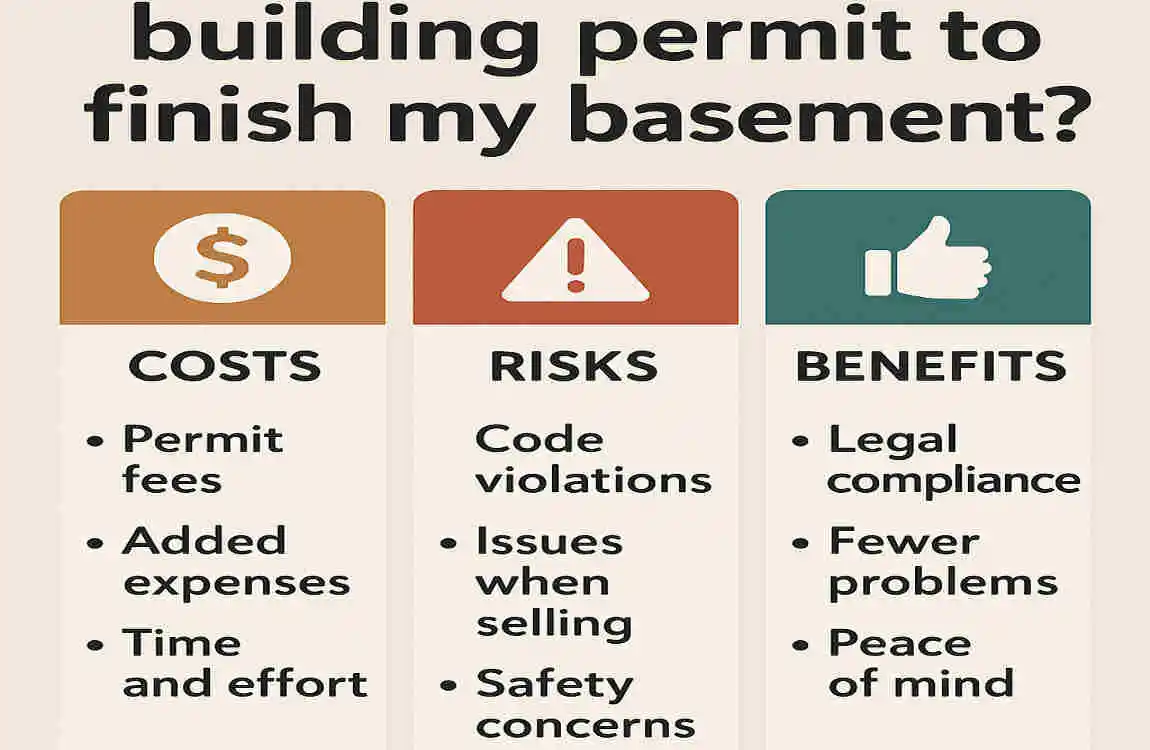
Costs, Risks, and Benefits of Getting Permits
Costs of Permits
The cost of obtaining permits varies by location and project scope. Here’s a general breakdown:
- Application fees: $100-$500.
- Inspection fees: $200+.
- Total cost: 1-3% of your renovation budget.
Risks of Skipping Permits
Skipping permits might seem like a shortcut, but it can lead to serious consequences:
- Fines and Penalties: Unpermitted work can result in fines ranging from $500 to $10,000.
- Stop-Work Orders: Authorities may halt your project until you obtain the required permits.
- Resale Issues: Unpermitted work can lower your home’s value by 10-15%.
Benefits of Permitted Work
On the flip side, getting permits has several advantages:
- Increased Home Value: Properly finished basements offer a 70% ROI.
- Peace of Mind: You’ll know your home is safe and up to code.
- Insurance and Financing: Permitted work is covered by insurance and makes obtaining loans easier.
Comparison Table: Permitted vs. Unpermitted Work
Aspect Permitted Work Unpermitted Work
Safety High Risky
Resale Value +10-15% -10-15%
Insurance Coverage : Yes, Denied
Hiring Pros vs. DIY: Permit Implications
When to Hire Professionals
For complex projects, such as electrical or plumbing work, hiring licensed contractors is the best choice. They’ll manage the permit process, ensure code compliance, and provide quality artistry.
DIY Considerations
While DIY can save money, it comes with risks. As the homeowner, you’ll be responsible for any permit violations or inspection failures. If you’re confident in your skills, consider DIY for more minor, cosmetic upgrades.