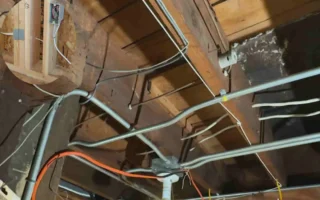

You finally decide to sell your house. You clean, declutter, repaint the walls, and list it with high hopes. Then comes the buyer’s home inspection—and suddenly everything feels uncertain. The inspector points out outdated wiring, and the buyer asks a question that instantly raises your stress level.
If you’re feeling anxious right now, you’re not alone. This is one of the most common concerns homeowners face during the selling process, especially with older homes. The good news is reassuring and straightforward: you usually do not need to fully rewire your house to sell it. In many cases, targeted updates are enough to satisfy buyer expectations, pass inspections, and protect your sale.
When Do You Need to Rewire Your House to Sell It? Key Signs

Age of the Home Matters More Than You Think
One of the most significant factors in determining whether you need to rewire your house before selling is when it was built.
Homes built decades ago were designed for a very different world. Back then, families didn’t use:
- Large TVs
- Home offices
- EV chargers
- Smart appliances
- Central air systems
Older wiring systems simply weren’t designed to handle today’s electrical load.
Here’s how age plays a role:
- Pre-1950s homes often have knob-and-tube wiring
- 1960s–1970s homes may contain aluminium wiring
- 1980s–1990s homes usually have copper wiring, but may lack modern safety upgrades
If your home falls into the first two categories, rewiring becomes a more serious discussion.
Red Flags Buyers and Inspectors Immediately Notice
Buyers don’t need to be electricians to sense trouble. Many warning signs are apparent—and inspectors are trained to catch every one of them.
Watch out for these common electrical red flags:
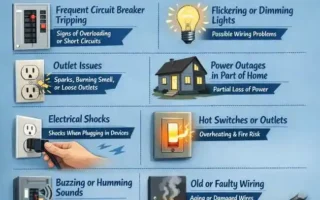
- Circuit breakers that trip frequently
- Lights that flicker or dim
- Outlets that feel warm to the touch
- Burning smells near switches or panels
- Exposed, cracked, or frayed wires
- Two-prong (ungrounded) outlets
- Fuse boxes instead of breaker panels
- Electrical panels rated below 100 amps
Modern buyers typically expect 200-amp service, especially in family homes. Anything less may raise questions—or lower offers.
Missing Safety Features Can Trigger Repair Requests
Today’s electrical standards focus heavily on safety. Even if your wiring “works,” it may still fail an inspection if it lacks modern protections.
Inspectors often flag:
- Missing GFCI outlets in kitchens, bathrooms, garages, and outdoor areas
- No AFCI protection in bedrooms and living spaces
- Improper grounding
These don’t always require a full rewire, but they do need attention.
Wiring Types and Sale Risks
Wiring Type Era Introduced Sale Risk Level Fix Needed?
Knob-and-Tube Pre-1950 High Full rewire
Aluminum 1965–1973 High Partial or full
Old Copper 1950s+ Medium Updates only
The Home Inspection Process: What Buyers Expect from Electrical Systems
How Electrical Inspections Actually Work
When a buyer orders a home inspection, the electrical system is one of the most critical areas reviewed. Inspectors don’t open walls, but they can still learn a lot.
Here’s what they check:
- Main electrical panel condition
- Amperage capacity
- Visible wiring type
- Grounding and bonding
- Outlet safety and polarity
- GFCI and AFCI compliance
- Signs of overheating or damage
Even minor issues get documented. And once something is in the inspection report, buyers rarely ignore it.
Modern Electrical Code Expectations
While homes are not required to meet the current electrical code, unsafe systems are still a problem.
Recent updates emphasise:
- Arc-fault breakers in living spaces
- Ground-fault protection near water
- Proper labelling of circuits
- Safe panel access
If inspectors note “unsafe wiring,” many buyers walk away immediately. Some reports suggest up to 85% of buyers reconsider after severe electrical warnings.
Buyer Psychology You Need to Understand
Most buyers aren’t electricians. They rely on inspection language.
Words that scare buyers include:
- “Fire hazard”
- “Outdated”
- “Unsafe”
- “Recommend evaluation by licensed electrician”
Even minor repairs can derail negotiations.
That’s why sellers who address electrical issues before listing often close faster and for more money.
Cost Breakdown: How Much to Rewire a House Before Selling
Average Cost to Rewire a House
Rewiring isn’t cheap—but understanding the numbers helps you plan smarter.
Typical costs:
- Full rewire: $8–$15 per square foot
- Partial rewire: $3,000–$8,000
A 1,500 sq ft home may cost:
- $10,000–$25,000 for a full rewire
That range depends on many factors.
What Affects Rewiring Costs
Several things influence price:
- Home size and layout
- Wall accessibility
- Local labour rates
- Panel upgrades
- Permit fees
- Additional upgrades
Open layouts are cheaper. Finished walls raise labour costs.
Rewiring Cost Estimates by Home Size
Home Size (sq ft)Partial Rewire Full Rewire Timeframe
1,000 $3,000–$5,000 $8,000–$12,000 3–5 days
2,000 $5,000–$8,000 $15,000–$25,000 1 week
3,000+ $8,000–$12,000 $25,000–$40,000 10+ days
Is Rewiring Worth It Before Selling?
In many cases, yes.
Benefits include:
- Faster sale
- Fewer buyer objections
- Stronger offers
- Higher perceived value
A rewired or updated electrical system can boost your sale price by 5–10%, primarily by increasing buyer confidence.
Ways Sellers Pay for Rewiring
You’re not limited to cash.
Options include:
- Home equity loans
- HELOCs
- Seller credits at closing
- Price adjustments instead of repairs
A good agent helps you choose the most innovative approach.
Alternatives to Full Rewiring: Smart Fixes for Sellers
When Full Rewiring Isn’t Necessary
Many sellers assume rewiring is all-or-nothing. That’s rarely true.
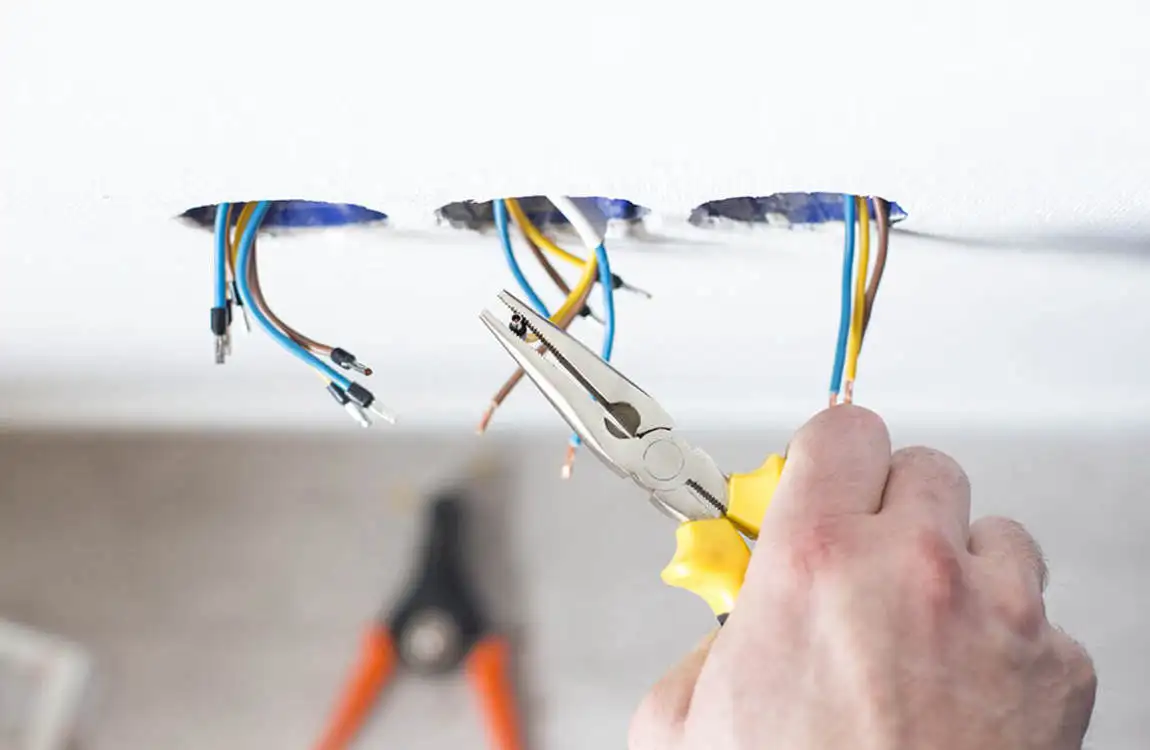
Often, targeted electrical upgrades solve inspection issues without tearing into walls.
High-Impact Electrical Fixes
Common alternatives include:
- Electrical panel upgrades
- Adding GFCI and AFCI outlets
- Grounding improvements
- Replacing unsafe outlets
- Fixing exposed wiring
These upgrades cost less and still impress buyers.
Comparison of Electrical Upgrade Options
Option Cost Savings Sale Impact DIY Possible?
Complete Rewire Baseline Highest No
Panel Upgrade 60–70% High No
GFCI Retrofits 80–90% Medium Yes (basic)
Real Example
One seller received a $20,000 estimate for rewiring. Instead, they:
- Replaced the electrical panel
- Added GFCI outlets
- Fixed grounding
Total cost: $3,000. Result: Closed in 30 days with no price reduction.
Legal and Insurance Must-Knows for Selling with Old Wiring
Disclosure Laws Matter
If you know about electrical problems, you must disclose them.
Failing to do so can lead to:
- Lawsuits
- Canceled sales
- Financial penalties
Transparency protects you.
Insurance Can Kill a Deal
Many insurers refuse to cover homes with:
- Knob-and-tube wiring
- Aluminum wiring
- Unsafe panels
If buyers can’t get insurance, they can’t close.
Smart Advice
Never guess. If you’re asking, “Do I need to rewire my house to sell it?” talk to a licensed electrician first.
Real Seller Stories: Rewiring Wins and Fails
“We spent $6,000 on updates and gained $15,000 in sale price.”
Case 1: 1950s home. Partial rewire. Smooth closing.
Case 2: Seller ignored the inspection. The buyer walked. Home was relisted three months later.
Case 3: $4,000 in fixes sealed a cash offer within a week.
Lesson? Preparation pays.
Boosting Your Home’s Appeal: Beyond Wiring
Electrical updates are even more powerful when paired with smart upgrades.
Quick wins:
- LED lighting
- Smart switches
- USB outlets
- Smart thermostats
Highlight electrical upgrades in listing descriptions and photos.