Have you ever driven through a suburban neighborhood built around twenty years ago? If so, you have almost certainly seen them. We are talking about those grand, sprawling homes with sweeping archways, clay tile roofs, and warm, earthy stucco exteriors. This is the hallmark of the Tuscan house 2000s trend.
During the early 2000s, this specific architectural style absolutely dominated the housing market. Builders and homeowners alike fell in love with the romantic, European-inspired aesthetic. It offered a slice of the Italian countryside right in the middle of everyday suburbia.
What Is a Tuscan House?
To truly understand this housing trend, we need to look at where the style actually comes from. A true Tuscan home pulls its roots directly from history.
Origins of Tuscan Architecture
The original Tuscan architecture comes straight from the picturesque Italian countryside. In regions like Tuscany, homes were historically built using locally sourced materials. Builders relied heavily on natural stone, baked clay, and sturdy wood to construct farmhouses and villas.
These traditional design elements focused on blending the home into the surrounding natural landscape. The goal was to create a rustic, sturdy, and practical living space. Over time, these functional agricultural homes evolved into symbols of rustic beauty and timeless European elegance.
Why It Became Popular in the 2000s
So, how did this rustic Italian style make its way into modern suburban developments? The early 2000s experienced a massive luxury home boom. The economy was thriving, and buyers wanted homes that showcased their success.
Homeowners began craving Mediterranean-inspired lifestyles. They wanted their homes to feel like a permanent vacation getaway. The Tuscan house 2000s style perfectly answered this call. It provided an accessible way to achieve a high-end, custom look without actually having to move to Europe.
Key Features of a 2000s Tuscan House
You can easily spot a Tuscan house 2000s build if you know what to look for. Builders used a very specific set of design choices for both the outside and the inside of these homes.
Exterior Design
The exterior of a Tuscan home is designed to look heavy, permanent, and grounded. Builders used specific materials to mimic the old-world charm of Italy. Here are the most common exterior features:
- Stucco walls: Builders almost always used warm-toned stucco for the main exterior siding.
- Clay tile roofs: Authentic or synthetic terracotta barrel tiles gave the rooflines their distinct Mediterranean look.
- Arched windows and doors: Curves and arches replaced sharp, modern angles to soften the home’s appearance.
- Stone accents: You will frequently see stacked stone framing the entryways or accenting the lower half of the exterior walls.
Interior Design
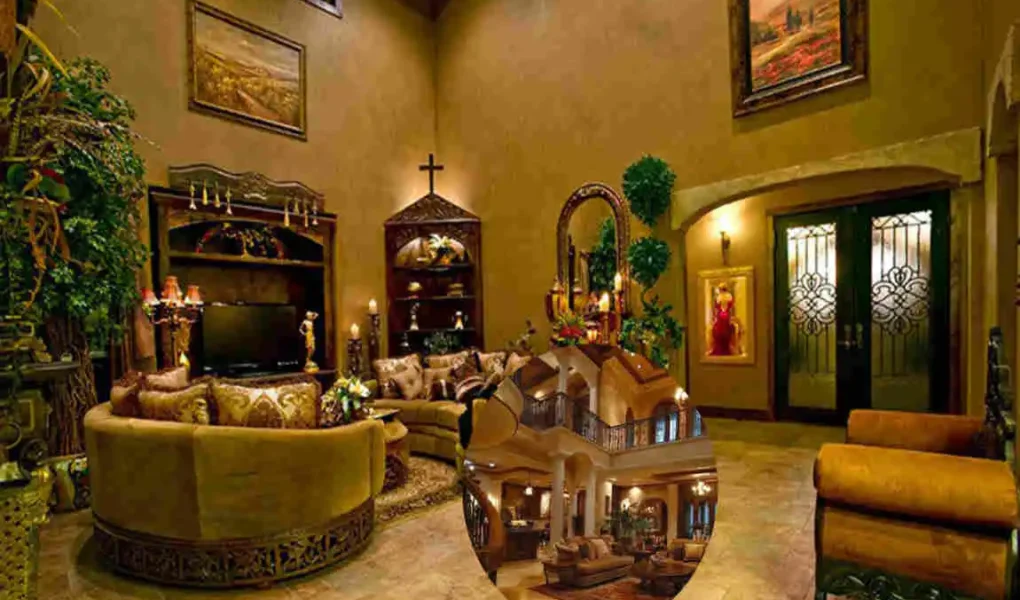
When you step inside a Tuscan house built in the 2000s, the theme continues. The interiors focus heavily on rich textures and dramatic features.
- Warm earth-tone colors: Walls usually featured shades of mustard yellow, terracotta red, sage green, and heavy browns.
- Decorative ironwork: Wrought iron spindles on staircases and iron chandeliers were an absolute must-have.
- High ceilings: Builders pushed ceilings high, often adding dark wooden beams to draw the eye upward.
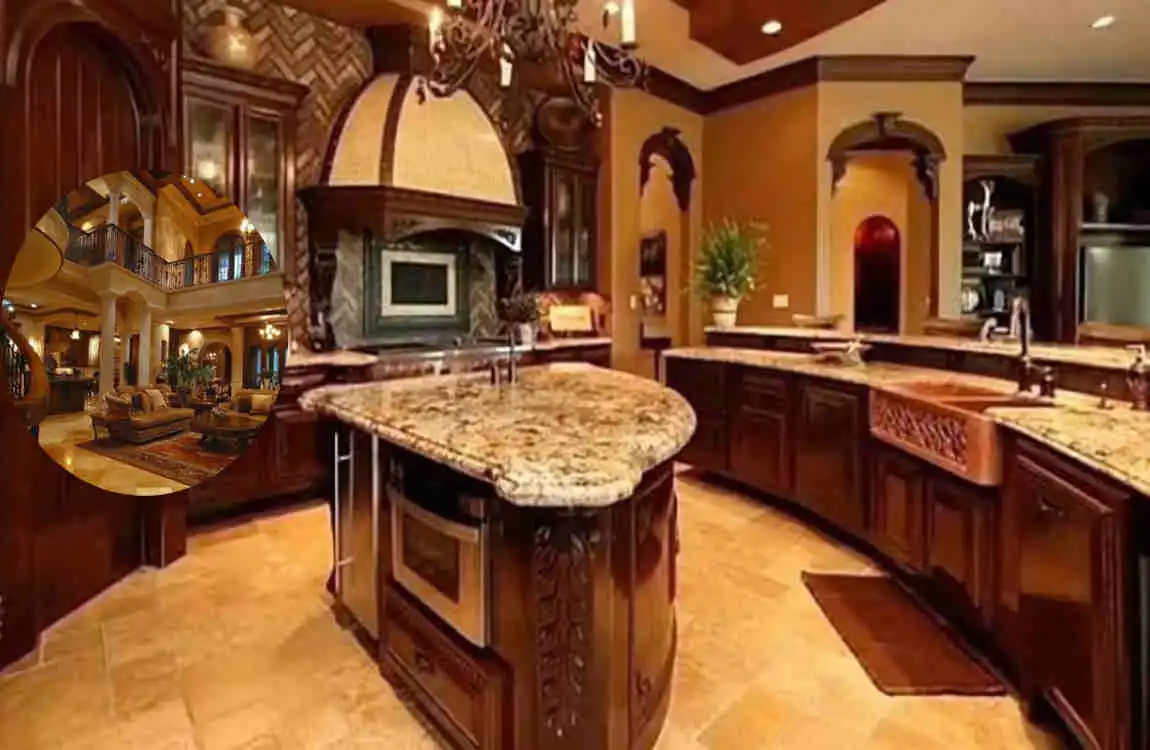
- Large kitchens: The kitchen served as the heart of the luxury home, usually featuring massive center islands and ornate wooden cabinetry.
- Travertine and stone flooring: Natural stone tiles replaced standard hardwood or carpet in the main living areas to keep the home feeling cool and earthy.
Why Homeowners Loved the Tuscan House 2000s Style
You might wonder why this specific trend took off like wildfire. The truth is, the Tuscan house 2000s style offered a lot of incredible benefits that buyers simply could not resist.
Elegant Appearance
First and foremost, these homes look incredibly elegant. The sweeping arches and rich stone details gave off an air of sophistication. When you pulled into the driveway, the house made a serious statement. It looked custom-built, even in a neighborhood of similar homes.
Spacious Layouts
Builders designing these homes favored large, open footprints. Families loved having plenty of room to spread out. The floor plans usually included sweeping entryways, grand dining rooms, and expansive family rooms that easily accommodated large gatherings.
Warm and Inviting Interiors
Unlike the sterile, ultra-minimalist designs of today, the Tuscan style felt deeply welcoming. The warm earth tones and textured fabrics created a cozy atmosphere. The design actively encouraged family members and guests to sit down, relax, and stay a while.
Luxury Living Feel
Living in a Tuscan house in the 2000s made you feel like royalty. The heavy wood doors, intricate ironwork, and natural stone finishes signaled wealth and comfort. Homeowners loved feeling as though they resided in a luxurious European villa every single day.
Common Criticisms Today
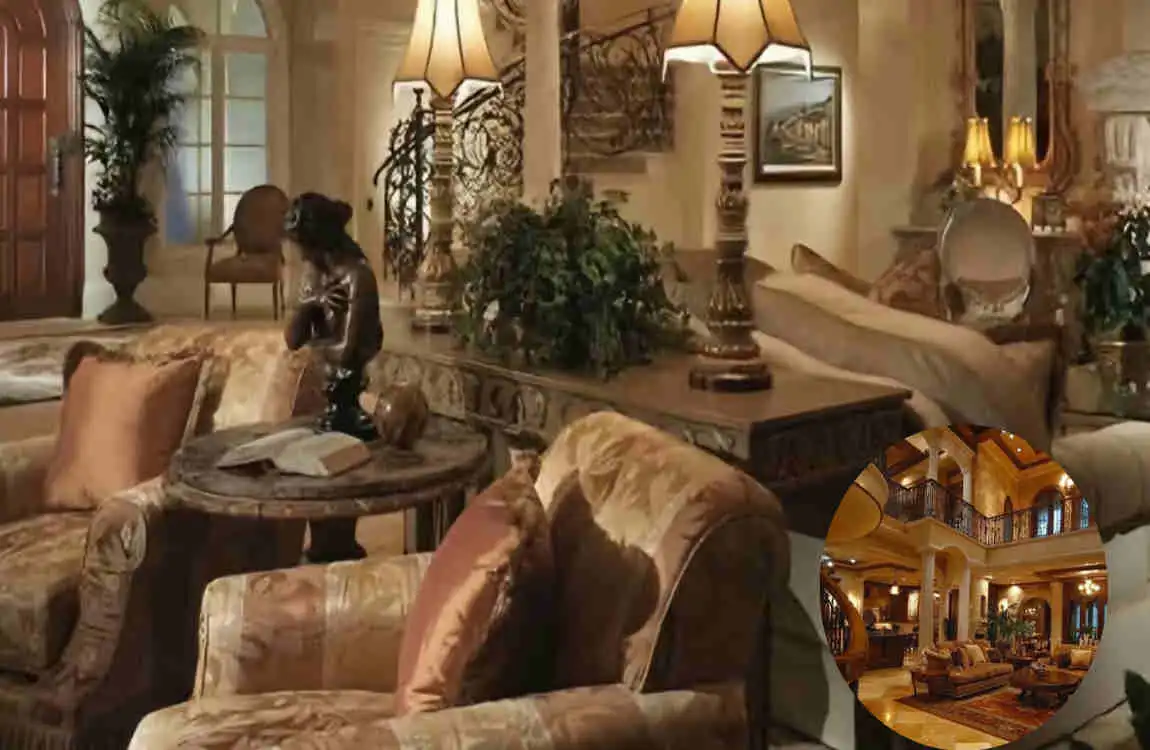
Trends inevitably change. While people adored this style twenty years ago, modern buyers often have a different perspective. Today, the Tuscan house 2000s aesthetic faces a few common criticisms.
Heavy Color Palettes
Modern design heavily favors bright, airy, and neutral spaces. In contrast, the deep reds, golds, and browns of the Tuscan style now feel quite heavy. Many buyers find that these intense colors overwhelm the space and clash with modern furniture.
Dark Interiors
Because of the dark wooden beams, heavy window drapes, and deep wall colors, these homes can feel surprisingly dark. Even with large windows, the interior design choices often absorb the natural light rather than reflecting it.
Expensive Maintenance
Old-world materials require real upkeep. Natural stone floors need regular sealing. Stucco exteriors can develop cracks that need patching, and heavy clay roofs require specialized roofers for repairs. This maintenance can quickly become expensive for the average homeowner.
Dated Decorative Details
Certain design choices firmly anchor these homes in the early 2000s. Faux-finish painted walls, ornate grape-leaf motifs, and overly intricate wrought iron can make a house look like a time capsule rather than a modern sanctuary.
How to Modernize a 2000s Tuscan House
If you own a Tuscan house from the 2000s, do not worry! You do not need to tear it down to make it beautiful for today’s market. You can easily bridge the gap between traditional Italian architecture and modern preferences.
Paint Lighter Neutral Colors
The fastest way to update your home is with a fresh coat of paint. Swap out the heavy golds and reds for soft whites, warm creams, or light greiges. This instantly brightens the space, reflects natural light, and gives the home a fresh, breathable atmosphere.
Update Flooring
If your home features dark, heavily patterned tile, consider updating the floors. Wide-plank European oak or lighter, matte-finish stone can completely transform the space. Lighter floors immediately make the heavy architectural details feel more balanced.
Replace Heavy Fixtures
Look at your lighting and hardware. Try swapping out those dark, ornate wrought-iron chandeliers for something more streamlined. Modern brass, matte black, or simple linen-shaded light fixtures will bring a massive dose of current style into the home.
Modernize the Kitchen
You do not necessarily need to rip out all your cabinets. You can modernize a Tuscan kitchen by painting the dark wooden cabinets a lighter color. Consider replacing heavily detailed granite countertops with clean, simple quartz. Finally, swap out any decorative, old-world tile backsplashes for a classic, subtle subway tile.
Improve Outdoor Landscaping
Bring the modernization outside! Trim back overgrown, heavy bushes. Introduce clean, structured landscaping with modern planters. You can also paint the exterior trim a fresher color to give your home a sharp, updated curb appeal.
Pros and Cons
Every architectural style has its strong suits and its drawbacks. If you are considering buying or renovating one of these properties, here is a quick breakdown of what to expect.
ProsCons
Timeless architecture with solid, beautiful bones Can feel dated if original early-2000s decor is left untouched.
Durable materials like stone, tile, and heavy wood Costly renovations when updating high-end hard surfaces
Spacious floor plans that accommodate modern family life Dark interior finishes that require intentional brightening
High resale appeal in some markets that love traditional luxury Heavy decorative style that clashes with minimalist furniture
Is the 2000s Tuscan Style Making a Comeback?
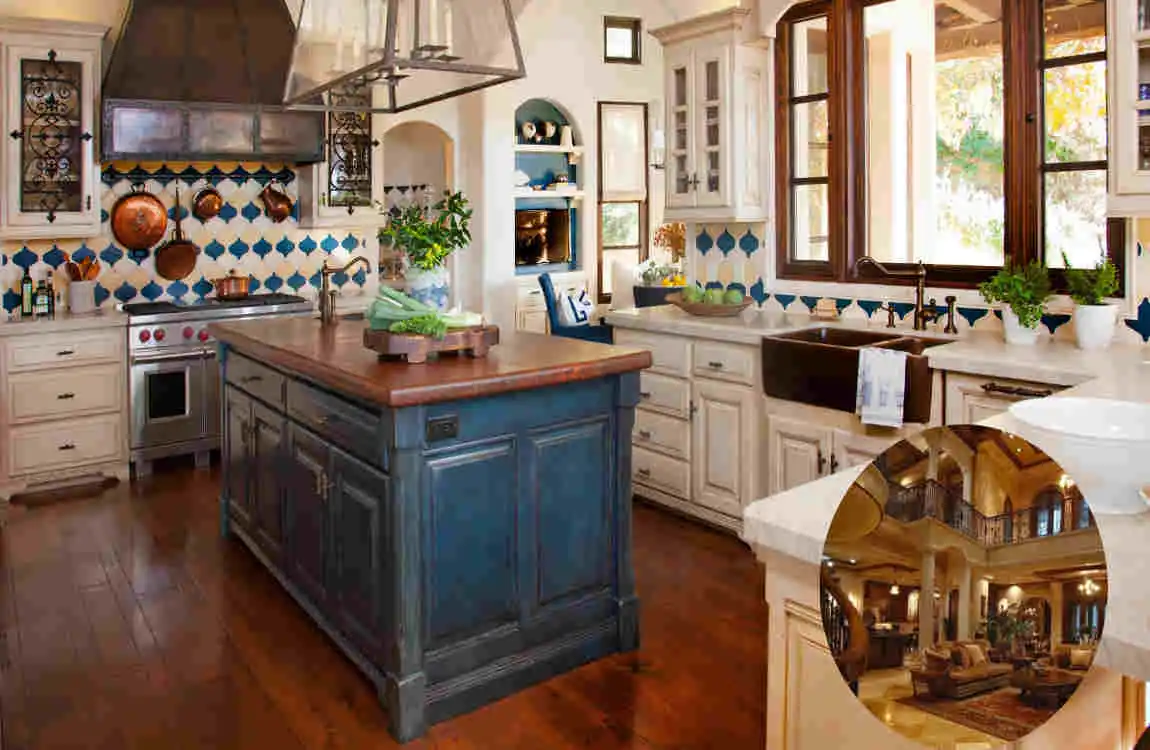
Design trends operate in cycles. While the replica of the Tuscan house 2000s style isn’t making a direct return, its core elements are absolutely finding their way back into our hearts.
Current Design Trends
Today, the design world is pivoting away from cold, gray, ultra-modern boxes. People crave warmth again. The “Organic Modern” trend is wildly popular right now, and it heavily borrows from the Tuscan playbook. We are seeing a massive return to natural stone, textured plaster walls, and warm wood tones.
Blending Tuscan and Modern Styles
The secret to success today is blending. Designers refer to this updated look as “Modern Mediterranean.” They keep the gorgeous arches, the high ceilings, and the sturdy stone, but they strip away the fussy, ornate details. By pairing the grand architecture of a Tuscan home with clean, modern furniture, you create a stunning, transitional space.
What Buyers Prefer Today
Today’s buyers want the best of both worlds. They appreciate the solid construction and grand scale of a 2000s Tuscan home. However, they prefer it presented with a light, bright, and uncluttered aesthetic. If you can provide a warm, airy atmosphere within those grand Tuscan walls, buyers will line up at your door.
Tips Before Buying or Renovating
Are you thinking about purchasing a 2000s Tuscan house property, or perhaps updating the one you already own? Keep these essential tips in mind to ensure your project is a success:
- Inspect roofing and stucco: Always hire a specialized inspector to check the clay tiles and exterior stucco for cracks or water damage.
- Update lighting: Budget for new light fixtures immediately. It is the cheapest and most effective way to drag a home out of the 2000s.
- Improve energy efficiency: Large homes with high ceilings can cost a fortune to heat and cool. Look into upgrading windows, adding insulation, or installing smart thermostats.
- Preserve timeless architectural details: Do not destroy beautiful arched doorways or solid wood beams. These are expensive, high-quality features that give your home character.
- Budget for cosmetic upgrades: Understand that updating natural stone floors or expansive solid wood kitchens will cost more than a standard cosmetic flip. Budget accordingly.
Frequently Asked Questions (FAQ)
What is a Tuscan house 2000s?
A Mediterranean-inspired home style popular during the early 2000s, featuring stucco exteriors, tile roofs, arches, and warm interiors.
Why were Tuscan homes so popular in the 2000s?
They offered a luxurious, European-inspired appearance with spacious layouts and elegant finishes.
Are 2000s Tuscan houses outdated?
Some interior finishes may look dated, but the architecture remains attractive and can be modernized.
How can I update a Tuscan house without a full remodel?
Use lighter paint colors, modern lighting, updated flooring, and simplified décor while preserving original architectural details.
Is a Tuscan-style home a good investment?
Yes. Well-maintained and tastefully updated Tuscan homes can remain desirable in many real estate markets.
| Feature | Details |
|---|---|
| Trend Name | 2000s Tuscan House Trend |
| Popularity Period | Early to late 2000s (2000–2010) |
| Architectural Style | Inspired by traditional Italian countryside villas in Tuscany |
| Exterior Features | Stucco walls, stone accents, clay tile roofs, arched windows, wrought-iron details |
| Interior Design | Warm earth tones, textured walls, dark wood cabinets, travertine floors, ornate lighting |
| Color Palette | Beige, tan, terracotta, olive green, gold, and deep brown |
| Common Materials | Natural stone, stucco, wrought iron, hardwood, terracotta tiles |
| Typical Home Size | Medium to large suburban homes (2,500–5,000+ sq. ft.) |
| Why It Became Popular | Offered a luxurious, Old-World European look with warm and elegant interiors |
| Current Appeal | Still appreciated for its timeless architecture, though many homeowners now modernize interiors with lighter colors and simpler finishes. |