Many people are asking whether manufactured homes are a good investment in today’s housing market. With home prices rising fast, manufactured homes look attractive because they cost less and can be set up much more quickly than traditional houses.
For buyers who want an affordable way into real estate, they can be a smart choice. But the answer is not the same for everyone. A manufactured home can be a strong investment in the right place, with the right land, and the right long-term plan.
What Are Manufactured Homes?
Built in a Factory
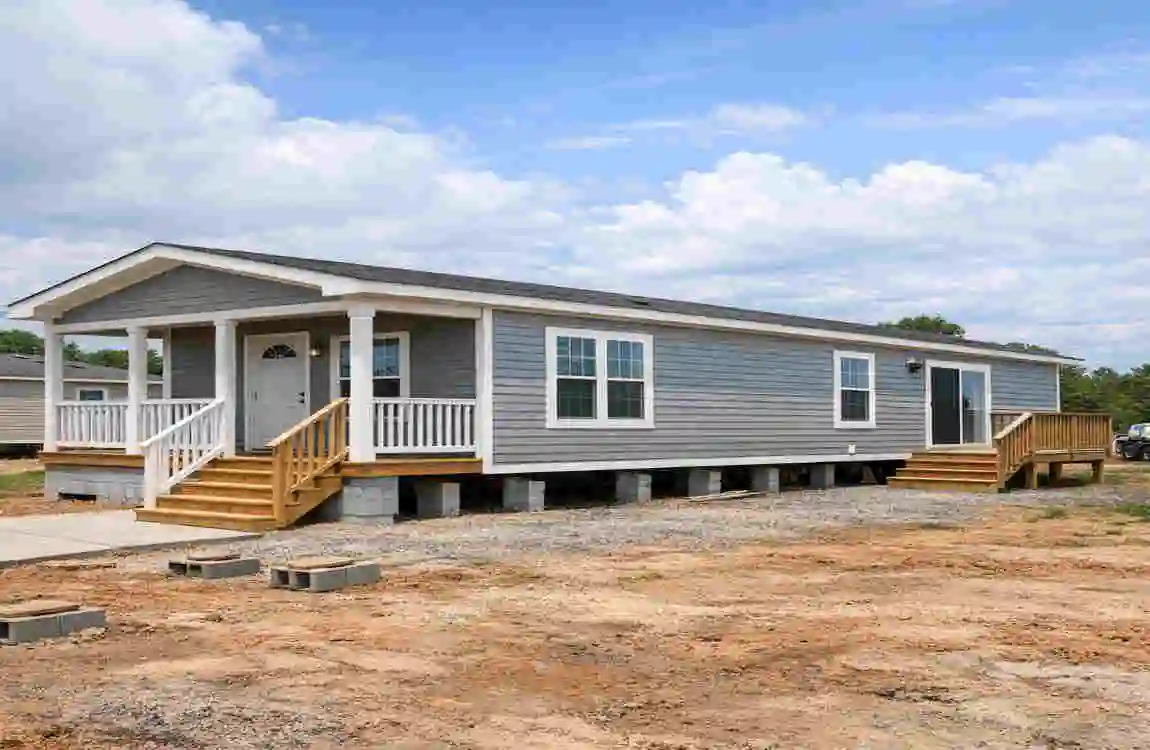
Manufactured homes are homes built in a factory and then moved to a site. They are not built piece by piece on the land like regular houses.
These homes are built to HUD code standards, which govern safety, quality, and construction.
Not the Same as Mobile or Modular Homes
People often mix up manufactured homes with mobile homes or modular homes.
- Manufactured homes are factory-built homes made after 1976 under HUD rules.
- Modular homes are also factory-built, but they follow local building codes like site-built homes.
- The term “mobile homes” usually refers to older homes built before modern standards were adopted.
Why They Cost Less
They are usually more affordable because factory production lowers labor costs and waste. Also, they are built faster, which helps reduce overall expenses.
Cost Advantages of Manufactured Homes
One of the biggest reasons people ask whether manufactured homes are a good investment is their lower price.
Lower Upfront Cost
Manufactured homes often cost much less than traditional homes. That makes them easier for first-time buyers and investors with smaller budgets.
Faster Construction
Since they are built indoors, there are fewer weather delays. This means the home is ready sooner, and that can save money.
Lower Maintenance in Some Cases
Modern manufactured homes are often made with better materials than older versions. Many also include energy-saving features that can help reduce bills.
FeatureManufactured HomeTraditional Home
Purchase Price Lower Higher
Build Time Faster Slower
Labor Cost Lower Higher
Energy Efficiency Often good Varies
Resale Growth Depends on land and location Usually stronger
Are Manufactured Homes a Good Investment?
The short answer is yes, but only in the right situation.
Land Ownership Matters Most
A manufactured home on owned land usually has a better chance of holding or increasing value. If you own both the home and the land, the investment is often stronger.
If the home sits in a rented park or community, it may lose value over time. That is because you do not own the land beneath it.
Location Can Make or Break the Investment
Just like any other property, location matters a lot. A manufactured home in a growing area with jobs, schools, and strong rental demand can do well.
But if the area has weak demand or strict zoning rules, your return may be lower.
Appreciation vs Depreciation
Traditional homes often gain value over time. Manufactured homes can, too, but not always.
If the home is well cared for, placed on land you own, and located in a strong market, it may appreciate. If not, it may lose value, especially if the land is rented.
Rental Income Potential
Many investors buy manufactured homes to rent them out. In affordable housing markets, they can bring steady monthly income.
This is one reason some people see them as a good entry point into real estate investing.
Key Takeaway
So, are manufactured homes a good investment?
Yes, when you own the land, choose a strong location and plan for long-term value.
No, if you buy without thinking about land, resale value, or local demand.
Pros of Investing in Manufactured Homes
Affordable Entry Into Real Estate
They let buyers enter the market with less money upfront. That is a major advantage for new investors.
Strong Demand in Some Areas
In places where housing is expensive, manufactured homes can meet real demand for affordable living.
Fast ROI Potential
Because the purchase price is lower, investors may recover their money faster through rent or resale.
Better Quality Than Before
Modern manufactured homes are much improved. Many now have better insulation, design, and durability than older models.
Cons and Risks
Possible Depreciation
If the home is not on land owned by the homeowner, its value may decline over time.
Financing Can Be Harder
Some lenders charge higher interest rates or have stricter rules for manufactured homes.
Resale Value Concerns
Some buyers still prefer traditional homes, which can make resale slower in certain markets.
Zoning and Insurance Issues
Some areas limit where manufactured homes can be placed. Insurance can also be more complicated in some cases.
Manufactured Homes vs Traditional Homes
Traditional homes usually offer stronger long-term appreciation and easier resale. They also tend to face less stigma in the market.
Manufactured homes, on the other hand, are cheaper and faster to buy. That makes them attractive if your goal is affordability, rental income, or a lower-risk entry into property ownership.
So, if you want stability and stronger appreciation, traditional luxury homes often win. If you want lower cost and faster access, manufactured homes can be a smart option.
Best Situations to Invest in Manufactured Homes
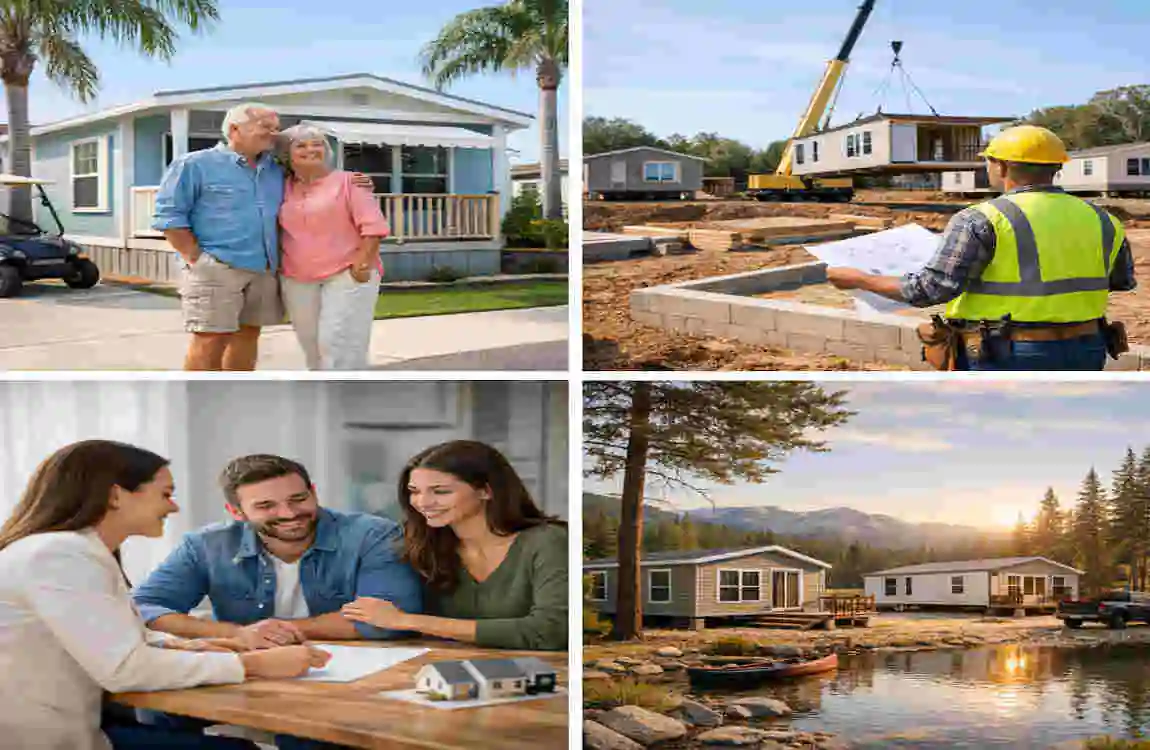
- You own the land
- The area has high rental demand
- You are targeting affordable housing markets
- You want a retirement or low-cost living setup
- You plan to rent the home long-term
Tips to Make It a Better Investment
- Choose land with growth potential
- Buy a modern, high-quality model
- Check local rules before buying
- Work with trusted manufacturers
- Think about long-term rental income
FAQ
Are manufactured homes a good investment in 2026?
Yes, especially if they are placed on owned land in a strong market.
Do manufactured homes go up in value?
They can, but appreciation depends on land ownership, location, and condition.
Can you make money renting manufactured homes?
Yes, many investors earn steady rental income from them.
| Factor | Is It a Wise Investment? | Key Details |
|---|---|---|
| Affordability | Yes | Costs ~$85/sq ft vs. $168/sq ft for traditional homes; 20–30% cheaper overall |
| Value Retention | Yes | Depreciates slower than conventional homes; can appreciate with land ownership |
| Construction Speed | Yes | Built 30–60% faster ( ~60 days vs. 1–2 years) |
| Energy Efficiency | Yes | More energy-efficient, lowering utility bills and increasing rental ROI |
| Customization | Yes | Offers customizable designs and energy-efficient solutions |
| Location Dependency | Conditional | Wise only in good locations; value heavily depends on quality and area |
| Land Ownership | Critical | Better investment if you own the land; poor if renting the plot |
| Rental Potential | Yes | Great for short/long-term rentals, especially in recreational areas |