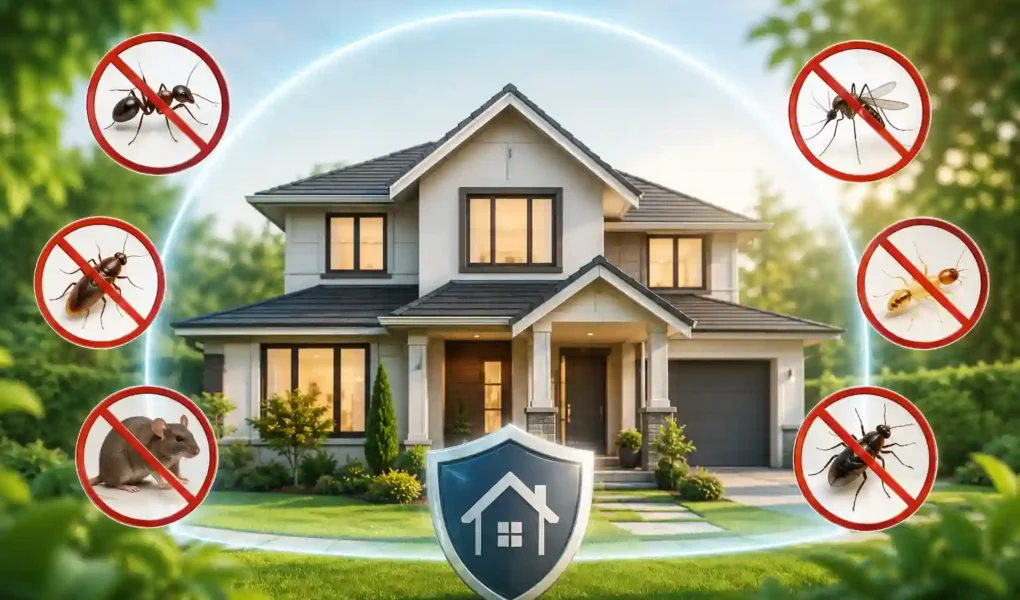
Keeping your living space free of pests is vital not just for comfort but also for health and safety. Pests such as ants, cockroaches, and rodents can cause property damage and even spread harmful diseases. Adopting effective prevention strategies can make a lasting difference. Whether you are regularly cleaning or taking on seasonal maintenance projects, having reliable pest control methods can help you safeguard your home year-round. Understanding what attracts pests and how they gain access is the foundation for preventing infestations. Small changes in daily habits, combined with attention to potential entry points, can significantly lower the chances of an unwanted invasion. Homeowners benefit not only from fewer pests but also from improved air quality and peace of mind. By following a few simple steps, you can deter the most common invaders before they ever become a problem.
Regularly assessing your home is crucial for identifying issues before they escalate. Inspect areas prone to moisture, gaps, or stored food, and maintain consistent routines throughout the year. For more thorough assessments, consider investing in regular pest inspection services. These evaluations can uncover hidden risks that might otherwise go undetected, further reducing potential threats.
To help you take actionable steps, this guide covers the leading preventive measures and practical tips. From addressing moisture issues to properly storing food, each strategy plays a critical role in maintaining a clean, healthy environment. Learn to spot the early warning signs so you can take swift action, minimizing pest problems and property risks.
Understanding Common Household Pests
Pests such as ants, cockroaches, rodents, and spiders are the most common intruders in residential settings. Each presents unique challenges and health risks:
- Ants: These insects are persistent when searching for food or water. Even tiny crumbs can attract entire colonies, leading to widespread infestations.
- Cockroaches: Often found in warm, damp spaces, cockroaches are known carriers of bacteria and allergens.
- Rodents: Mice and rats enter homes in search of food and shelter, especially during colder months. Besides contaminating food, they gnaw on structures and wiring, sometimes causing costly damage.
- Spiders: While most household spiders are harmless, some species, such as the brown recluse or black widow, can pose risks to humans. They often arrive while hunting other insects inside.

Maintaining Cleanliness
Cleanliness is one of the most effective barriers to pest invasions. Focus on areas where food is prepared and consumed:
- Wipe down kitchen counters and tables frequently to eliminate crumbs and spills that attract pests.
- Vacuum floors and carpets regularly to remove food particles and debris.
- Empty garbage bins daily and use containers with tight-fitting lids to reduce the risk of attracting flies and rodents.
Sealing Entry Points
Even the tiniest of gaps can serve as entry points for pests. Conduct a thorough inspection of your home’s exterior and address vulnerabilities:
- Seal gaps and cracks around windows, doors, siding, and the foundation with caulk or weather-resistant sealant.
- Repair or replace damaged screens on doors and windows.
- Cover vents and chimneys with appropriate mesh to deny entry to rodents and birds.
Managing Moisture
Pests are often drawn to moisture-rich environments. Address leaks and dampness to keep these unwanted visitors at bay:
- Repair leaking faucets and pipes as soon as you notice them.
- Use dehumidifiers in moisture-prone areas such as basements, crawl spaces, and laundry rooms.
- Keep gutters and downspouts clean to ensure water is properly diverted away from your home’s foundation.
Proper Food Storage
Inadequate food storage is one of the primary reasons pests linger inside. Implement effective food-handling practices:
- Store all food in airtight containers made of glass, heavy-duty plastic, or metal.
- Refrigerate leftovers and perishable items immediately after use.
- Routinely clean your pantry and storage shelves to remove expired items, which may attract insects.
- Store pet food in sealed containers and avoid leaving pet food out overnight.
Regular Inspections
Set aside time each season to perform detailed checks of your home, especially in areas that are out of sight:
- Inspect basements, attics, and crawl spaces for signs such as droppings, nests, or chew marks.
- Pay attention to unusual odors, scratching noises, or areas where pests may have entered or nested.
- Promptly address any evidence to prevent small problems from becoming serious infestations.
Natural Repellents
Natural repellents offer an alternative to chemical pesticides. Many essential oils, such as peppermint or clove, can be diluted with water and used as sprays around windows, doors, and crevices. These natural solutions can deter insects such as ants, spiders, and even mosquitoes. Regular reapplication is necessary because natural products tend to dissipate more quickly than synthetic chemicals.
Herbs like bay leaves can help keep pantry pests away when placed near stored food. Citrus peels and vinegar solutions also offer a safe and effective means to keep certain insects at bay. While natural remedies may not replace professional treatments for severe infestations, they can be an effective supplement to your regular cleaning routine.
When to Seek Professional Help
If you discover that your pest problem persists despite your best efforts, it is time to contact professionals. Certified pest control technicians can assess the extent of the issue and administer targeted treatments to protect your home and health. Complex infestations, such as termites, bed bugs, or large rodent populations, often require expert intervention and specialized equipment. Early intervention can save you significant time, stress, and money in the long run. Professional guidance ensures safe and effective application of products, minimizing potential hazards to people or pets in your household. By actively maintaining high standards of cleanliness, routine inspections, and following the outlined preventive steps, homeowners can reduce their exposure to common pest problems. Implementing these proactive measures helps keep your home comfortable, healthy, and protected year-round.
Conclusion
Preventing household pests requires consistent effort, awareness, and simple yet effective daily habits. By maintaining cleanliness, sealing entry points, controlling moisture, and storing food properly, homeowners can significantly reduce the risk of infestations. Regular inspections and the use of natural repellents further strengthen your home’s defenses against common pests like ants, cockroaches, and rodents. While many issues can be managed through preventive care, professional pest control services are essential for persistent or severe infestations. By staying proactive and addressing potential problems early, you can maintain a healthier, safer, and more comfortable living environment year-round.