Modern African homes are becoming more popular because they offer the right mix of style, comfort, and practicality. Many homeowners today want homes that look beautiful, feel open, and work well in everyday life. That is exactly why modern design fits so well.
These homes also reflect African living in a simple, fresh way. They can include local materials, warm colors, and cultural touches while still feeling clean and current. At the same time, they support better airflow, more natural light, and energy savings, which makes them a smart choice for many climates across Africa.
If you are planning a new home or considering a renovation, modern African homes offer a strong balance of beauty and function.
What Are Modern African Homes?
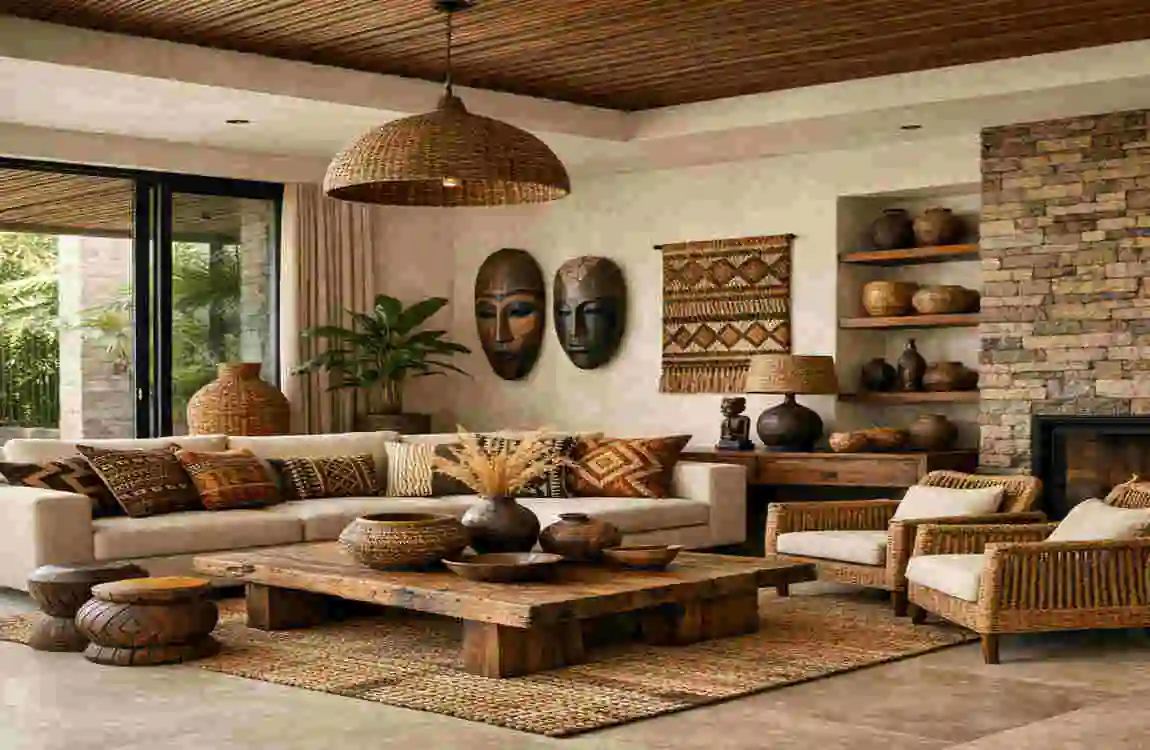
Definition of Modern African Home Design
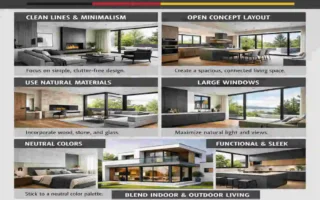
Modern African homes use simple layouts, clean lines, and open spaces. Instead of too many walls or heavy decoration, the focus is on comfort, light, and easy movement through the house.
This style often includes large living areas, practical kitchens, and bright rooms. The goal is to make the home feel spacious, useful, and welcoming.
Combining Tradition with Modernity
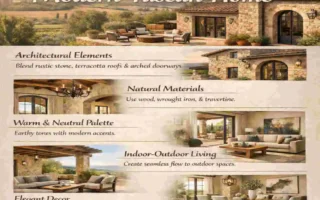
What makes this style special is the way it blends African identity with modern design. Many homes use natural materials such as wood, stone, and clay. Others include handmade decor, woven items, or patterns inspired by African culture.
This balance helps the home feel modern without losing its roots. It creates a space that feels both fresh and familiar.
Key Features of Modern African Homes
Open-Concept Spaces
Open spaces are among the most prominent features of modern design. Living rooms, dining areas, and kitchens often flow into one another.
This makes the home feel larger and more family-friendly. It also improves movement and makes social time easier.
Natural Lighting
Large windows, glass doors, and even skylights are common in modern African homes. These features bring in sunlight during the day and help reduce the need for artificial lighting.
Natural light also makes rooms feel warmer and more inviting.
Sustainable Building Materials
Many modern homes use materials that are strong, local, and long-lasting. Common choices include:
- Stone
- Wood
- Clay bricks
- Concrete
These materials help reduce long-term costs and handle various weather conditions well.
Flat or Sloped Roof Designs
Roof style matters a lot in African homes. Flat roofs give a modern look, while sloped roofs help with rainwater flow and weather protection.
Both styles can work well when designed properly for the local climate.
Why Modern African Homes Are Popular
Climate-Friendly Designs
A major reason for this style’s growth is that it works well in many African climates. Good ventilation, shaded spaces, and smart room placement help keep the home cooler.
This means less heat inside and more comfort for the family.
Cost-Effective Construction
Modern homes often use smart layouts and efficient materials. This can reduce waste during construction and lower maintenance needs later.
A well-planned home also saves money by using space wisely.
Stylish Yet Functional
People love homes that look good, but they also want homes that are easy to live in. Modern African homes offer both.
They often include:
- Spacious kitchens
- Flexible rooms
- Comfortable bathrooms
- Outdoor sitting areas
This makes daily life smoother and more enjoyable.
Interior Design Trends in Modern African Homes
Neutral Earth Tones
Soft colors like beige, brown, sand, and cream are very common. These shades create a calm and natural feeling.
They also work well with wood, stone, and traditional decor pieces.
African Textures & Decor
Interior design often includes handmade baskets, carved furniture, woven fabrics, and tribal-inspired patterns. These items bring warmth and personality into the home.
They also help keep the space connected to African culture.
Minimalist Furniture
Modern African homes usually avoid heavy furniture. Instead, they use clean, simple pieces that save space and look elegant.
This keeps the home open and easy to maintain.
Benefits of Choosing Modern African Homes
Modern African homes offer many useful advantages. Here are some of the biggest ones:
BenefitWhy It Matters
Natural ventilation keeps the home cooler and more comfortable
Energy efficiency lowers electricity use and saves money
An outdoor living space gives families more room to relax and gather
Eco-friendly construction supports sustainable living
Higher resale value. Modern homes often attract more buyers
Attractive curb appeal makes the home look stylish from the outside
Comfortable family living supports daily routines and togetherness
These benefits make modern design a practical choice, not just a stylish one.
Challenges in Designing Modern African Homes
Even though modern homes are appealing, there are still some challenges to think about.
Construction Costs in Urban Areas
Building in cities can be expensive because land, labor, and materials may cost more. This can make planning harder for some homeowners.
Access to Quality Materials
In some areas, finding the right materials can be difficult. Low-quality materials may affect the final result and the home’s durability.
Balancing Culture with Modern Trends
Some people want a very modern look, while others want a stronger cultural identity. Finding the right balance can take careful planning.
Climate Adaptation
A design that works in one region may not work well in another. That is why homes should always be planned around local weather and living needs.
Tips for Building the Perfect Modern African Home
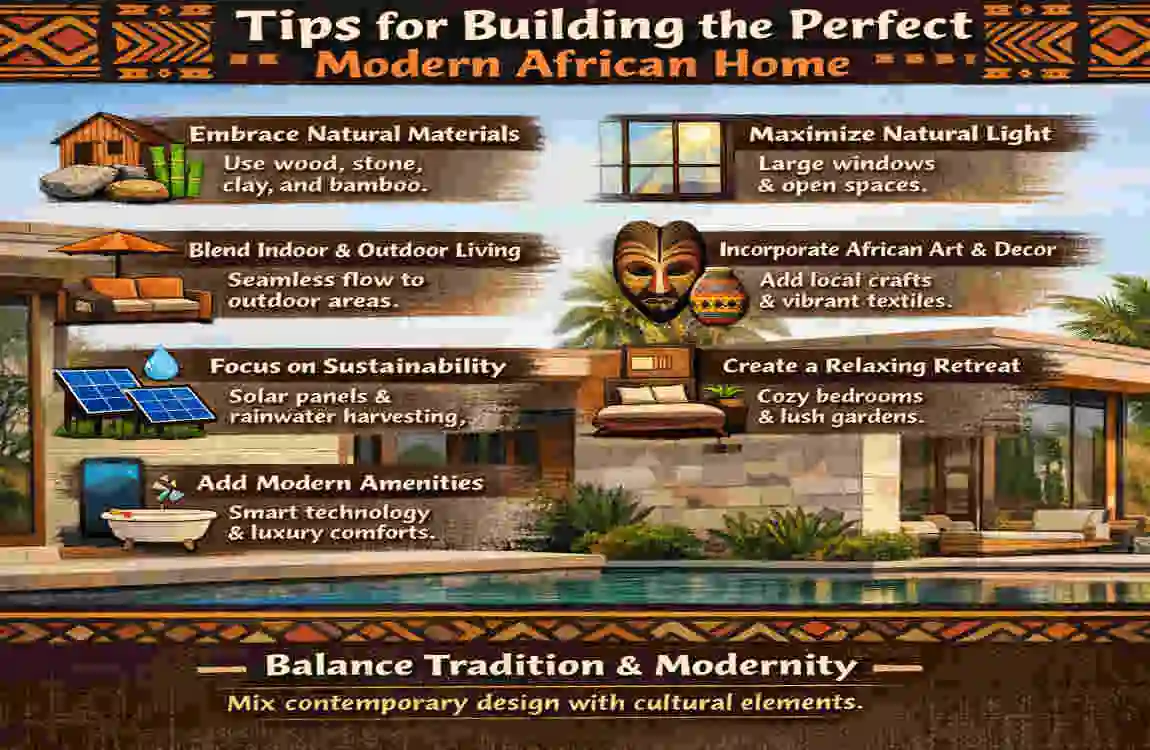
If you want your home to feel both modern and practical, start with the basics.
Choose Climate-Appropriate Materials
Pick materials that can handle heat, rain, or humidity in your area. This helps the house last longer and stay comfortable.
Focus on Ventilation and Sunlight
Good airflow and natural light can transform a house’s feel. They also support energy savings.
Include Local Cultural Design Elements
Use patterns, decor, or materials that reflect your heritage. These small details add meaning and personality.
Plan Flexible Interior Layouts
Rooms that can serve more than one purpose are very useful. A study area can, for example, be used as a guest room.
Invest in Sustainable Landscaping
Add trees, shade, and simple garden areas around the house. This improves beauty and helps control heat.
Future Trends in Modern African Homes
The future of housing in Africa is moving toward smarter, greener, and more flexible homes.
More homeowners are interested in solar power, energy-saving systems, and designs that connect indoor and outdoor living. Smart home features are also becoming more common. These changes show that modern African homes will continue to grow in ways that support both comfort and sustainability.
FAQ: Modern African Homes
What makes modern African homes unique?
They mix contemporary design with local materials, cultural elements, and climate-friendly features.
Are modern African homes energy efficient?
Yes. They often use natural light, good ventilation, and sustainable materials to reduce energy use.
Which materials are common in modern African homes?
Stone, wood, clay bricks, glass, and concrete are often used.
Are modern African homes affordable?
They can be, especially when built with smart layouts and local materials that reduce long-term costs.
Why are modern African homes growing in popularity?
Because they offer comfort, style, practicality, and a strong connection to African living.
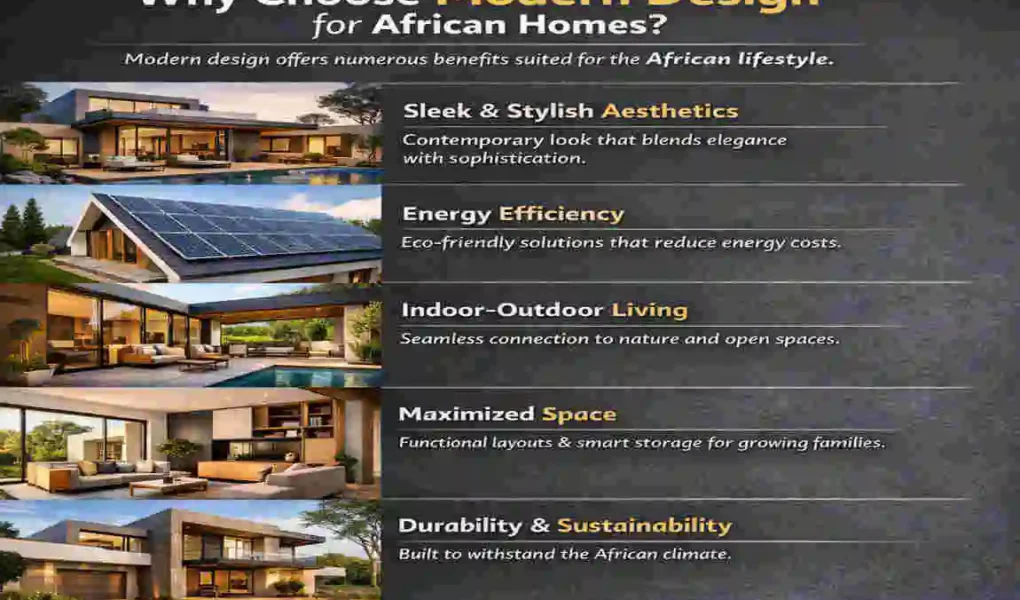
| Why Choose Modern Design for African Homes? | Benefit |
|---|---|
| Clean and simple look | Makes spaces feel open and organized. |
| Mix of culture and style | Blends African heritage with modern comfort. |
| Natural materials | Uses wood, clay, stone, and woven textures for warmth. |
| Functional layout | Supports easy daily living and better space use. |
| Timeless appeal | Stays stylish while still feeling local and personal. |