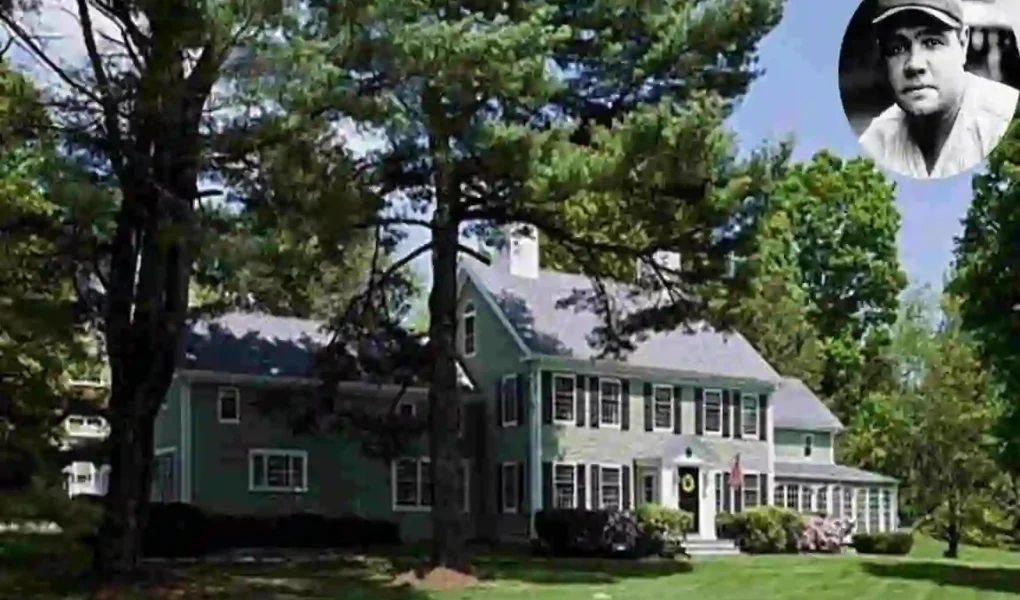
Have you ever wondered what life was really like for the most famous baseball player in human history? When we think of George Herman “Babe” Ruth Jr., we usually picture him standing at home plate. We see the heavy wooden bat resting on his shoulder, his eyes locked on the pitcher, and the crowd holding its collective breath. We imagine the roar of Yankee Stadium and the dizzying heights of his athletic fame.
But what happened after the stadium lights turned off? Where did the “Sultan of Swat” go when the roaring crowds finally went home?
If you want to understand a person truly, you have to look at where they live. A home tells the story of our lives, and for a larger-than-life figure like Babe Ruth, his residences tell an incredible tale. They document a spectacular rise from gritty, humble beginnings to the absolute peak of roaring twenties royalty.
From his incredibly modest birthplace in Baltimore to his sprawling, luxurious apartments in New York city, we will cover it all. We will blend rich sports history with beautiful architecture and modern real estate insights. Whether you are a die-hard baseball fanatic, an architecture enthusiast, or someone who loves celebrity home tours, this journey is for you.
| Category | Details |
|---|---|
| Full Name | George Herman “Babe” Ruth Jr. |
| Birth/Death | Born Feb 6, 1895 (Baltimore, MD); Died Aug 16, 1948 (age 53, throat cancer) |
| Height/Weight | 6 ft 2 in (1.88 m), 215 lbs (98 kg) |
| Family | First wife: Helen Woodford (m. 1914, d. 1929); Second wife: Claire Merritt Hodgson (m. 1929); Adopted daughters: Dorothy and Julia |
| Career | MLB: 1914-1935 (Red Sox, Yankees, Braves); 714 HRs, .342 avg, 7 World Series titles |
| Net Worth | ~$800,000 at death (1948); equiv. ~$10-20M today adjusted |
| Current Residence | Deceased; no living location. Former homes: Baltimore birthplace museum, NYC apts (e.g., 345 W 88th St.), FL bungalow |
The Architecture of a Classic Row House
If you have never seen a classic Baltimore row house, picture a tall, narrow brick building attached directly to the houses on either side of it. These homes were designed for practicality and efficiency, not luxury.
The Emory Street Babe Ruth house features a simple red-brick exterior. You will notice traditional white marble steps leading up to the front door—a very famous architectural trademark of historic Baltimore homes. Inside, the rooms are cozy and tightly packed. The ceilings are standard height, and the floor plan forces families to live in close quarters. For the Ruth family, who struggled financially, this small space was their entire world.
A Modern-Day Baseball Shrine
Today, this humble property looks very different on the inside. Dedicated historians and baseball fans saved the building from demolition. They transformed it into the stunning Babe Ruth Birthplace and Museum.
When you walk through the front door today, you are greeted by an incredible collection of sports history. The museum serves as a dedicated shrine to his legacy. You can walk through the actual rooms where he spent his earliest days. The curators have packed the home with priceless artifacts, including some of the rarest early baseball cards, game-worn uniforms, and personal letters.
Visiting the Emory Street Home
The location of this historic home is incredibly poetic. Ridgely’s Delight sits just a short walk away from Oriole Park at Camden Yards, the modern home of the Baltimore Orioles.
If you plan to visit, you can easily turn your day into the ultimate baseball experience. You can tour the tiny, quiet rooms of the Babe Ruth house in the morning, and then walk over to the massive, roaring stadium to catch an afternoon game. It perfectly bridges the gap between America’s favorite pastime’s past and present.
Early Fame and Rural Retreat: Home Plate Farm
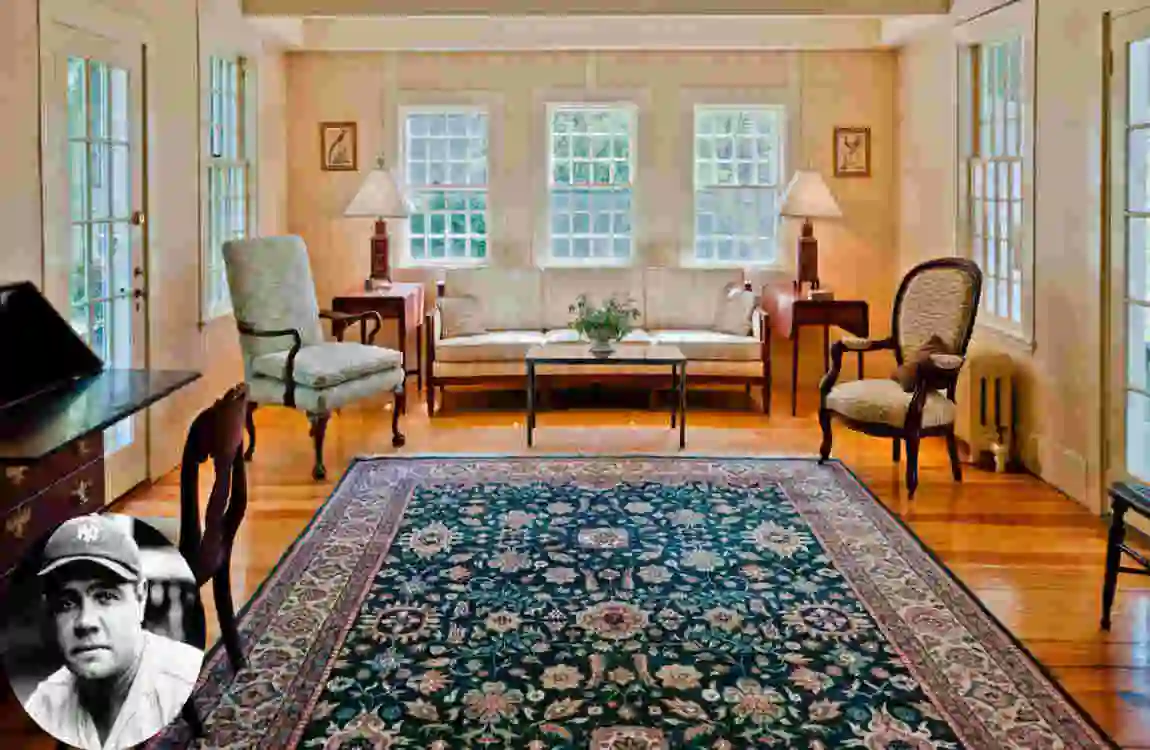
As Babe Ruth’s talent grew, so did his bank account. After proving himself as a phenomenal pitcher and hitter for the Boston Red Sox, he finally had the money to buy a property of his own.
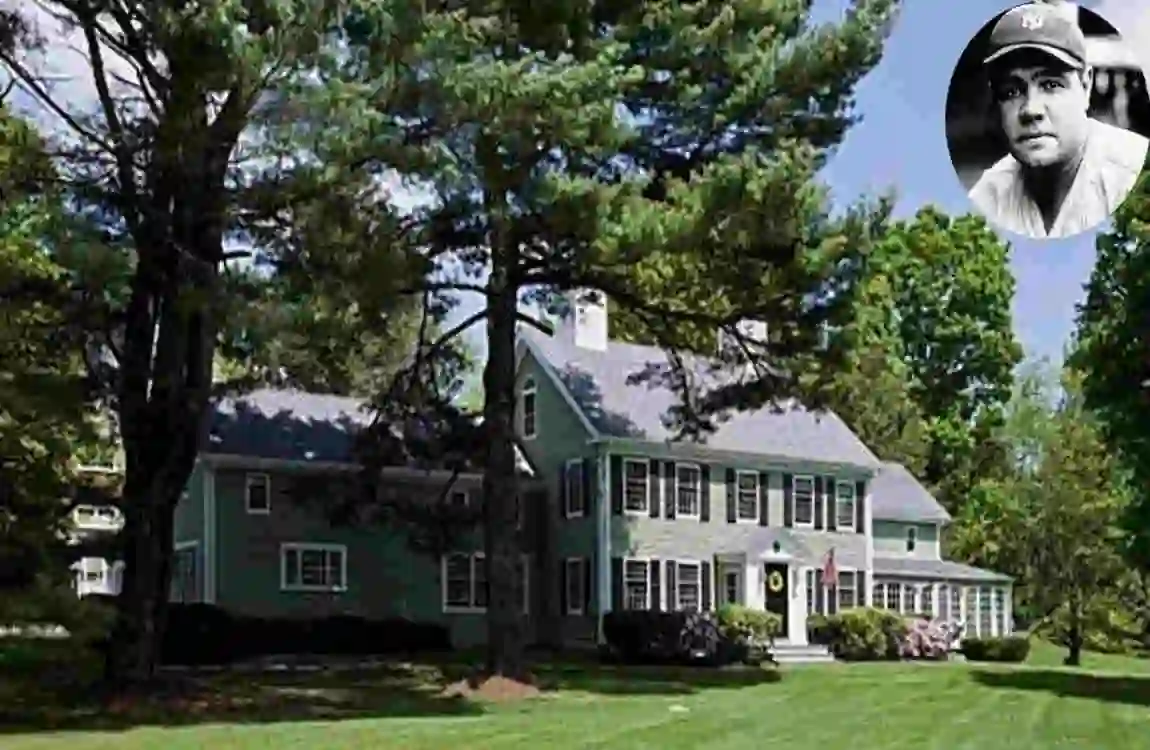
Between 1916 and 1926, Ruth owned a breathtaking rural retreat located at 558 Dutton Road in Sudbury, Massachusetts. He purchased this gorgeous property with his first wife, Helen. They affectionately named the estate “Home Plate Farm.”
A Farm-Style Escape
Home Plate Farm was the exact opposite of his cramped childhood home in Baltimore. This property was vast, open, and incredibly peaceful. The home’s architecture was a classic New England farmhouse design. It featured wide, wrapping porches, large wooden beams, and plenty of windows to let in the fresh country air.
For a young man who grew up in the crowded streets of the city, this farm represented ultimate freedom. Ruth loved the outdoors. He spent his off-seasons here chopping wood, hunting in the nearby forests, and enjoying the quiet life away from the demanding Boston sports media.
The Legend of the Piano in the Pond
You cannot talk about Home Plate Farm without mentioning one of the greatest legends in baseball history.
The property sat right near the beautiful Willis Pond. Ruth, known for his insatiable appetite for fun, frequently hosted wild, loud parties for his teammates and friends. Legend has it that during a particularly wild winter gathering, Ruth and his friends pushed a massive upright piano out onto the ice of Willis Pond.
Why did they do it? Nobody really knows. But when the warm spring weather finally arrived and the ice thawed, the heavy piano sank directly to the bottom of the pond. To this day, residents swear that the piano is still resting deep in the mud beneath the water!
A Historic Red Sox Getaway
This specific Babe Ruth house holds massive historical significance because of when he lived there. He owned this home during his rapid ascent to superstardom. It was here that he transformed from a great local player into a national sports icon.
When you look at pictures of Home Plate Farm, you can see a young athlete trying to find balance. He wanted the roaring crowds during the summer, but he desperately needed this quiet, rural getaway during the winter.
New York Luxury: Upper West Side Apartments
Everything changed in 1920. The Boston Red Sox famously traded Babe Ruth to the New York Yankees, an event that altered the course of sports history. With a massive new contract in his pocket, Ruth traded his quiet Massachusetts farm for the bright, flashing lights of Manhattan.
From 1920 to 1940, Ruth lived in a staggering, ultra-luxurious 11-room apartment located at 345 West 88th Street. He shared this massive space with his second wife, Claire, and his adopted daughter.
The Glory of Prewar Architecture
If you love real estate, you know that prewar New York apartments are the gold standard for luxury. Built before World War II, these buildings feature architectural elements that you cannot find in modern skyscrapers.
This spectacular Babe Ruth house featured incredibly high ceilings, thick plaster walls that blocked out the city noise, and gorgeous, intricate wood moldings along the floors and ceilings. The layout was grand and sprawling. It included formal dining rooms, a massive library, dedicated spaces for live-in staff, and sweeping views of the bustling city streets below.
Ruth loved this building so much that he didn’t just rent an apartment—he eventually owned the entire building! It was the ultimate power move for a man who had become the undisputed king of New York.
Modern Updates and Real Estate Buzz
Recently, this exact apartment made massive headlines in the real estate world. It was listed for sale at $1.59 million.
While the apartment’s historical charm remains completely intact, the space has undergone beautiful modern updates. The old cooking spaces have been transformed into sleek, state-of-the-art chef’s kitchens with stainless steel appliances and marble countertops. The bathrooms feature spa-like rainfall showers and custom tile work.
Yet, even with these modern updates, the spirit of the Yankee legend remains. Real estate agents noted that potential buyers were just as interested in the home’s history as they were in its modern conveniences.
The Riverside Drive Transition
| Property | Address | Specifications/Design | Worth (Recent) | History |
|---|---|---|---|---|
| Birthplace & Museum | 216 Emory St, Baltimore, MD | Classic Baltimore row house; 3-story brick, restored with artifacts/museum exhibits | N/A (museum) | Born 1895; now Babe Ruth Birthplace Museum since 1974 |
| Home Plate Farm | 558 Dutton Rd, Sudbury, MA | 5,200 sq ft farmhouse (c.1800s); 5 beds, 3.5 baths, modern kitchen, vaulted ceilings | $1.65M (2012 listing) | Lived 1922-1926 post-Red Sox/Yankees trade; renovated |
| NYC Apartment | 345 W 88th St, NYC, NY | Prewar Neo-Renaissance; 3 beds, 2.5 baths, 11-room co-op in 9-story brick/limestone bldg | $1.59M (2025 listing) | Lived 1920s-1940s with family; Yankee stardom era |
| St. Pete Bungalow | 211 Sunset Dr N, St. Petersburg, FL | Craftsman 1928; 7,381 sq ft, 5-6 beds, Tuscan kitchen, wine cellar, fireplaces, pool | $1.87M (2025 listing) | Spring training rental 1925+; renovated multimillion$ |
Later in his life, in the early 1940s, Ruth moved to another spectacular property on Riverside Drive. This move further cemented his love for Manhattan’s upscale living. The glamour of these luxurious New York apartments perfectly mirrored his soaring Yankee stardom. He was the biggest celebrity in the world’s biggest city, and his homes finally reflected his larger-than-life status.
Sunshine State Splendor: St. Petersburg Bungalow
While New York was his primary home, baseball players spend a massive portion of their year traveling. Before indoor training facilities, teams had to travel south to escape the freezing winter weather.
This brings us to one of the most beloved properties on our tour: the gorgeous 1928 Florida rental located at 211 Sunset Drive N in St. Petersburg.
A Winter Haven for the Yankees
During the 1920s and 1930s, St. Petersburg was the spring training capital of the world. The New York Yankees would travel down to the “Sunshine State” to warm up their muscles and prepare for the upcoming season.
Instead of cramming into a small hotel room, Ruth demanded comfort. He rented this breathtaking tropical property to serve as his winter haunt. This home allowed him to relax, entertain guests, and enjoy the warm Gulf Coast breezes after long days of batting practice.
Sprawling Layout and Tropical Architecture
This particular Babe Ruth house is nothing short of spectacular. It features a massive 7,400-square-foot layout. The architecture is a beautiful blend of traditional Florida bungalow style and Mediterranean revival.
The home features sweeping archways, beautiful terracotta tile roofs, and expansive outdoor patios. The entire design centers on letting the sunshine and ocean breeze into the home.
Imagine Ruth hosting his famous, extravagant dinners on the sprawling patio, with palm trees swaying in the background. It was the absolute peak of the Roaring Twenties celebrity lifestyle!
A Record-Breaking Listing Price
This home has recently seen an unbelievable amount of buzz on the real estate market. In 2025, the St. Petersburg property topped the internet’s popularity charts and was recently listed for nearly $2 million.
The draw for real estate collectors and baseball historians is massive. Buyers are not just getting a beautiful, historic Florida bungalow; they are getting a tangible piece of sports history. The very thought that you could sip a morning coffee on the same patio where Babe Ruth read the morning newspaper is a priceless experience.
Other Haunts and Hidden Gems
While the major homes dominate the headlines, other spots in America deeply shaped the man we know as Babe Ruth.
The St. Mary’s Industrial School Field
You cannot talk about Babe Ruth’s origins without mentioning the St. Mary’s Industrial School for Boys in Baltimore. Ruth was sent here by his parents when he was just seven years old because he was a “troublemaker” running the streets.
It was on the dusty, unpaved fields of this reform school that a Catholic brother named Brother Matthias first taught him how to hit a baseball. While this was not a traditional Babe Ruth house, it was certainly the home that laid the foundation for his incredible athletic career.
Ellicott city Church Ties
Additionally, you have smaller, lesser-known gems, such as his ties to a church in Ellicott city, Maryland. He famously married his first wife, Helen, in a very quiet, private ceremony at St. Paul’s Catholic Church in 1914. These hidden locations hold a massive cultural impact. They remind us that before the money, the fame, and the giant New York apartments, he was just a young man trying to find his way in the world.
There is massive speculation about the touring potential for these hidden gems. Many historians believe these smaller sites will one day become official stops on a nationwide Babe Ruth history tour!
Architecture and Lifestyle Insights
Let’s take a quick look at the incredible contrast in the homes we have toured today. The architectural styles reflect the unbelievable growth in Babe Ruth’s net worth and the massive lifestyle changes that accompanied it.
When you compare a modest, cramped Baltimore row house to a sprawling, 7,400-square-foot tropical Florida estate, you are seeing a literal rags-to-riches story written in brick and mortar.
His homes are directly linked to his incredible life. His farm in Massachusetts reflects his love for the quiet, rural outdoors. His massive New York apartments reflect the wild, roaring twenties party lifestyle he was so famous for. His Florida bungalow highlights the necessity of luxurious travel for a modern professional athlete.
If you love architecture buffs and real estate analysis, take a look at this quick comparison table:
Home Location Year Built/Occupied Architectural Style Lifestyle Purpose
Baltimore, MD 1895 (Birthplace) Classic Red-Brick Row House Modest, tight-knit family living.
Sudbury, MA 1916-1926 New England Farmhouse Quiet, rural off-season getaway.
New York, NY 1920-1940 Prewar Luxury Apartment Grand, luxurious city entertaining.
St. Petersburg, FL 1928 (Rental) Florida Tropical Bungalow Warm, tropical spring training haven.
Visiting Babe Ruth Houses Today
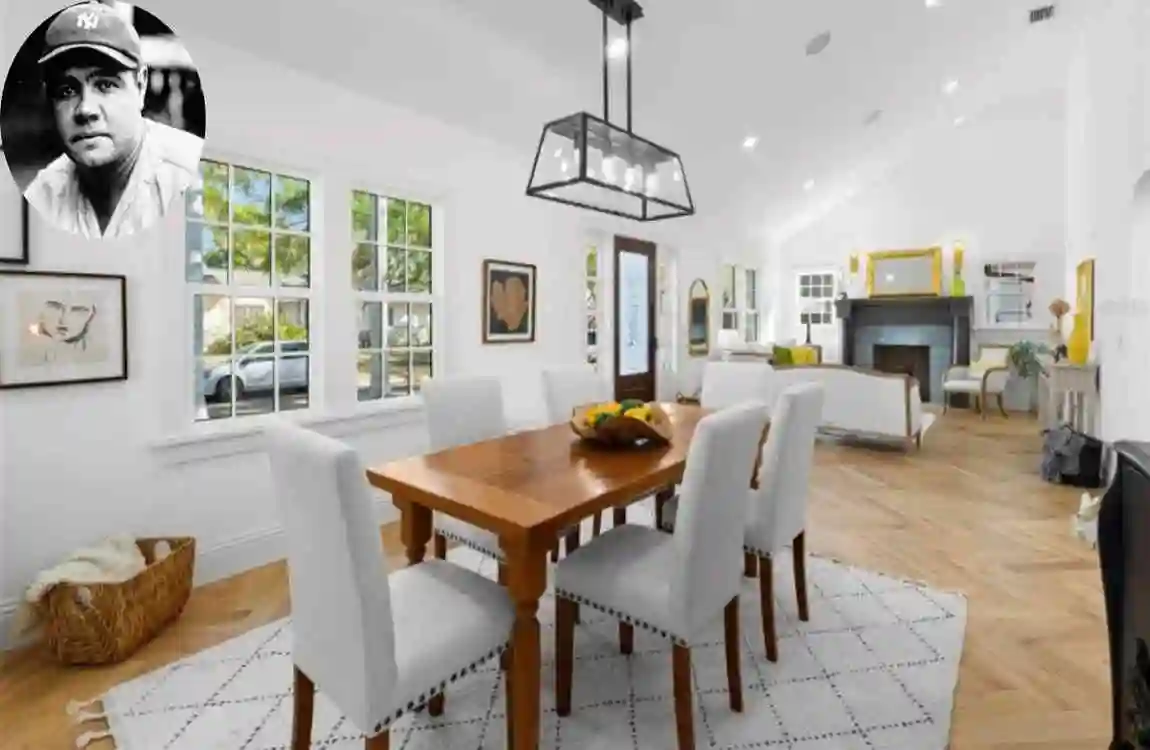
Are you feeling inspired to walk in the footsteps of the greatest baseball player of all time? If you want to plan your own historical trip, here is a practical guide for visiting the most famous Babe Ruth house today.
The Babe Ruth Birthplace and Museum Guide
The Baltimore birthplace is officially open to the public and serves as the ultimate destination for any true fan.
- Operating Hours: The museum is currently open Friday through Sunday, from 10:00 AM to 4:00 PM.
- Private Tours: For a more exclusive experience, you can absolutely book private, guided tours. These tours dive deep into the specific artifacts and the grueling early life of the baseball legend.
- Location Perks: The best part of visiting this museum is its incredible proximity to Orioles games at Camden Yards. You can easily make an entire weekend out of a single visit!
Upcoming Exhibits
Keep an eye out for massive updates in the upcoming 2025-2026 seasons. The museum is currently launching an incredible new “Champions” exhibit. This specific display will highlight his most famous championship rings, rare game bats, and deeply personal letters written during his time in New York.
Why These Homes Still Captivate
Why do we care so much about where a baseball player lived 100 years ago? The answer lies in his absolutely enduring legacy. Babe Ruth is not just a sports figure; he is a permanent piece of American mythology.
There is currently a massive buzz in the real estate market surrounding his properties. Whenever a Babe Ruth house hits the market, it creates a media frenzy. SEO trends and online searches for “celebrity home content” continue to skyrocket, as people want to peek behind the curtain. We want to know how the richest, most famous people in history lived their daily lives.
Buying one of these homes isn’t just a real estate transaction. It is an investment in human history.
Where was Babe Ruth’s house located?
Babe Ruth owned several homes, but one of the most famous was in New York city, close to Yankee Stadium.
Did Babe Ruth have a luxury home?
Yes, he lived in spacious, upscale homes that reflected his status as one of baseball’s biggest stars.
Is Babe Ruth’s house still standing?
Some of his former residences still exist, though not all are preserved as landmarks.
Can you visit Babe Ruth’s house?
Most of his private homes are not open to the public, but fans can visit the Babe Ruth Birthplace and Museum.
What style were Babe Ruth’s homes?
His homes typically featured classic early-20th-century American architecture, with large interiors and elegant design.
Where Does Babe Ruth Currently Live?
Babe Ruth, the legendary baseball player known as the “Sultan of Swat,” passed away on August 16, 1948, so he does not currently live anywhere.
Babe Ruth House Photo