Hardwood floors look classy, feel warm, and instantly upgrade a home. They also have zero patience for sloppy installation. Wood has a long memory. If you install it wrong, it will remind you every season with squeaks, gaps, buckling, and a general attitude.
Let’s walk through the most common hardwood installation mistakes by FlooringTitan.com and how to avoid them, without turning this into a boring contractor lecture. You want a floor that looks great and behaves itself. Wood will behave… if you set the rules.
Mistake 1: Skipping moisture testing because “the wood looks dry.”
Wood always looks dry. Wood also holds moisture like a sponge that learned to play poker. The #1 reason floors fail comes down to moisture. When the subfloor holds too much moisture, the boards expand after installation and push against each other. That pressure has to go somewhere. It usually goes upward.
A good installer tests the moisture content of the hardwood and the subfloor before they install. They don’t guess. They measure. They also compare the numbers and make sure the wood and the home sit in the same general moisture range.
If you’re hiring someone, ask what they use for moisture testing and what range they want to see. If they answer with vibes, keep shopping.
Mistake 2: Not acclimating the flooring properly
Hardwood needs time to adjust to your home’s temperature and humidity before installation. People hear that and think it means “stack the boxes in the room for one day and hope for the best.”
Acclimation means the wood reaches a stable moisture level for that specific home. The time needed depends on the climate, the product, and the home conditions. It also depends on whether the home has working HVAC running at normal living conditions. If the house is still under construction, or if you’re blasting the heater at night and shutting it off in the day, the wood can’t settle.
The best way to avoid this mistake is to run HVAC at normal living conditions for at least several days before installation and keep it stable during and after. Let the wood acclimate in the space where it will live, not in a garage that feels like a different planet.
Mistake 3: Installing over a subfloor that isn’t flat
Hardwood does not forgive a wavy subfloor. When the subfloor dips or humps, boards don’t sit tight. That causes movement, hollow spots, squeaks, and stressed joints.
Installers should check flatness before installation and fix it with leveling compounds or sanding high spots, depending on the subfloor type. They should also secure loose subfloor panels, because movement below becomes noise above.
If you can bounce the subfloor before hardwood goes down, your future floor will squeak like it’s trying to talk.
Mistake 4: Using the wrong underlayment or no vapor barrier
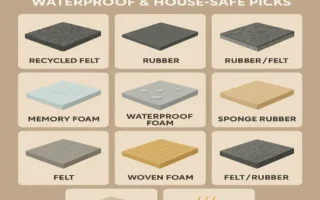
Different installs need different layers underneath. A nail-down install over plywood needs a specific underlayment. A glue-down install over concrete needs a moisture barrier system that matches the adhesive. A floating install needs an underlayment rated for that purpose.
The biggest disaster shows up when someone skips a vapor barrier over concrete. Concrete holds moisture. Even when it feels dry, it releases moisture over time. That moisture can warp hardwood, loosen adhesive, or create mold issues.
If your home sits on a slab, treat moisture like a serious character in the story, not a background extra.
Mistake 5: Forgetting expansion gaps around the perimeter
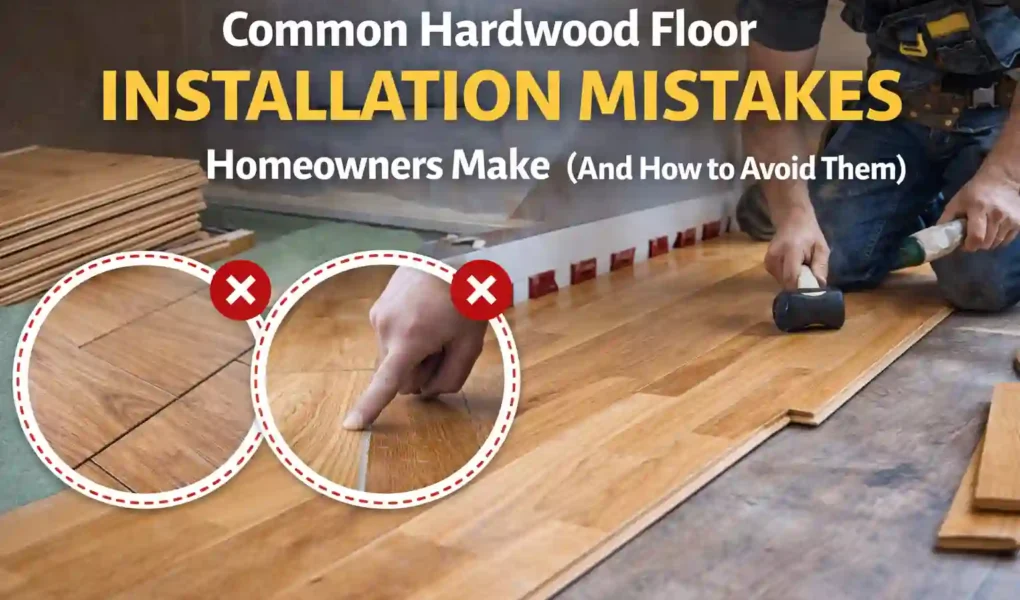
Wood expands. If you trap it tight to walls, cabinets, or door frames, it has nowhere to go. When humidity rises, the boards press outward and can buckle. Buckling looks dramatic because it is dramatic.
Installers need to leave proper expansion gaps around the room perimeter and around vertical obstructions. Baseboards and shoe molding hide these gaps, so you still get a clean look.
If someone tries to install hardwood “tight for a cleaner finish,” that’s like wearing shoes two sizes small for fashion. It will hurt later.
Mistake 6: Nailing or stapling incorrectly
Fasteners matter more than people think. Wrong spacing, wrong length, wrong angle, or inconsistent placement can lead to loose boards, squeaks, and split tongues.
The floor system relies on tight connections and proper holding power. Installers should follow the flooring manufacturer’s fastening schedule and adjust for plank width and thickness. Wider planks often need different fastening patterns, and sometimes adhesive assist, to reduce movement.
A floor that squeaks on day one usually won’t stop squeaking. It will just get louder and more confident.
Mistake 7: Ignoring room layout and starting from the wrong reference line
Hardwood installation starts with a reference line. If that line is off, everything that follows goes off. Walls in homes aren’t always perfectly square, so installers need to plan their layout to avoid ending with a tiny sliver of board along one wall, or crooked runs that your eye catches forever.
A good installer “dry lays” some boards, checks sightlines, and plans transitions. They decide where the floor will look best from the main entry points. They also think about how boards will meet at doorways and how long runs will flow.
Hardwood doesn’t just cover a floor. It becomes a major visual pattern in your home.
Mistake 8: Poor transition planning at doorways and height changes
Hardwood often meets tile, carpet, vinyl, or stairs. If the installer doesn’t plan transitions, you end up with ugly reducers, tripping hazards, or gaps they try to hide with caulk like it’s a magic spell.
Good transition planning includes measuring finished heights, choosing the right transition profiles, and aligning boards cleanly at thresholds. It also means thinking about movement. Hardwood needs room to expand, so transitions must allow that without locking the floor in place.
Your future self will notice transitions every day. Make them clean.
Mistake 9: Installing hardwood in risky areas without the right product
People love the idea of wood in kitchens and basements. Wood can work there, but not every wood product belongs there.
Solid hardwood below grade is risky. Concrete slabs bring moisture. Basements bring humidity swings. Kitchens bring spills, dishwashers, and small puddles that love hiding under mats.
Engineered hardwood often fits better in these areas because it handles moisture changes more gracefully. Even then, you still need moisture barriers and realistic expectations. Wood and water will never become best friends.
Mistake 10: Not mixing boards from multiple boxes
Hardwood varies in color and grain. That’s part of the charm. But if an installer pulls boards from one box at a time, you can end up with noticeable color blocks or repeating patterns in one section of the room.
A good installer mixes boards from multiple cartons during installation. This creates a natural, even look. It also avoids the “why is this corner suddenly darker” moment after the job is done.
Wood wants randomness. Help it.
Mistake 11: Rushing the finish schedule after installation
If you’re finishing on site, timing matters. Stain and finish need a proper dry time. Coats need the right conditions. If someone rushes coats or applies finish in poor humidity, you can get bubbles, cloudiness, tacky spots, and premature wear.
Even with prefinished flooring, you still need to respect the cure time for any adhesives and allow the floor to settle before dragging heavy furniture across it.
Hardwood floors don’t respond well to “we’ll be careful.” They respond well to “we’ll wait until it’s ready.”
Mistake 12: Using the wrong cleaning products right after installation
This one happens after the install, but it still counts as an installation mistake because it ruins new floors fast.
Many “shine” products leave residues that attract dirt and make floors look cloudy. Some contain wax or silicone that causes bonding problems if you ever recoat later. Steam mops can force moisture into seams and damage the finish.
Use a cleaner made for hardwood floors, keep water minimal, and skip anything that promises a miracle shine. Floors don’t need a glow-up product. They need protection and gentle cleaning.
How to avoid these mistakes without becoming a flooring expert
The easiest way to avoid most problems is to hire an installer who talks about moisture, subfloor prep, and manufacturer guidelines like they actually matter.
If you ask a contractor how they prevent cupping and buckling, you should hear words like moisture test, vapor barrier, acclimation, expansion gap, flatness, and fastening schedule. When you hear that, you’re dealing with someone who has seen problems before and doesn’t want to see them again in your house.
Hardwood isn’t fragile. It’s just honest. Install it right, and it rewards you for decades. Install it wrong, and it turns into a squeaky seasonal mood swing that you paid a lot of money for.
A well-installed hardwood floor should feel quiet, flat, and solid underfoot. You shouldn’t think about it much. That’s the goal. A great floor doesn’t demand attention. It just makes your home look better while it silently does its job.
Article by: FlooringTitan.com