Have you ever stood in your utility room, staring at a maze of pipes and wires, and wondered, “Is my house gas or electric?” You aren’t alone. Whether you just moved into a new place or you’ve lived there for years and finally decided to tackle those rising utility bills, knowing what powers your home is the first step toward taking control of your finances
Quick Checks to Get You Started
Before we dive into the deep technical details, there are two “low-hanging fruit” methods you can use right now to get an answer in under five minutes.
Check Your Utility Meters
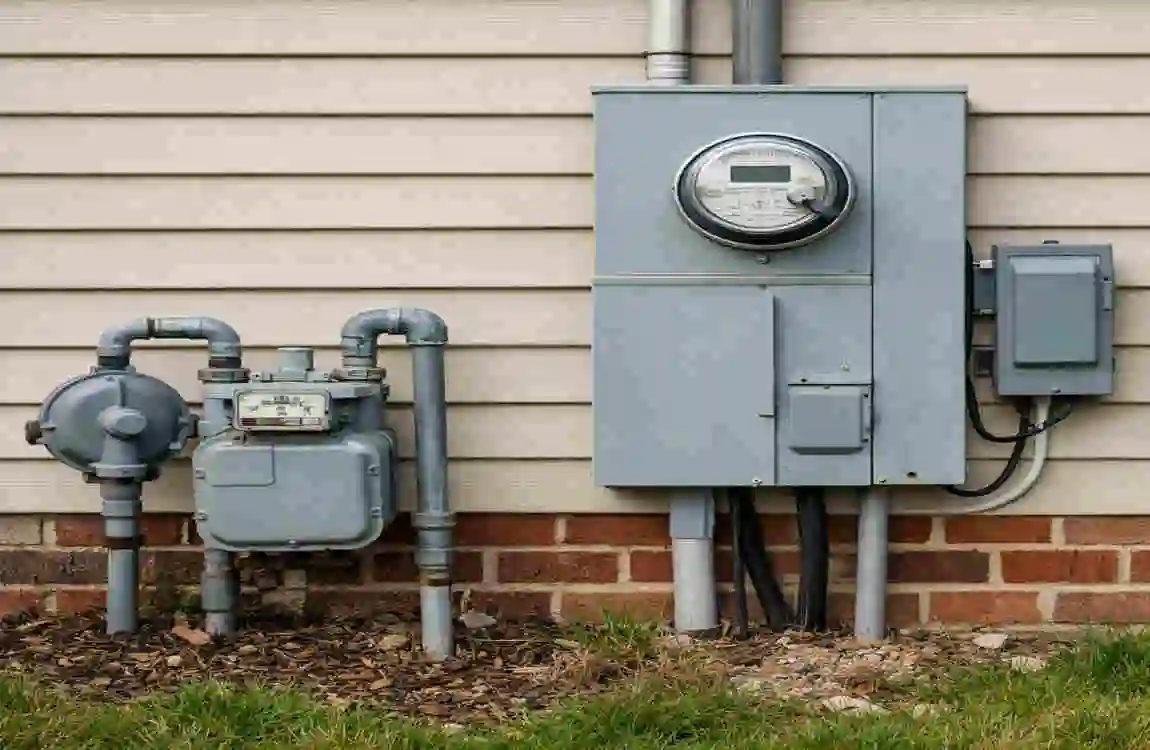
The most definitive way to tell is to take a quick walk outside. Look for your utility meters. A gas meter is usually a metal box with several clock-like dials or a digital display, often painted blue or yellow, with pipes leading directly into the ground and your house. If you see one of these, you definitely have gas service.
On the other hand, an electric meter is almost always a glass-encased digital box that shows your usage in kilowatt-hours (kWh). If you only see an electric meter and no gas meter anywhere on the property (check the basement and utility rooms too!), your home is likely all-electric. Review Your Bills and Statements. If you don’t want to go outside, grab your last few utility statements. Scan the pages for specific keywords. If you see charges for “natural gas” or usage measured in “therms,” you have a gas connection. If your bill only mentions “electricity” and measures everything in kWh, you are likely in an all-electric setup.
7 Easy Ways to Tell: Is My House Gas or Electric?
Now, let’s get into the nitty-gritty. Sometimes a house has both, which we call a hybrid system. You might have gas for heating, but an electric stove. Here are the seven best ways to inspect your home like a pro.
Inspect Your Furnace or Main Heater
Your heating system is usually the biggest energy consumer in your luxury home. To check it, head to your basement, garage, or utility closet and find the central unit.
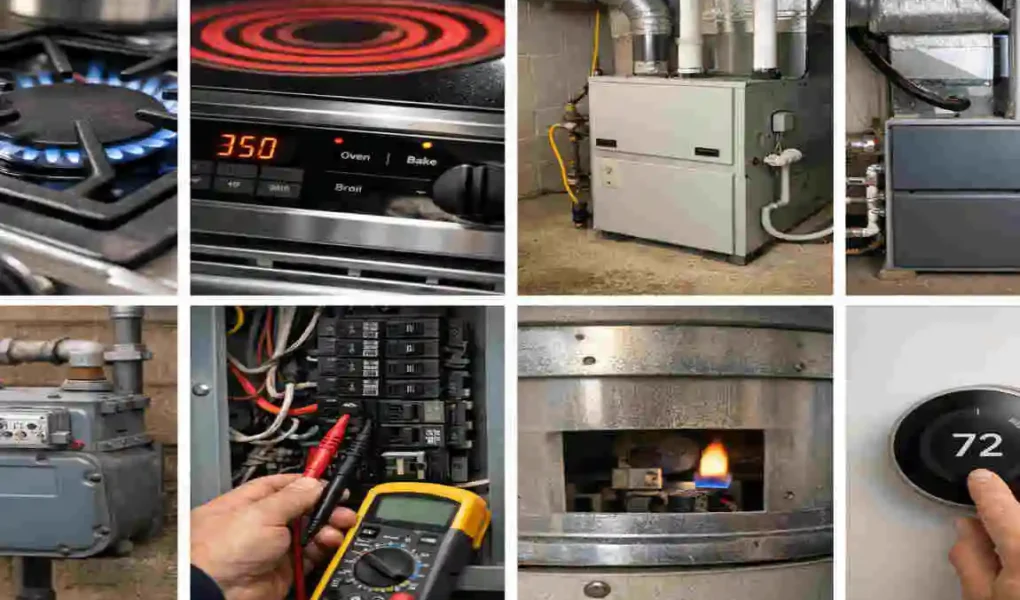
- The Gas Signs: Turn the thermostat up and wait for the unit to kick on. If it’s gas, you will often hear a distinct ignition “whoosh” sound. If there is a small viewing window, look inside. You should see a small blue flame (the pilot light or burner). You will also notice a metal exhaust vent or flue pipe leading from the top of the furnace to the outside of your house to carry away combustion gases.
- The Electric Signs: Electric furnaces are much quieter. Instead of a flame, they use heating coils that glow orange (though these are usually tucked away and not visible). There is no need for a heavy-metal exhaust vent because nothing is being burned. Examine Your Water Heater Next, look at your water heater. This is usually a large tank located near your furnace.
- Gas Water Heaters: These will have a burner assembly at the bottom and a vent pipe at the top to release exhaust. You might even see a small gas line (usually a flexible yellow or silver pipe) leading into the bottom of the tank.
- Electric Water Heaters: These are much simpler in appearance. They don’t have a vent at the top. Instead, you will see heavy electrical cables (often protected by a flexible metal conduit) entering the side or top of the tank to power the internal heating elements 3. Check Your Cooking Appliances. The kitchen is one of the easiest places to spot the difference.
- Gas Stoves: If you see a continuous pilot light or hear a “click-click-click” sound followed by a blue flame when you turn the knob, you’re cooking with gas
- Electric Stoves: These use either exposed metal coils that turn red when hot or a smooth glass cooktop with heating zones underneath
Look for Other Gas Appliances
Don’t stop at the kitchen! Check your laundry room and living room.
- The Clothes Dryer: Pull the dryer out slightly. If you see a flexible gas line and a small exhaust vent, it’s a gas dryer. Electric dryers plug into a vast, heavy-duty 240-volt outlet. The Fireplace: If you have a fireplace, look for gas logs and a minor valve key nearby. If it’s electric, it will likely have a remote and look more like a screen with a light show.
Assess Your HVAC System
Your outdoor unit can also give you clues.
- Heat Pumps: If you have a central AC unit that also provides heat (a heat pump), it is entirely electric. These systems move heat rather than creating it through combustion. Boilers: If your home uses radiators, you likely have a gas boiler. These systems circulate hot water through pipes. You can tell it’s a gas by the presence of a gas supply line and a large exhaust flue 6. Review Home Age and Location. Sometimes, the history of your house tells the story.
- Older Homes: If your home was built before 1980, there is a very high chance it was originally designed for gas heating
- Newer Homes or Southern Locations: In the Southern U.S. or in very modern developments, all-electric homes are much more common because the climate is milder and heat pumps are more efficient there 7. Call a Professional or Use Smart Apps. If you want 100% certainty without getting your hands dirty, use technology. Many modern utility apps can scan your home’s energy profile and tell you your primary fuel source. Alternatively, you can hire a home inspector for about $100 to give you a full breakdown of your utilities—comparison of Identification Methods.
MethodTime NeededTools RequiredAccuracy
Utility Meters 5 min None 100%
Furnace Flame 10 min Flashlight 95%
Water Heater 5 min None 90%
Reviewing Bills 2 min Recent Bills 100%
Appliances 5 min None 85%
HVAC Vents 10 min None 90%
Professional Call 1 day Phone 100%
Gas vs. Electric: Costs and Efficiency
Now that you know what you have, you’re probably wondering: which one is better? The answer depends on where you live and how you use energy.
Key Differences at a Glance
AspectGasElectric
Heating Cost is generally lower (~$1.50/therm), but can be higher in frigid climates.
Water heating is 30-50% cheaper than standard electric heating. Very efficient if using a heat pump
Reliability: Works during power outages (if the pilot is lit). Goes out if the grid goes down.
Eco Impact: Higher carbon emissions. Cleaner if powered by renewables
The Pros of Gas: In most parts of the country, natural gas is significantly cheaper for heating large spaces and water. It provides “instant” heat that many people find more comfortable in the dead of winter.
The Cons of Electric: Standard electric resistance heating (like baseboard heaters) can be very expensive. However, electric heat pumps are incredibly efficient and can actually save you money in moderate climates. The main downside is that peak rates during high-demand hours can cause your bills to spike unexpectedly.
How to Save on Your Home Energy Bills
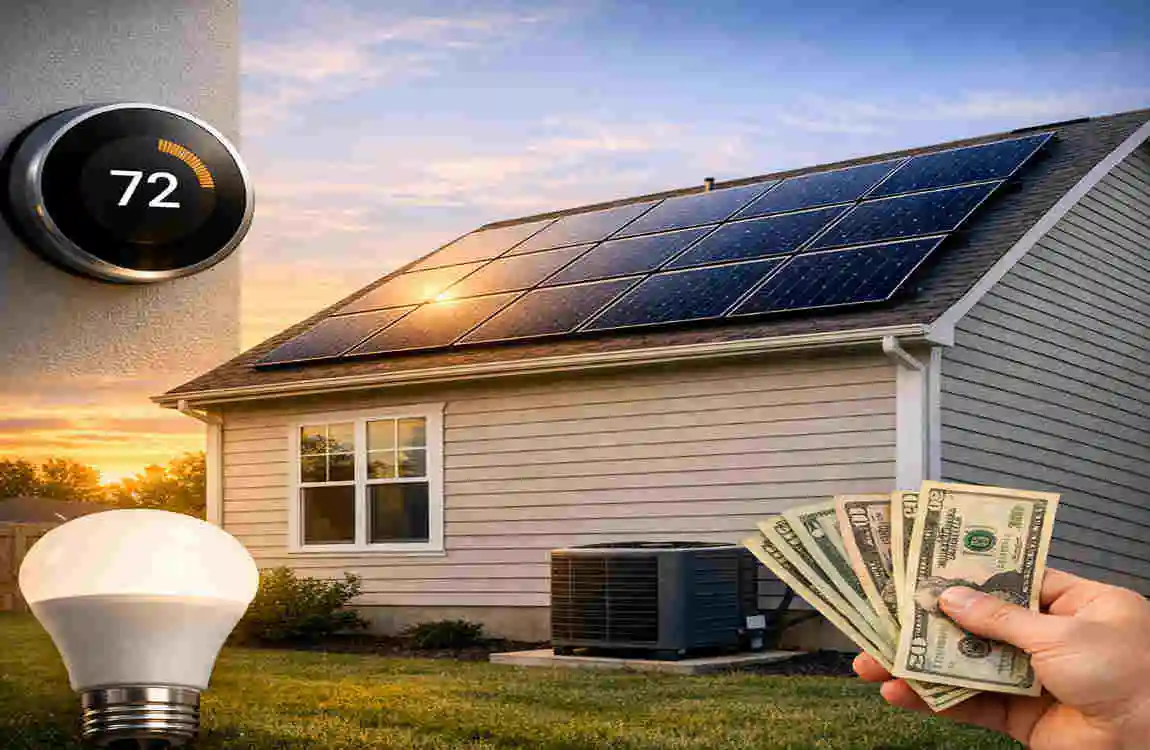
Whether your house is gas or electric, you can start saving money today. Most homeowners can see a 15-25% reduction in their annual bills—that’s roughly $300 to $600 back in your pocket—just by making a few minor changes. Tailored Tips for Your Home Type
- For the All-Gas Home:
- Install a Programmable Thermostat: Setting your heat to drop by 10 degrees while you’re at work can save a bundle.
- Insulate Your Pipes: Wrap your hot water pipes with foam sleeves to prevent heat loss before it reaches your shower.
- For the All-Electric Home:
- Switch to LED Bulbs: This is the easiest win. LEDs use 75% less energy than old bulbs.
- Look for ENERGY STAR: When an appliance dies, replace it with an ENERGY STAR-rated model to qualify for rebates and lower long-term costs.
- For the Hybrid Home:
- Optimise Both: Use your gas heat in winter but rely on your electric AC and smart plugs to manage electronics in summer.
General Energy Hacks for Everyone
- Seal Your Ducts: Leaky ducts can waste 20-30% of your energy. Sealing them can lead to 10% immediate savings on your bill. Use Smart Plugs: These prevent “vampire” energy drain from electronics that are turned off but still plugged in.
- Schedule an Audit: Many utility companies offer a free energy audit. A pro will come to your house and show you exactly where you’re losing money.