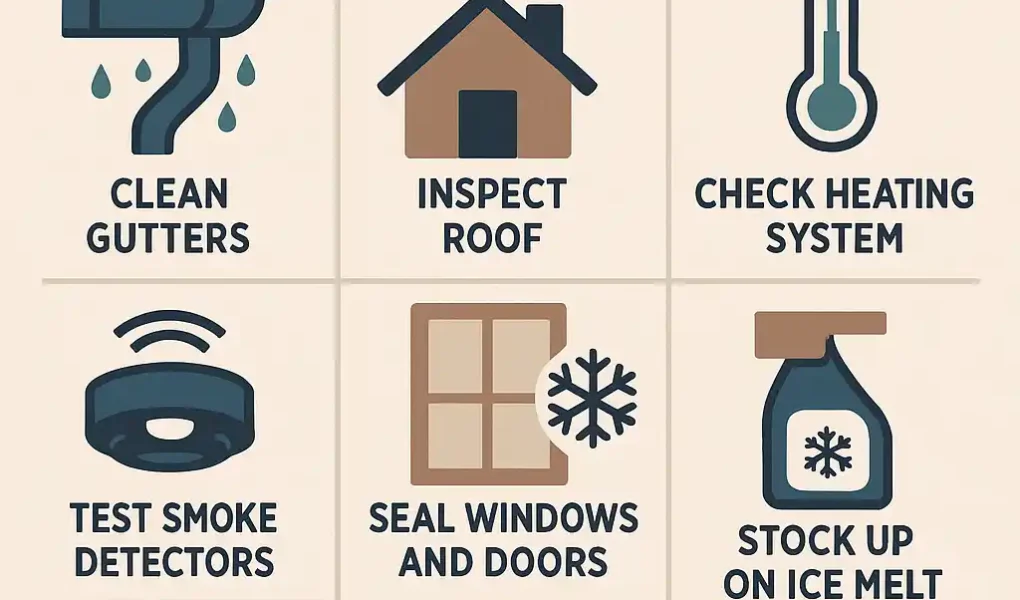
Cozy times indoors are a part of winter. It also brings harsh weather. Your home faces this weather head-on. Many tasks are obvious. You clean gutters and store hoses. But other crucial jobs are often forgotten. These overlooked tasks are your home’s hidden defense. They stop drafts, prevent water damage, and ensure safety. This guide walks you through key seasonal checks.
Your Fall Home Check-Up: Stop Winter Problems
Here are the key tasks to do now.
Check window seals carefully.
Go to every window. Feel for cold air. Look at the weatherstripping. It lines the window edges. Is it soft and flexible? Or is it cracked and brittle? Replace brittle strips. Look at the exterior caulk. It seals the window frame to your wall. Is it peeling or missing? Scrape off the old caulk. Apply a new bead. This stops drafts. It lowers heating costs. A tight seal keeps winter outside.
Tighten all exterior hardware.
Walk around your house. Check every door handle and lock. Are they loose? This leaves a gap for cold air. Look at light fixtures and house numbers. Tighten any loose mounts. Check shutters and trim boards. Secure them firmly. This keeps everything in place during winter storms. It prevents damage from high winds.
Test every smoke detector.
Do this today. Press the test button on each alarm. You should hear a loud beep. No beep means trouble. Replace the batteries immediately. Detectors older than ten years need replacement. Put new ones up. Test them the same way. Furnaces and heaters run all winter. These devices save lives.
Inspect attic access points.
Find your attic door or hatch. Is it in a hallway or a closet? Feel around the edges. Do you feel a draft? That is warm air escaping. Consider an insulated cover bag. It fits over the stairs. It zips closed. This creates a thermal barrier. Also, briefly look inside the attic. A sealed attic saves money and your roof.
Spigot Winterization and Outdoor Plumbing
Open the outdoor tap to drain it. Put an insulated cover over the faucet. Check pipes in unheated areas. Wrap them with foam insulation sleeves. This stops them from freezing. Frozen pipes can burst. That causes very bad water damage. Handyman services can install frost-free spigots. They can insulate pipes in tight spaces. But the task is about a simple, direct action to prevent frozen pipes.
Assessing Driveways and Walkways for Hazards
Inspect concrete and asphalt surfaces. Look for new cracks or holes. Water seeps in and freezes. This makes cracks widen. Fill cracks with appropriate sealant. This prevents further damage from ice. Ensure walkways are even. Trip hazards become dangerous when covered in snow.
Method for Removing Snow
Have your tools ready before the first snow. Locate your snow shovels. It can damage it. Mark where your driveway edges and walkways are. This prevents lawn damage when shoveling. If you use a snowblower, service it now. Ensure it starts easily. Safe removal practices keep everyone safe all season.
Conclusion
Mark the edges of driveways with reflectors. This helps with snow removal. Good repair now means safer passage all winter long. A technician can clean components. They check heat exchangers for cracks. They ensure safe operation. This service optimizes performance. It can prevent a breakdown on the coldest night.