Should a pergola be attached to a house? The short answer is: yes, it can be a smart choice if you want a smooth outdoor living area, easy indoor access, and more shade near your home. But it is not always the best option for every house or every yard.
A pergola is an outdoor structure with open beams on top. It adds style, light shade, and a comfortable place to relax. Many homeowners choose pergolas because they make patios and decks feel more welcoming. Some people prefer an attached pergola, while others choose a freestanding pergola for more flexibility.
What Is an Attached Pergola?
Definition
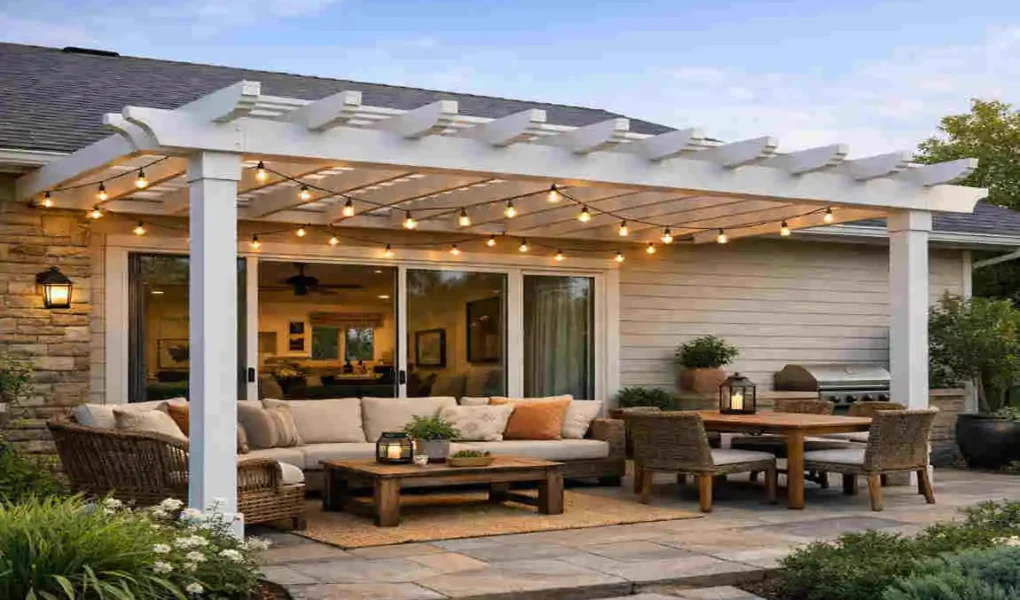
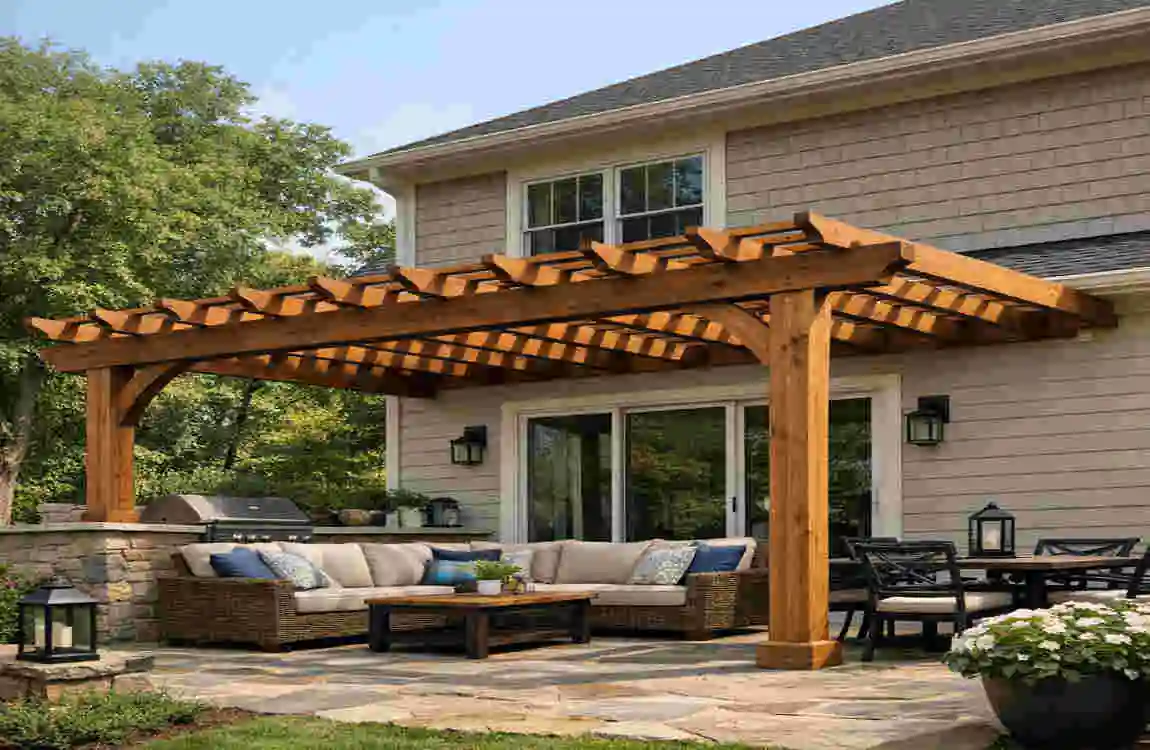
An attached pergola is a pergola that connects directly to your house on one side. Instead of standing on its own, it uses the home as part of its support system.
This creates a natural extension of your indoor space. It can make a patio feel like an outdoor room, which is one of the biggest reasons homeowners like it.
How It Connects to the House
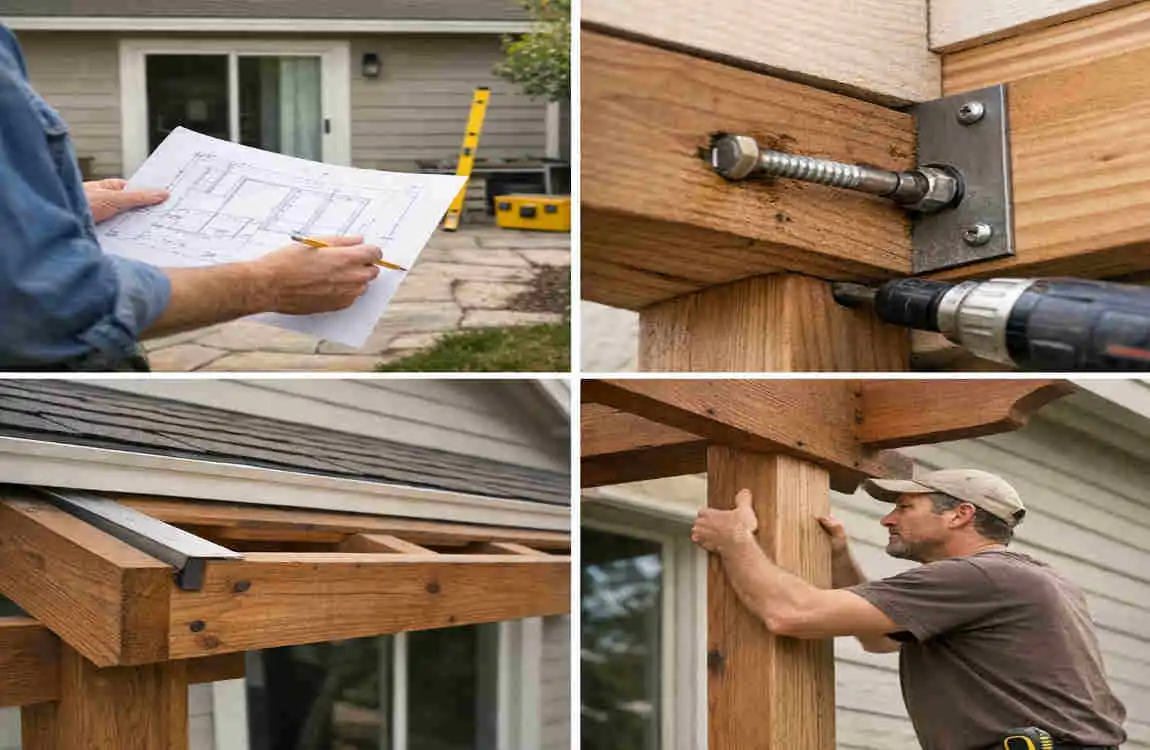
Usually, an attached pergola connects to the house with a ledger board or another strong framing method. It must be secured to the structural framing, not just the siding.
That part is important. If it is attached the wrong way, the structure may become weak or unsafe. Good installation matters more than style here.
Common Materials Used
Attached pergolas are usually made from:
- Wood
- Aluminum
- Vinyl
- Steel
Each material has its own look, cost, and maintenance needs. We’ll cover that later in the article.
Should a Pergola Be Attached to House?
Quick Answer
Yes, if your goal is convenience, shade, and a connected outdoor space.
An attached pergola works well when you want the pergola to feel like a natural part of the home. It is especially useful for patios, decks, and back doors that open into the yard.
When It Is the Best Choice
An attached pergola is often the better choice when:
- You want easy access from the kitchen, living room, or patio door
- You want a seamless design that looks built-in
- Your patio sits close to the house
- You want shade right outside your home
- You plan to use the area for dining or relaxing often
When a Freestanding Pergola Is Better
A freestanding pergola may be better if:
- Your house wall is not strong enough
- You do not want to modify the home
- You want the pergola in the middle of the yard or garden
- You want more design freedom
- Local building rules make attachment difficult
So, should a pergola be attached to a house? It depends on your space and goals. If you want a true outdoor extension, attached is often the best fit. If you want flexibility, freestanding may be easier.
Benefits of Attaching a Pergola to a House
Creates Seamless Outdoor Living Space
An attached pergola helps your luxury home and yard feel like one connected space. This is great if you enjoy outdoor meals, weekend gatherings, or quiet evenings outside.
It makes the patio feel planned and complete rather than separate from the rest of the home.
Easy Access from Indoors
When a pergola is attached near a door, stepping outside becomes simple and natural. You do not have to walk across the yard to use it.
This makes it more practical for daily use, especially if you want a space you can enjoy often.
Better Shade Near the Home
An attached pergola gives shade where you need it most, right near your doors, windows, or patio. That can make outdoor time more comfortable and may also help reduce direct sunlight near parts of the house.
Increases Property Appeal
A well-built pergola can make your home look more attractive. It adds visual interest and gives the backyard a more finished look.
Buyers often like outdoor spaces that feel ready to use.
Can Improve Home Value
While a pergola does not always guarantee a big value boost, it can help your home stand out. Outdoor living features are popular, and a clean, well-designed pergola can support that appeal.
Uses Less Yard Space
Because it connects to the house, an attached pergola usually takes up less open yard space than a large freestanding structure. That can be helpful if your yard is small.
Drawbacks of an Attached Pergola
Requires Structural Support
This is one of the biggest concerns. The house must be able to support the pergola properly. A weak wall or poor connection can lead to problems later.
Installation Is More Complex
An attached pergola is usually harder to install than a freestanding one. It needs careful planning, solid anchoring, and proper flashing at the home’s perimeter.
Possible Water Drainage Issues
If the pergola is not installed correctly, water can collect near the wall or seep into the house. That is why drainage and flashing are so important.
Building Permit Requirements
Many areas require permits for attached outdoor structures. You may also need inspections. This can add time to the project.
Maintenance Around the House Wall
Because the pergola meets the house, you may need to check for rot, rust, leaks, or wear more often. The area where the two structures connect needs regular care.
Attached vs Freestanding Pergola
FeatureAttached PergolaFreestanding Pergola
Installation Moderate to complex Easier
Stability Very stable Stable with proper posts
Best Location Patio or deck Garden or yard
Cost Medium to high Medium
Flexibility Limited High
Shade Close to home Anywhere
Permit Needs Often required Depends on area
If you want a structure that feels like part of the house, an attached one is usually better; if you want more placement freedom, freestanding wins.
Is Your House Suitable for an Attached Pergola?
Wall Strength
Your wall must be strong enough to handle the load. A pergola should attach to structural framing, not just decorative materials.
Roof Design
The roofline and wall shape matter. Some homes make attachment easy, while others need custom planning.
Foundation Requirements
The pergola also needs proper support at the ground level. Posts, footings, and hardware must match the design’s size and weight.
Drainage Considerations
Water should move away from the house, not toward it. If drainage is poor, you could face moisture problems.
Local Building Codes
Always check the rules in your area. Some places are strict about height, spacing, permits, and setbacks.
Best Materials for an Attached Pergola
Wood Pergolas
Wood gives a warm, classic look. It is popular for traditional homes and can be painted or stained to match your style.
- Durability: Good with care
- Maintenance: Medium to high
- Lifespan: 15 to 25 years
- Cost: Moderate
Aluminum Pergolas
Aluminium is light, strong, and low-maintenance. It is a great choice if you want a clean, modern look.
- Durability: Very good
- Maintenance: Low
- Lifespan: 20 to 30+ years
- Cost: Moderate to high
Vinyl Pergolas
Vinyl is easy to clean and resists moisture well. It can be a good choice for homeowners who want less upkeep.
- Durability: Good
- Maintenance: Low
- Lifespan: 15 to 25 years
- Cost: Moderate
Steel Pergolas
Steel is strong and long-lasting. It works well for larger or more heavy-duty builds.
- Durability: Excellent
- Maintenance: Medium
- Lifespan: 25 to 30+ years
- Cost: Higher
Best overall choice: If you want low-maintenance, aluminium is often the easiest. If you want a classic style, wood is still a favourite.
Installation Tips from Experts
Choose the Right Location
Pick a spot that makes sense for how you use your home. A pergola should improve your daily life, not just look nice.
Secure the Ledger Board Properly
This is one of the most important steps. A strong attachment point helps keep the pergola stable and safe.
Use Weather-Resistant Hardware
Choose fasteners that can handle outdoor moisture, heat, and temperature changes.
Ensure Proper Drainage
Water should not pool around the base or run into the house wall. Good slope and drainage planning help prevent damage.
Follow Local Building Codes
Do not skip this step. Codes protect your home and help you avoid costly mistakes.
Hire a Professional if Needed
If the wall is complex, the modern home is older, or you are unsure about structure, bring in a professional. That can save time and stress.
Common Mistakes to Avoid
- Attaching to weak siding
- Ignoring flashing
- Using incorrect post spacing
- Choosing poor-quality materials
- Skipping permits
- Poor drainage planning
These mistakes can lead to leaks, sagging, or safety issues. A little planning goes a long way.
How Much Does an Attached Pergola Cost?
Material Costs
The price depends on the material you choose. Wood is often more affordable at first, while aluminium and steel can cost more but last longer.
Labor Costs
Labour can be a major part of the total price because attached pergolas need careful installation.
DIY vs Professional Installation
A DIY project may save money, but only if you have the right tools and skills. A professional build costs more but usually yields better long-term results.
Factors Affecting Total Price
- Size of the pergola
- Material choice
- Home wall condition
- Permit fees
- Labor rates in your area
- Extra design features like lighting or shade covers
Maintenance Tips
Annual Inspection
Check the frame, fasteners, and connection points once a year. Look for signs of wear, rust, or rot.
Cleaning
Wash the pergola regularly to remove dirt, dust, and mildew.
Painting or Sealing
Wood pergolas need sealing or painting to protect them from weather damage.
Checking Fasteners
Make sure screws, bolts, and brackets stay tight over time.
Preventing Rust and Rot
Use the right materials and keep water away from vulnerable areas. This will help the structure last longer.
Expert Advice Before Building
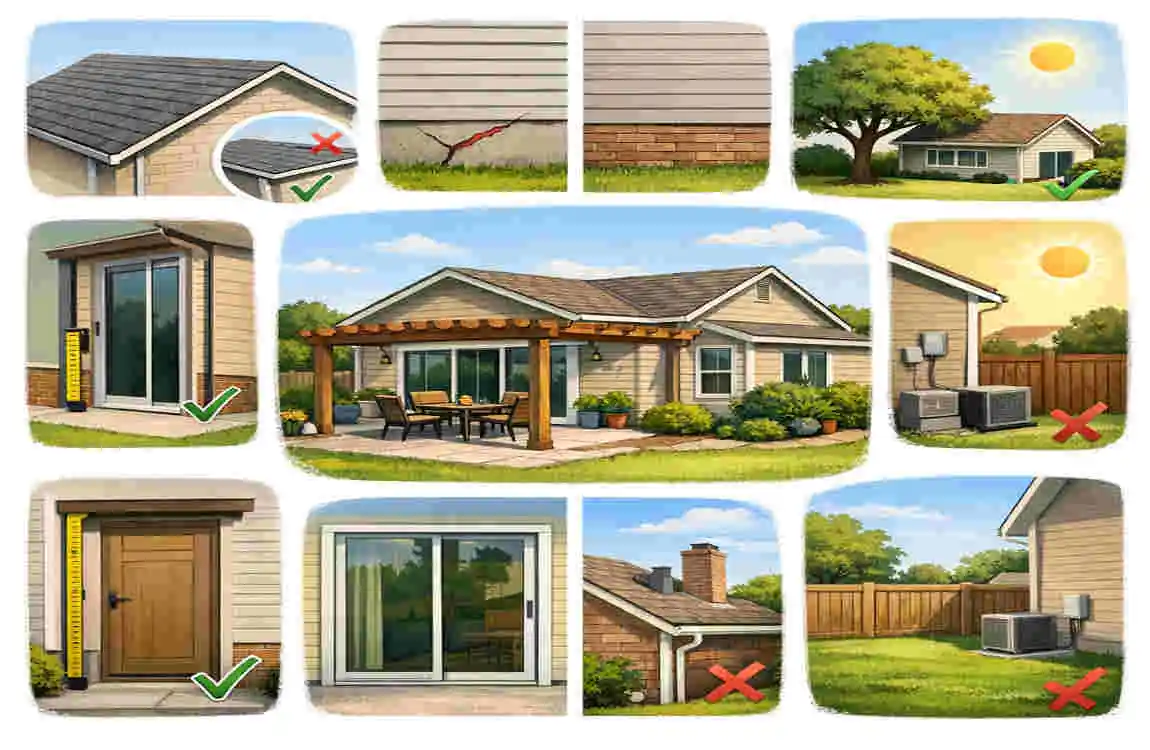
Before you start, think about these points:
- Match the home’s style
- Watch the sunlight direction
- Plan for future upgrades
- Use durable materials
- Check permit rules early
- Think about long-term maintenance
A pergola should look good now and still work well years later.
Frequently Asked Questions
Should a pergola be attached to a house?
Yes, if you want a seamless outdoor living area, added shade, and direct access from your home. Make sure the wall is structurally sound and local codes allow it.
Is an attached pergola stronger than a freestanding pergola?
Usually, yes. An attached pergola can feel more stable if installed correctly, because the house supports one side.
Do I need a permit to attach a pergola to my house?
Often, yes. Many areas require permits for attached structures, so check your local rules before building.
Can I attach a pergola to siding?
No. A pergola should attach to the home’s structural framing, not directly to siding.
What is the best material for an attached pergola?
Aluminium is low-maintenance, while wood gives a classic look and strong style appeal.
Does an attached pergola add value to a home?
It can improve curb appeal and outdoor living space, which may help increase buyer interest and overall value.
| Topic | Information |
|---|---|
| What Is an Attached Pergola? | A pergola connected directly to the exterior wall of a house for seamless outdoor living. |
| Best For | Patios, decks, outdoor dining areas, and extending indoor living spaces. |
| Main Advantages | Creates easy access from the house, provides partial shade, saves yard space, and can increase curb appeal. |
| Potential Disadvantages | Requires proper structural support, permits may be needed, and installation is more complex than a freestanding pergola. |
| Structural Requirements | Must be securely fastened to a strong wall or ledger board and comply with local building codes. |
| Weather Protection | Offers partial sun protection and can support retractable canopies or climbing plants for additional shade. |
| Maintenance | Regularly inspect fasteners, clean the structure, and seal or paint wood to protect against weather damage. |