
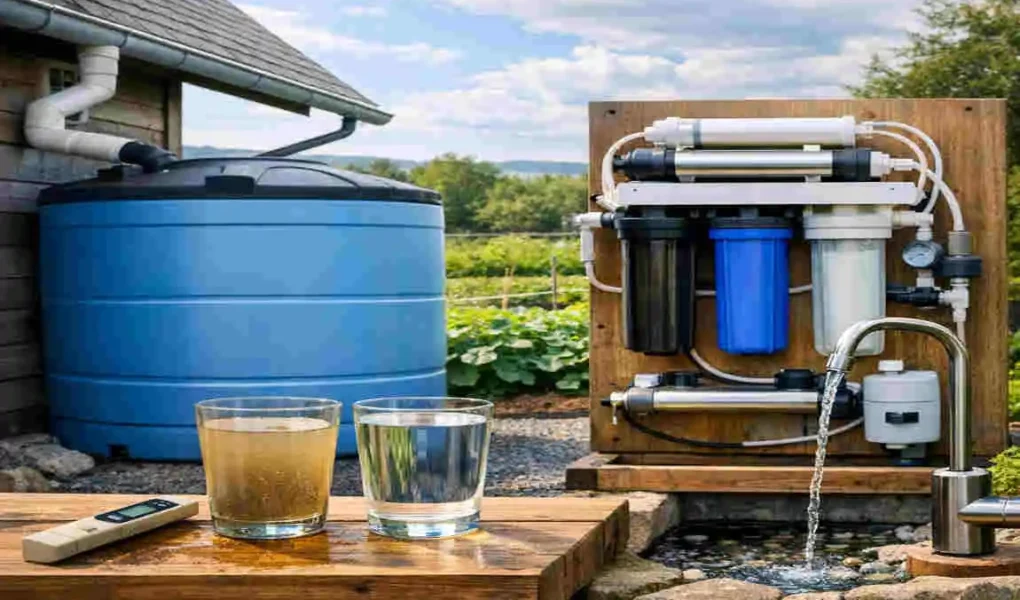
Rainwater harvesting is becoming more popular as homeowners look for ways to save water, lower bills, and live a little more sustainably. But collecting rainwater is only part of the story. If you want to use it safely at home, you need proper purification.
So, is rainwater purification at home really worth it? In many cases, yes — but not for every household. The answer depends on your goals, your budget, and how much maintenance you are willing to do.
What Is Rainwater Purification?
A simple explanation
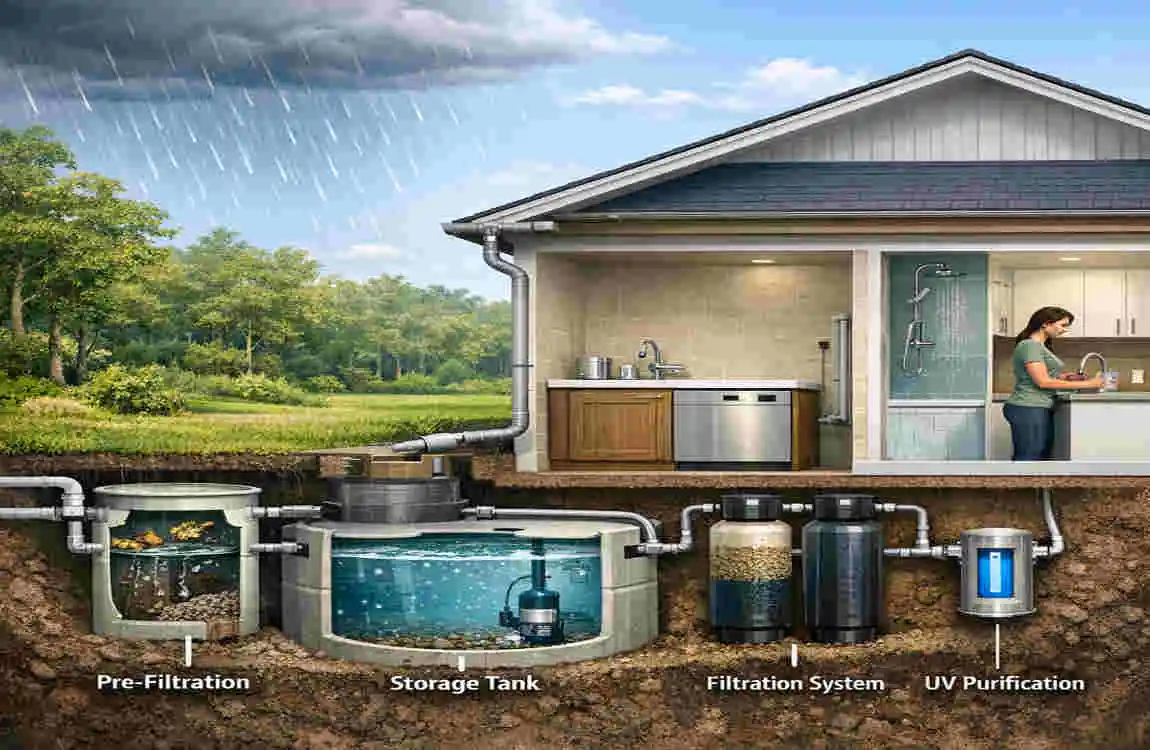
Rainwater purification is the process of treating collected rainwater to make it safer for use. Rainwater may look clean, but it can carry dirt, leaves, dust, bacteria, viruses, and even tiny chemical particles from your roof and gutters.
What a home system may include?
A basic setup often uses several steps to clean the water:
- Leaf screens and gutter filters
- Sediment filters
- Activated carbon filters
- UV sterilisers or ozone treatment
- Reverse osmosis systems for drinking water
Each part plays a different role. Some remove large debris. Others deal with smaller particles or germs.
Benefits of Rainwater Purification
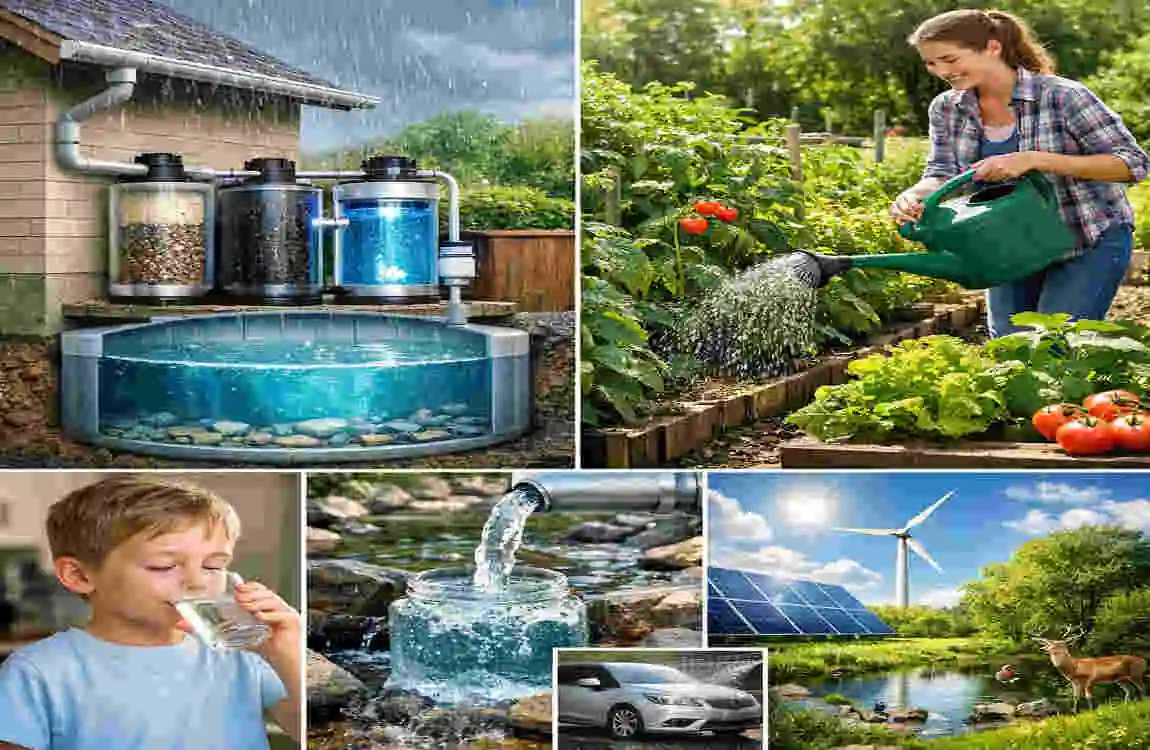
It can lower water bills.
If you use purified rainwater for gardening, toilet flushing, laundry, or other non-drinking tasks, you may reduce your monthly water use.
That can be especially helpful in homes with large outdoor spaces or high water needs.
It supports a more eco-friendly lifestyle.
Rainwater harvesting reduces pressure on municipal water systems. It also helps you use a natural source that would otherwise run off your roof and disappear.
If you care about sustainability, this is a major plus.
It provides backup water.
A rainwater system can be useful during shortages or emergencies. If your main water supply is interrupted, stored rainwater may give you an extra layer of home security.
That kind of backup can bring real peace of mind.
It is naturally soft water.
Rainwater usually has fewer minerals than groundwater. That makes it softer and often better for washing clothes and cleaning.
You may also notice that soap lathers more easily, which can help you use less of it.
Drawbacks to Consider
Installation can be expensive.
A good system is not always cheap. Tanks, filters, pumps, and purification equipment can be expensive, especially if you want whole-house use.
Maintenance is important
Filters need cleaning and replacing. Gutters need care. Tanks need inspection.
If you do not stay on top of maintenance, the water quality can drop fast.
Water quality depends on your roof and setup.
The condition of your roof, gutters, and storage tank matters a lot. If these parts are dirty or damaged, the water may become unsafe.
Drinking rainwater needs stronger treatment.
Using rainwater for plants is one thing. Using it for drinking is another.
If you want to drink it, you need a much more complete purification system and regular testing.
When it makes the most sense
Rainwater purification is often a smart choice if you:
- Use a lot of water outdoors
- Want a backup water source
- Care about sustainability
- Have space for storage tanks
- Are willing to maintain the system
When it may not be worth it
It may not be the best fit if you want a system with almost no upkeep, or if your main goal is drinking water but you do not want to invest in advanced treatment.
Tips for Safe Rainwater Use
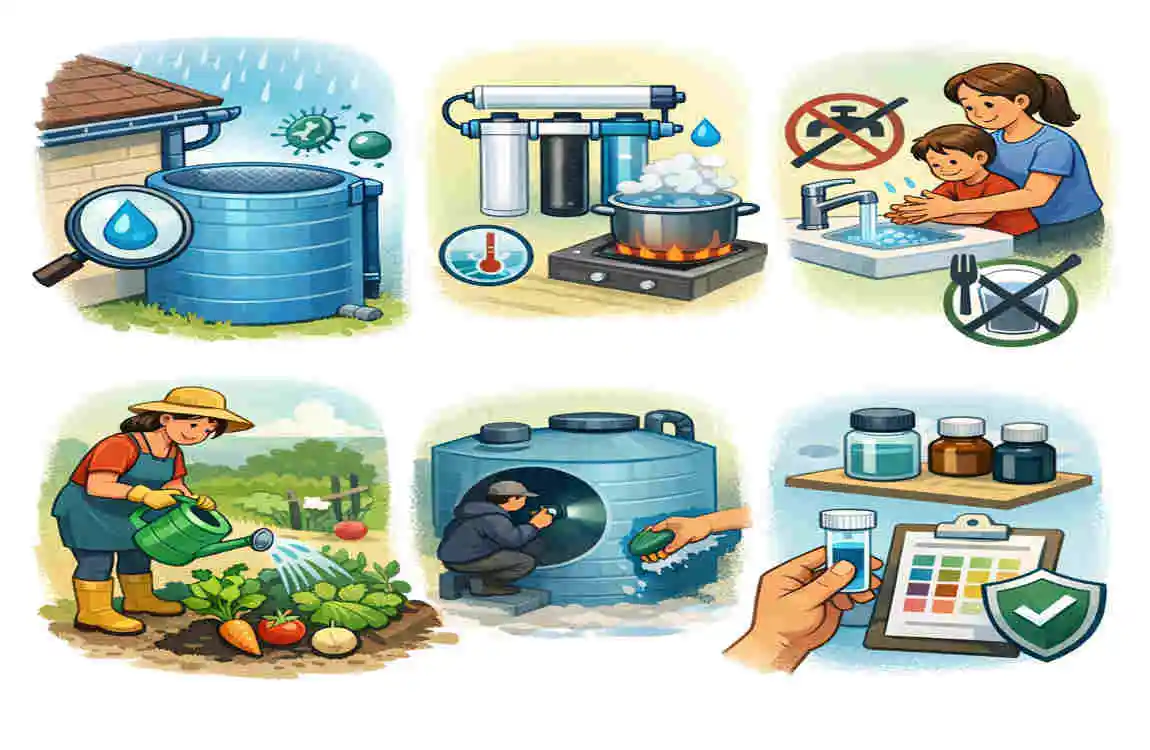
Keep the system clean.
Clean your gutters and roof regularly so debris does not enter the tank.
Use a first-flush diverter.
This helps remove the first dirty water that washes off the roof during rainfall.
Replace filters on time.
Follow the manufacturer’s schedule for filter replacement. Old filters can reduce water quality.
Test the water often.
Testing helps you know whether the water is safe for its intended use.
Store water properly
Use clean, covered tanks to keep out insects, sunlight, and contamination.
Frequently Asked Questions
Is rainwater safe to drink?
Yes, but only after proper purification and disinfection. Untreated rainwater may contain harmful bacteria and other contaminants.
How much does a home rainwater purification system cost?
It depends on the size and setup. Basic systems may cost a few hundred dollars, while whole-house systems can cost several thousand.
Can rainwater replace municipal water?
Sometimes, yes. But it depends on your rainfall, storage size, and local rules.
How often should rainwater filters be replaced?
Most filters need replacement every 6 to 12 months, depending on use and manufacturer guidance.
| Topic | Information |
|---|---|
| What It Is | A system that collects and filters rainwater for household use. |
| Main Purpose | Reduce reliance on municipal water and lower water bills. |
| Is It Worth It? | Yes, in many cases—especially in areas with regular rainfall and high water costs. |
| Common Uses | Drinking (with advanced purification), cooking, gardening, laundry, flushing toilets, and cleaning. |
| Purification Methods | Sediment filters, activated carbon filters, UV sterilization, reverse osmosis, and boiling. |
| Key Benefits | Saves water, lowers utility costs, provides emergency water, and supports environmental sustainability. |
| Potential Drawbacks | High installation cost, regular maintenance, and water quality depends on proper filtration. |