Roof Access Hatches make roof work simpler, safer, and much more convenient. Instead of relying on a ladder every time you need to check the roof, you get a built-in access point that helps you move up and down with more confidence.
For many homeowners, this is a smart upgrade. It supports regular roof care, makes inspections easier, and can improve safety during maintenance.
What Are Roof Access Hatches?
Definition
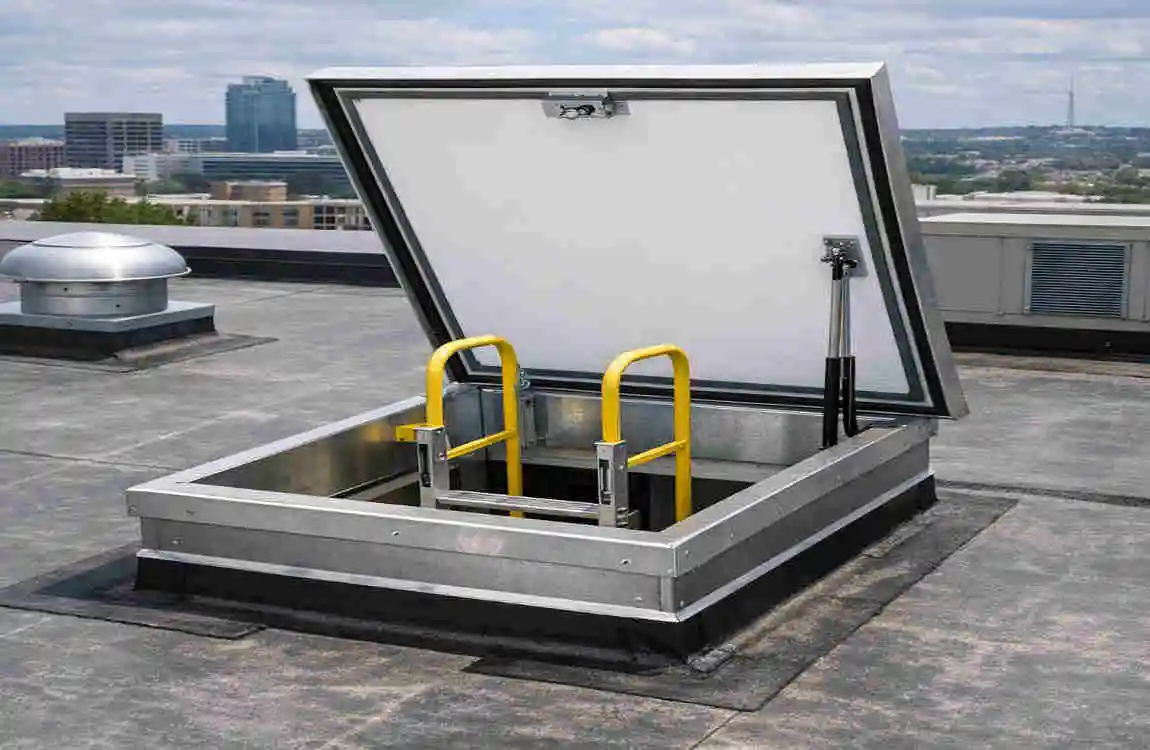
A roof access hatch is a covered opening that allows easy entry to the roof area. It is usually built into the roof structure and opened when someone needs to reach the rooftop.
Its main purpose is simple: safe and easy roof access. This is especially useful for regular roof maintenance, repairs, and inspections.
How They Work
Most roof hatches open with a hinged lid or door. Some models use gas springs to make lifting easier. Others include locks for security and weather seals to help keep out rain and air leaks.
A good roof access system should feel secure, open smoothly, and protect the building from outside elements.
Why Homeowners Need Roof Access Hatches
Easier Roof Maintenance
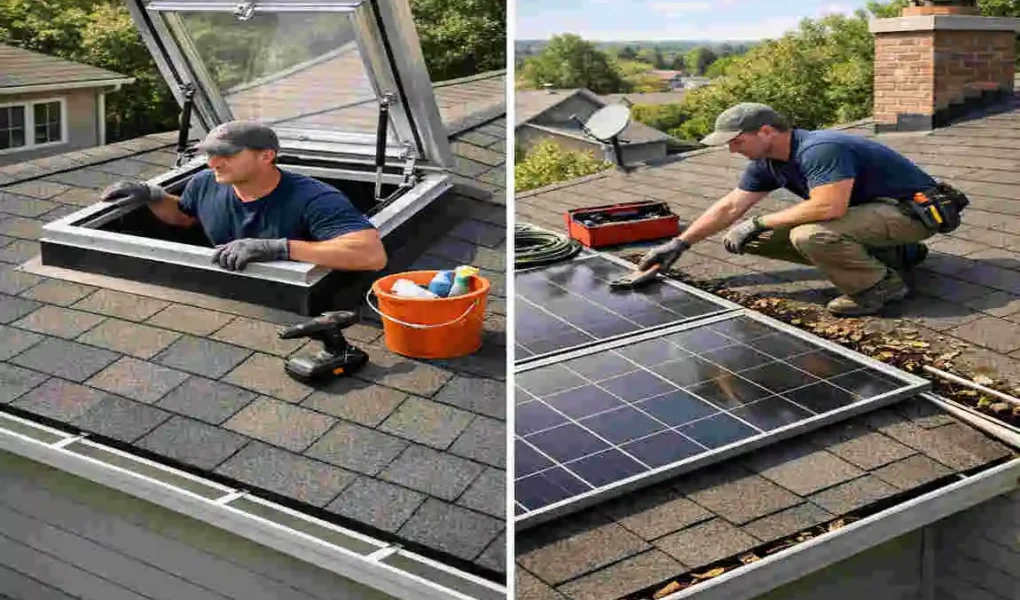
If you want to clean gutters, inspect shingles, or check solar panels, a roof hatch makes the job much easier. You do not need to move a ladder every time or struggle with awkward access.
This saves time and makes routine roof maintenance less stressful.
Improved Safety
Roof work can be risky. A hatch gives you a safer route to the roof compared with climbing a portable ladder over and over again.
It can also reduce fall risk by providing a more stable access point.
Long-Term Convenience
A roof hatch is useful any time you need quick rooftop access. It helps you plan maintenance better and makes future repairs easier to handle.
That convenience becomes even more valuable over time.
Types of Roof Access Hatches
Standard Roof Access Hatches
These are basic models used for simple rooftop entry. They are practical and work well for many residential homes.
Insulated Roof Hatches
An insulated roof hatch helps reduce heat loss and improve energy efficiency. This is a strong choice if you want better indoor comfort and lower energy waste.
Fire-Rated Roof Hatches
A fire-rated roof hatch is designed to meet fire safety needs. These are often used in buildings where extra protection is required.
Aluminum Roof Access Hatches
An aluminum roof hatch is lightweight and resists rust. It is a popular choice for homes because it is easy to handle and maintain.
Steel Roof Access Hatches
Steel models are strong and durable. They are often used where extra strength is important.
Custom Roof Hatches
Custom options are made for special roof shapes, sizes, or building needs. These are useful when standard sizes do not fit well.
Key Features to Look for
Durable Materials
Choose a hatch made from strong materials that can handle regular use. Good materials help the hatch last longer.
Weather Resistance
A weatherproof roof hatch should keep out water, wind, and outside air. This is important for protecting the roof opening.
Thermal Insulation
Insulation helps prevent energy loss. It is especially useful in homes where heating and cooling costs matter.
Secure Locking Mechanisms
A secure lock keeps the hatch closed when it is not in use. This adds safety and peace of mind.
Gas Spring Assistance
Gas springs make opening and closing easier. This is helpful if the hatch is large or heavy.
Non-Slip Design
A non-slip surface helps reduce accidents when entering or exiting the roof area.
Benefits of Installing Roof Access Hatches
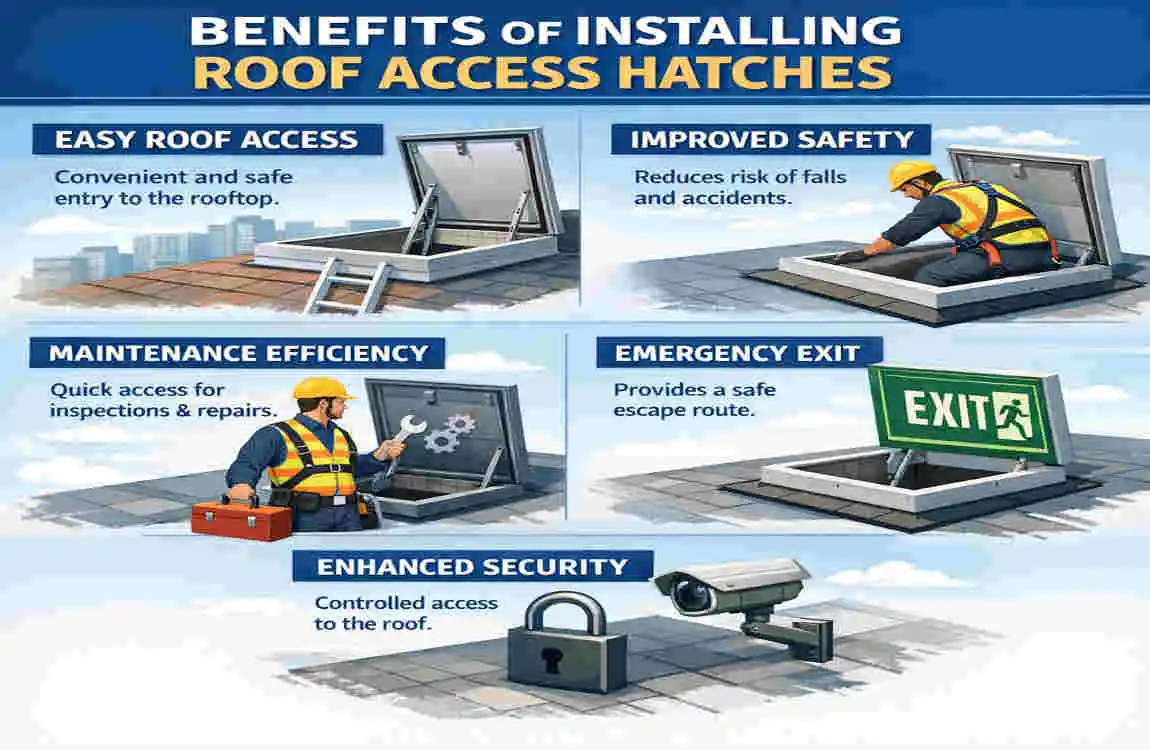
Roof access hatches offer several real advantages for homeowners.
- Improved safety
- Easy roof inspections
- Faster repairs
- Better energy efficiency
- Lower maintenance costs
- Convenient emergency access
- Possible increase in property value
These benefits make a roof hatch a practical long-term choice.
Roof Access Hatches for Different Buildings
Residential Homes
In homes, roof hatches help with maintenance tasks like gutter cleaning, solar panel checks, and roof inspections.
Commercial Buildings
Commercial properties often use roof hatches for service access and regular building maintenance.
Warehouses
Warehouses may need roof access for equipment checks, safety work, or ventilation access.
Schools and Hospitals
These buildings may use roof access systems for maintenance, repairs, and safety planning.
Materials Used in Roof Access Hatches
Material Benefits Best For
Aluminum Lightweight, rust-resistant Homes
Galvanized Steel Strong and durable Commercial buildings
Stainless Steel Excellent corrosion resistance Coastal areas
The material you choose should match your climate, roof type, and long-term needs.
Roof Access Hatch Installation Guide
Planning the Location
Pick a spot that gives safe roof access and fits well with the building layout. The location should also avoid weak roof areas.
Measuring the Opening
Correct measurements are very important. A hatch that is too small or too large can create problems later.
Installing the Frame
The frame must be secured properly so the hatch stays stable and sealed.
Securing the Hatch
Once the frame is in place, the hatch should be attached and tested to make sure it opens and closes correctly.
Sealing Against Water
Good sealing helps prevent leaks. This step is one of the most important parts of roof hatch installation.
Final Safety Inspection
Before use, check the lock, hinge, seal, and overall fit. A final inspection helps catch problems early.
Roof Access Hatch Maintenance Tips
A roof hatch needs basic care to keep working well.
- Inspect hinges regularly
- Lubricate moving parts
- Clean debris around the hatch
- Replace worn weather seals
- Check insulation once a year
- Test locking systems often
These simple steps help extend the life of your roof hatch and keep it working smoothly.
Common Mistakes to Avoid
Choosing the Wrong Size
The hatch must fit the roof opening properly. A poor size choice can make installation harder and less secure.
Ignoring Insulation Requirements
If energy efficiency matters, do not skip insulation. It can make a big difference over time.
Poor Waterproofing
Bad sealing can lead to leaks, which may damage the roof and nearby materials.
Skipping Routine Maintenance
Even a strong hatch needs regular checks. Small problems can grow if ignored.
Using Low-Quality Materials
Cheap materials may wear out faster. A stronger product usually gives better long-term value.
Improper Installation
A poorly installed hatch can cause safety and weather problems. Professional installation is often the safer choice.
How Much Do Roof Access Hatches Cost?
The price of a roof hatch depends on a few main factors.
- Material
- Size
- Insulation
- Fire rating
- Brand
- Installation labor
In general, basic models cost less, while insulated or fire-rated versions cost more. Custom units may also raise the price.
Roof Access Hatches vs Roof Ladders
Feature Roof Access Hatches Roof Ladders
Safety Excellent Moderate
Convenience High Medium
Security High Low
Weather Protection Yes No
Maintenance Low Moderate
For most homes, roof access hatches provide a safer and more practical option.
Choosing the Right Roof Access Hatch
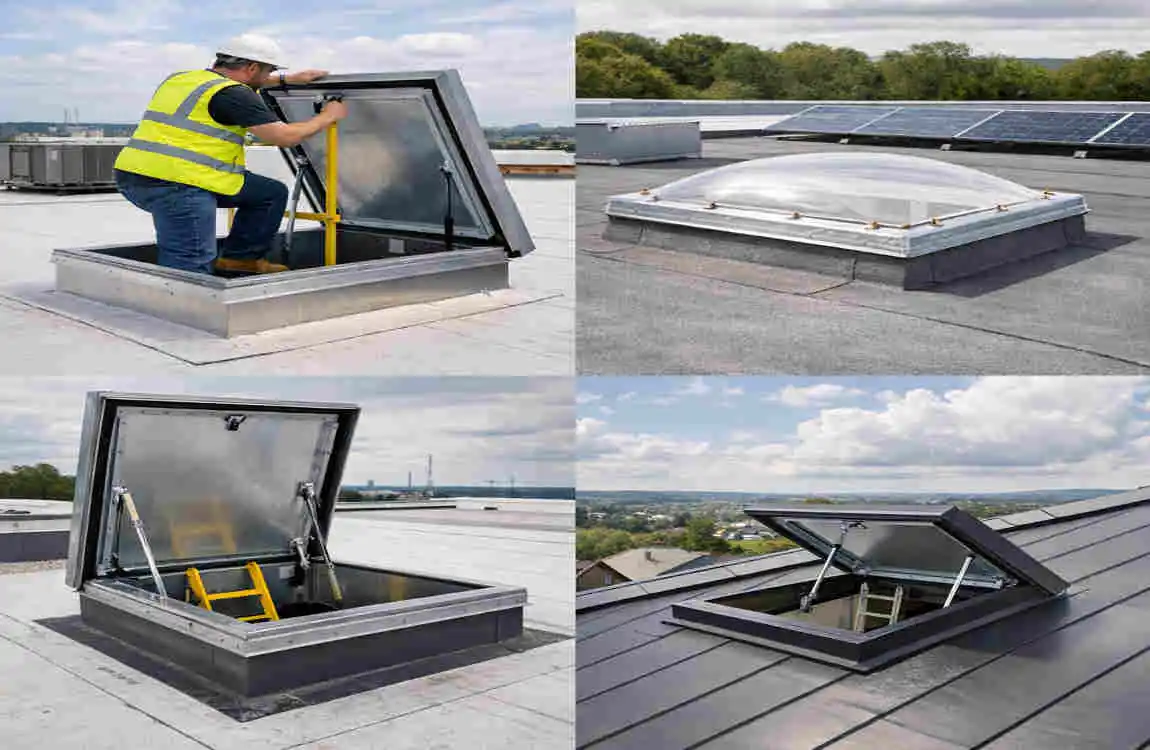
When choosing a hatch, think about:
- Roof type
- Building size
- Local building codes
- Weather conditions
- How often you need roof access
- Your budget
If your roof is used often, choose a durable, insulated, and easy-to-open option. If the climate is harsh, weather resistance should be a top priority.
Frequently Asked Questions
What are Roof Access Hatches used for?
They are used for safe rooftop access, roof maintenance, inspections, and repairs.
Are Roof Access Hatches safe for residential homes?
Yes. They are a safe option when installed properly and used with care.
How long do Roof Access Hatches last?
A good hatch can last many years if it is made from quality materials and maintained regularly.
What material is best for Roof Access Hatches?
Aluminum is a strong choice for homes, while stainless steel is great for harsh or coastal conditions.
Can Roof Access Hatches be installed on existing roofs?
Yes, many can be added to existing roofs if the structure allows it.
| Topic | Information |
|---|---|
| What Is a Roof Access Hatch? | A roof access hatch is a secure opening that provides safe and convenient access to the roof for maintenance and inspections. |
| Primary Purpose | Allows homeowners and maintenance crews to reach the roof without using exterior ladders. |
| Common Materials | Galvanized steel, aluminum, stainless steel, and insulated metal panels. |
| Best Locations | Installed above stairwells, utility rooms, mechanical spaces, or attic access points. |
| Key Benefits | Improves safety, simplifies roof inspections, protects the building interior, and provides easy access to HVAC equipment. |
| Common Applications | Residential homes, commercial buildings, schools, hospitals, and industrial facilities. |
| Safety Features | Lockable covers, weather-resistant seals, non-slip surfaces, gas spring assistance, and secure latches. |