Painting the outside of your home is one of the best ways to improve curb appeal and protect your house from weather damage. A fresh coat of paint can make an old home look clean, updated, and well-cared-for. It also helps seal the surface, which can reduce moisture problems and long-term wear.
If you are wondering how much to paint the exterior of a house, the answer depends on the house’s size, material, paint quality, labor, and where you live.
How Much to Paint Exterior of House?
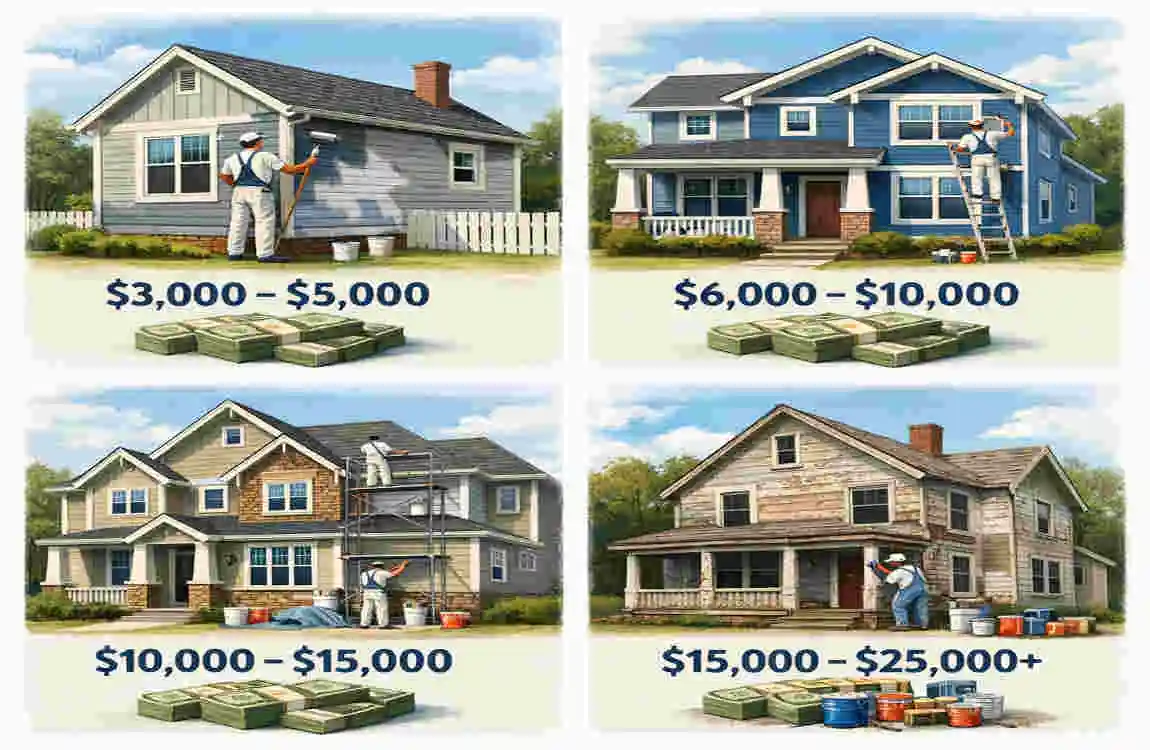
For most homes in the U.S., the national average cost to paint the exterior is around $4,500. The usual price range is $1,500 to $10,000+, depending on the home and project details.
A common way to estimate cost is by square foot. Professional painters usually charge about $1.50 to $4.50 per square foot of painted surface. That number can move up if the home needs extra prep work, repairs, or specialty materials.
Quick Cost Table
House Size Estimated Cost
1,000 sq. ft. $1,500–$4,000
1,500 sq. ft. $2,000–$5,000
2,000 sq. ft. $3,000–$6,500
2,500 sq. ft. $4,000–$8,000
3,000+ sq. ft. $5,000–$10,000+
These prices are helpful starting points, but your actual cost can vary based on the home’s condition and the amount of prep work required.
Factors That Affect Exterior House Painting Cost
House Size
This is one of the biggest cost factors. A larger house needs more paint, more labor, and more time. More surface area also means more prep work, especially if the exterior has trim, shutters, or hard-to-reach sections.
Number of Stories
A one-story home is usually cheaper to paint than a two- or three-story house. Taller homes need ladders, lifts, and extra safety steps. That increases labor time and cost.
Exterior Material
Different materials need different paint types and prep methods.
- Wood often needs scraping, priming, and careful sealing.
- Vinyl can be easier, but only if the paint is made for it.
- Brick may need special masonry paint.
- Stucco often needs crack repair before painting.
- Fiber cement is usually easier to paint, but prep still matters.
Surface Condition
If the exterior is in rough shape, the job will cost more. Peeling paint, damaged siding, cracks, mildew, or wood rot all add time and labor.
Paint Quality
Cheaper paint may cost less upfront, but it may not last as long. Better paint usually gives stronger color, better coverage, and longer protection. That can save money over time.
Labor Costs
Labor is a major part of the total price. Skilled painters charge more, but they also tend to work faster and deliver a cleaner finish.
Local Market Prices
Painting costs vary by region. In cities with a higher cost of living, you may pay more than in smaller towns. Demand, season, and local competition also affect pricing.
Exterior Painting Cost Per Square Foot
Painted Surface vs. Floor Area
This is an important detail. Floor area is not the same as painted surface area. The outside walls, trim, eaves, doors, and other features create a much larger surface than the home’s interior square footage.
That means a 2,000-square-foot home may have far more than 2,000 square feet of paintable area.
Average Price Per Square Foot
Most homeowners can expect to pay around $1.50 to $4.50 per square foot for professional exterior painting. Simple jobs with good surface condition may stay near the lower end. Homes with extensive prep work may move toward the higher end.
Labor Cost Per Square Foot
Labor usually makes up a large part of the total cost. In many cases, labor alone can run from $1 to $3 per square foot, depending on the level of difficulty and the painter’s experience.
Exterior Paint Cost by House Size
Cost Breakdown Table
House SizeDIY CostProfessional Cost
1,000 sq. ft. $400–$900 $1,500–$4,000
1,500 sq. ft. $600–$1,200 $2,000–$5,000
2,000 sq. ft. $700–$1,500 $3,000–$6,500
2,500 sq. ft. $900–$2,000 $4,000–$8,000
DIY costs stay lower because you are paying mostly for materials and tools. Professional costs include labor, equipment, prep, and cleanup.
Labor Cost to Paint a House Exterior
Hourly Rates
Painters may charge by the hour or by the project. Hourly rates often range from $25 to $75 per painter, depending on location and experience.
Fixed Project Pricing
Many painting companies prefer fixed pricing. They inspect the home, estimate the work, and give one total price. This helps homeowners avoid surprises and makes budgeting easier.
What Labor Includes
Professional labor usually covers more than just painting. It often includes:
- Washing
- Scraping
- Sanding
- Priming
- Painting
- Cleanup
Good prep work is important. If a painter rushes through prep, the paint may not last as long.
Paint and Material Costs
Exterior Paint Prices
Exterior paint can cost anywhere from $30 to $80 per gallon, and premium options may cost even more. Most homes need several gallons, depending on size and number of coats.
Primer Costs
Primer is often needed for bare surfaces, repairs, or major color changes. A gallon of primer may cost $20 to $50 or more.
Brushes and Rollers
If you are doing the work yourself, you will need brushes, rollers, trays, drop cloths, tape, and other basic supplies. These can add up faster than many people expect.
Sprayer Rental
A paint sprayer can speed up the job, but rental costs can range from $40 to $100 per day or more. You also need to know how to use it well.
Safety Equipment
For tall homes, safety gear matters. Ladders, harnesses, masks, and protective clothing may increase your total cost, especially on DIY projects.
Cost by Exterior Surface
Wood Siding
Wood usually costs more to maintain because it often needs scraping, sanding, and priming. It can also absorb moisture, so surface prep is very important.
Vinyl Siding
Vinyl can be less expensive to paint if the surface is in good condition. However, you must use the right paint to withstand expansion and heat.
Brick
Painted brick needs special care. It may require masonry paint and a cleaner surface before painting. The good news is that painted brick can last a long time when done correctly.
Stucco
Stucco often needs crack repair before painting. Because of its rough texture, it can also use more paint than smoother surfaces.
Metal Siding
Metal siding usually needs rust treatment and proper priming. Once prepared, it can be fairly straightforward to paint.
DIY vs Professional Exterior Painting
DIY Advantages
DIY painting can save money and give you full control over the project. It also lets you work at your own pace.
- Lower cost
- Flexible schedule
- Personal satisfaction
DIY Disadvantages
DIY painting can be tiring and time-consuming. It may also be unsafe for tall homes or difficult surfaces.
- Time-consuming
- Safety concerns
- Quality may vary
Professional Advantages
Hiring a pro usually costs more, but it often gives better results.
- Faster completion
- Better finish
- Warranty
- Proper equipment
If your house is large, damaged, or hard to reach, a professional is often the better choice.
Additional Costs to Consider
Pressure Washing
Many painters recommend pressure washing before painting. This removes dirt, mildew, and loose paint. It may cost extra if not included in the quote.
Surface Repairs
If your siding has holes, rot, or cracks, repairs can raise the total price. These fixes are important because paint cannot cover structural problems.
Caulking
Caulking seals small gaps around windows, trim, and siding. It helps keep water out and makes the finish look cleaner.
Trim Painting
Trim often needs extra detail work, which adds time and labor. That includes edges, borders, and decorative areas.
Doors and Garage Doors
Front doors and garage doors may be included in some quotes, but not all. Always ask what is covered.
Window Frames
Painting window frames can also increase labor because they need precision and careful masking.
How to Save Money on Exterior House Painting
Here are a few smart ways to lower the cost without cutting quality:
- Compare multiple quotes
- Get at least three estimates so you can compare prices and services.
- Paint during the off-season
- Painters may offer better rates when demand is lower.
- Handle prep work yourself
- Washing, moving furniture, and minor prep can reduce labor costs.
- Choose quality paint for longer durability
- Better paint may cost more now, but it can last longer and save money later.
- Repair damage before painting
- Fixing major issues early can prevent higher costs during the job.
- Buy paint during sales
- If you are doing DIY work, sales can lower your material cost.
How Often Should You Paint a House Exterior?
How often you repaint depends on the material and climate. Some homes need fresh paint sooner than others.
Exterior Type Repaint Every
Wood 3–7 Years
Aluminum 5–10 Years
Stucco 5–10 Years
Brick (painted) 10–15 Years
Fiber Cement 10–15 Years
Homes in hot sun, heavy rain, or snowy weather may need repainting sooner.
Signs Your House Needs Exterior Painting
Look for these warning signs:
- Peeling paint
- Fading color
- Cracks
- Moisture damage
- Mold or mildew
- Exposed wood
- Chalking
If you notice these problems, your home may need painting soon. Waiting too long can lead to bigger repairs.
Best Time of Year to Paint a House Exterior
Spring
Spring is a popular time because temperatures are usually mild. Paint also dries well when the weather is steady.
Summer
Summer works well in many places, but very hot days can make painting harder. Too much heat can cause paint to dry too fast.
Early Fall
Early fall is often ideal. The weather is usually cooler and more stable, which helps paint cure properly.
Weather Conditions to Avoid
Avoid painting in heavy rain, high humidity, freezing temperatures, or strong winds. Bad weather can ruin the finish and shorten the paint’s lifespan.
Tips for Choosing the Right Exterior Paint
When choosing paint, keep these points in mind:
- Finish options: Flat, satin, or semi-gloss each give a different look.
- Color selection: Pick a color that fits your home style and neighborhood.
- UV resistance: This helps reduce fading from sunlight.
- Waterproof protection: Important in wet climates.
- Mildew resistance: Helpful in humid areas.
- Warranty: A stronger warranty can give peace of mind.
The right paint should look good and protect your home for years.
Common Exterior Painting Mistakes
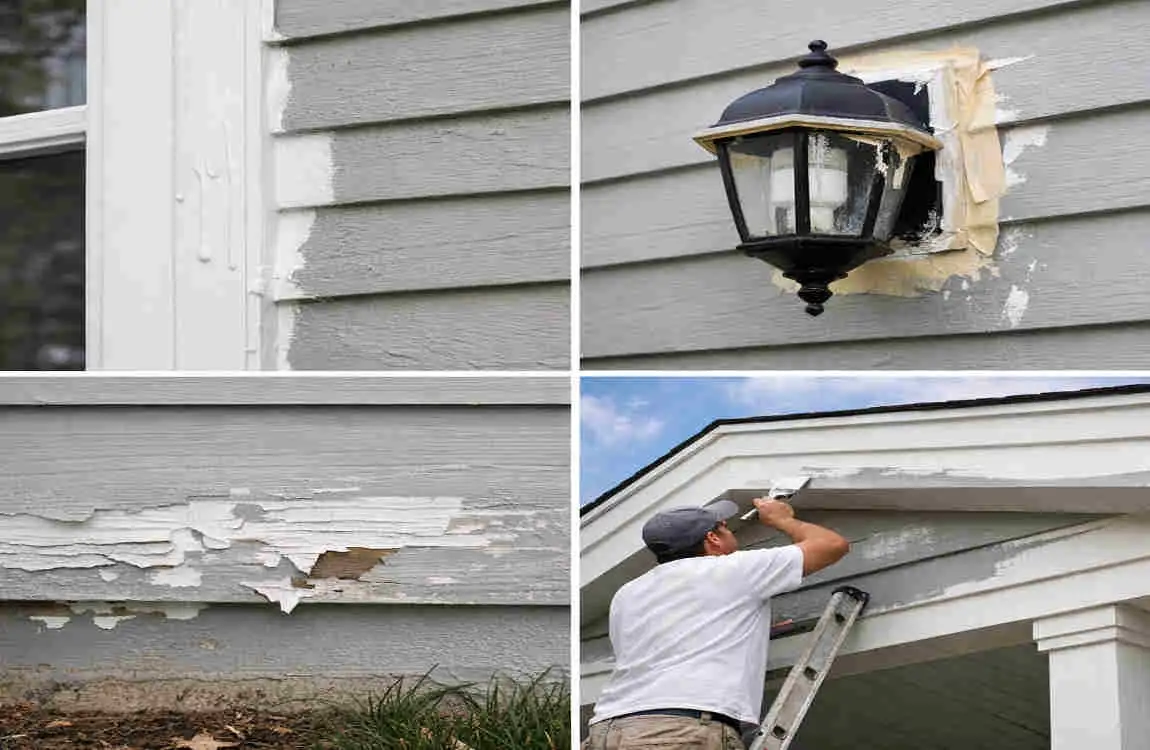
Many painting problems come from avoidable mistakes.
- Skipping primer
- Painting wet surfaces
- Choosing cheap paint
- Ignoring weather
- Poor preparation
- Applying thick coats
Preparation matters just as much as the paint itself. A rushed job usually does not last long.
Frequently Asked Questions
How much to paint exterior of house on average?
Most homeowners spend between $3,000 and $6,500, depending on the home’s size, condition, and location.
How much does exterior painting cost per square foot?
Professional exterior painting generally costs $1.50 to $4.50 per square foot, including labor and materials.
Is it cheaper to paint a house yourself?
Yes, DIY painting usually costs less, but it takes more time and requires the right tools and safety steps.
How long does exterior house paint last?
Most quality exterior paint lasts 5 to 10 years, depending on weather, surface type, and paint quality.
What is included in a professional exterior painting quote?
A typical quote includes prep work, primer if needed, paint, labor, cleanup, and basic repairs.
| Factor | Details |
|---|---|
| Average Cost | $2,000–$8,000 for most homes, depending on size and condition. |
| Cost Per Square Foot | Around $1.50–$4.00 per sq. ft. of paintable exterior surface. |
| Small House (1,000–1,500 sq. ft.) | $1,500–$4,000 |
| Medium House (1,500–2,500 sq. ft.) | $3,000–$6,000 |
| Large House (2,500–4,000+ sq. ft.) | $5,000–$10,000+ |
| Labor Cost | Typically 70–85% of the total project cost. |
| Paint Cost | High-quality exterior paint costs $30–$100 per gallon. |
| Factors Affecting Cost | Home size, number of stories, siding material, prep work, paint quality, and local labor rates. |
| Additional Costs | Pressure washing, scraping, repairs, priming, and trim painting may increase the total. |
| Time to Complete | Usually 3–7 days, depending on weather and project size. |
| Money-Saving Tip | Get multiple quotes, paint during the off-season, and choose durable paint to reduce long-term maintenance. |