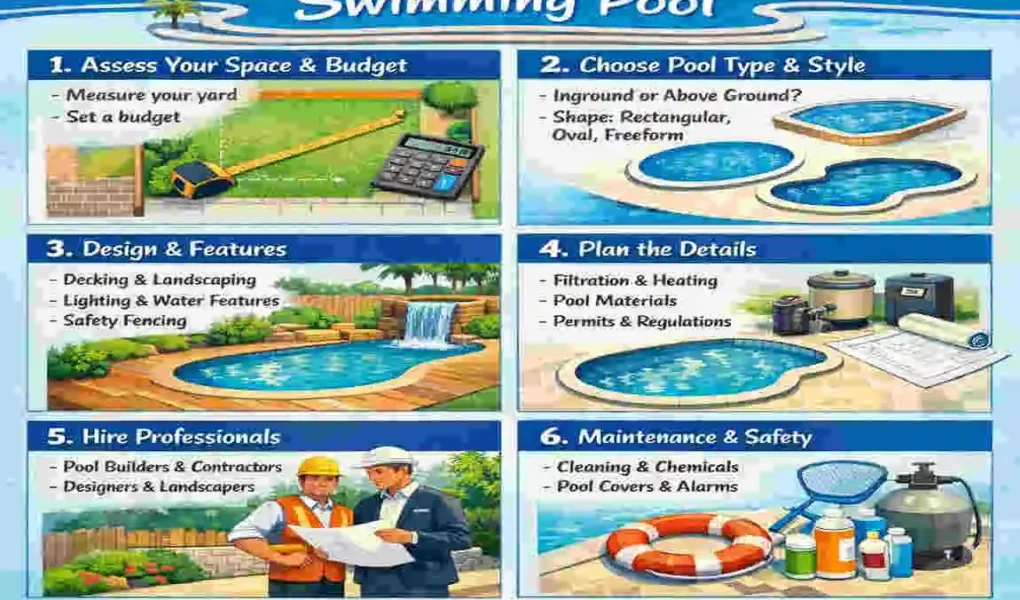
A house swimming pool is so much more than just a place to cool off during the scorching summer months. It is a stunning backyard centrepiece that can completely change the way you enjoy your home. A well-designed pool improves your home’s overall appearance, increases your outdoor living space, and can even add serious value to your property.
However, building a pool is a massive project. It requires careful planning to ensure it fits perfectly within your budget, suits your available yard space, and meets your long-term maintenance needs.
Why Plan Your House Swimming Pool Carefully?
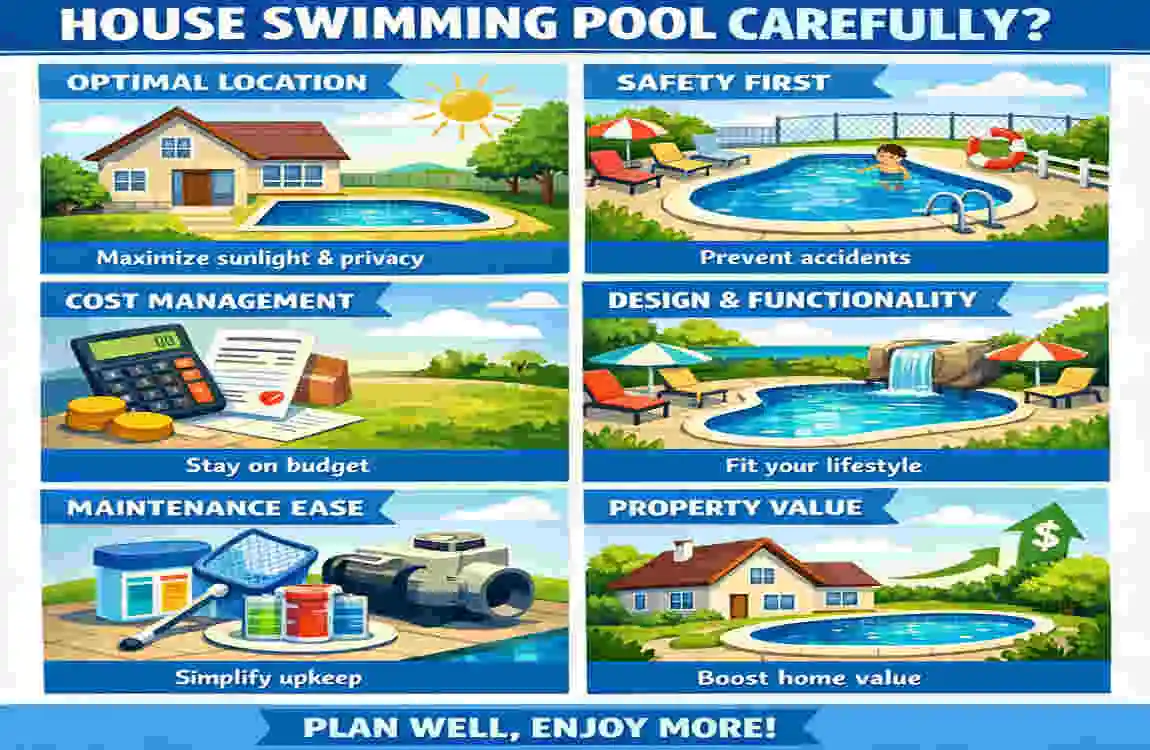
Jumping into a pool project without a plan is a recipe for stress. Proper planning keeps you in control of the entire process from start to finish.
Maximising Your Space and Budget
When you sit down to plan, you give yourself the chance to maximise your available yard space. You don’t want a pool that swallows your entire lawn, leaving no room for a barbecue or patio chairs. Furthermore, a solid plan helps you stay strictly within your construction budget, preventing unexpected financial surprises.
Protecting Your Investment
Careful planning also helps you choose the right pool size and shape for your family’s specific needs. Thinking ahead allows you to make smart choices that reduce future maintenance costs. Ultimately, a well-planned pool improves safety for children and pets while significantly increasing your property’s resale value.
Choose the Right Location
Selecting the perfect spot for your new pool is easily one of the most important decisions you will make. You cannot move a pool once you pour the concrete!
Chasing the Sun and Avoiding Trees
You want to place your pool in an area that gets plenty of sunlight throughout the day. The sun naturally warms the water, saving you money on heating costs. At the same time, try to keep a good distance from large trees. Falling leaves and twigs will constantly clog your filters, making cleaning a nightmare.
Accessibility and Ground Conditions
Look for a level area in your yard with good natural drainage. You also want to ensure the pool has easy, safe access from your back door. Finally, before you start digging, you must check that your chosen location complies with all local building regulations and zoning laws.
Select the Best Pool Shape
Different pool shapes suit different homes, and choosing the right one depends on how you plan to use the water.
Geometric Elegance
If you love a clean, modern look, geometric shapes are fantastic. Rectangular pools look incredibly elegant and are the absolute best choice if you want to swim laps for exercise.
Natural Curves
If you prefer a more relaxed, tropical vibe, curved shapes are the way to go. Kidney and freeform pools blend beautifully into natural landscaping, making your backyard look like a hidden lagoon.
Here is a quick guide to help you choose:
Pool Shape Best For
Rectangle Modern homes and lap swimming
Oval Family recreation and water games
Kidney Natural-looking landscapes and retro designs
Freeform Luxury backyard designs and tropical themes
Plunge Pool Small yards and compact urban spaces
Decide on the Pool Size
Bigger is not always better when it comes to a house swimming pool. You need to choose a size that makes sense for your specific lifestyle.
Assessing Your Yard Space
First, look at your backyard dimensions. You need to leave enough room to walk around the pool, set up lounge chairs, and add landscaping. A giant pool in a tiny yard will feel cramped and overwhelming.
Matching Size to Purpose
Consider your family size and intended use. Do you want to host massive summer pool parties, or a small spot for quiet relaxation? Remember your construction budget and future maintenance costs. Avoid building a pool larger than necessary, because larger pools require much more water, more expensive chemicals, and weekly cleaning.
Pick Quality Pool Materials
The material you choose forms the actual shell of your pool. This choice heavily impacts how much you spend upfront and how much time you spend maintaining it later.
The Durability of Concrete
Concrete is the traditional choice for custom pools. It is highly customizable, meaning you can build a pool of any shape, size, or depth. It is incredibly durable, but it does take longer to install and requires a bit more maintenance to keep algae at bay.
The Convenience of Fibreglass
Fibreglass pools arrive at your home as preformed shells. This means you get a very quick installation! The surface is incredibly smooth, making it tough for algae to grow, which results in very low maintenance.
The Affordability of Vinyl
A Vinyl Liner pool is often the most affordable option. You can customise the shape, and there are many beautiful liner patterns to choose from. Just keep in mind that you will need to replace the vinyl liner every 5 to 10 years.
Plan Landscaping Around the Pool
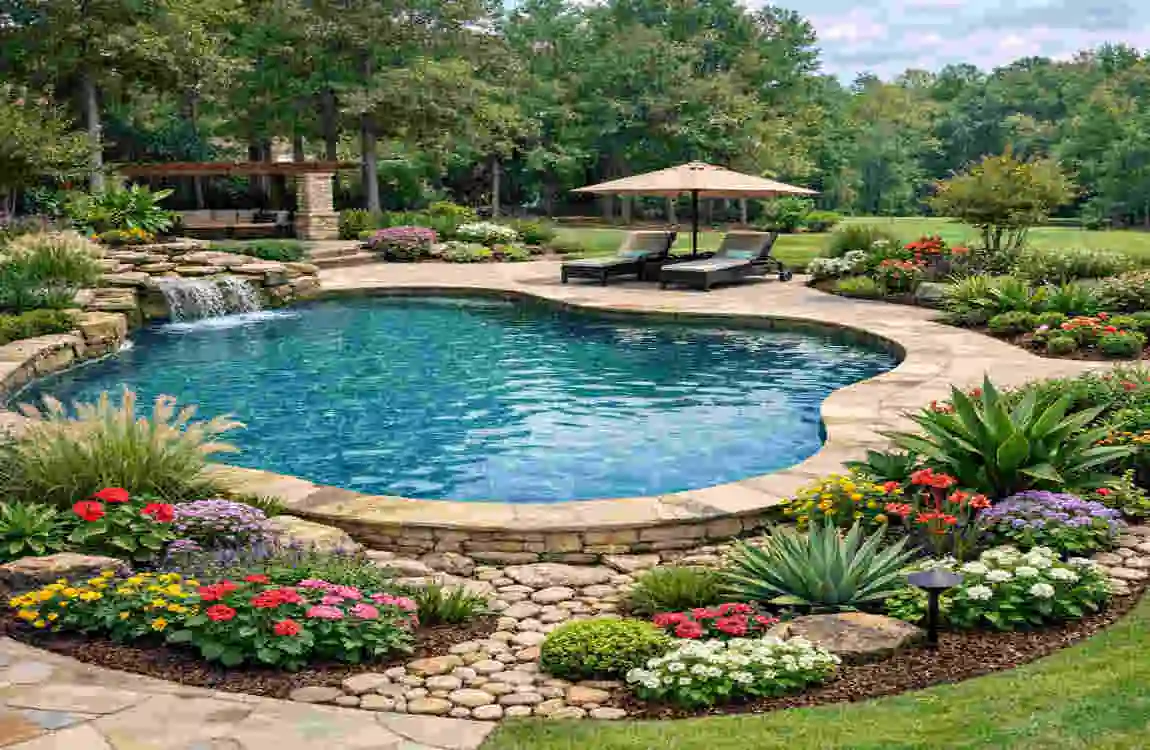
A pool is just a hole filled with water until you add the right landscaping. Good landscaping enhances both the beauty and the everyday functionality of your yard.
Softscaping with Plants
Adding greenery brings your pool area to life. Choose palm trees, lush shrubs, and colourful potted plants to create a resort-like feel. Just make sure to pick plants that don’t shed many leaves into the water!
Hardscaping and Features
You also need to think about the hard surfaces around your pool. Always choose non-slip decking materials to improve safety when it gets wet.
Here are some popular landscaping ideas to consider:
- Textured stone pathways
- Comfortable poolside seating and loungers
- Pergolas or shade structures for hot afternoons
- Outdoor lighting for night swimming
- Decorative, secure fencing
Include Important Safety Features
Safety must always be a top priority in your pool design, especially if you have children or pets at home.
Securing the Perimeter
The best way to prevent accidents is to control who can get into the pool area. A sturdy barrier is your first line of defence.
Essential perimeter safety features include:
- Pool fencing that meets local height regulations.
- Self-closing and self-latching gates to keep little ones out.
- Sturdy pool covers to secure the water when not in use.
Adding Extra Precautions
Safety doesn’t stop at the fence. Use anti-slip decking to prevent nasty falls. Install proper underwater and landscape lighting so everyone can see clearly at night. Make sure you use clearly marked depth indicators, and consider adding safety alarms that alert you if the water is unexpectedly disturbed.
Plan Your Budget
A beautiful pool requires a realistic financial plan. If you only budget for digging the hole, you will find yourself in financial trouble very quickly.
Upfront Construction Costs
Your initial budget needs to cover the heavy lifting. This includes the actual pool construction, the heavy excavation of your yard, and all the complex plumbing and electrical work required to keep the pool running.
Hidden and Ongoing Expenses
Don’t forget to budget for the finishing touches! You must account for the decking, landscaping, lighting, and mandatory fencing. Finally, set aside some money for maintenance equipment and annual operating costs, such as electricity, water, and chemicals. Planning keeps your wallet happy and helps avoid stressful, unexpected expenses.
Think About Future Maintenance
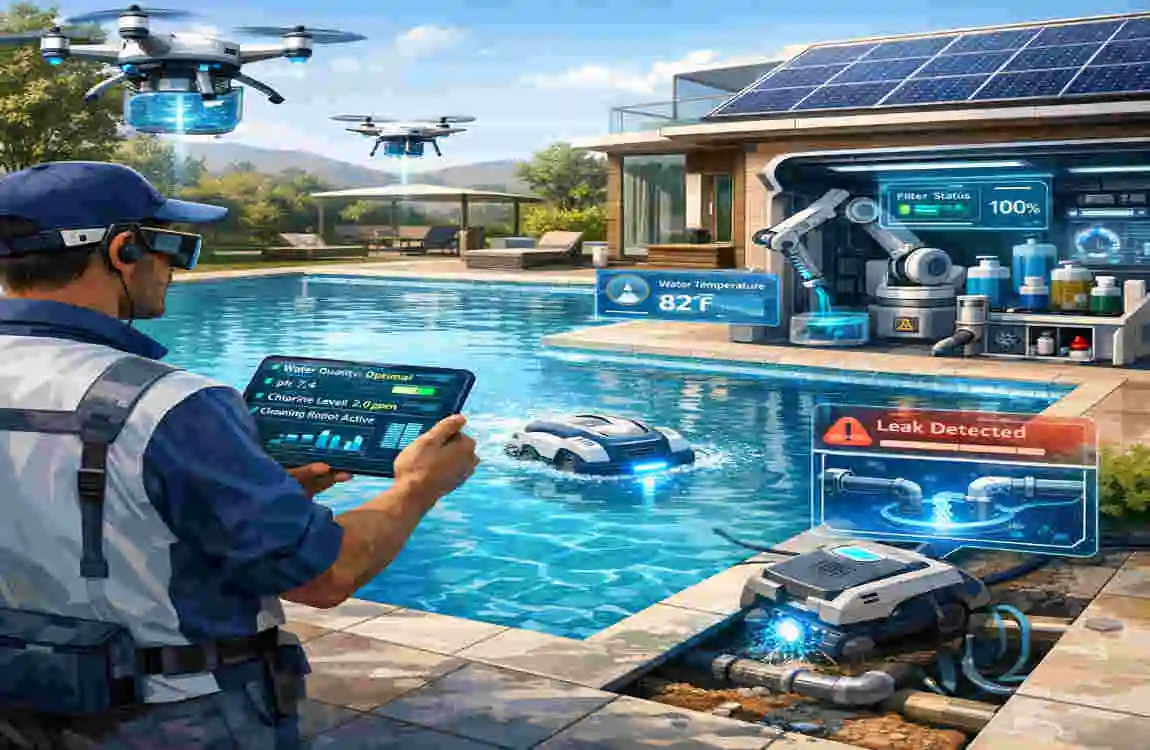
A pool is an ongoing commitment. Regular maintenance keeps your pool sparkling clean, safe for swimming, and extends the lifespan of your equipment.
Keeping the Water Pristine
Routine tasks are simply part of pool ownership. You will need to skim the water to remove floating debris, brush the walls, and regularly check your water chemistry to balance pH and chlorine levels.
Caring for Your Equipment
You also need to care for the machines that keep your pool running. This means running the filtration system daily, checking the skimmer baskets, and inspecting your pumps and filters. Choosing high-quality, energy-efficient equipment during the design phase will dramatically reduce your operating costs over time.
Frequently Asked Questions (FAQs)
What is the best shape for a house swimming pool?
The “best” shape depends entirely on your home’s style and your personal needs. Rectangular pools are ideal for modern homes and swimming laps for fitness. On the other hand, freeform and kidney-shaped pools are wonderful if you want to create a more natural, relaxing backyard appearance.
How much space is needed for a home swimming pool?
Generally speaking, most standard residential pools require at least 600 to 1,200 square feet of outdoor space. This measurement accounts for both the pool’s actual size and the necessary surrounding safety deck.
Which pool material lasts the longest?
If longevity is your main goal, concrete is the winner. Concrete pools are generally the most durable option on the market. With proper care and routine maintenance, a concrete pool shell can easily last for decades.
How can I reduce swimming pool maintenance?
You can make pool ownership much easier by investing in the right tools upfront. Install a high-quality filtration system, use a heavy-duty pool cover to keep dirt out, maintain proper water chemistry, and consider buying a robotic pool cleaner to handle the daily scrubbing for you.
Does adding a swimming pool increase home value?
Yes, it certainly can! In many real estate markets—especially in warmer climates where swimming is a year-round activity—a well-designed and properly maintained swimming pool can greatly increase a home’s curb appeal and potentially boost its final resale value.
| Aspect | Details |
|---|---|
| Purpose | Decide whether the pool is for relaxation, exercise, family fun, or entertaining guests. |
| Pool Type | Choose between in-ground, above-ground, infinity, lap, plunge, or natural pools. |
| Location | Select a sunny, level area with easy access from your home and away from large trees. |
| Pool Size | Plan the dimensions based on available yard space, budget, and intended use. |
| Shape & Design | Pick a rectangular, freeform, geometric, or custom design to match your home’s style. |
| Materials | Common options include concrete, fiberglass, and vinyl liner, each with different costs and durability. |
| Safety Features | Install fencing, self-closing gates, pool covers, alarms, and non-slip decking. |
| Filtration System | Choose an efficient pump and filter to maintain clean, healthy water. |
| Landscaping | Add plants, lighting, patios, and seating areas to enhance the outdoor space. |
| Budget Planning | Include construction, permits, landscaping, equipment, maintenance, and future repair costs. |
| Permits & Regulations | Check local building codes, zoning laws, and permit requirements before construction. |
| Maintenance | Plan for regular cleaning, water testing, chemical balancing, and seasonal maintenance. |