Have you ever walked into a room and felt like the walls were closing in on you? We have all been there. In a compact home, the difference between a cozy sanctuary and a cramped box usually comes down to one thing: natural light. When you are working with limited square footage, your windows are not just holes in the wall; they are your best tools for creating an illusion of vastness.
Choosing the right small house window design is a game-changer. It is about more than just seeing outside; it is about how the outside world enters your home. By picking the right shapes, frames, and placements, you can actually make a 500-square-foot apartment feel like a 1,000-square-foot loft.
Why Small House Window Design Matters for Light and Style
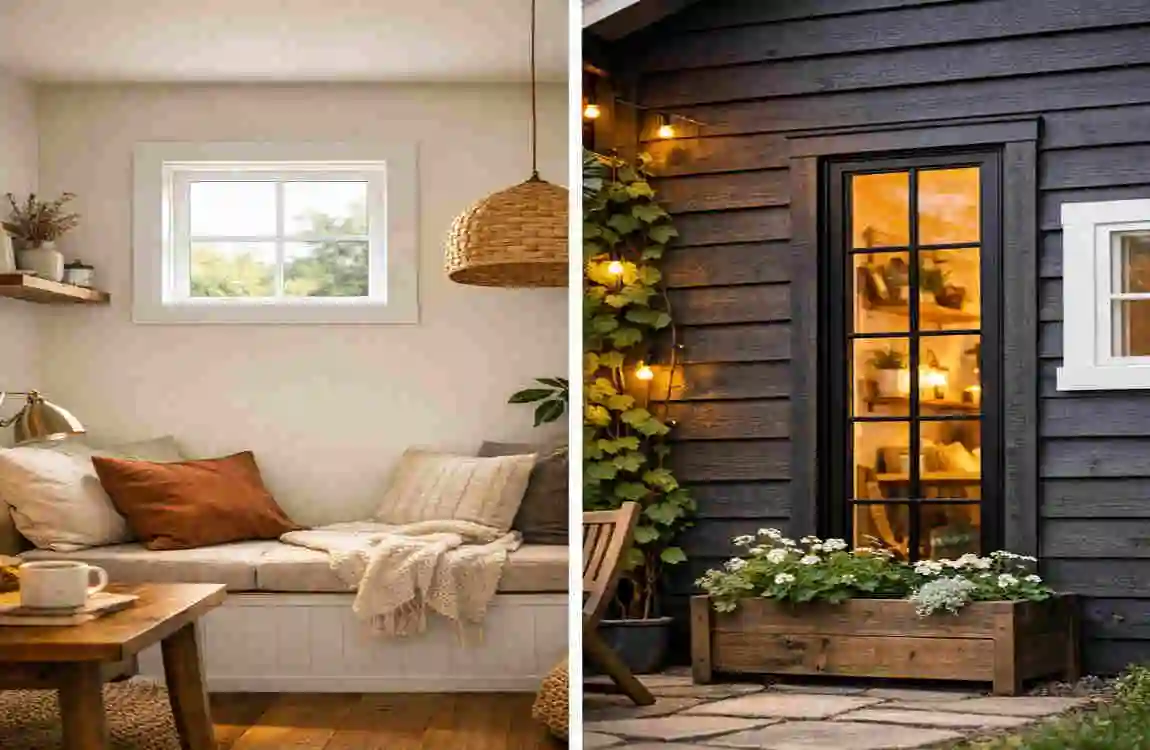
Before we jump into the specific designs, let’s talk about the “why.” In a large mansion, a poorly placed window is a minor annoyance. In a small house, it is a disaster. Small spaces often suffer from dark corners and stagnant air, which can make even the most expensive furniture look dull.
Expanding Your Visual Horizons
The most immediate benefit of a smart small house window design is the “perceived space.” When your eyes can travel past the physical wall and out into the garden or the sky, your brain registers the area as being much larger. This simple trick can increase the perceived size of a room by nearly 20%.
Boosting Your Daily Well-being
We are biological creatures that crave sunlight. Natural light helps regulate our sleep-wake cycles and increases serotonin levels. If you spend most of your day in a small home office or a compact living room, maximizing sunlight isn’t just a design choice—it is a health choice.
Adding Instant Curb Appeal
From the outside, windows are the “eyes” of your home. A unique window shape or a modern black frame can turn a plain, boxy structure into an architectural statement. You don’t need a massive budget to make your home look high-end; you need the right window designs for small homes.
Small House Window Design Ideas
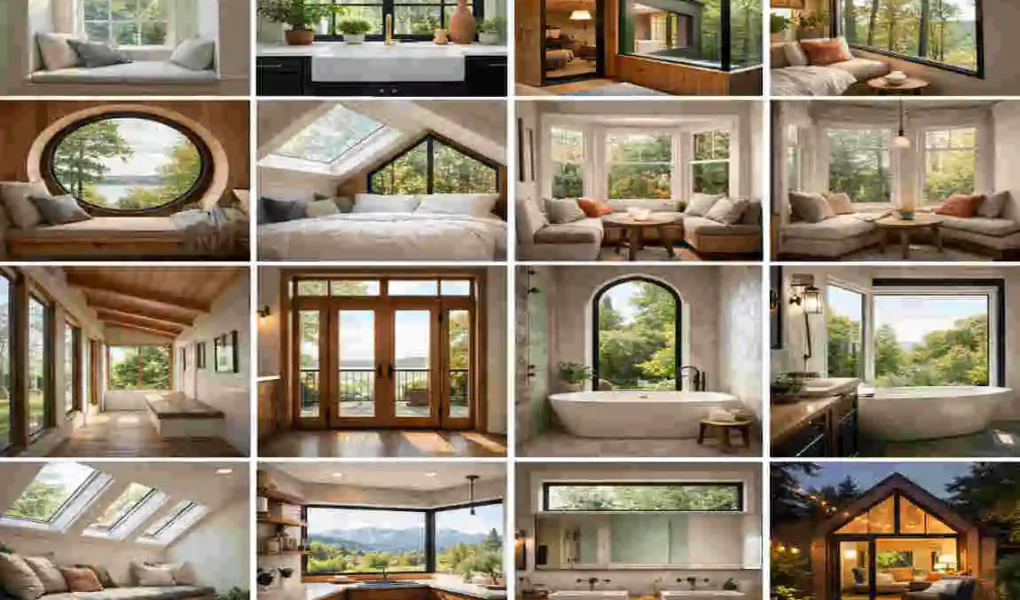
Now, let’s get into the heart of the matter. Here are 15 curated ideas for squeezing every drop of sunlight from your surroundings while keeping your home looking incredibly stylish.
Floor-to-Ceiling Slim Windows
If you have a narrow wall that feels useless, consider a floor-to-ceiling slim window. These are tall, thin vertical panes of glass that run from the floor to the top of the wall.
Because they are narrow, they don’t take up much horizontal wall space, leaving you room for furniture. However, because they are tall, they draw the eye upward, highlighting your ceiling height. They are perfect for narrow entryways or the ends of hallways.
- Pro: Makes ceilings look much higher.
- Con: Can be difficult to find standard curtains for.
- Cost Estimate: $800-$1,500 per panel.
Clerestory Windows for Privacy
Clerestory windows are long, horizontal strips of glass placed high up on the wall, often just below the roofline. These are a secret weapon in small house window design.
Why? Because they let light flood the room without sacrificing your privacy. You can have these in a bedroom or bathroom where you wouldn’t want a standard window facing the street. They catch the sunlight as it moves across the sky, keeping your room bright all day long.
- Pro: Total privacy while maintaining light flow.
- Con: Hard to reach for cleaning.
- Cost Estimate: $300-$600.
Bay Window Extensions
A bay window is more than just a window; it is a mini addition to your home. It protrudes outward from the main wall, creating a small nook inside.
In a small house, this is pure gold. You can turn that nook into a reading bench, a breakfast corner, or even a spot for your indoor plants. By catching light from three different angles, bay windows are incredibly effective at brightening up a dim living room.
- Pro: Adds extra physical square footage.
- Con: Requires more structural support.
- Cost Estimate: $1,200-$3,500.
Corner Windows for Panoramic Views
Why have a solid corner when you can have glass? Corner windows involve two panes of glass meeting at a 90-degree angle. This removes the visual “stop” of a corner and opens up a panoramic view of the outdoors.
This design is particularly stunning in a small kitchen. Imagine washing dishes while looking out at the entire backyard rather than just a small square. It creates a sense of openness that a flat window cannot match.
- Pro: Unmatched aesthetic appeal.
- Con: More expensive due to specialized framing.
- Cost Estimate: $1,500-$4,000.
French Doors Used as Windows
Who says doors are only for walking through? In many modern small house window ideas, designers are replacing large sections of wall with French doors.
Even if you don’t use the door to go outside often, the glass panels let in a lot of light. They add a touch of classic elegance and can be opened wide on nice days to let the breeze in, effectively doubling your living space by connecting it to a patio or balcony.
- Pro: Excellent ventilation and light.
- Con: Requires clearance space for the doors to swing open.
- Cost Estimate: $1,000-$2,500.
Skylights with Frosted Glass
When wall space is at a Premium because you need it for shelving or cabinets, look to the ceiling. Skylights are the ultimate way to bring in light.
If you are worried about privacy (perhaps neighbors can see in from a higher building), use frosted glass. This diffuses the light, creating a soft, even glow throughout the room without the harsh glare of direct sun. It is a fantastic small house window design hack for bathrooms.
- Pro: Lights up the center of a room.
- Con: Potential for leaks if not installed perfectly.
- Cost Estimate: $500-$1,500.
Picture Windows with Simple Grilles
A picture window is a large, fixed pane of glass that does not open. Its sole purpose is to frame a view like a piece of art.
To add a bit of style without blocking the light, use thin grilles (the wooden or metal strips that divide the glass). This gives the window a bit of character and a “homey” feel while still allowing the sun to pour in. These are great for living rooms that need a focal point.
- Pro: Very energy efficient because they don’t open.
- Con: No ventilation.
- Cost Estimate: $400-$1,000.
Modern Casement Windows
Casement windows are hinged at the side and open outward like a door using a crank handle. They are a modern favorite for small house window ideas because they offer a completely unobstructed view when closed.
When opened, they act like a sail, catching the breeze and directing it into your home. This is perfect for small houses that get stuffy during the summer months.
- Pro: Best ventilation of any window type.
- Con: The screen is on the inside, which some people dislike.
- Cost Estimate: $300-$700.
Awning Windows for Rain-Proof Air
Similar to casement windows, awning windows are hinged, but at the top. They open outward from the bottom.
The beauty of this design is that you can leave them open even when it is raining! The glass acts as a little roof, keeping the water out while letting fresh air in. These are ideal for high placements in kitchens or bathrooms where you want constant airflow.
- Pro: Can stay open during light rain.
- Con: Not ideal for areas with high foot traffic outside (people might walk into them).
- Cost Estimate: $250-$600.
Horizontal Sliding Windows
If you live in a very tight space where you can’t have a window swing outward, horizontal sliders are your best friend.
They slide along a track, meaning they take up zero extra space inside or outside. They are simple, cost-effective, and allow for a large glass area that maximizes light. This is a staple in modern small house designs for a reason.
- Pro: Very easy to operate and space-saving.
- Con: The track needs regular cleaning to stay smooth.
- Cost Estimate: $200-$500.
Transom Windows Above Doors
Have you ever noticed those small windows above a front door or an interior bedroom door? Those are transom windows.
They are a fantastic way to move light from one room to another. If your hallway is dark, a transom window above the bedroom door can let light from the sunny bedroom in. It adds a vintage, high-end look to even the smallest home.
- Pro: Enhances architectural character.
- Con: Adds complexity to the door frame.
- Cost Estimate: $150-$400.
Round or Arched Windows
Sometimes, too many straight lines can make a small house feel rigid and “boxy.” Adding a round or arched window breaks up those lines and adds a sense of softness.
A circular window in a loft or a small reading nook adds a whimsical, cottage-like charm. While they might provide slightly less light than a square window of the same size, the stylistic impact is massive.
- Pro: High visual interest.
- Con: Custom shapes are more expensive to buy and install.
- Cost Estimate: $500-$1,200.
Black-Framed Minimalist Windows
If you want a modern, industrial, or “farmhouse” look, black-framed windows are the way to go. The dark frame creates a high contrast against light-colored walls, which actually makes the view outside “pop.”
By keeping the frames very thin (minimalist), you maximize the glass surface area. This ensures that the frame doesn’t become a bulky distraction in a small room.
- Pro: Extremely trendy and stylish.
- Con: Shows dust more easily than white frames.
- Cost Estimate: $400-$900.
Smart Glass Windows
For the tech-savvy homeowner, smart glass is the future of small house window design. This glass can change from transparent to opaque with the flip of a switch or a smartphone app.
In a small house, you might not have room for bulky curtains or blinds. Smart glass solves this by providing privacy on demand without the need for fabric. It keeps the lines of your room clean and modern.
- Pro: No need for curtains; very high-tech.
- Con: Very expensive.
- Cost Estimate: $50-$100 per square foot.
Custom Mosaic Window Panels
If you have a window that faces a boring view—like a brick wall or an alley—don’t hide it with a curtain. Use custom mosaic or stained glass panels.
This allows light to filter through in beautiful colors and patterns, turning a “bad” view into a stunning piece of home decor. It is a unique way to style a small house window without adding any physical bulk to the room.
- Pro: Hides ugly views while letting in light.
- Con: Can be dark if the colors are too deep.
- Cost Estimate: $200-$1,000 (depending on the art’s complexity).
Comparison of Window Types for Small Homes
To help you decide, here is a quick breakdown of how these window types compare in terms of light and cost.
Window TypeLight LevelCost LevelBest For
Floor-to-Ceiling Excellent High Living Rooms
Clerestory Moderate Low Bedrooms/Bathrooms
Bay Window Excellent Very High Creating Nooks
Casement High Moderate Ventilation
Skylight Superior Moderate Dark Centers of Homes
Sliding High Low Budget-friendly spaces
Key Factors to Consider in Small House Window Design
Choosing a design is the fun part, but you also need to think about the practical side. Here are a few things to keep in mind before you start tearing down walls.
Material Choices: What should the frames be made of?
- Wood: Beautiful and classic, but requires a lot of maintenance. It is great for insulation.
- Vinyl: The most popular choice. It is affordable, durable, and doesn’t need painting.
- Fiberglass/Aluminum: Very strong, allowing for the thinnest frames possible. This is perfect for the minimalist look.
Energy Efficiency: Don’t let the heat out!
In a small house, your energy bills can be very low, but only if your windows are efficient. Look for Double Glazing (two panes of glass with gas in between) and Low-E coatings. These coatings reflect heat to its source, keeping you cool in the summer and warm in the winter. This can cut your energy bills by 10-15%.
The Climate Factor
If you live in a place with a harsh sun (like Lahore or Phoenix), you need to prioritize UV protection. Constant direct sunlight can fade your furniture and make a small room feel like an oven. Tinted glass or specific coatings can help block those harmful rays while still letting the visible light in.
Implementation Tips: Bringing These Ideas to Life
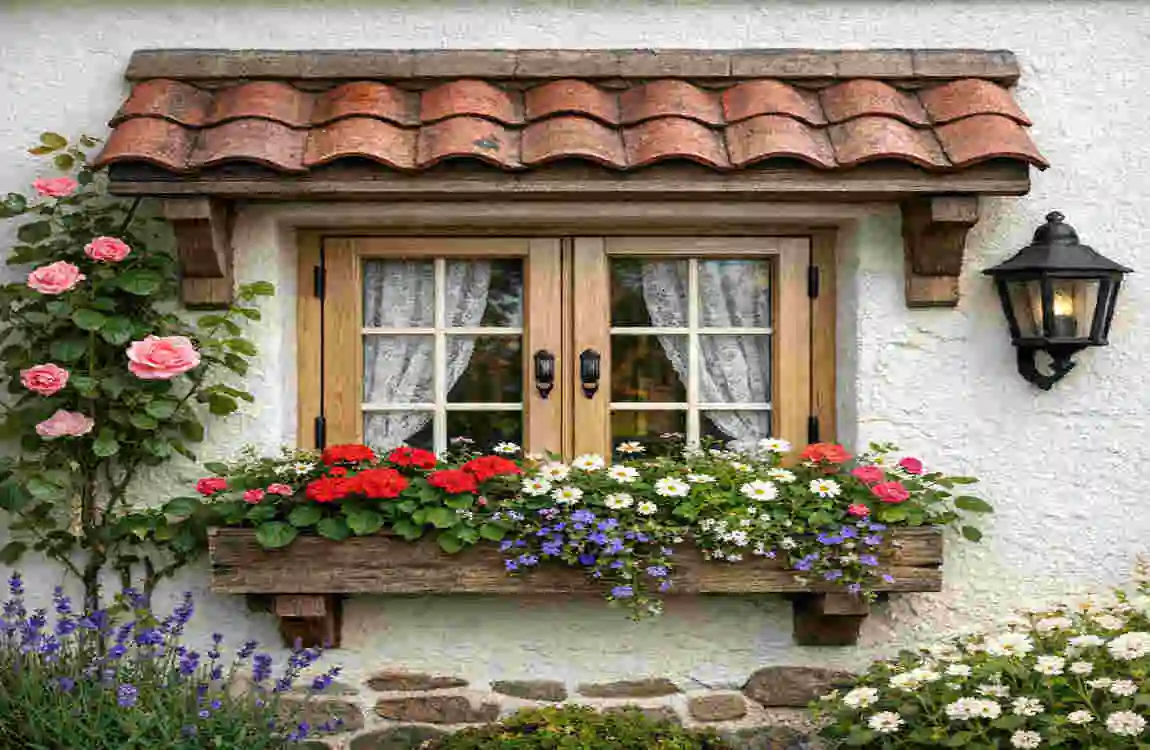
Are you feeling inspired? Here is how you can start implementing these small house window ideas today.
- Audit Your Sunlight: Spend a day watching how the sun moves around your house. Which rooms are darkest? Which walls get the most direct morning light?
- Think About “Sightlines”: Stand in the middle of your room. Where do you wish you could see out? That is where your new window should go.
- Don’t forget the Interior: You can boost the effect of your new windows by placing mirrors on the opposite wall. This bounces the light back into the room, effectively doubling the brightness.
- Consult a Pro: Before you make a hole in your wall, talk to a structural engineer or a professional window installer. They can tell you which walls are “load-bearing” and what sizes are safe to install.
Frequently Asked Questions: Small House Window Design
Choosing the right windows for a compact home can feel overwhelming. To help you move forward with confidence, here are the most common questions homeowners ask about small house window design.
What is the best window type for a very small room?
If you are tight on square footage, sliding windows or casement windows are usually your best bet.
Sliding windows are perfect because they don’t swing inward or outward, saving you precious space on both sides of the wall. Casement windows are excellent because they open fully, allowing the maximum amount of fresh air to enter a small, potentially stuffy room.
How can windows make a small house look bigger?
Windows create what designers call “visual expansion.” When you install larger panes of glass or place windows in corners, you break the solid boundary of the wall.
By allowing your eyes to travel to the horizon or the backyard, your brain perceives the outdoor area as an extension of your indoor living space. Using slim frames also helps because they minimize distractions and keep the focus on the view outside.
Can I have privacy in a small house without heavy curtains?
Yes! Heavy curtains often make a small room feel even smaller and darker. Instead, consider clerestory windows, which are placed high up near the ceiling.
You can also use frosted glass or textured glass panels. These options allow sunlight to pour in while completely blocking the view from the street. Another modern choice is smart glass, which turns opaque at the touch of a button.
Are floor-to-ceiling windows energy efficient?
Modern floor-to-ceiling windows are much more efficient than older models. To keep your energy bills low, always look for double-glazed panes with a Low-E (low-emissivity) coating.
This special coating reflects heat. In the summer, it keeps the sun’s heat out; in the winter, it keeps your indoor warmth from escaping. This ensures your small home stays comfortable without overworking your air conditioner.
What is the most budget-friendly window for a tiny home?
If you are watching your wallet, horizontal sliding windows with vinyl frames are typically the most affordable option.
Vinyl is cheaper than wood or fiberglass but still offers great durability and insulation. To save even more, try to stick to standard window sizes rather than ordering custom shapes, as “off-the-shelf” windows are significantly less expensive to purchase and install.