Most backyard spas start with good intentions. Weekend soaks, hosting friends, the kind of feature that looks great in the listing photos when the house was bought. Then a season passes without it getting used, then another, and eventually it’s just sitting there, taking up space, costing money in upkeep nobody’s actually getting any benefit from.
That’s usually the point someone starts looking into spa removal, not because the spa broke, but because it’s been dead weight in the yard for longer than anyone wants to admit.
Why It Sits There Unused for Years
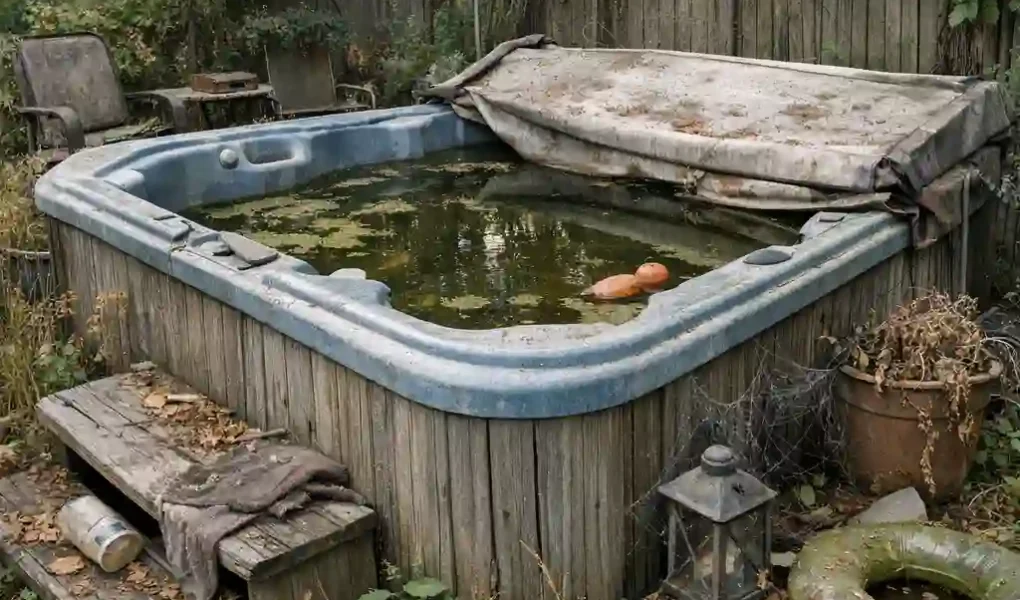
Once a spa stops getting regular use, momentum works against ever using it again. The water needs treating even when nobody’s swimming in it. A neglected spa turns green fast, and once that happens, getting it back to usable condition feels like a bigger project than just leaving it covered for another season. That cycle repeats until years have passed and the spa’s become more of a maintenance chore than a feature.
The Costs That Keep Running Whether It’s Used or Not
An unused spa isn’t a neutral, cost-free object sitting in the yard. Water treatment chemicals, occasional pump servicing, and the electricity to keep it heated or filtered all continue regardless of whether anyone’s actually getting in it. None of that shows up as one big bill. It shows up as a string of small ones that add up to real money spent maintaining something nobody’s enjoying.
A few signs it might be time to remove rather than restore:
- The spa hasn’t been used in over a year, with no real plan to change that
- Repair or restoration costs are approaching what removal and reclaiming the space would cost
- The space it occupies would be more useful as garden, deck, or storage
- Selling the house is on the horizon and the spa is more of a liability than a selling point to buyers
What Removal Actually Involves
Removing a spa isn’t always the demolition job people brace for. Above-ground ones can sometimes come out without touching much of the surrounding landscaping. In-ground or built-in spas are a different story: breaking up the shell, disconnecting plumbing and electrical properly, backfilling the space so it’s actually usable for whatever comes next. Bigger in-ground jobs can also trigger council permit requirements, depending on size and structure. Worth checking before anything gets booked in.
Reclaiming the Space for Something Actually Used
The space a spa occupies is often more valuable empty than filled with something nobody uses. Garden beds, an outdoor entertaining area, extra lawn for kids or pets, all of these tend to get more use than a spa that’s been sitting stagnant for years. It’s a trade a lot of homeowners don’t consider until they actually see the space without it.
Worth Weighing Up Properly
An old, unused spa isn’t necessarily an emergency to deal with, but it’s rarely doing anyone any favours sitting there either. Between ongoing upkeep costs and the opportunity cost of the space it takes up, removal is often the more practical option once restoration stops making financial sense.